The Trade Show Files: Ask the Experts

So you have an old house - now what?

A while back Greater Portland Landmarks invited five old house experts (Marc Bagala, Les Fossel, Julie Larry, Arron Sturgis, and Peter Taggart - bios after the conversation) to comment on how to prioritize your plan for any major work on your older or historic home. We asked them how to incorporate plans for sustainability and energy efficiency, how to stay on budget, how to prepare, and more. Here’s how they answered.

Peter Taggart, Marc Bagala, Les Fossel, and Julie Larry, will all be at the 2019 Old House Trade Show, March 30-31, where you can ask these experts more questions about your house. Get Tickets.

What is the first thing to consider?

Julie Larry: The first thing is to determine what are the important features of the house that should be maintained as part of the project, so that a home doesn’t lose its special character.

Peter Taggart: Research, to understand the history of the structure, the materials used, and the condition they’re in.

Arron Sturgis: A complete assessment of the home is the best way to increase appreciation and understanding of it. It provides the basis for knowing the condition, the materials within it, how it was built, and what changes were made over time.

Les Fossel: Ask yourself: do you have the resources (time, money, skills, energy and commitment) to take the project to completion? Don’t trust yourself on this, ask for experienced advice.

Marc Bagala: I want to be sensitive to the owners, their love for their home, and what they’re looking for. I try to design my work around that and their budget. My interview process is to ask a lot of questions.
How do you balance historic preservation with sustainability and energy efficiency?

The Green Book and Portland

The Green Book and Portland

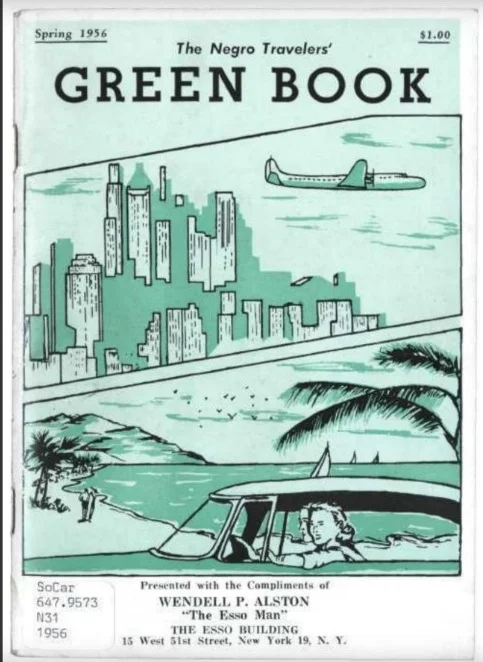
Did you know that Portland was included in this well-known guide book for African Americans travelling in the mid-twentieth century?

The guide book was originated and published by New York City mailman Victor Hugo Green from 1936 to 1966, during the era of Jim Crow laws, when open and often legally prescribed discrimination against non-whites was widespread. Although pervasive racial discrimination and poverty limited car ownership, the emerging African-American middle class bought automobiles as soon as they could afford to do so, but when travelling faced a variety of dangers and inconveniences along the road, from refusal of food and lodging to arbitrary arrest. In response, Green wrote his guide to services and places relatively friendly to African-Americans, eventually expanding its coverage from the New York area to much of the United States. He also founding a travel agency.

The Green Book and Portland

Did you know that Portland was included in this well-known guide book for African Americans travelling in the mid-twentieth century?

The guide book was originated and published by New York City mailman Victor Hugo Green from 1936 to 1966, during the era of Jim Crow laws, when open and often legally prescribed discrimination against non-whites was widespread. Although pervasive racial discrimination and poverty limited car ownership, the emerging African-American middle class bought automobiles as soon as they could afford to do so, but when travelling faced a variety of dangers and inconveniences along the road, from refusal of food and lodging to arbitrary arrest. In response, Green wrote his guide to services and places relatively friendly to African-Americans, eventually expanding its coverage from the New York area to much of the United States. He also founding a travel agency.

The Trade Show Files: Stephanie Brown of Bagala Window Works

The Trade Show Files: Stephanie Brown of Bagala Window Works

One of the best parts of the Old House Trade Show is having the opportunity to chat with exhibitors about their memorable experiences with older homes. It’s also a great opportunity to discuss options for your home projects and find inspiration in the creative solutions offered by all of our exhibitors.

To start the conversation, we caught up with Stephanie Brown, a window technician at Bagala Window Works. An exhibitor at the upcoming 2019 Old House Trade Show, Bagala Window Works (BWW) is a local company and long-time supporter of Greater Portland Landmarks working to preserve the unique heritage of homes through time-tested techniques in window restoration. Stephanie discusses her work with older homes, her favorite window projects, and her perspective as a woman in a skilled trade profession traditionally held by men.  

Heating Things Up with Attic Insulation

If your historic New England home is cold in the winter or expensive to heat, you’re not alone.

Attic insulation is one of the most cost effective energy-saving measures for New England homes, yet many in the greater Portland area have inadequate amounts of attic insulation compared to the recommended levels for our climate.

While insulating an attic in general is a fairly straightforward energy-saving solution that will make it easier to warm or cool your home as the weather demands, it can be a tricky project, especially for older and historic houses.

How does Landmarks determine what buildings and places to advocate for?

Historic Resource Survey Map.jpg

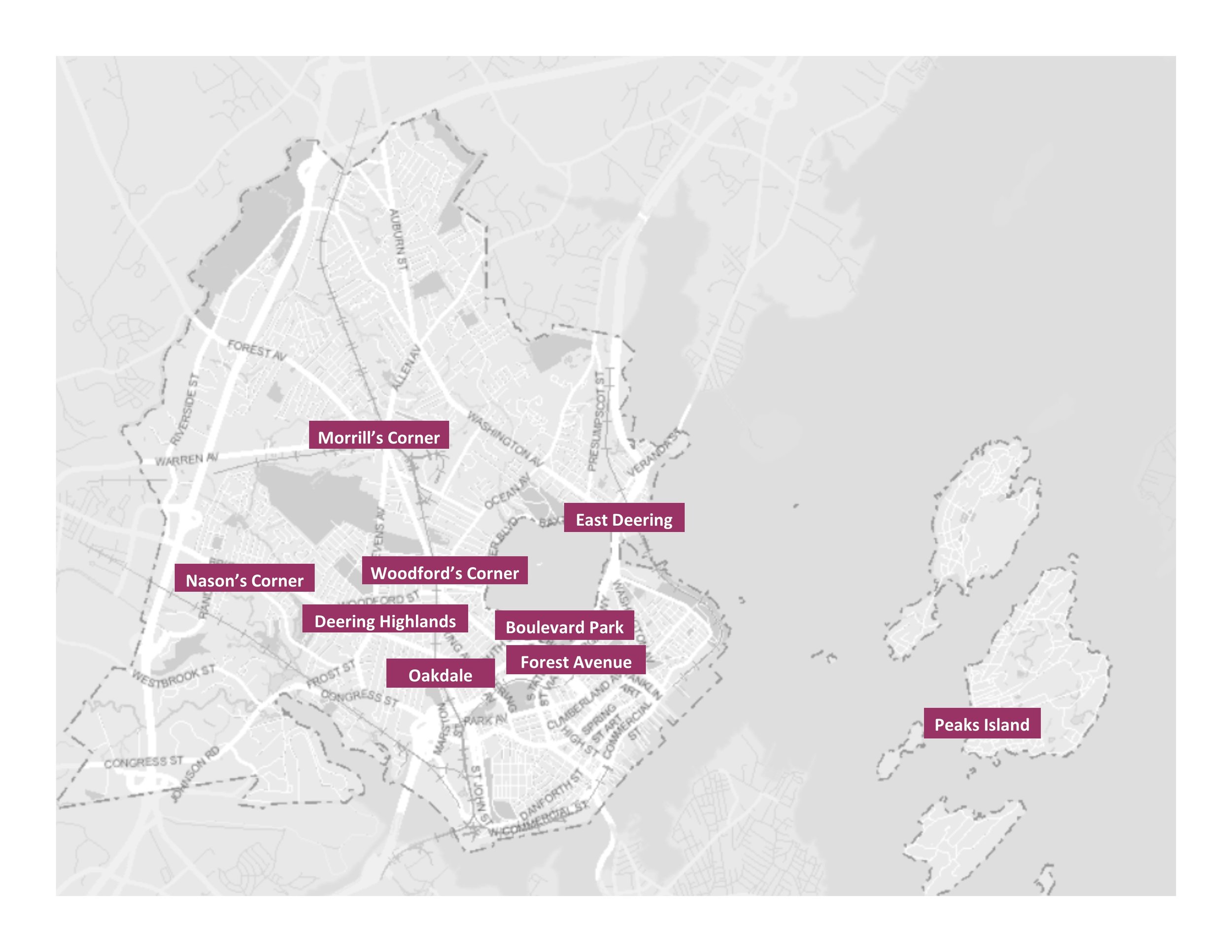
At the heart of our mission is understanding this place. Greater Portland. The first step any preservation organization needs to undertake is to document what buildings and places exist, recognize why they were built, and to document for whom they were created. Landmarks has been doing this work since it was formed in 1964. In our research library are files on many properties in Portland, Westbrook, Falmouth, Scarborough, and Cape Elizabeth. Over the years, we’ve worked to document properties in these communities through historic resource surveys, field visits, and community histories. That work continued in the 1990s with surveys in West Bayside, India Street, and on Munjoy Hill in Portland. More recently we’ve been documenting neighborhoods off peninsula, on Peaks Island, and in South Portland. In 2019 our survey work will document properties in Portland’s East Bayside and South Portland’s Ferry Village. If you’d like to learn more about some of the neighborhoods we’ve been documenting check out a new page with links to videos and slideshows about the history, architecture, and people that make up some of these neighborhoods we’ve been documenting!

A moratorium on Portland's Waterfront

Piers_02.jpg

Portland’s Waterfront is a dynamic environment. It is under pressure from increased traffic and a lack of funding for needed infrastructure improvements. Fisherman worry about losing access to berth space and their ability to move product within the waterfront and to markets beyond the city. The conversation about the future of Portland’s waterfront is critical and of a concern to a number of stakeholders. Learn more about the waterfront, the ongoing work of the task force and be sure to make your voice heard!

Read More>>

Book Report: The Past and Future City by Stephanie Meeks

Book Report: The Past and Future City by Stephanie Meeks

I optimistically checked out a fat stack of preservation-related books at the University of Georgia library and lugged them up to Maine for self-assigned summer reading. The Past and Future City by Stephanie Meeks (Island Press, 2016 link: https://islandpress.org/book/the-past-and-future-city) has been on my list for quite some time. The president and CEO of the National Trust for Historic Preservation since 2010, Meeks echoes ideas that are buzzing in the preservation world and support the message of Max Page’s lecture. That preservation is much more than house museums, it’s an evolving field that should play an important role in addressing some of our most hot-button issues such as affordable housing and climate change. To do this, she outlines 10 steps communities can take to harness the power of their existing building stock and protect historic resources. Here are my Cliff Notes:

11 Things to do in Fall 2018

11 Things to do in Fall 2018

To use a term from Mary Berry of the Great British Bake Off, this fall is cram-jam full with history, architecture, and community events. Organizations all over the region are in a celebratory mood, from our own Preservation Awards, to an architecture-inspired costume party. This fall you can take a musical stroll, have a reason to say “Happy Terrcentential!”, and trick-or-treat at a Portland icon and so much more.