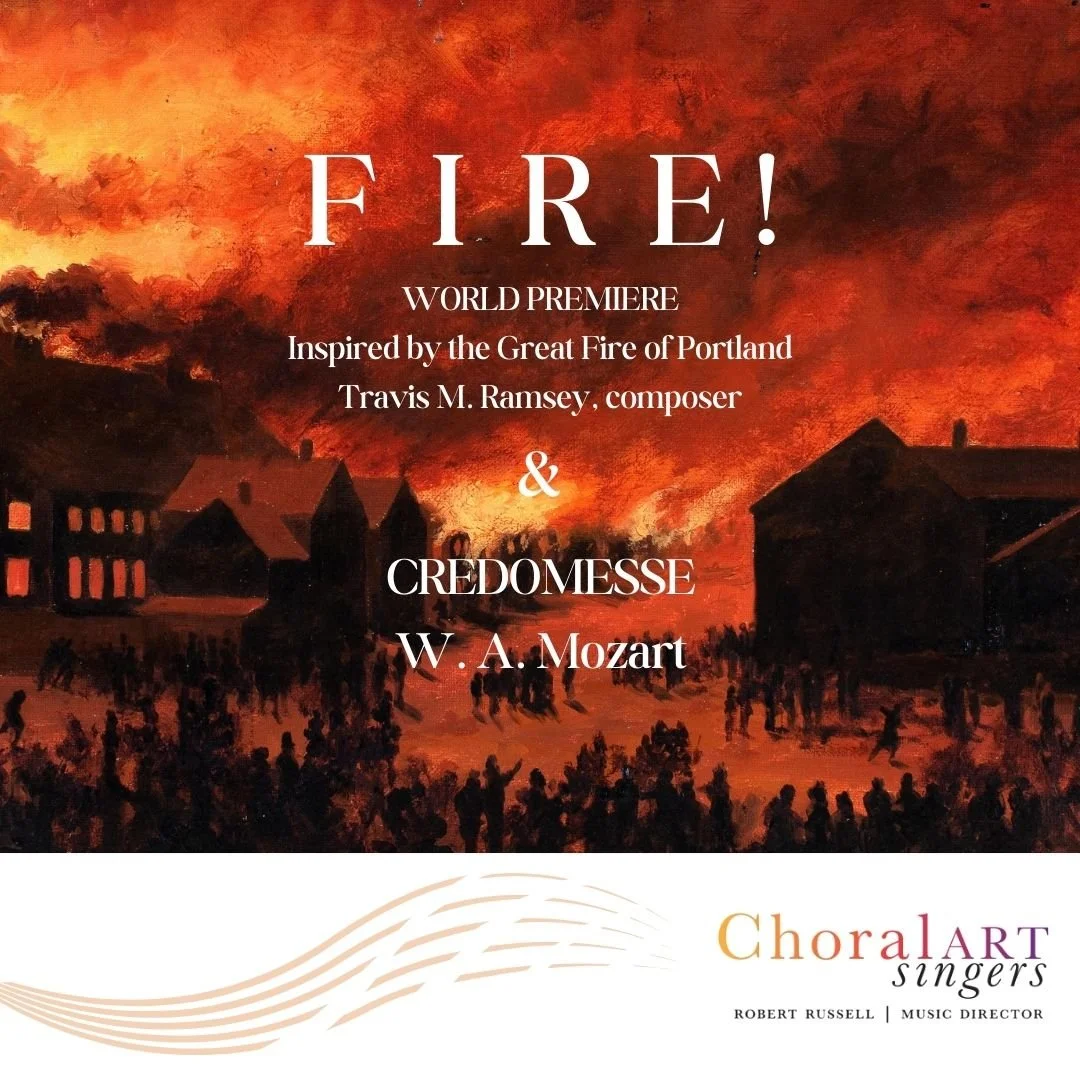
Good historic preservation work allows for a tangible, sensory-driven, emotional connection to moments and places from our past. This year, GPL awarded a 2026 Preservation Award to a groundbreaking auditory work that proves preservation isn’t just buildings and landscapes. (Come celebrate with us on October 27 at our Awards Bash!) The piece, FIRE! composed by Travis M. Ramsey and performed by ChoralArt in their 2025 season, transports listeners to The Great Fire of 1866.
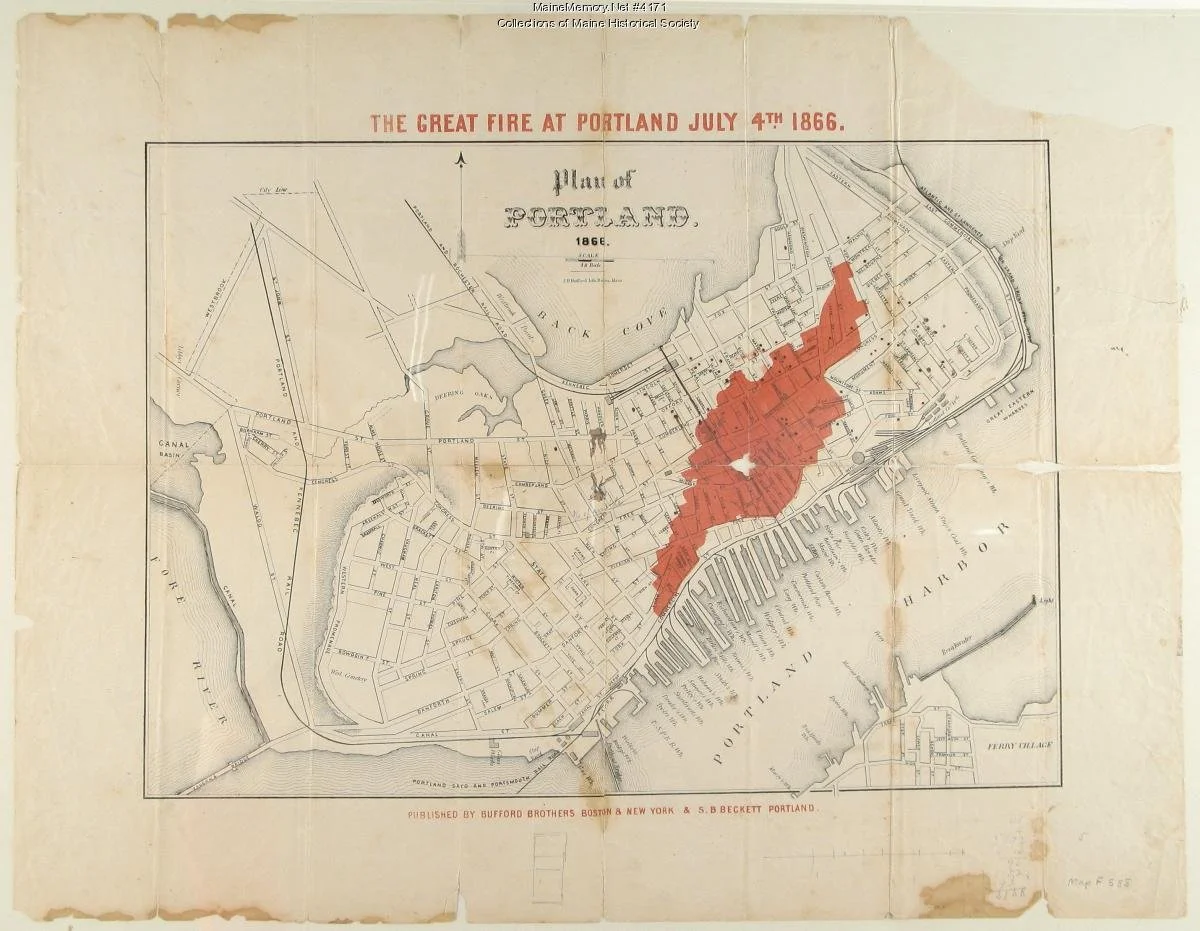
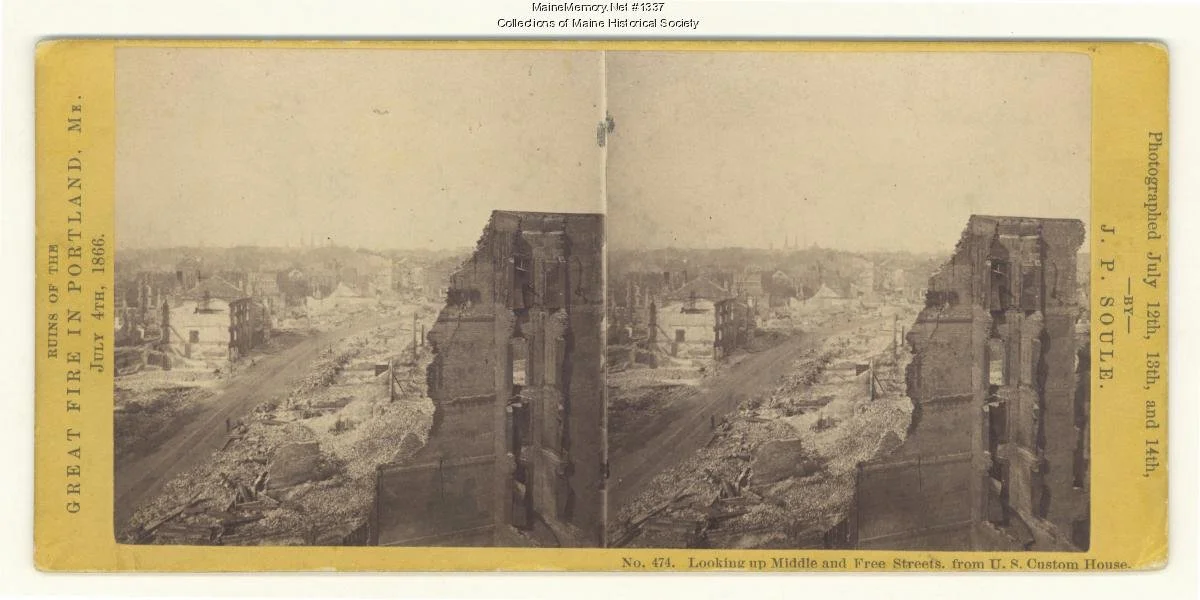
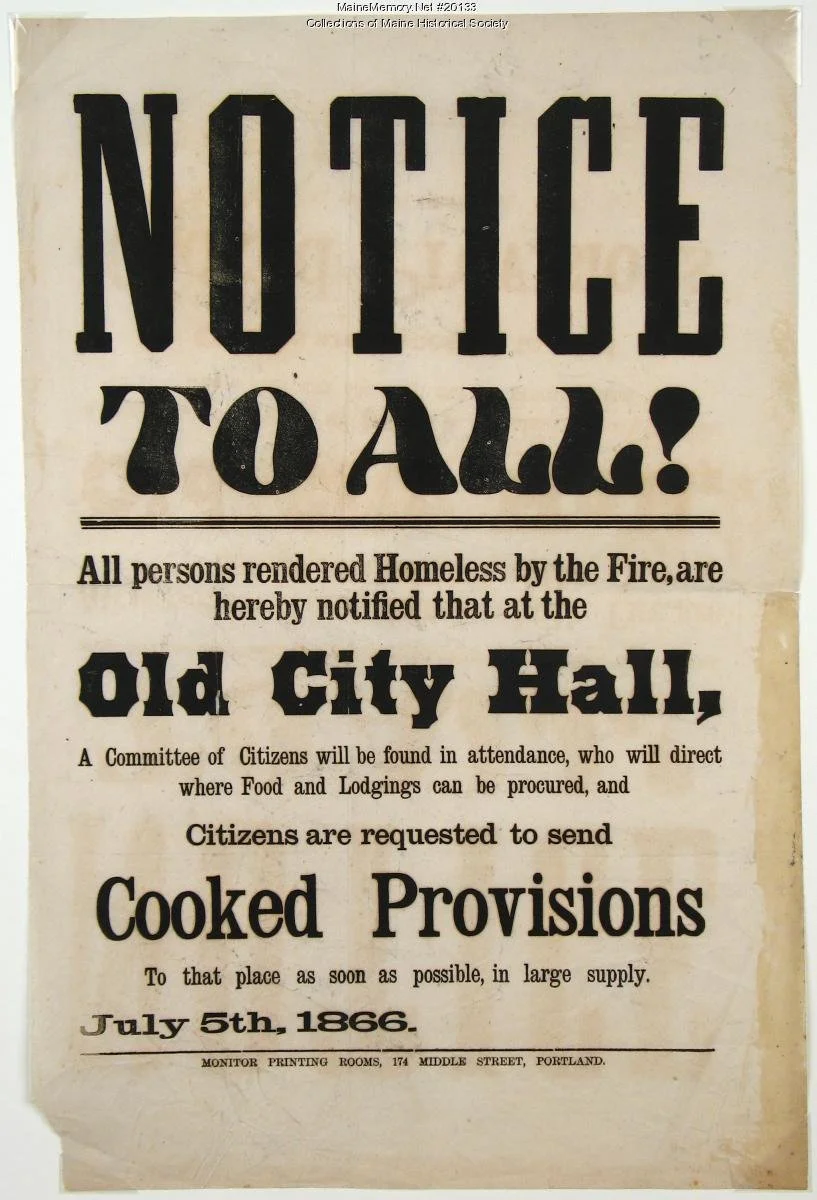
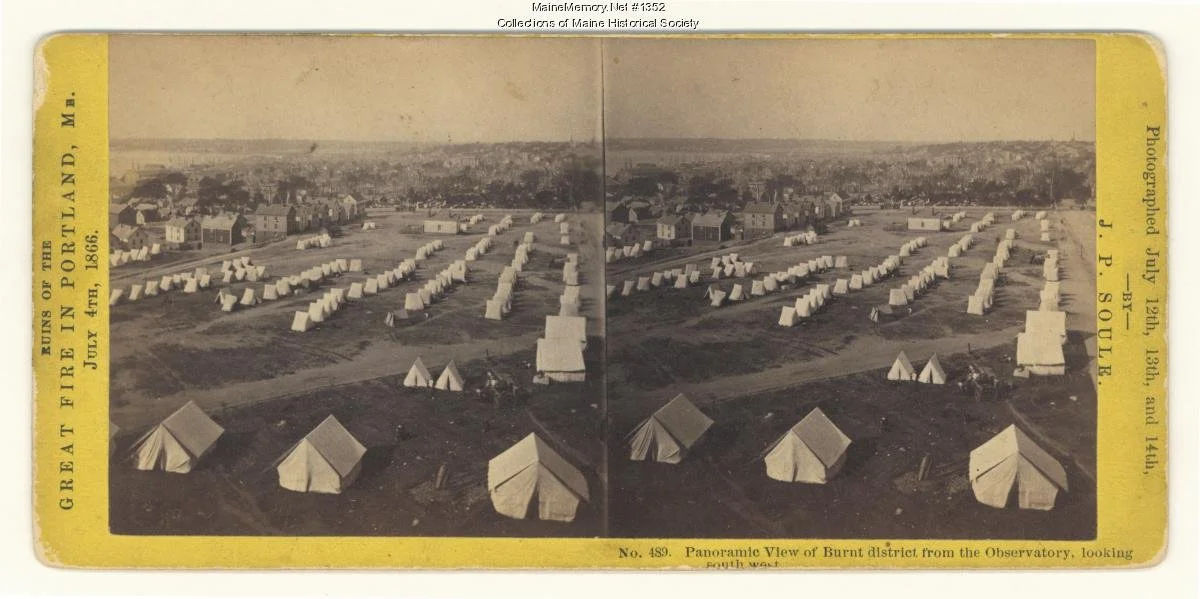
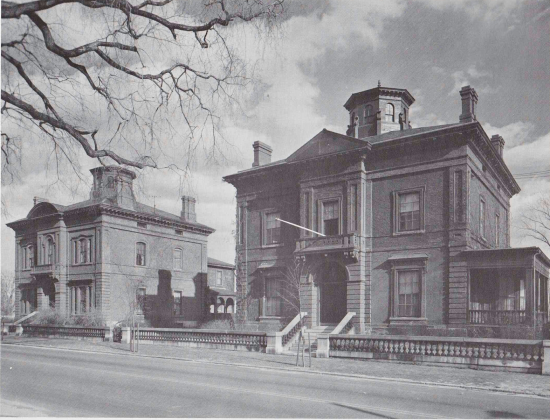
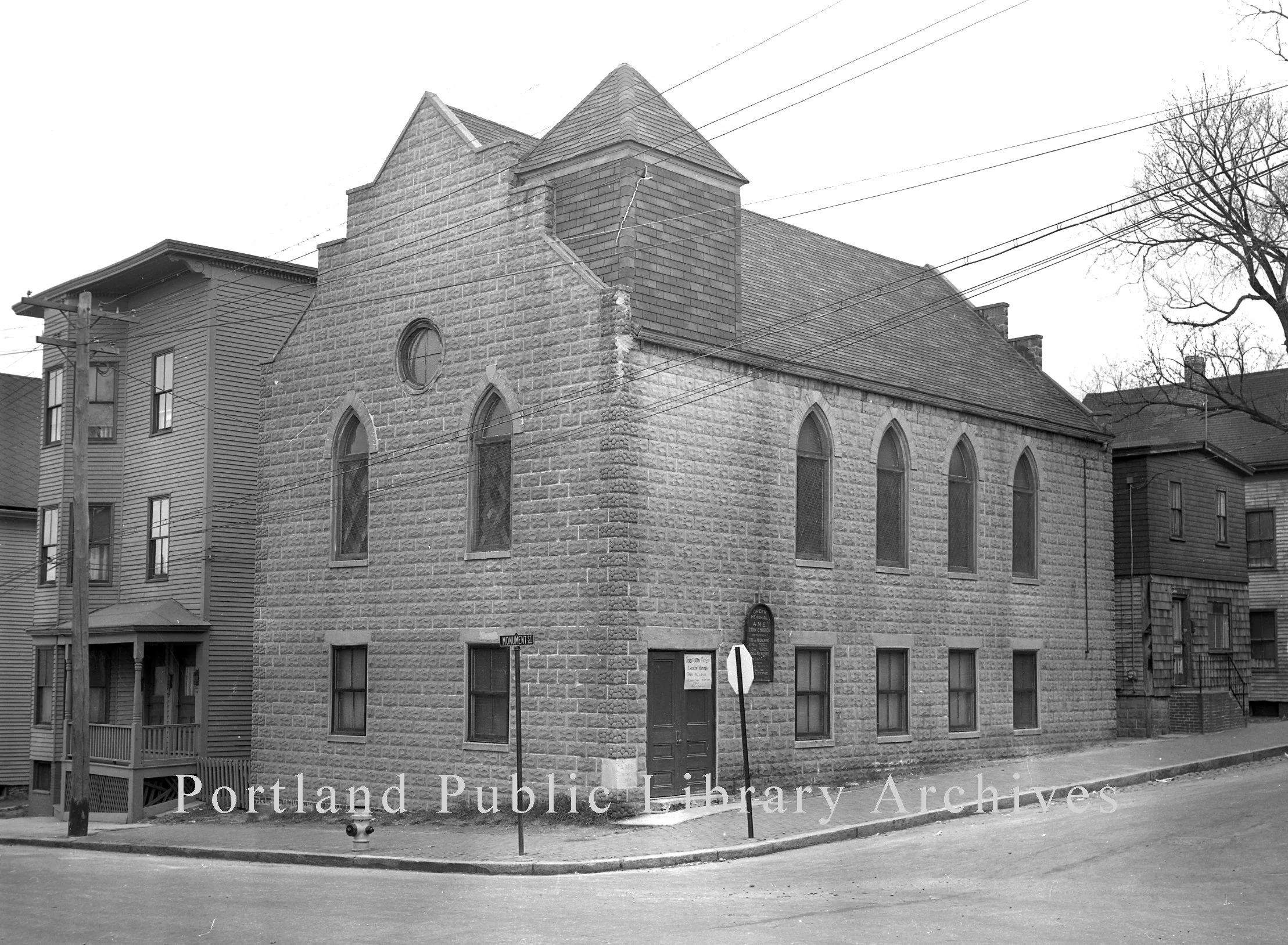
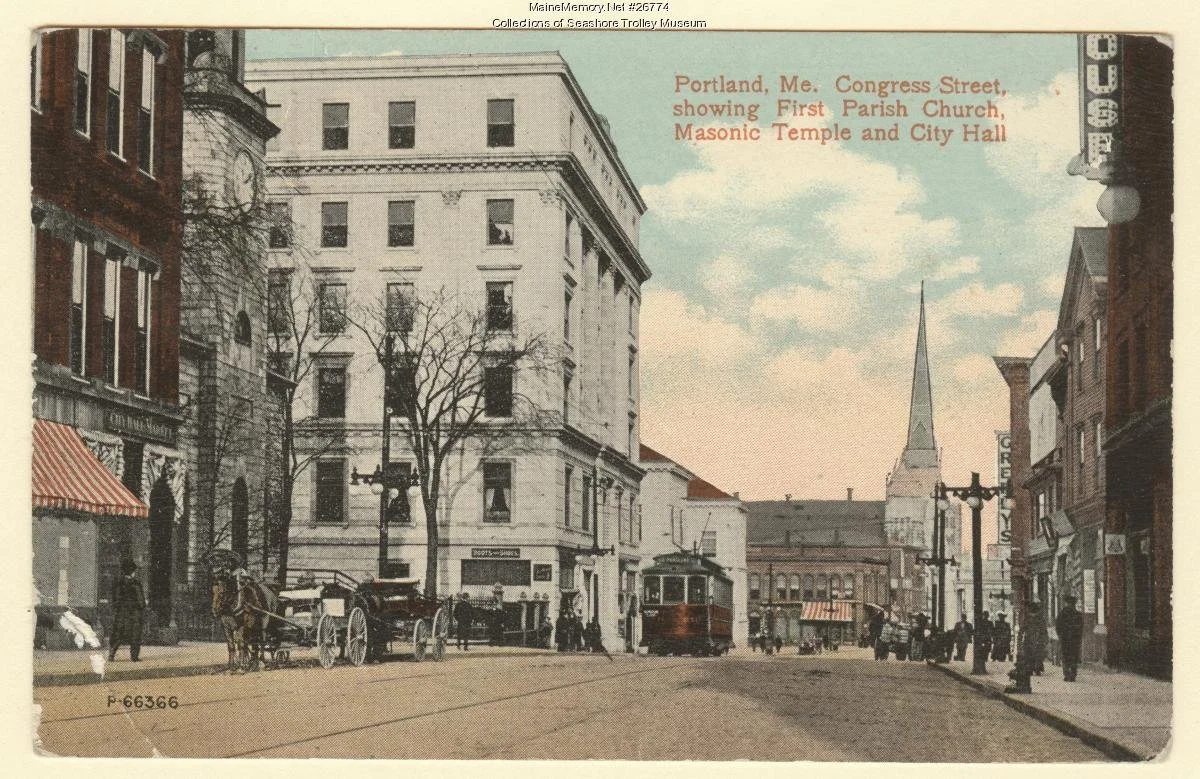
The actual fire, now 160 years in our past, singlehandedly altered the face of our city. 1800 buildings were destroyed. 10,000 people were displaced from their homes, forced to live in government supplied tents. The aftermath is one we recognize to this day, a city rebuilt in Victorian style using predominately fire-proof materials such as granite and brick. Even our city planning still shows signs, such as Franklin Park (once known as Phoenix Park), placed as a perfect water break between a commercial center and residential spaces. Eager to learn more about the Great Fire? Watch Herb Adam’s talk from July 2026 here.
In collaboration with ChoralArt and in celebration of the success of FIRE!, the Portland Symphony Orchestra commissioned an expanded orchestration of FIRE! for its opening concert, “Resurgam”, taking place on Sunday, September 27 and Tuesday, September 29 at the Merrill Auditorium. This updated version will include the full orchestra and over 150 singers, including ChoralArt Masterworks, the PSO Children’s Chorus, the Scarborough High School Chamber Singers, and Greely High School Honor Choirs. Tickets are available now, so don’t delay your purchase and read on to learn how Travis came to create this amazing work.
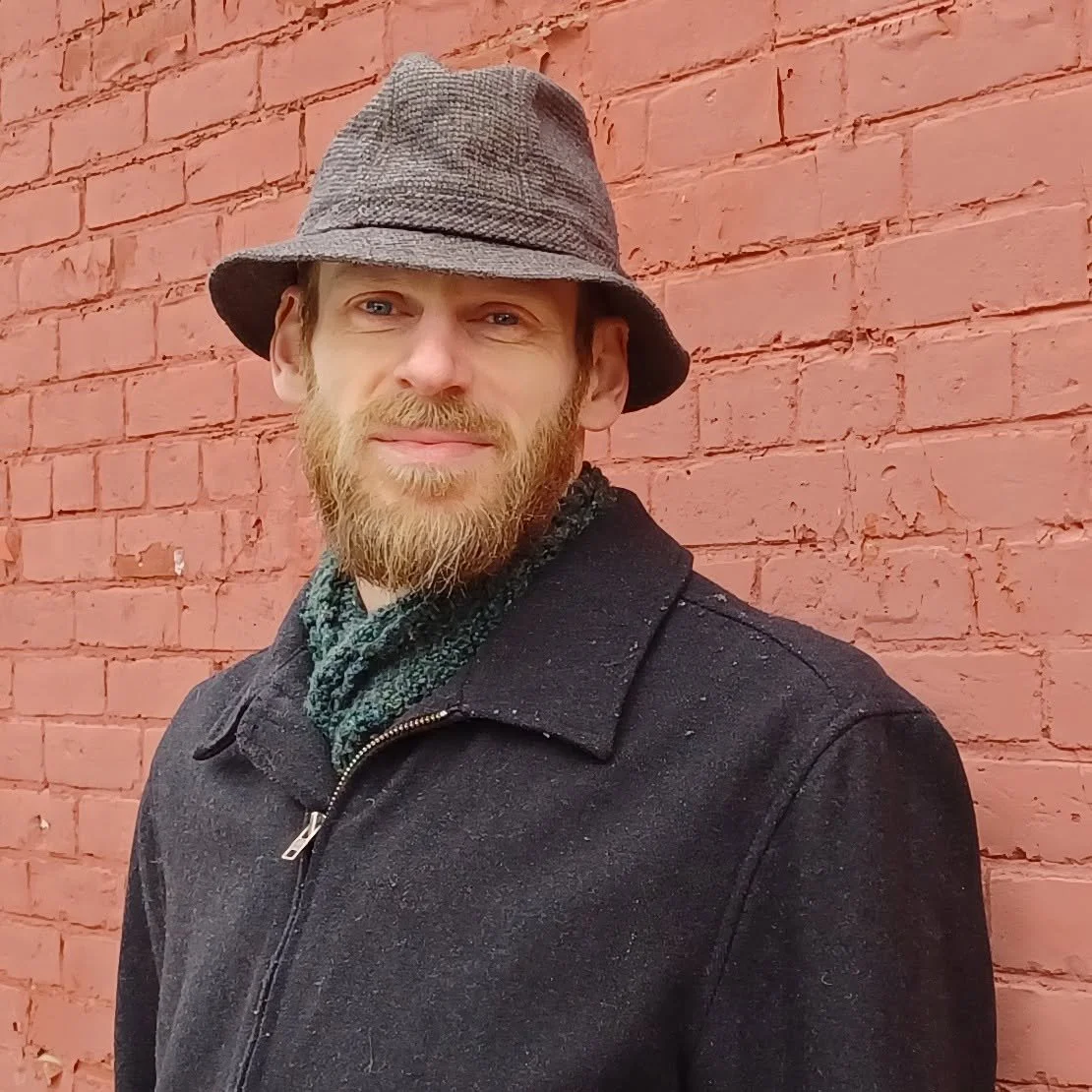
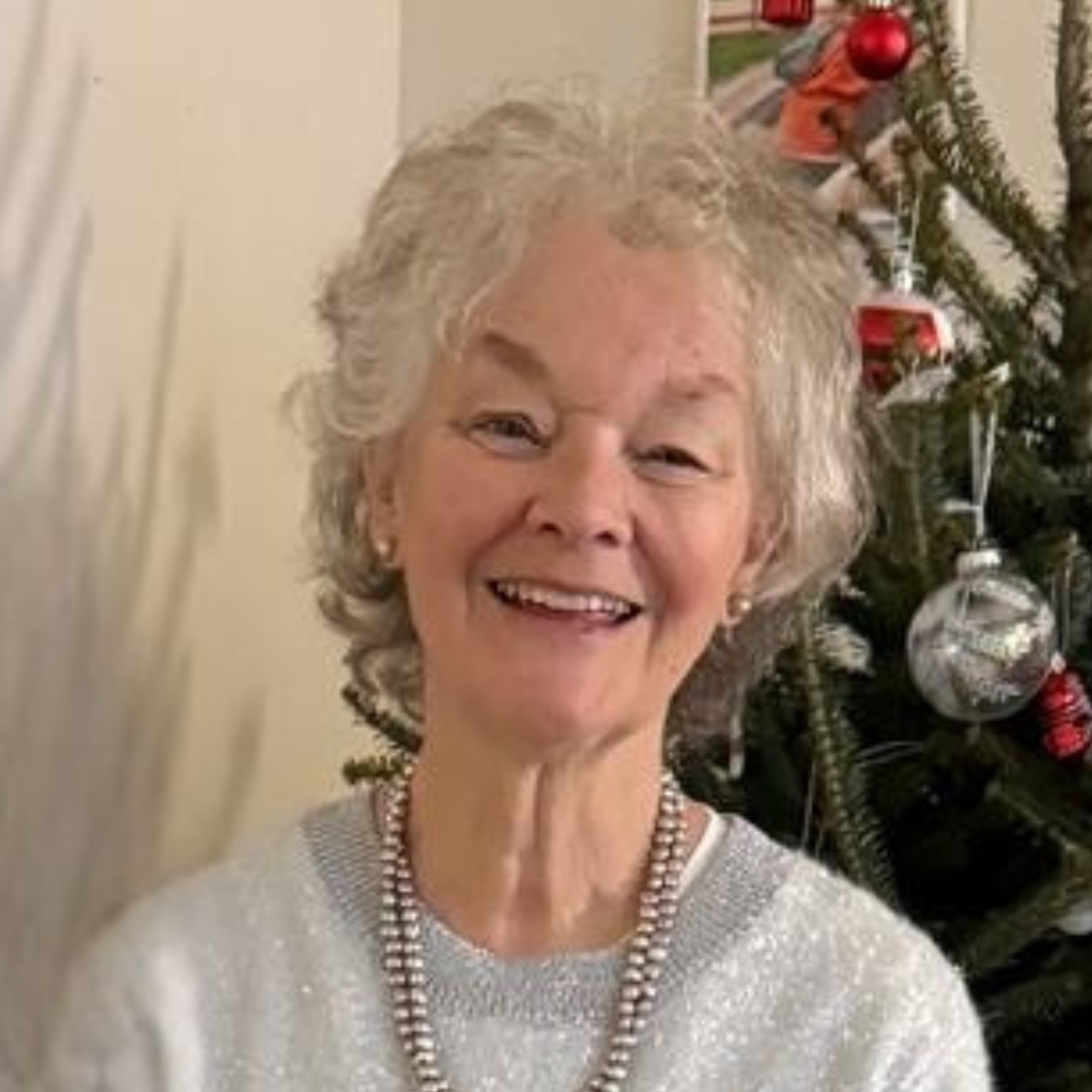
FIRE! Composer Travis M. Ramsey
GPL - What inspired you to take on such an important event in Portland’s history?
Travis - Dr. Bob (Bob Russell, ChoralArt Music Director) told me that they wanted me to write something big. I spent a few days agonizing over it and one day my wife handed me her phone with The Portland Press Herald's "The Night Portland Burned" page loaded. That was the spark. Everything was there: poems, letters, photographs, newspaper stories and it felt like the piece was writing itself in my mind as I read through it all.
GPL - Were you aware of the full impact of the Great Fire of 1866 before you decided/were asked to compose the original piece for ChoralArt?
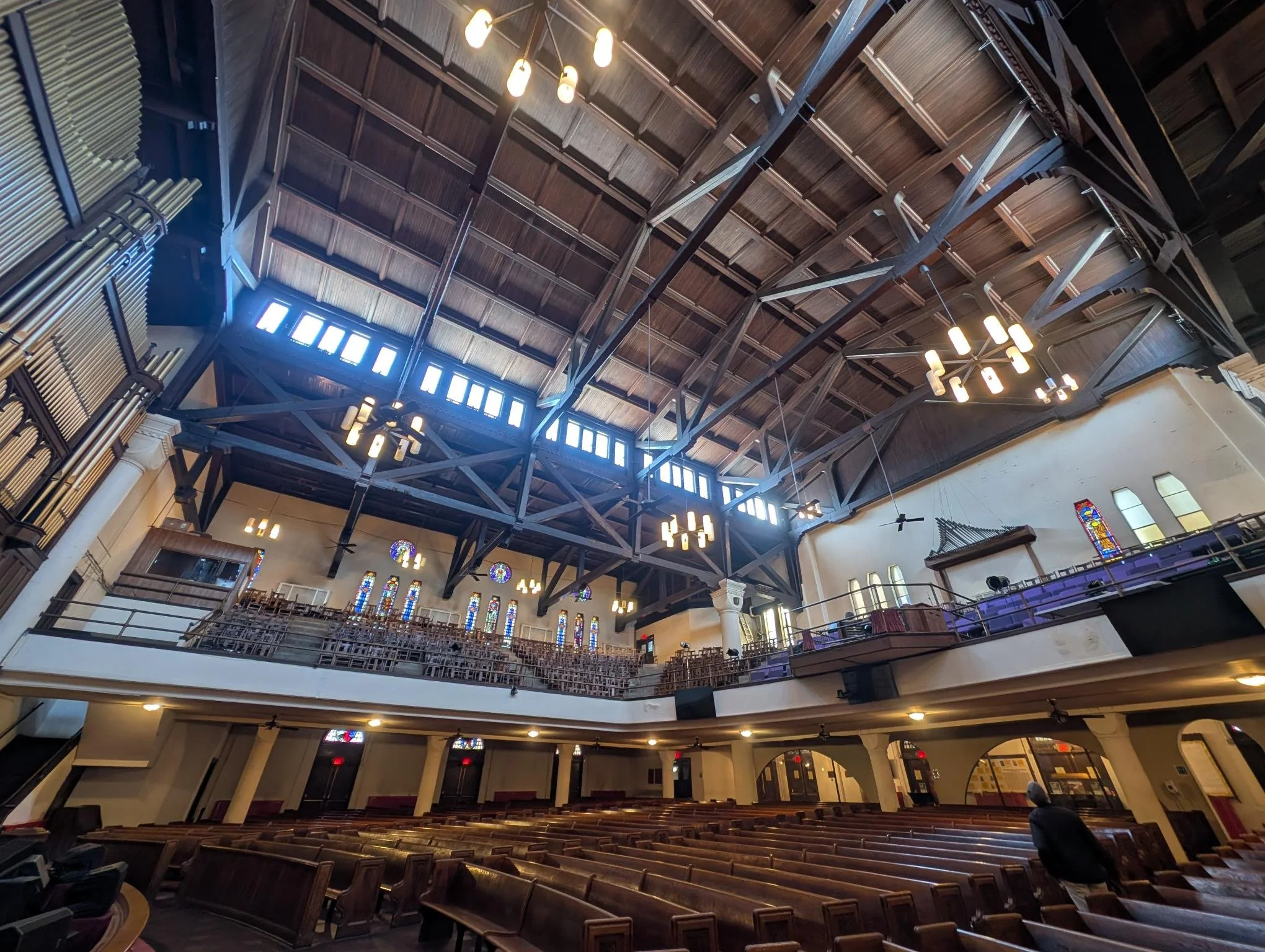
Travis - Truthfully, I had no idea. My undergrad studies were at USM and I spent a little time in Portland but didn't know anything about its history. I do remember vividly that Dr. Bob would have the USM Chorale perform its concerts in all these magnificent churches and remember wondering why there were so many of them. It wasn't until diving into the history that I learned why they were built. A few of them are even built with reclaimed bricks and stone, if I recall correctly. But I was unaware of the whole concept of the phoenix and Resurgam.
GPL - As a composer, can you pinpoint or name the feeling you have when realizing your piece potentially introduces this important local historic event to a generation that is typically less interested in history? Especially since the local high school and youth choirs are an integral component to the symphony piece?
Travis - I've always liked history personally. When I was younger I couldn't read enough about WWII; later on I got into Civil War history. I know it's not for everyone, but there's always something new to learn, some new connection you can make. I think it gives us a greater sense of perspective. I hope it inspires at least a few of them to dive into a historical event that truly interests them, whatever it may be. And if that happens because of hearing FIRE! I'd certainly feel proud of that.
GPL - What impact do you hope for the audience when listening to the piece, either the original choral version or the new expanded symphony piece?
Travis - I want them to go on a journey. On the surface, they will journey from a joyous Independence Day celebration (just a year after the surrender at Appomattox ended the Civil War) to a sudden alarm and terror. They'll witness the fire grow and consume everything they had built: homes, churches, shops, schools. The wells run dry and the firefighters have expended every last effort, but there was nothing more they could do. The conflagration takes on a life of its own. The climax is apocalyptic. At the premiere [ChoralArt, April 2025] Dr. Bob gave the audience a solid 30 seconds to catch their breath after the first movement. The second movement is somber and surreal; the audience will journey through the city and feel the deep sense of loss. In the third movement, letters begin pouring in pledging support. A boy collected lunch money from his friends; a little girl gave up the dollar she earned shoveling sidewalks that past winter. They will hear from the Quartermaster General of the U.S. Army, sending tents and clothes and pots and pans, and from a woman donating the remainder of the funds from a soldier's aid society. The audience will feel hope, love, and support. And then in the last movement, the journey concludes. The city is being rebuilt and the people of Portland celebrate with hymns and rejoicing at the resilience of the human spirit.