

Local:
Your Voice, Your Choice. VOTE: It’s time to make your voice heard! Please make a plan to vote if you haven’t already. Portland residents, we heard from all nine of the candidates for City Council in response to our survey about historic preservation issues. Read through their responses HERE to help inform your vote.
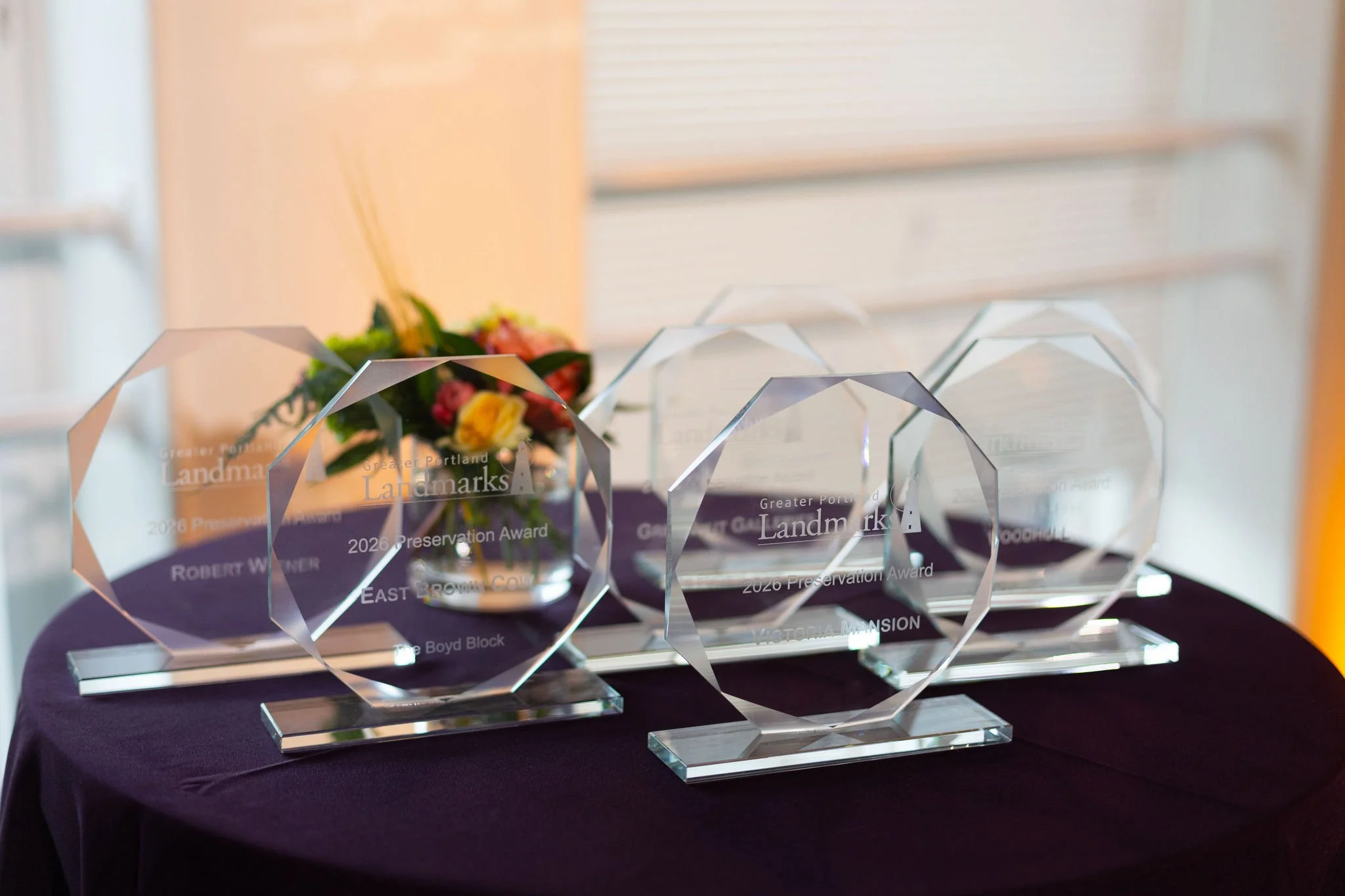
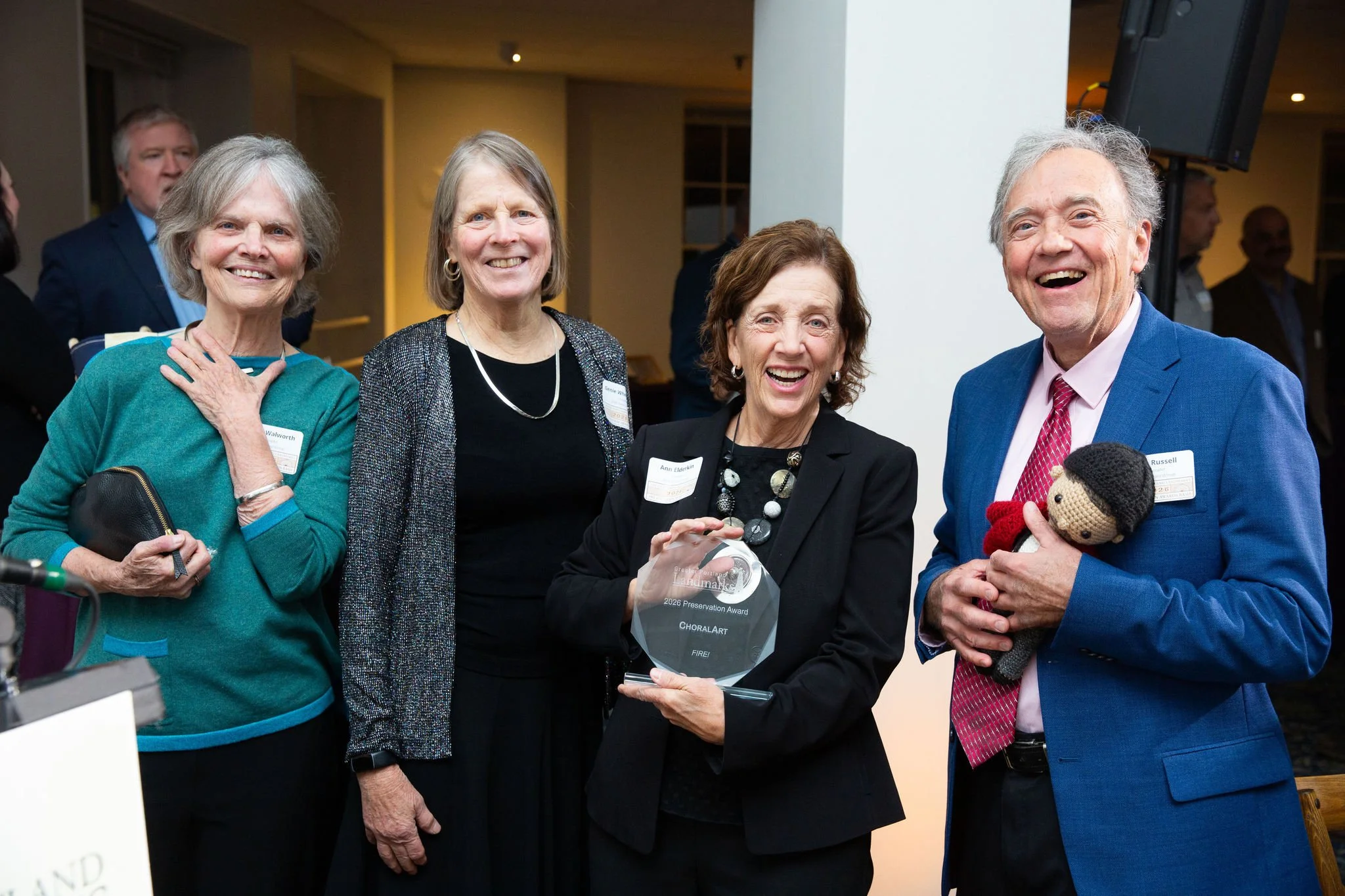
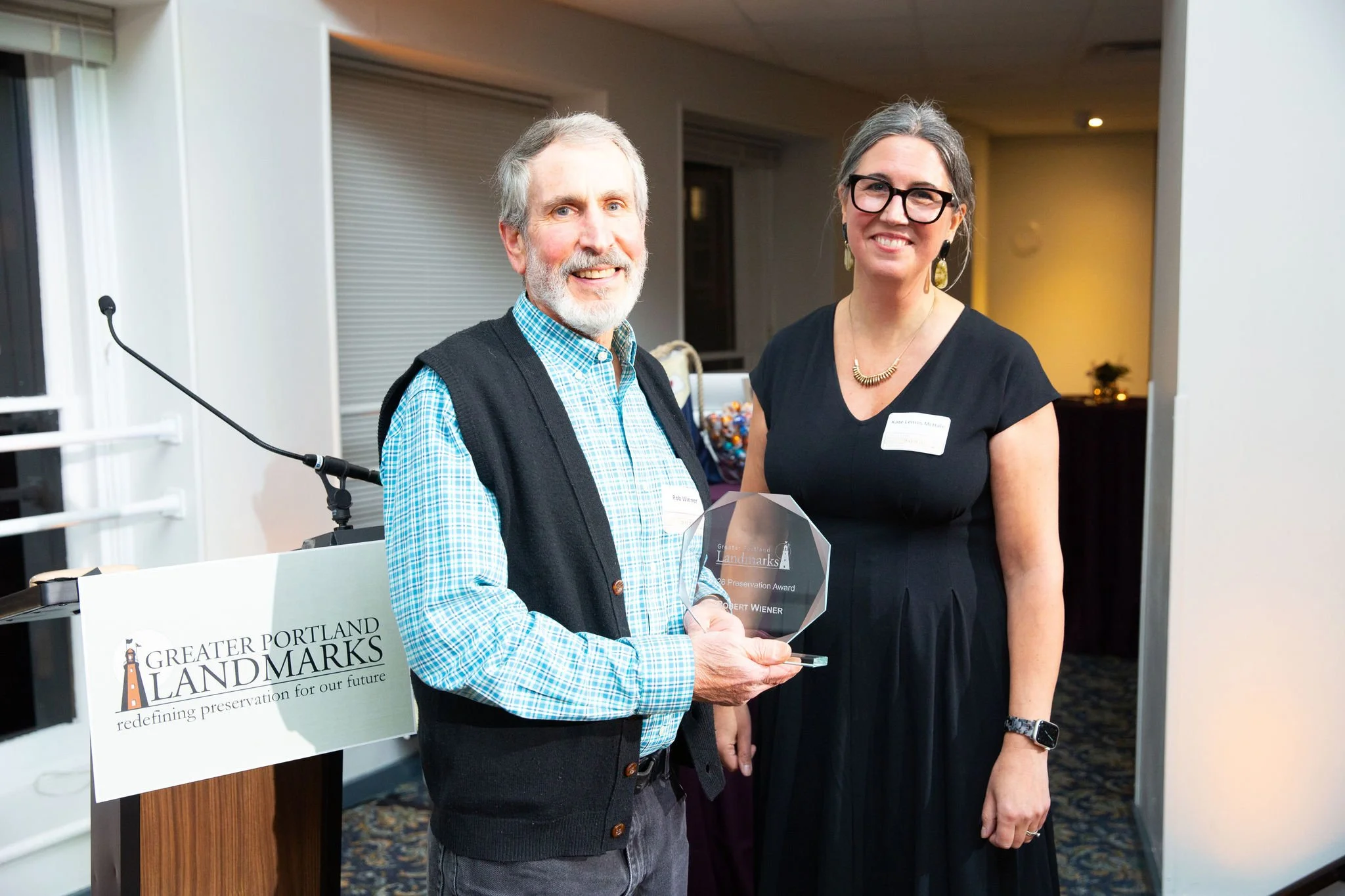
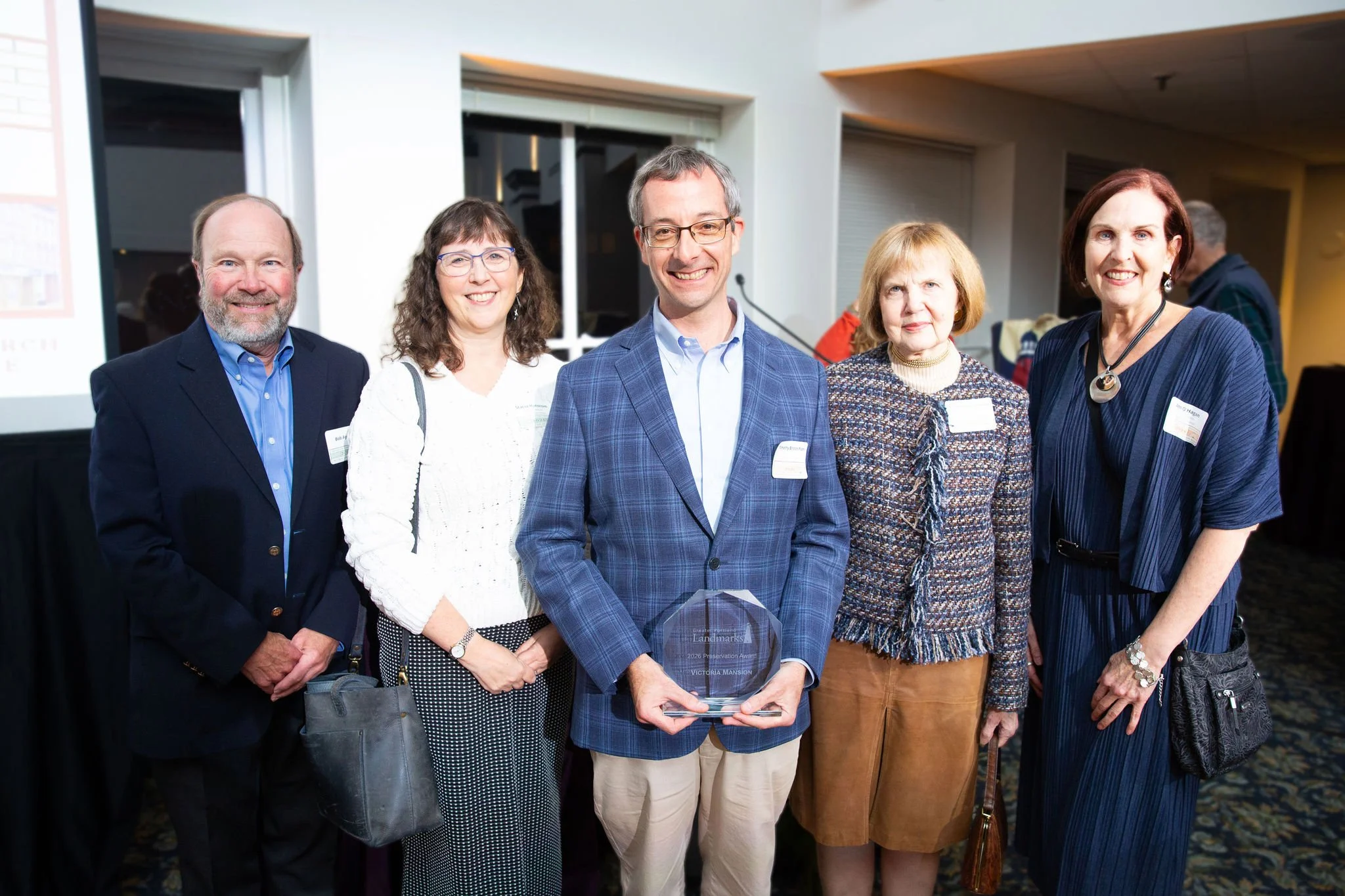
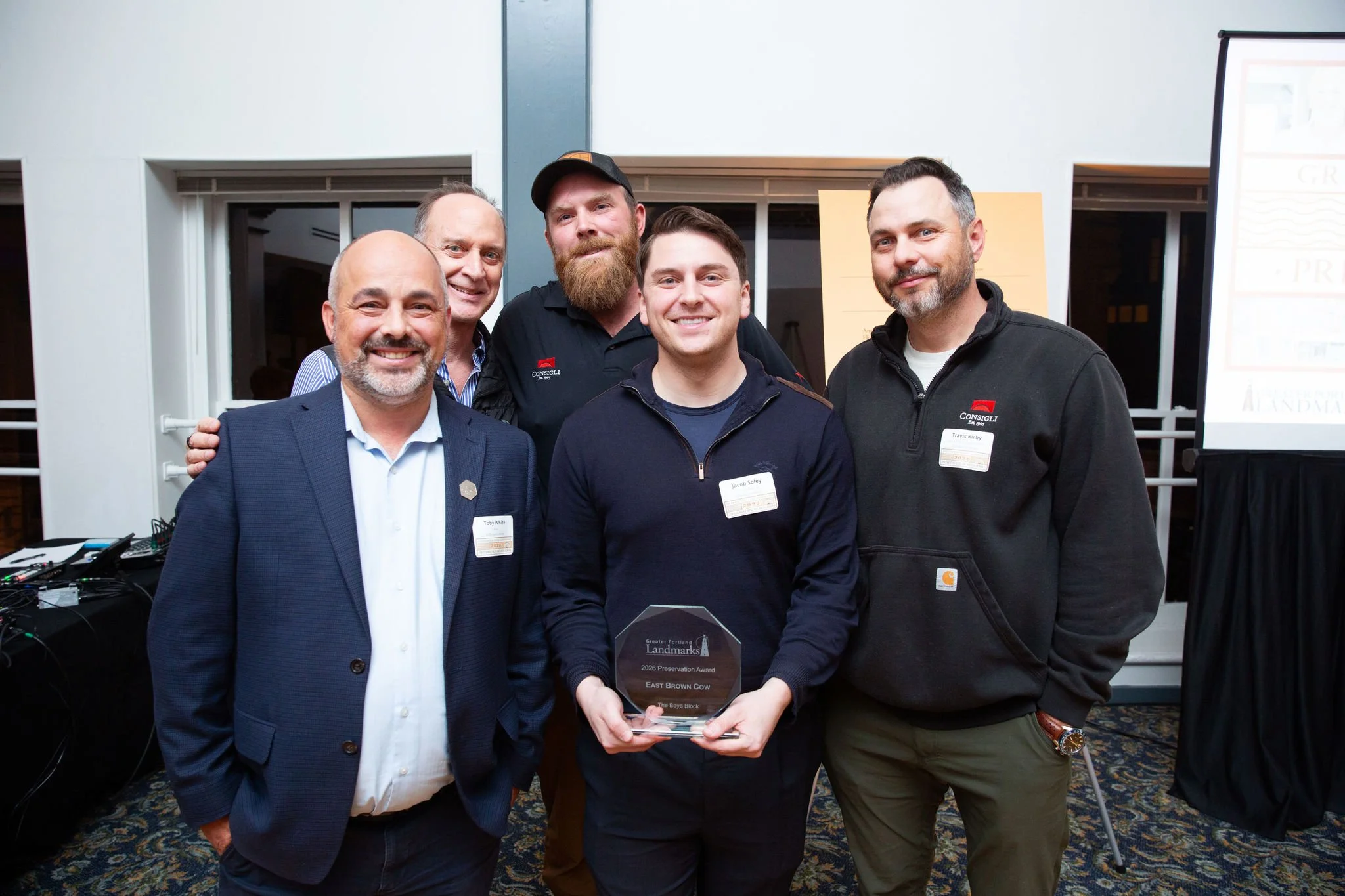
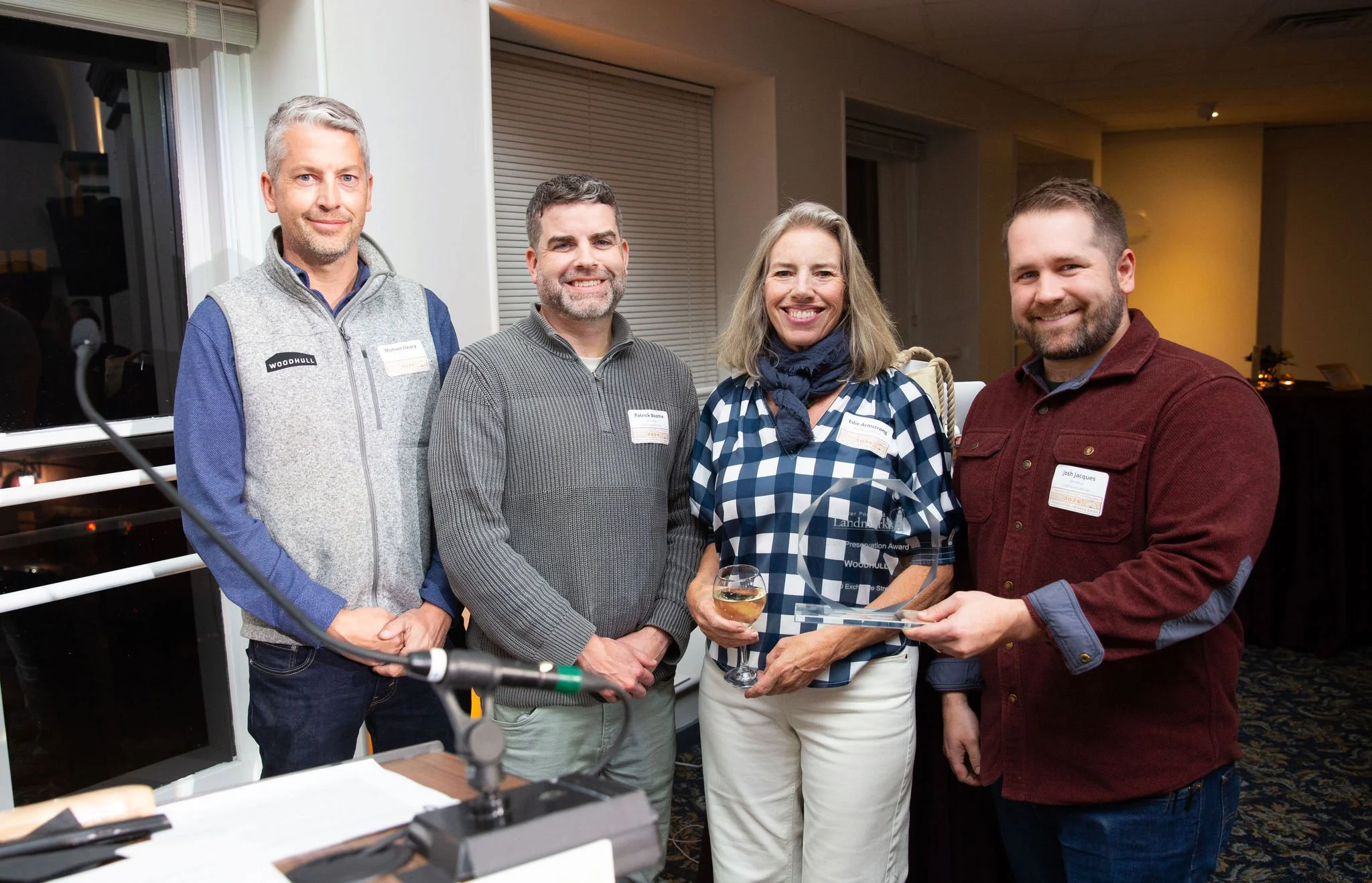
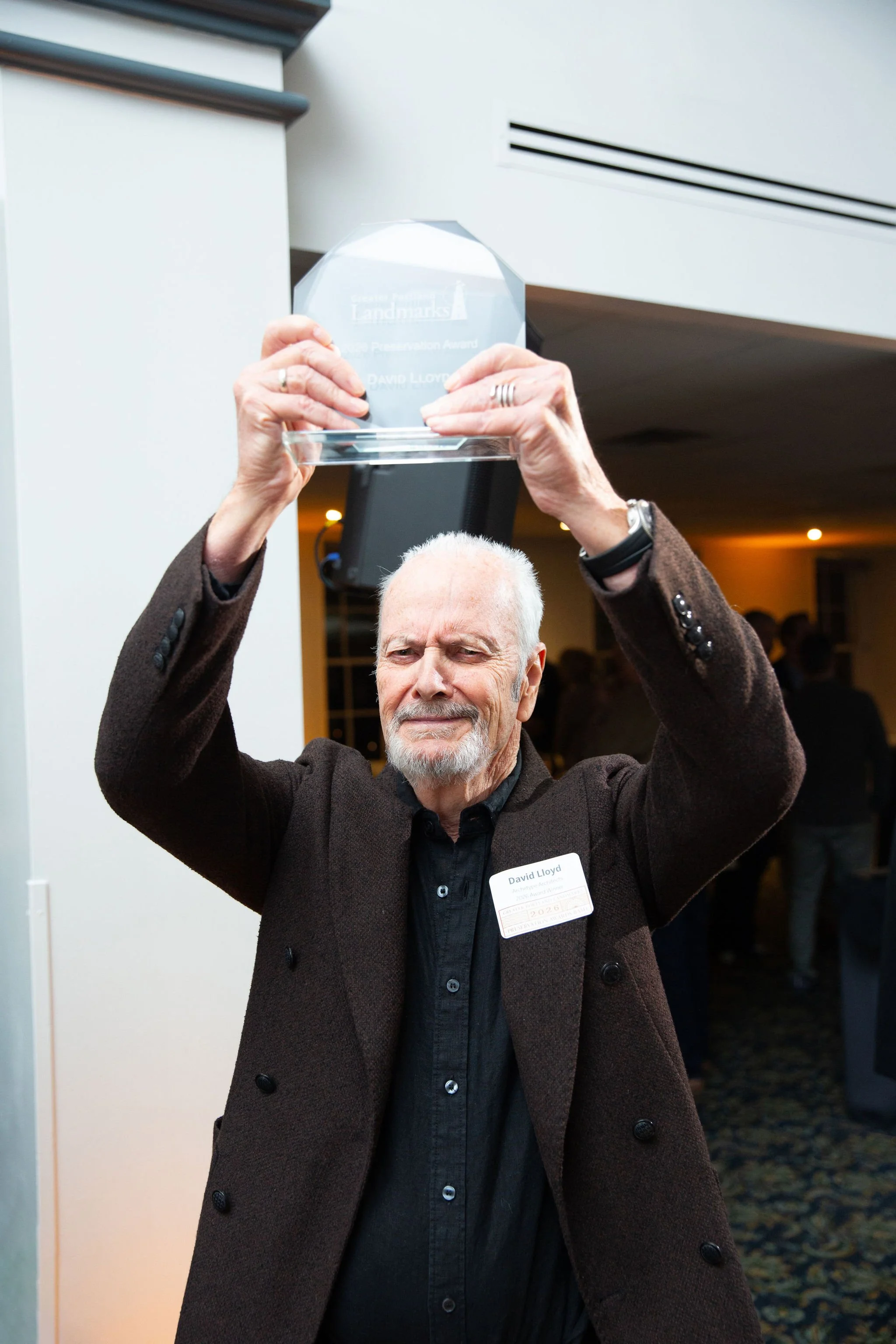
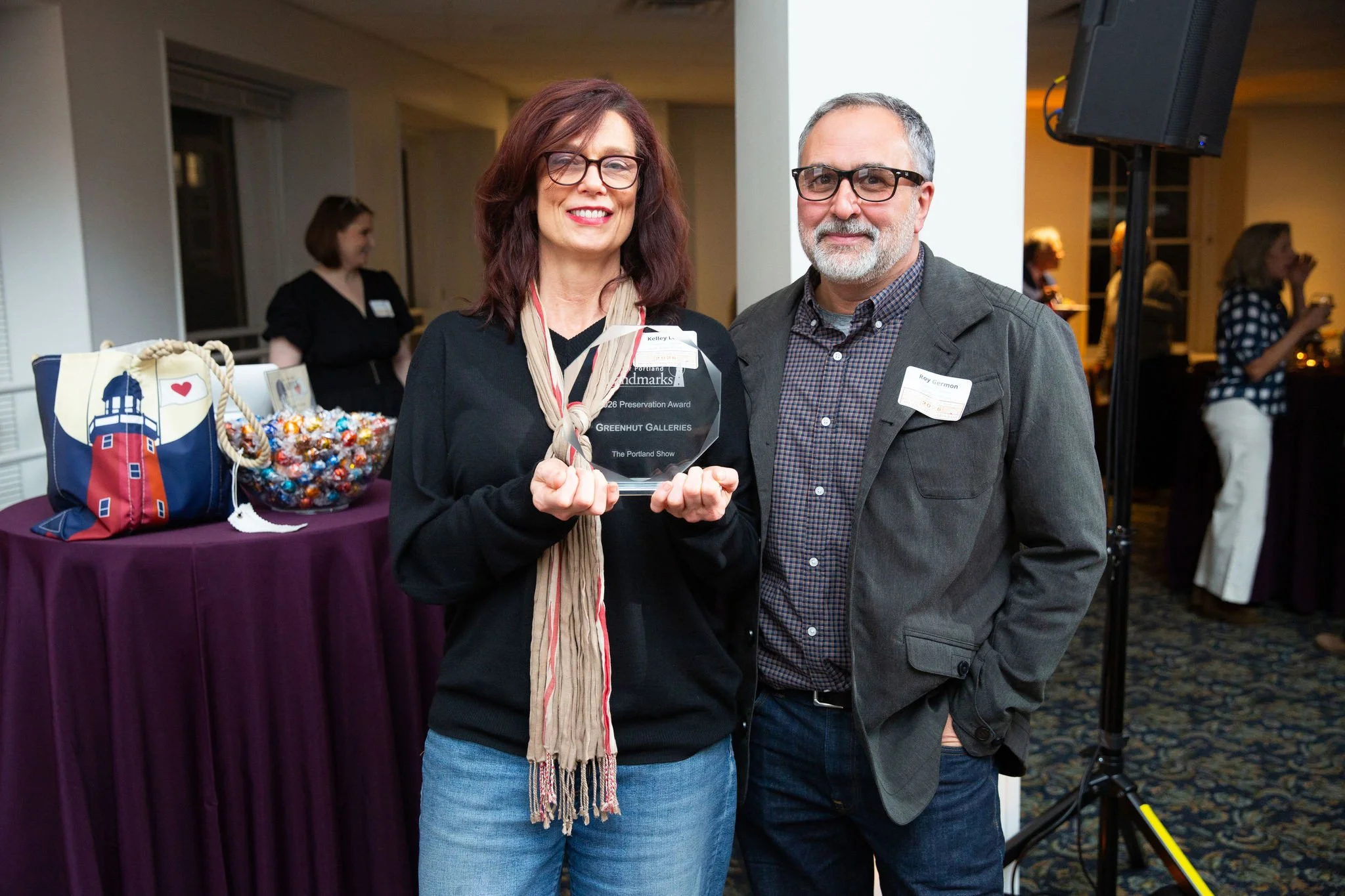
Celebrating Preservation Excellence: On the evening of October 27th the preservation community in Portland gathered to celebrate seven outstanding honorees at our 2026 Preservation Awards Bash. We debuted videos highlighting each winner, had wonderful conversations, and enjoyed food, drink, and great live music. We want to send a heartfelt thank you to our supporters, Business Partners, Host Committee members, Board of Trustees and Advisory Council, and everyone who came out on a beautiful autumn evening to celebrate. Keep your favorite preservation project, artist, craftsman, event, or program in mind for our 2027 Call for Nominations early next spring!
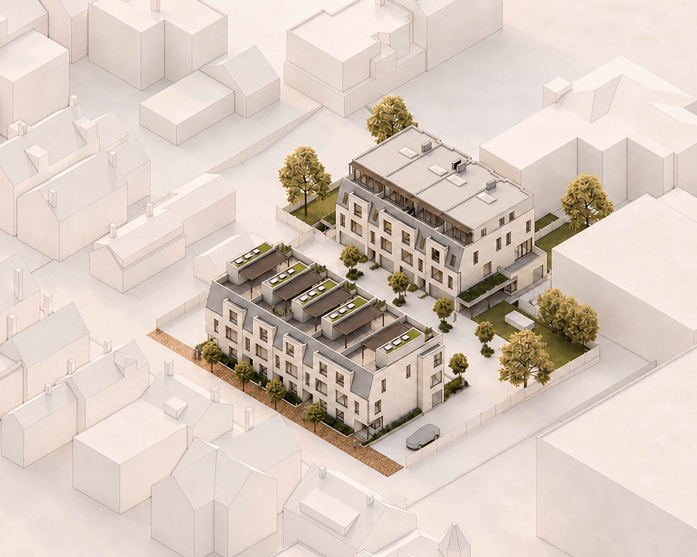
105 Winter Street Proposal
101-105 Winter Street: GPL submitted comments to Portland’s Historic Preservation Board for a Workshop regarding the proposed new construction at 101-15 Winter Street in the West End Historic District. We noted our support for new housing and infill development as well as many of the design elements. We questioned the large windows, which seem more consistent with newer buildings in the district than their contributing historic neighbors. We are also concerned about the loss of three heritage trees on the site.
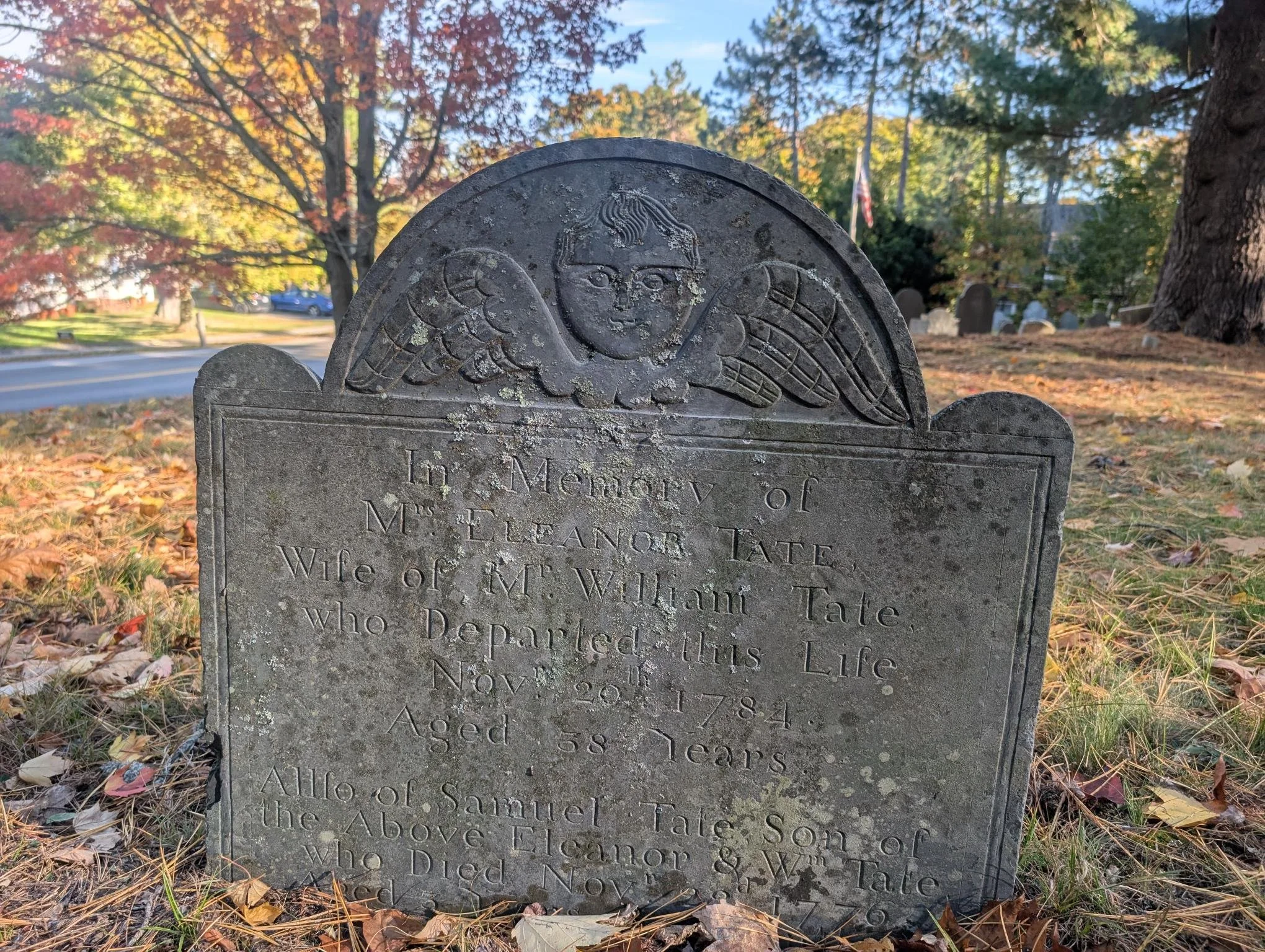
Stroudwater Burying Ground: GPL is partnering with local advocates to form a Friends group in support of the historic Stroudwater Burying Ground. Established in 1727, with the earliest legible headstone dated to 1739, the Stroudwater Burying Ground contains hundreds of graves and serves as the final resting place for Revolutionary officers, members of the Tate family, and many of Portland’s colonial and notable residents. As the burying ground approaches its 300th year in 2027, we are excited to bring local advocates, historians, and dedicated citizens together to support the maintenance, documentation, interpretation, and preservation of the site. If you’re interested in learning more, please email Alison Frazee – afrazee@portlandlandmarks.org
State:
Conversation with Senator King: GPL Executive Director Kate Lemos McHale and Director of Advocacy Alison Frazee joined staff from Maine Preservation, the Maine Historic Preservation Commission, Maine Downtown Center, and the National Trust for Historic Preservation for a productive conversation with Senator Angus King to explain our concerns with the proposed federal permitting reform bill, which will virtually eliminate public input and protections for historic resources in federally funded projects nationwide. The Senator was very engaged and asked thoughtful questions, and we are following up to provide more specific information and data at his request.
Want to join the fight? It is crucial that our elected officials hear from you before November 9th- learn more here, use this easy form to share your concerns, and find a sample script for calling the offices of Senators King and Collins, and Representative Golden. Call Representative Pingree to thank her for her vocal support on this issue!
National:
Keeping History Above Water: GPL’s Director of Advocacy Alison Frazee recently attended a symposium in Newport, RI called Keeping History Above Water hosted by the Newport Restoration Foundation. The annual event brings interdisciplinary professionals together for presentations, tours, and workshops focused on protecting historic and cultural resources from the increasing threats of flooding.
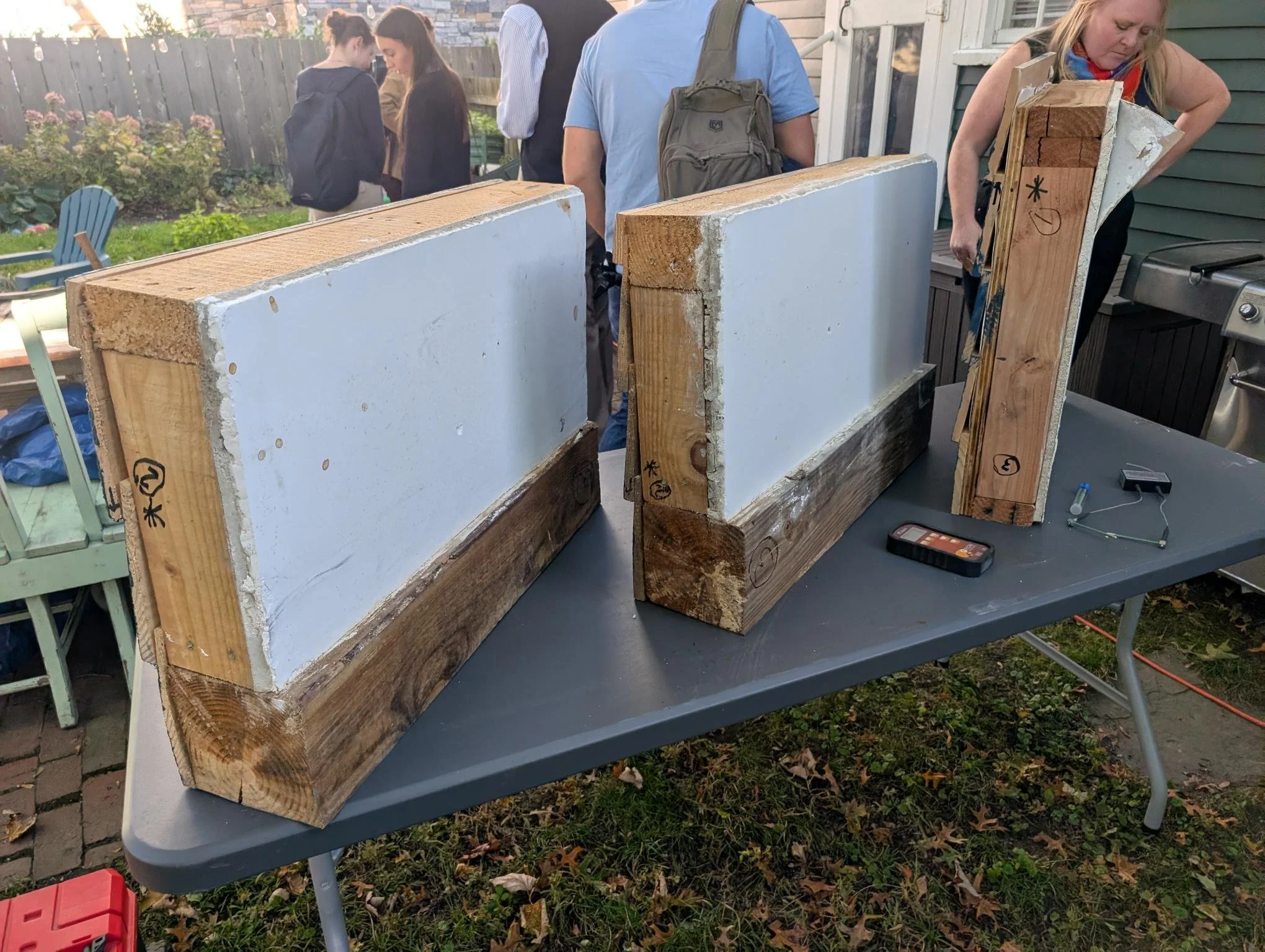
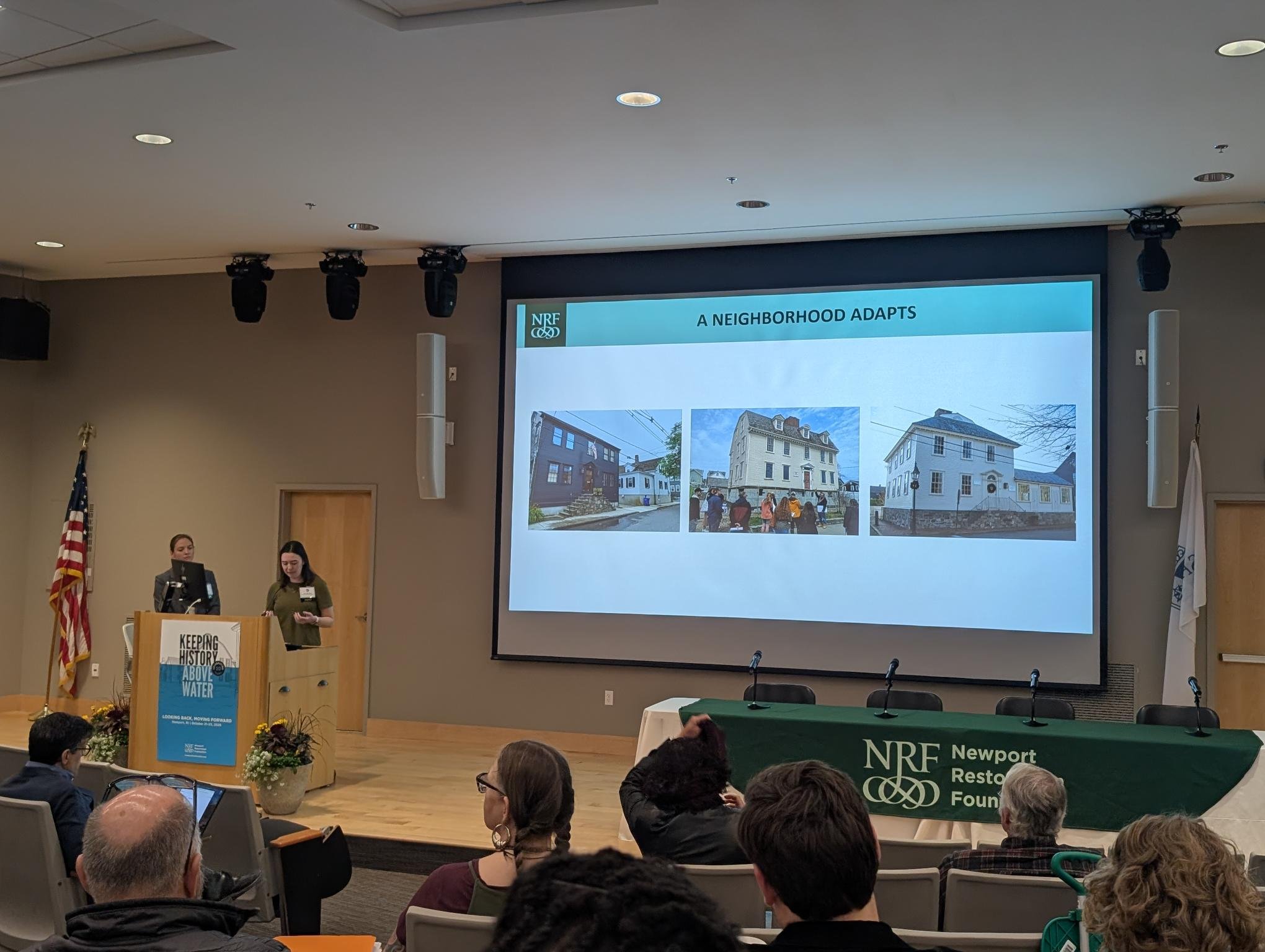
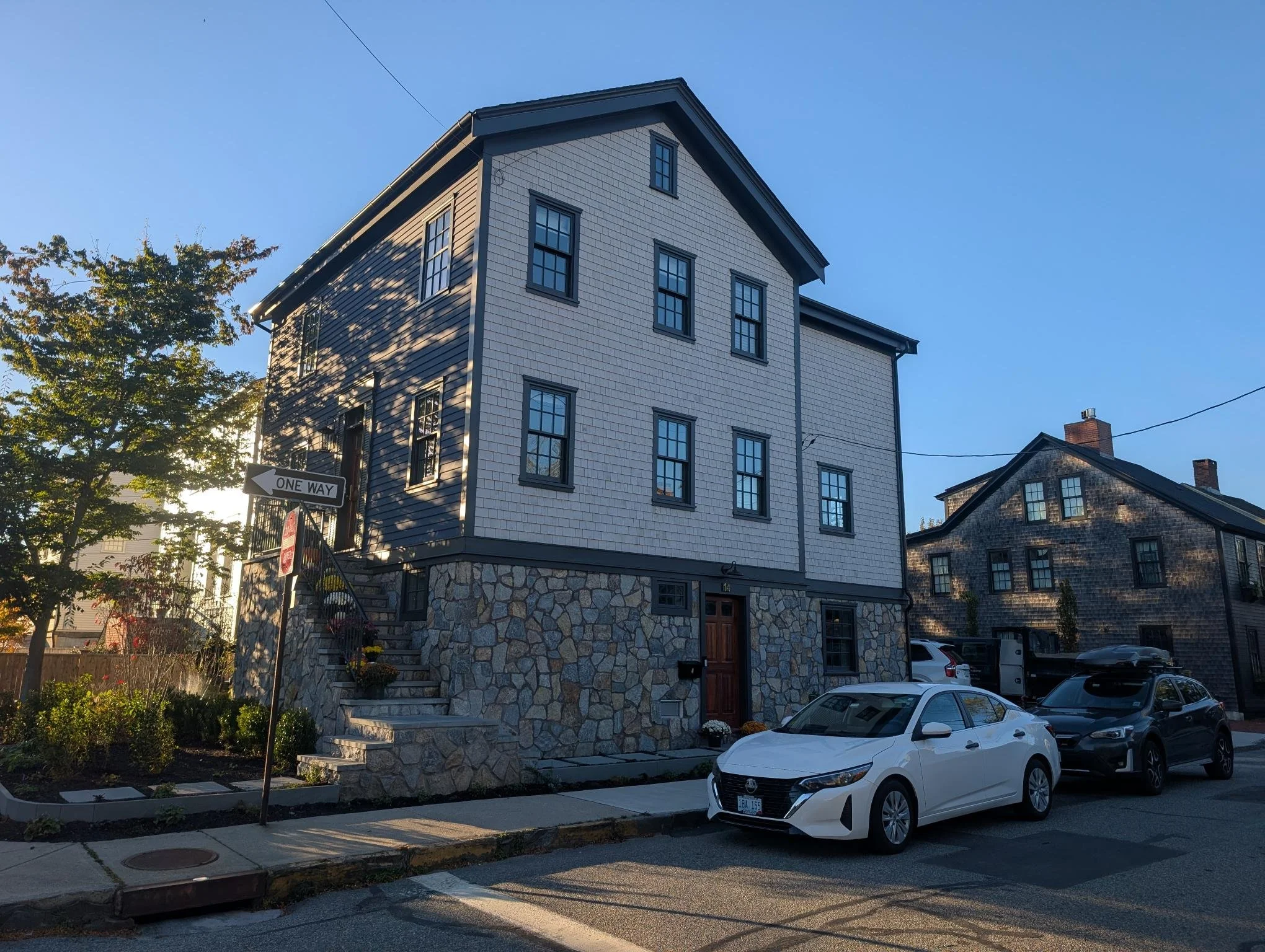
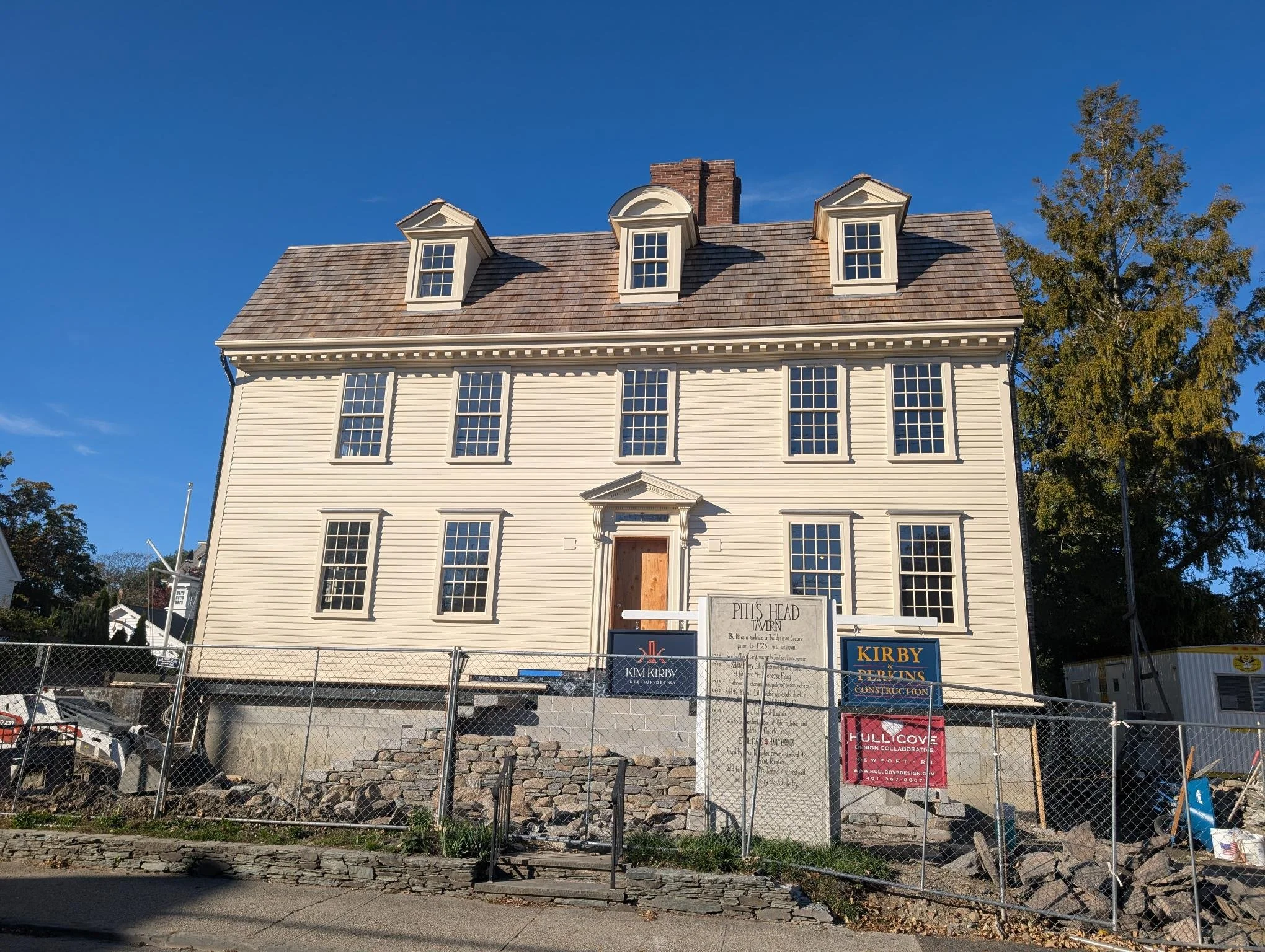
Alison learned about different approaches that other coastal cities, like Newport, are employing to protect places such as elevating historic buildings 12’ above sea level on new stone foundations. Presenters shared strategies for relocating buildings to higher ground when possible, and preparing for water when there is no option to prevent flooding. Researchers from Virginia have found that historic building assemblies of wooden siding and plaster walls, after flooding, dries within two or three days while modern assemblies of vinyl siding, insulation, and drywall, under the same controlled conditions, take two or three weeks to dry, leading to rot, mold, and deteriorated materials. Preservationists are using research, case studies, and pilot projects to plan for rising seas, riverine flooding, more damaging storm events, and increased sunny day flooding.
