

Local:
Portland City Council Candidate Survey: GPL sent a candidate survey to all ten of the Portland City Council candidates with general questions about historic preservation topics. We received eight responses which can be viewed in full on our website. As a 501(c)3 nonprofit, GPL does not endorse or promote political candidates, but we do share information to help inform voters. We encourage Portland voters to read the responses carefully, learn more about the candidates, and VOTE! Many thanks to the candidates for taking the time to thoughtfully respond to this survey.
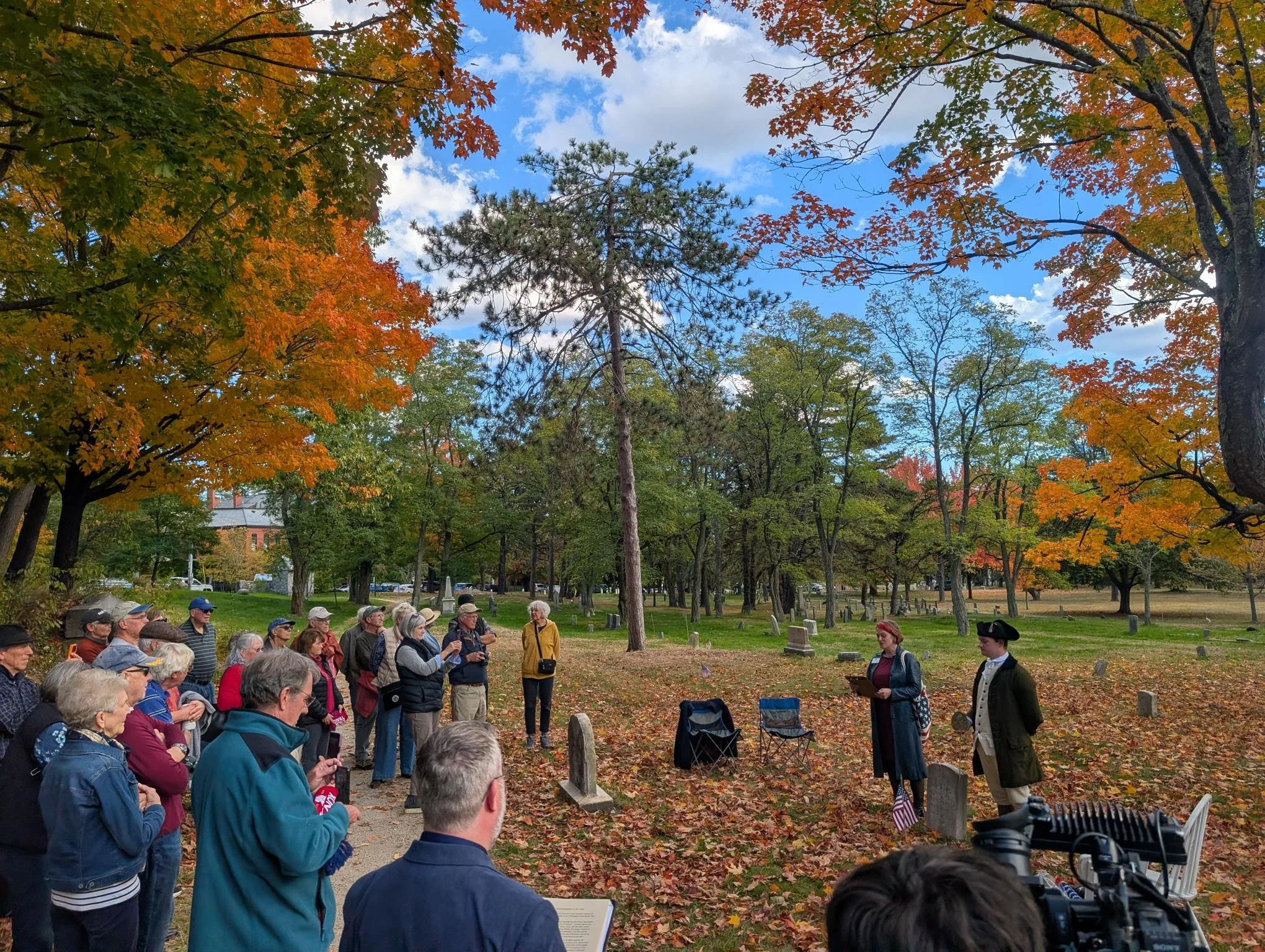
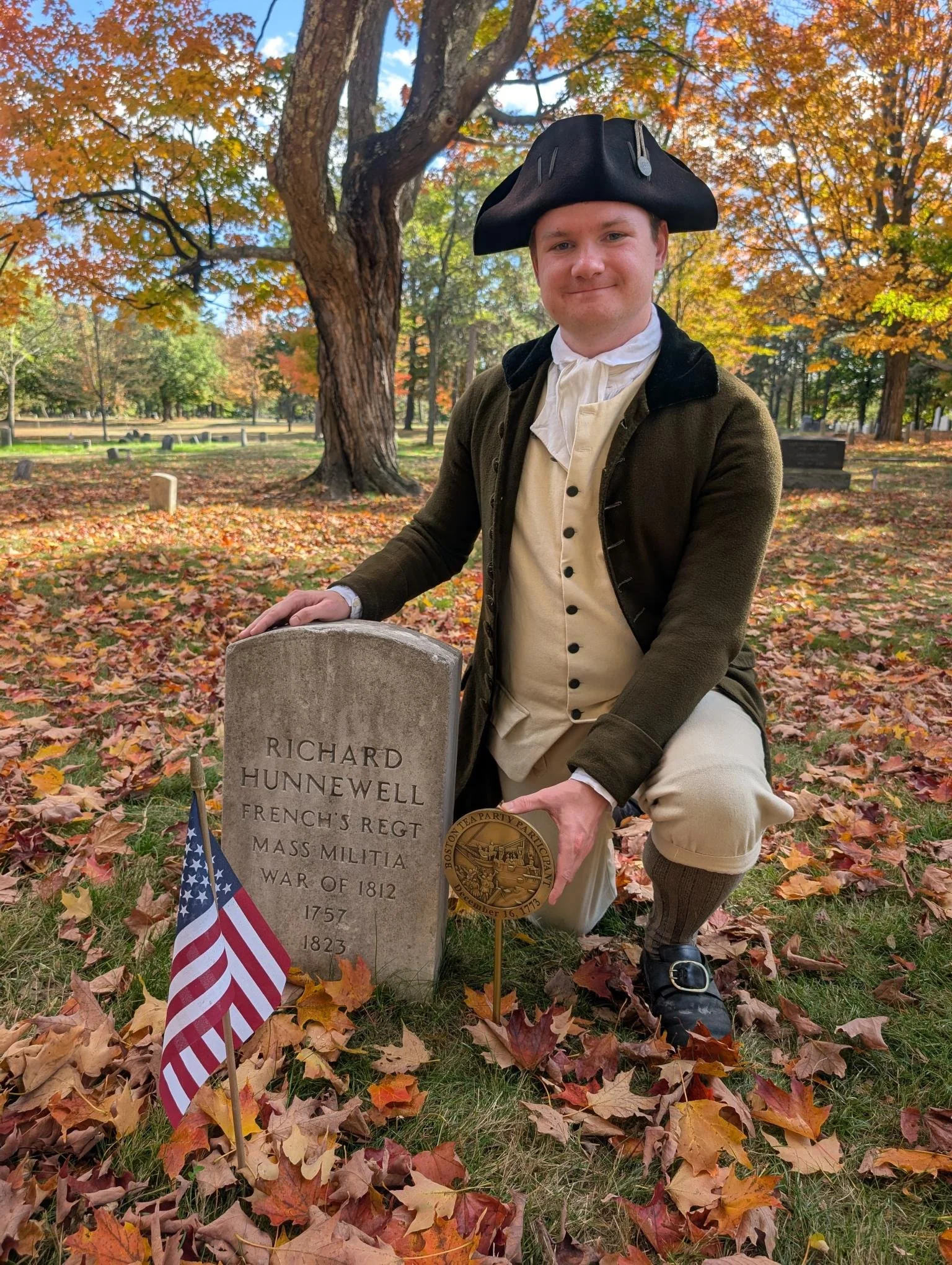
Tea Party Remembered in Western Cemetery: On Thursday, October 8 a ceremony was held in Western Cemetery to place a medal by the grave of Richard Hunnewell, Jr. who was a participant in the 1773 Boston Tea Party. Hunnewell was one of 11 men buried in Maine who participated in the Tea Party event and the only one from Portland. He was just a teenager during the dumping of the tea, but went on to become a Sheriff of Cumberland County and his former home is now the Portland Club. The event was organized by the Boston Tea Party Museum who has been researching and laying markers at all of 150 known Tea Party participants. Remarks were provided by several guests, including the Maine Historic Society.
National:
60th Anniversary of the National Historic Preservation Act: This week marks the 60th anniversary of the signing of the National Historic Preservation Act. This pivotal law established a national preservation program and a system of procedural protections for both the identification and protection of historic resources across the country. The NHPA was the most extensive preservation legislation ever enacted in the U.S. and has effectively protected countless historic sites that may have otherwise been destroyed or never discovered.
The impetus for the NHPA hits close to home. In the 1960s, Urban Renewal projects, like the Franklin Arterial in Portland, resulted in the rapid and unmitigated destruction of historic places and resources across the country. The NHPA was enacted in recognition that historic places were being lost or altered and that preservation was in the public’s interest.
The legislation authorized several critical tools for historic preservation, including:
Creation of the National Register of Historic Places - the official federal inventory of districts, sites, buildings, structures and objects significant on a national, State or local level in American history, architecture, archeology, engineering and culture.
Establishment of a review process, known as Section 106 because of its location in the original law, that requires federal agencies to consider the effects of federally licensed, assisted, regulated, or funded activities on historic properties listed or eligible for listing on the National Register.
A requirement for all federal agencies, in conjunction with the Secretary of the Interior, to establish their own historic preservation programs for the identification, evaluation, and protection of historic places.
Authority for a grant program, supported by the Historic Preservation Fund, to provide funds to states and individuals.
Establishment of the Advisory Council for Historic Preservation- an independent federal agency that advises on historic preservation matters, especially compliance with Section 106
As we reflect on the success of the NHPA and all of the tools and resources it has provided for historic preservation, we are joining forces with organizations nationwide in a fight to defend it. Here’s why:
Executive: President Trump has ignored preservation laws repeatedly to demolish historic resources in Washington D.C. and construct new structures without the required reviews, considerations, mitigation, and approvals. These actions set precedent and signal that preservation isn’t a priority, even for our most sacred national historic places.
Regulatory: The Advisory Council on Historic Preservation is now populated with Trump appointees and they have proposed revisions to Section 106 that gut the regulations and erode its ability to protect historic places. A vote on these revisions is expected in November.
Legislative: The Senate has proposed a permitting reform bill that virtually eliminates Section 106. Much of the language in this draft bill is nonsensical and undefined; it is purported that the writers of the bill couldn’t agree on definitions and plan to let future court cases determine how the new language should be interpreted. This is not a serious attempt to improve the permitting process but a quick and dirty blow to eliminate an established and effective rule of law.
It’s time to ACT
We need all Mainers (and all Americans!) engaged now.
Call Senator King and Senator Collins immediately. Urge them to oppose The Bipartisan American Affordability and Jobs Act and reject provisions that undermine historic preservation protections.
Click here for helpful scripts.
Mobilize your networks. Share this call to action with your friends and family. Encourage everyone you know to contact their senators (in Maine and elsewhere) by phone and email.
Amplify the message. Use social media, submit op-eds, and engage local leaders and organizations to make clear what is at stake for communities nationwide.
November 9 is a critical moment for the future of historic places in America. We cannot afford to wait. Every call, every message, and every advocate matters. Please act now and help ensure that Congress hears a strong, nationwide call to protect our historic places and the communities that depend on them.
Watch this video to learn more about what is at stake.
