

UPDATES

This is Historic: GPL’s Director of Advocacy, Alison Frazee, has been working with the National Preservation Partners Network, Preservation Action, and other national leaders to create a unifying slogan for individuals and organizations throughout the US to use in our advocacy and commemoration messaging. The slogan that was selected is “This is Historic” and launches tomorrow, May 1, 2026, with the beginning of Preservation Month. We’ll be sharing more, but please use “This is Historic” when you share history and preservation-related stories and social media posts, contact your elected officials, and engage on social media. We can do more together during these historic times.
Preservation Conference: Alison attended the National Preservation Partners Network Spring Retreat in Philadelphia last week. In addition to networking with colleagues from around the country, Alison learned more about advocacy tools and practices, especially preservation approaches for places of worship with a full day of sessions and site visits led by Partners for Sacred Places. Read more about Alison’s takeaways here.
U.S. Custom House: GPL has helped to form and is collaborating with the Friends of the U.S. Custom House, to proactively prepare for the potential that it is sold or conveyed by the federal government, with a mission to “support the preservation and ongoing use of the historic U.S. Custom House in Portland, Maine, in ways that protect its significant architecture, promote appreciation of its history, encourage public engagement, and add vitality to its local community.” We are working to build support and are developing strategies and seeking funding to conduct a feasibility study for future uses so that we can work with government agencies and interested parties to find the best solution for this priceless piece of local history.
CALL TO ACTION
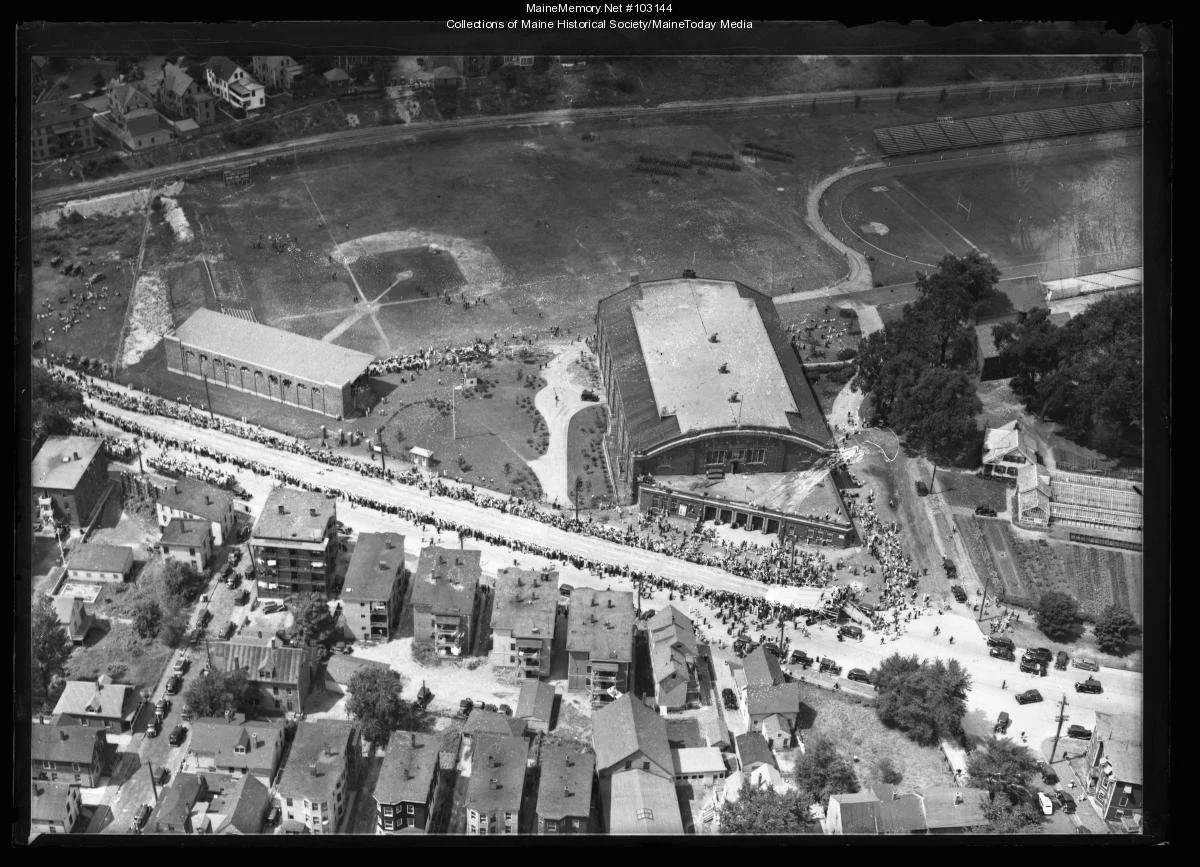
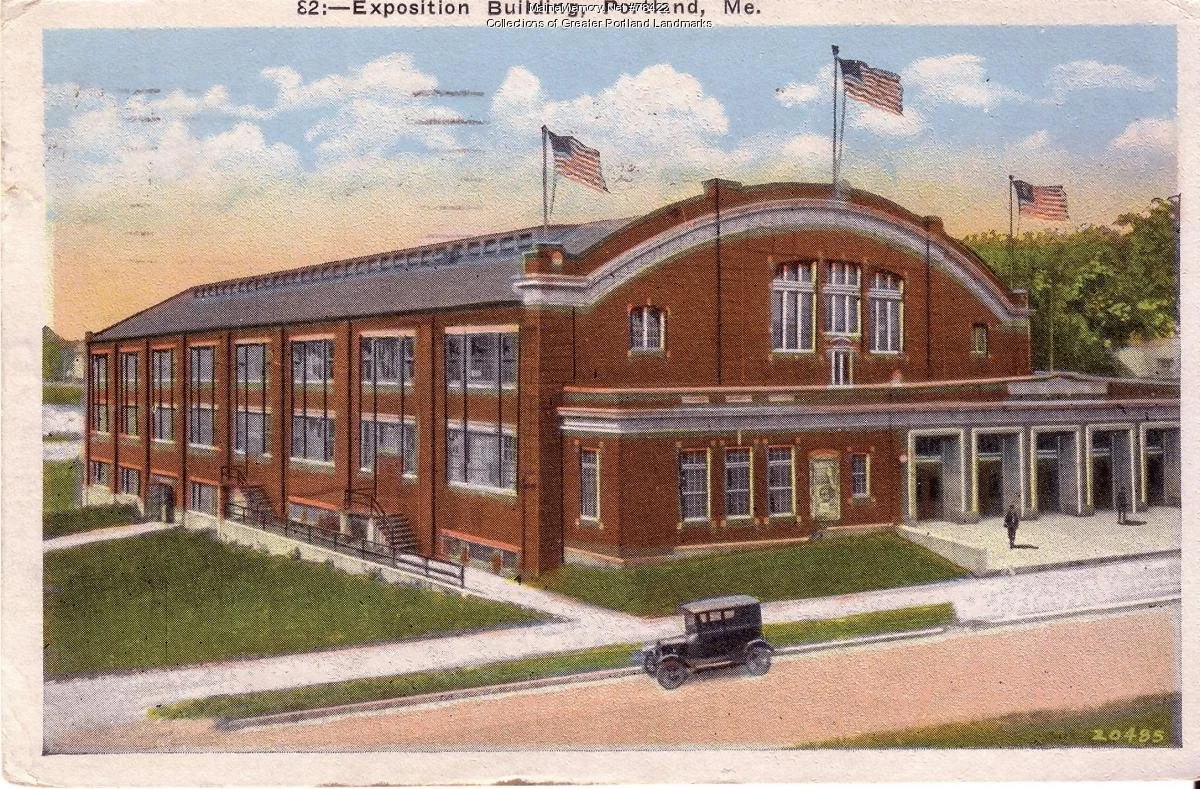
Portland Expo: The City of Portland is considering the future of the historic Expo building on Park Avenue, home of the Maine Celtics, local middle and high school sports, concerts and shows, exhibitions, and much more. The Portland Expo was built in 1915 and is the oldest municipal arena in continuous operation in the United States. With mounting maintenance costs, the City is requesting feedback on possible solutions, which could include demolition. GPL has requested a tour of the building to get more information from the City, and prepared a statement ahead of the April 21st City Council Housing and Economic Development committee meeting, though public comment was not taken. We thank the City Council members who raised concerns that the option to rehabilitate the building was not included in the Request for Proposals and that all options to reuse the building should be considered. We encourage you to sign up for notifications from the City to stay informed about this project, and email Ethan Hipple with your concerns about preservation of the building.
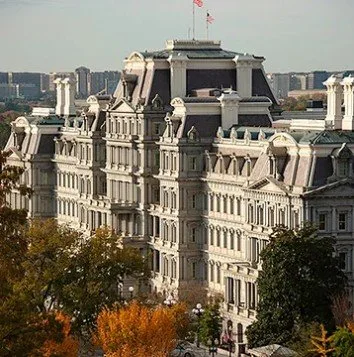
Eisenhower Executive Office Building
Photo Credit: Joel Sartore Photography for National Trust
EEOB: The Eisenhower Executive Office Building (EEOB) in Washington, DC is under threat. The Trump administration plans to paint the historic granite façade in bright white, which would cause irreversible physical harm to this National Historic Landmark. The building has been preserved, unpainted, since is completion in 1888. Coating the surface with an impermeable layer of paint would trap moisture within the masonry, and accelerate the building’s deterioration. The National Capital Planning Commission is scheduled to review the project and hear public comments on plans for the Eisenhower Executive Office Building on Thursday, May 7. We encourage you to submit written comments by noon on May 6- more information can be found here. And remember to use This is Historic in your message as a sign of solidarity with preservationists across the country.

Awards Nominations Open: Nominations are open for our 2026 Preservation Awards! While we love the traditional preservation projects, we also encourage you to think outside the box - what places in your neighborhood have been sensitively renovated, restored, or reused? Who are the people that are protecting local heritage and history? What programs tell the stories of Mainers and contribute to how we connect with special places? Anyone can submit a nomination! There’s no fee and the process is outlined on our website. Submit by March 15th!
SITE VISITS
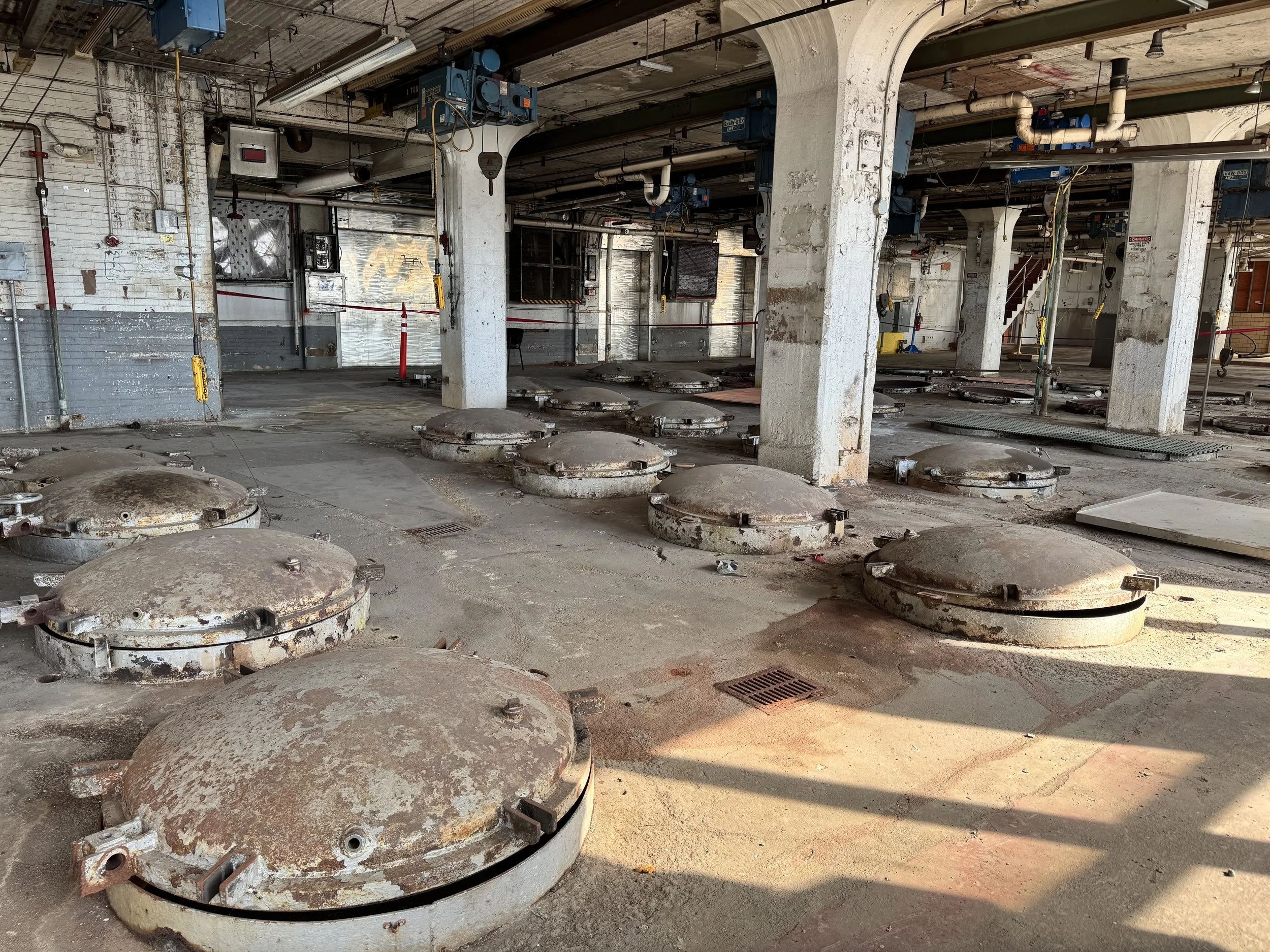
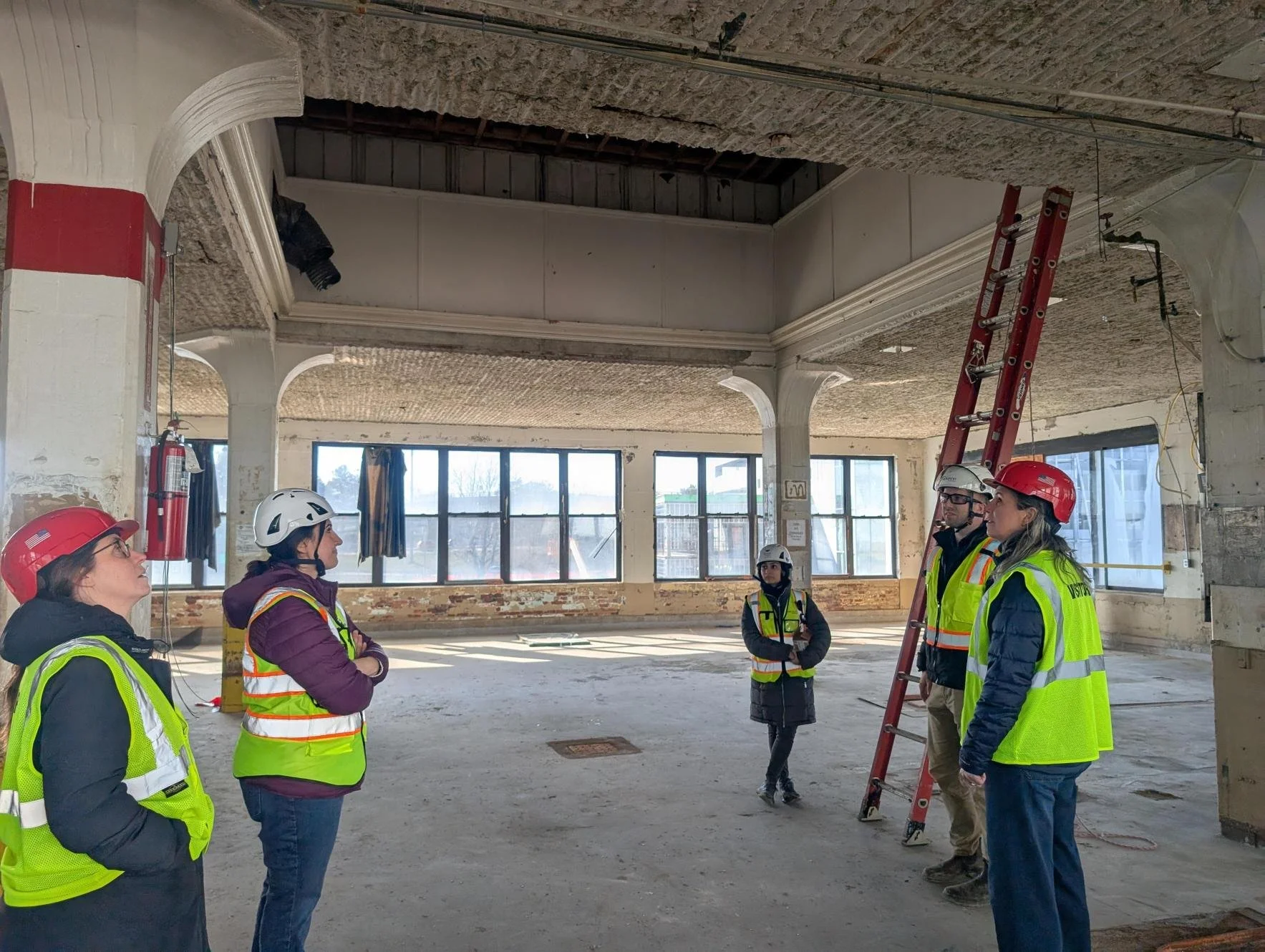
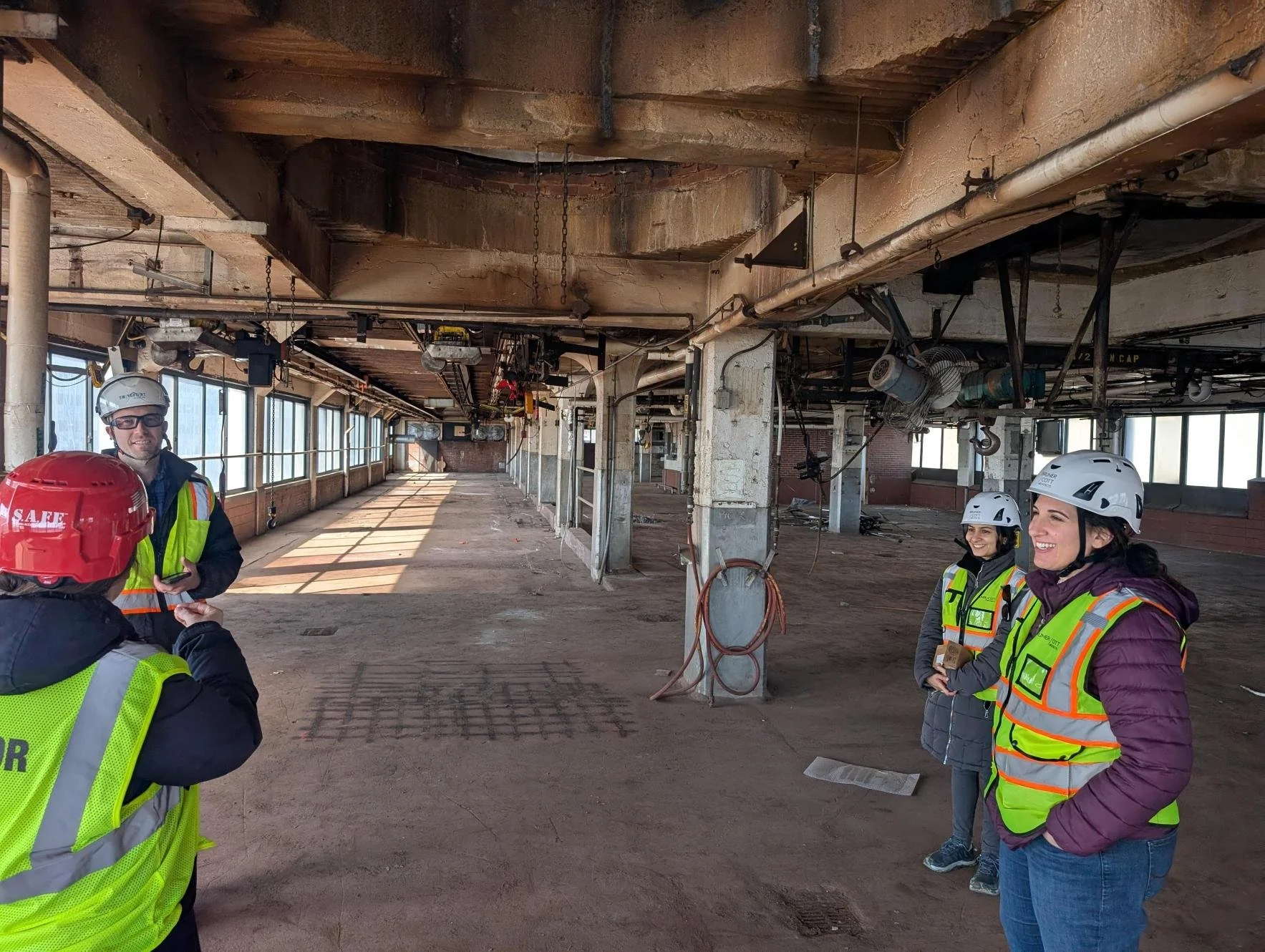
The Roux Institute: As work continues on both the historic B&M Cannery building and the new construction, GPL staff was able to tour the Roux Institute campus on Beanpot Circle in East Deering. The cannery building is a designated local Landmark, so the building will be rehabilitated, preserving historic fabric where feasible. Adrienne Cali of Bruner Cott and Michael Cochrane of Swingpoint Developers led the tour and pointed out areas that will be preserved as the building is revitalized. When complete, this waterfront campus will be a dynamic blend of Portland’s industrial history and bold, forward-looking design.
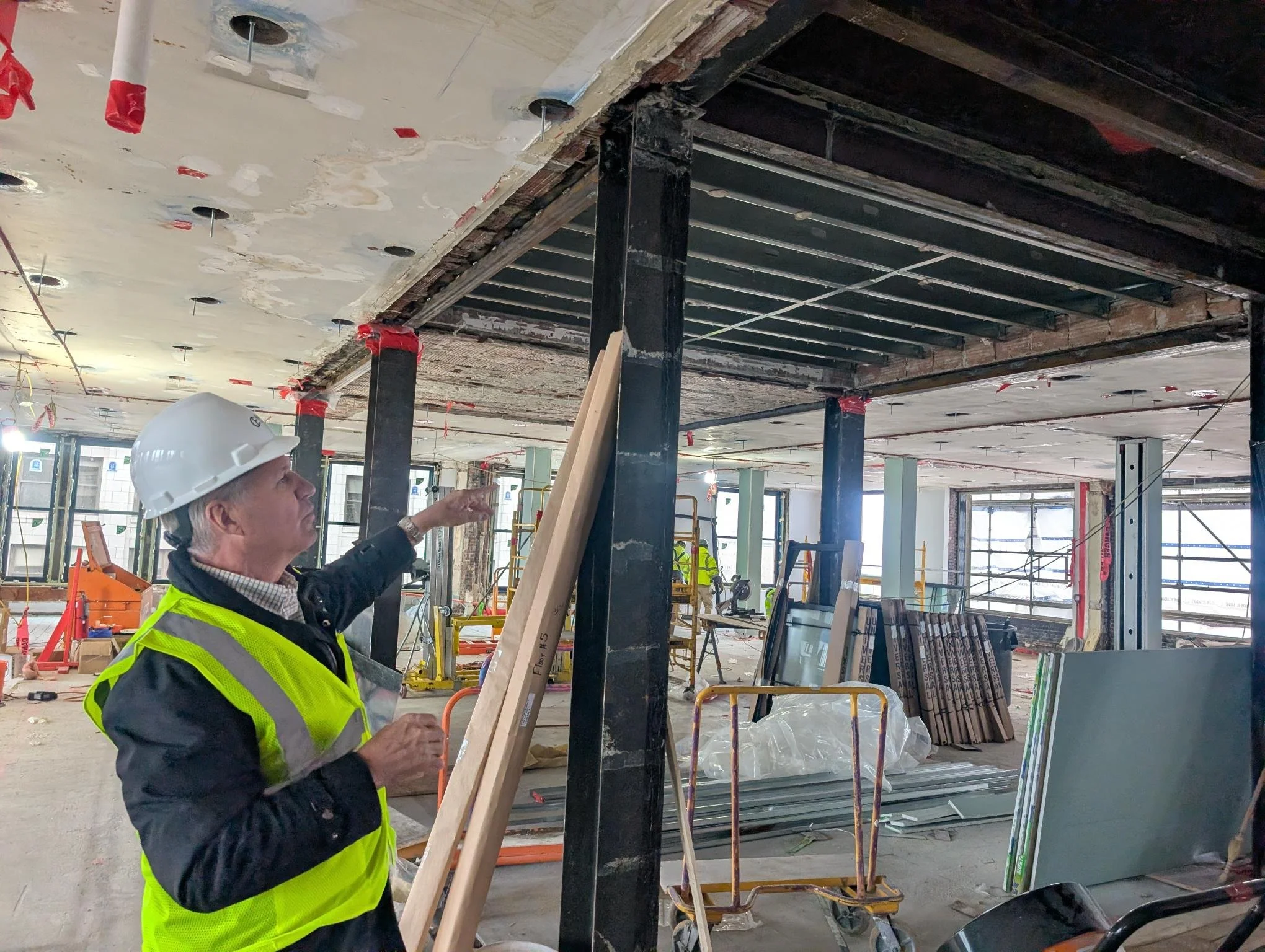
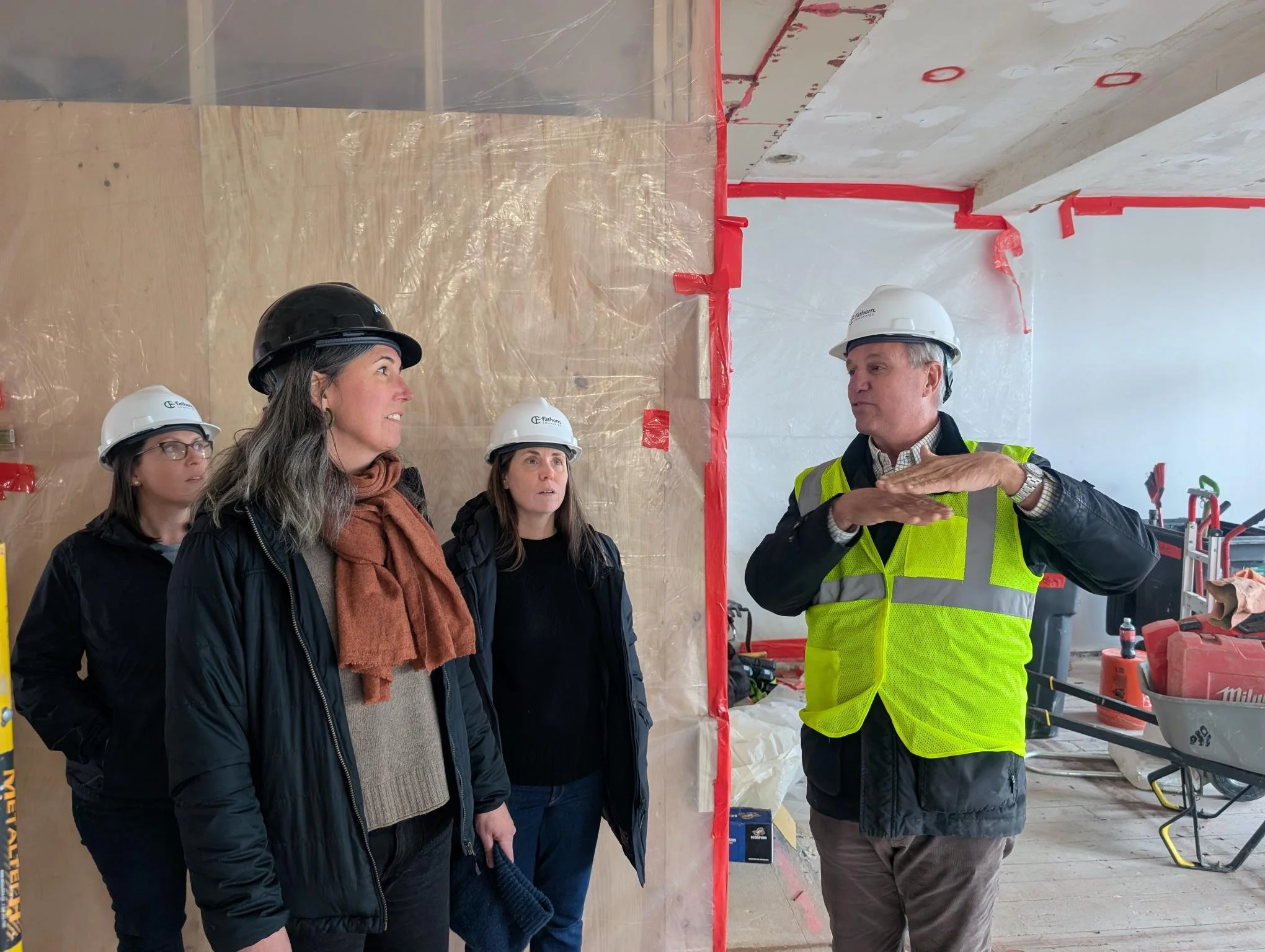
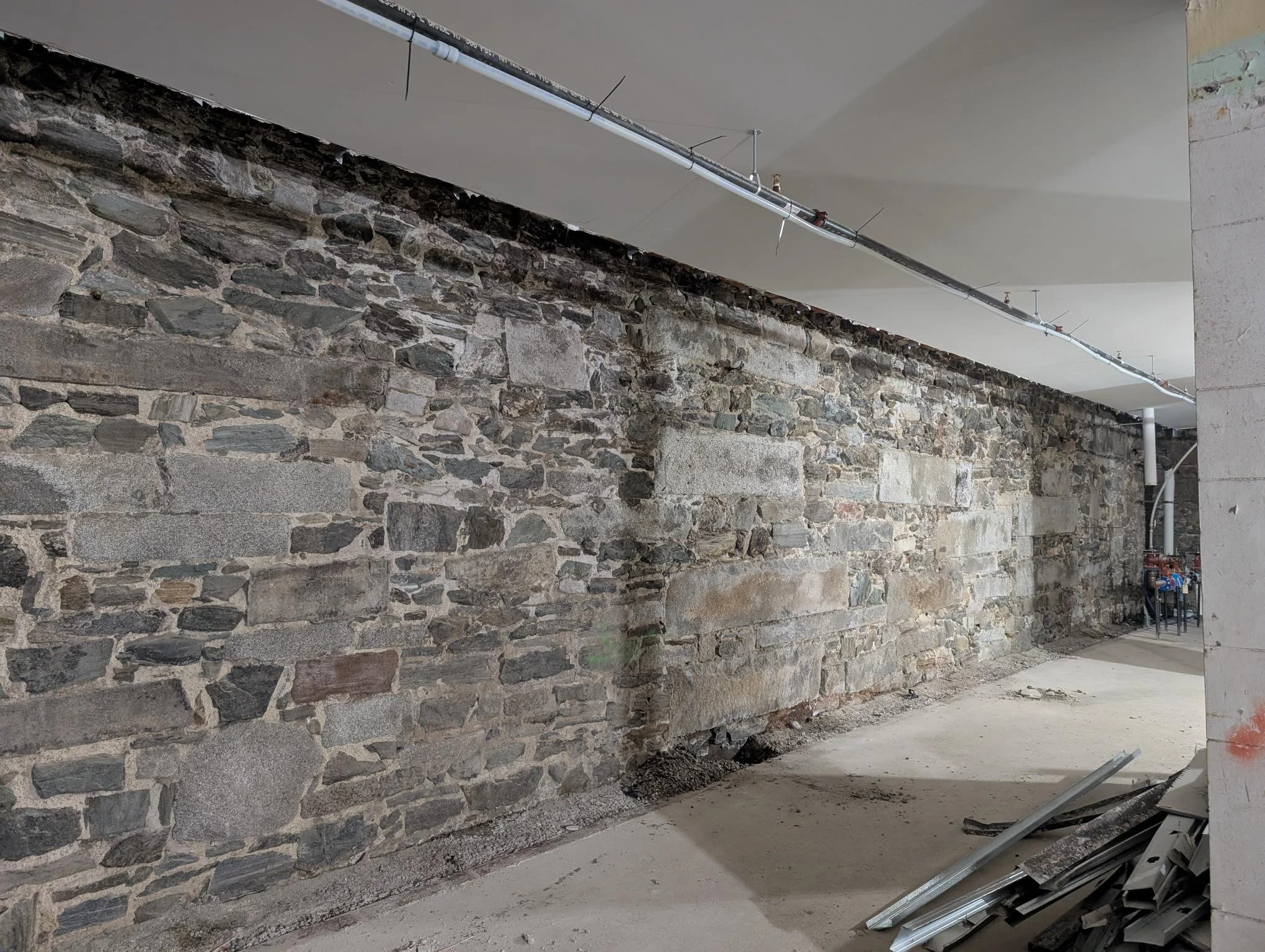
Fidelity Trust: GPL staff had the opportunity earlier this month to tour the project-in-progress at the Fidelity Trust building with Jim Brady, the Cofounder and President of Fathom Companies. This historic bank building, Portland’s first skyscraper, opened in 1910 and is now being transformed into a hotel in the heart of Portland. Staff learned more about how complex preservation projects come together and how many decisions need to be made for a high-quality hotel experience! We look forward to not only seeing the completed project but to collaborating with Jim to discuss how GPL can help facilitate rehabilitation projects in the future.
PUBLIC STATEMENTS:
GPL’s Director of Advocacy Alison Frazee commented on three items at the April 15th Historic Preservation Board meeting at Portland’s City Hall:
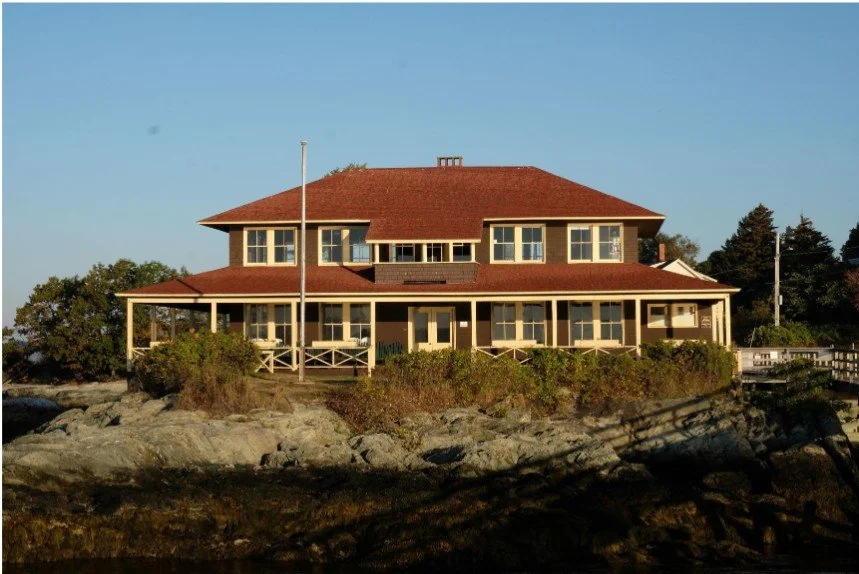
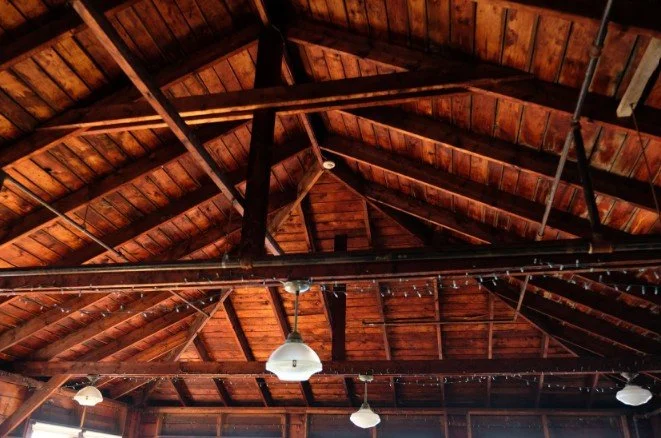
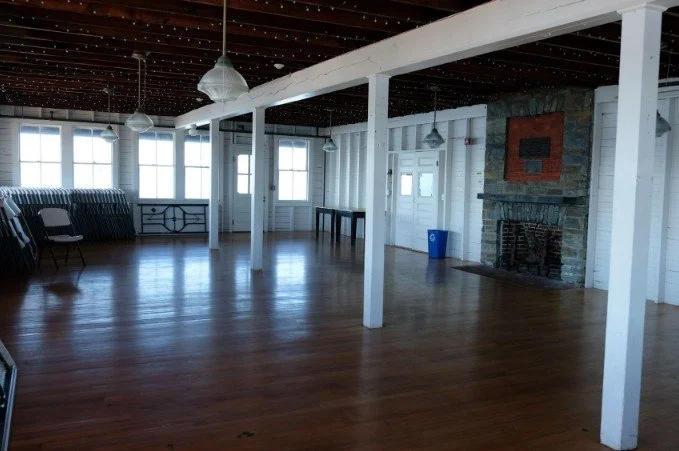
Little Diamond Island Casino: Alison encouraged the Historic Preservation Board to recommend nomination of the Little Diamond Island Casino at 0 Fessenden Avenue for listing on the National Register of Historic Places to the Maine Historic Preservation Commission. According to the statement of significance provided, the Casino was built in 1909 as a restaurant and small store to anchor a nascent summer cottage development on the island and has served as a community hall, meeting hall, and entertainment venue since 1924. Listing on the National Register could allow the Little Diamond Island Association to access additional funding for the site’s preservation, especially resilience efforts for rising sea levels. GPL is collaborating with the Association to serve as their fiscal sponsor for fundraising to help preserve our coastal heritage. The Board voted unanimously in favor of recommending listing on the National Register. Kate attended the quarterly meeting of the Maine Historic Preservation Commission and supported the nomination, which the Commission voted to approve.
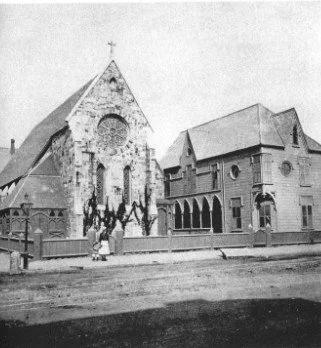
St. Paul’s Parish Church: The Church is requesting approval to replace the existing asphalt shingle roof on the Rectory building with Brava artificial slate tiles, with copper caps and gutters. The original roofing material appears to have been wood shingles, though the church building has a slate roof. The Board discussed the practicality of wood shingles and if a synthetic product is available on the market that would be satisfactory given fire code and durability concerns for wood roofing materials. The applicant shared that the existing roof structure would not support the weight of slate shingles and is not aware of a synthetic wood shingle that is manufactured for use on roofs instead of siding. GPL feels that, in this case, synthetic slate could be appropriate; it is an improvement to the existing asphalt shingle, a durable option the reduces the need for future maintenance, and is visually compatible with the abutting church building. The Board tabled the item so that the applicant could explore options for wood or synthetic wood shingles.
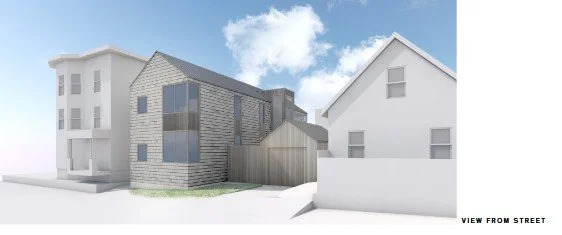
30 Atlantic Street: A proposal for new construction was considered in a workshop, which means guidance was provided but no vote was taken at this meeting. The applicant is proposing a single-family house on a vacant lot in the Munjoy Hill Historic District. GPL agreed with the Historic Preservation staff memo that the proposal meets most of the standards for the district. Our comments expressed reservations that the front entry to the home is not visible from the public way; it is on the side of the building and behind a solid fence. It’s not unusual for main entrances to be on the side of houses in this district, but in those situations the door is always prominent and visible. The Board expressed similar concerns about the entry and encouraged the applicant to reconsider that design choice before returning to the Board.
