

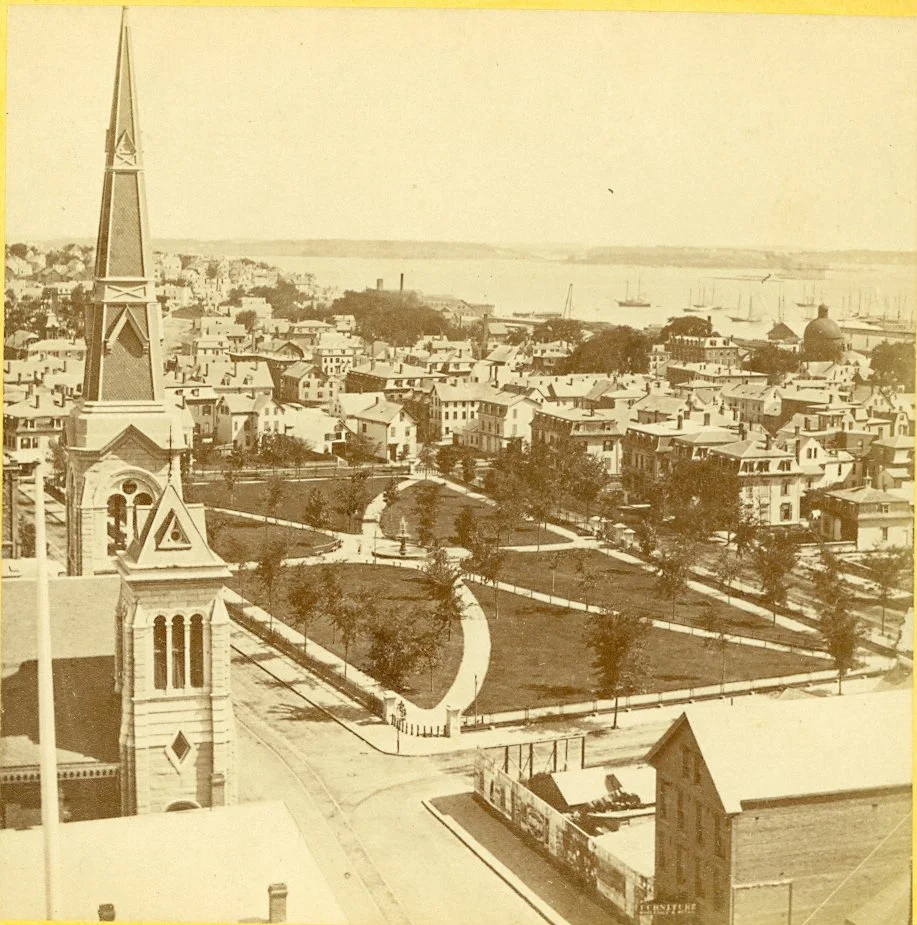
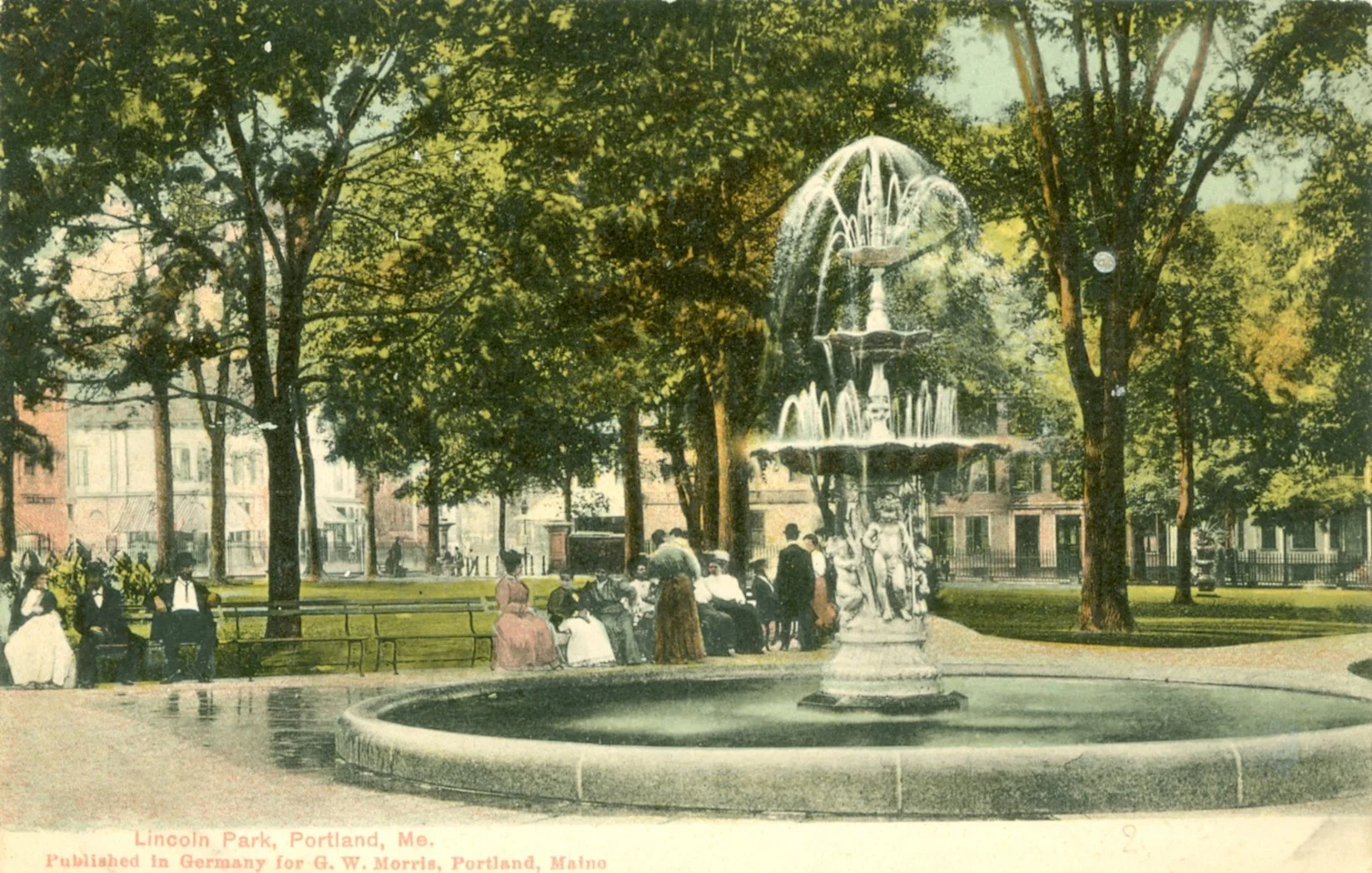
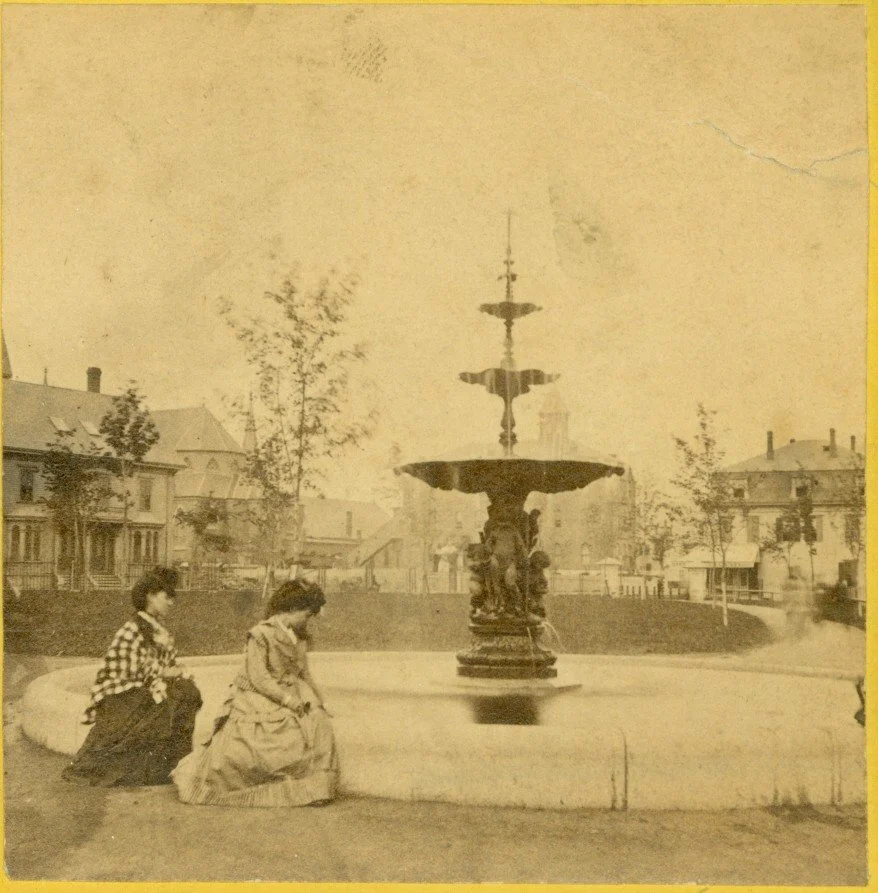
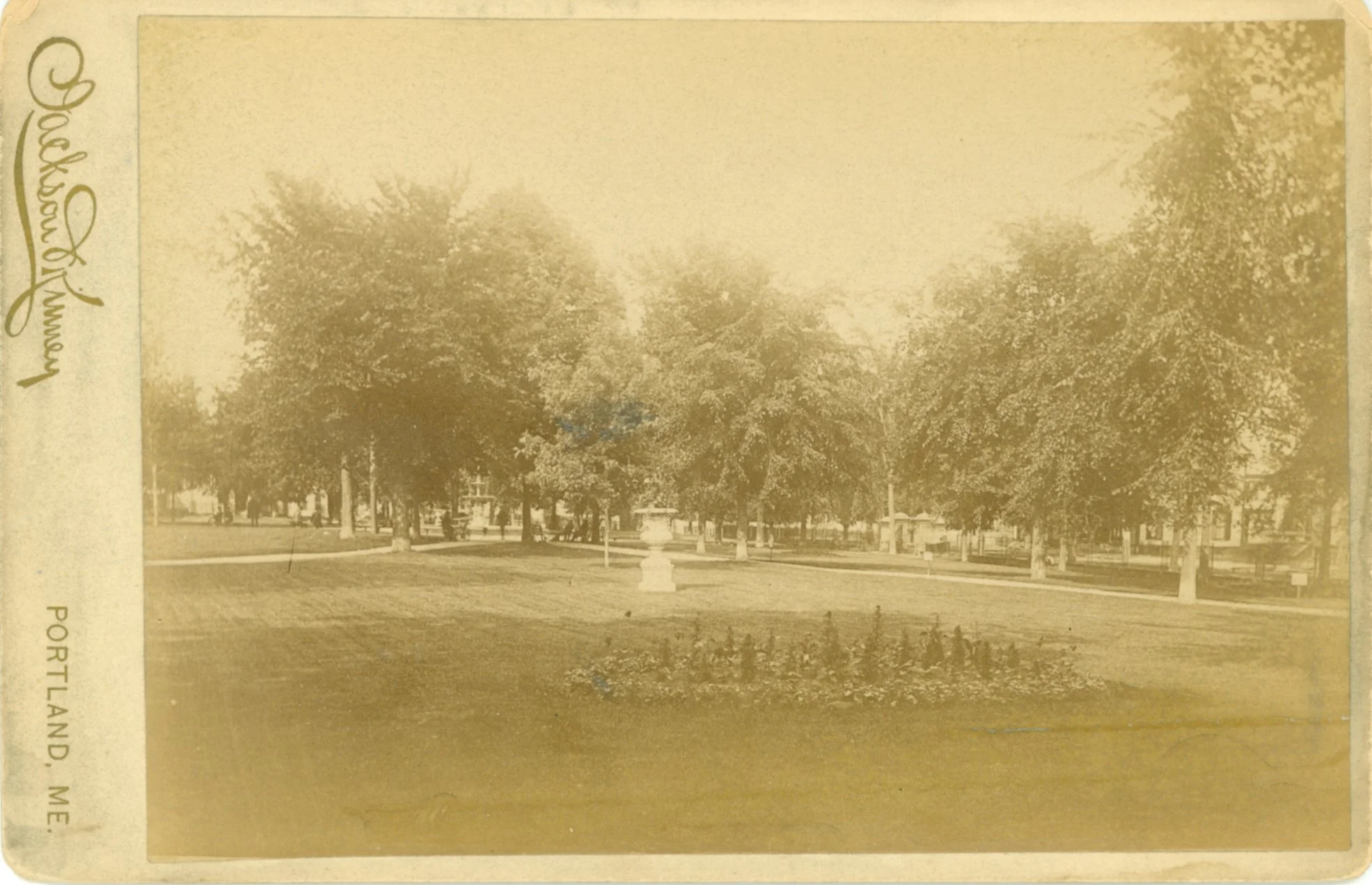
Franklin Street and Lincoln Park: The City continues to advance its Reimagining Franklin initiative to create a new vision for the Franklin Street corridor on Portland’s peninsula. GPL staff attended open houses last year to learn more and give initial feedback, and hosted team leaders from the City this week for an update on the project. Bruce Hyman and Nell Donaldson shared that an updated conceptual plan is still in progress and will be presented to the public in multiple ways for additional engagement soon. Current conversations call for the expansion of Lincoln Park, space for new developments, improved conditions for mature tree canopies, restored connections at Lancaster, Oxford, and Federal Streets, and a number of other transportation-related updates.
GPL staff also met with members of the Board for the Friends of Lincoln Park to learn more about their goals and priorities through this process. Lincoln Park, which was created by the City as a firebreak after the fire of 1866, is a local historic landscape but was partially destroyed when Franklin Street was widened in 1970. GPL is joining the Friends to advocate for restoration of the park to its original size, with necessary updates and preservation efforts.
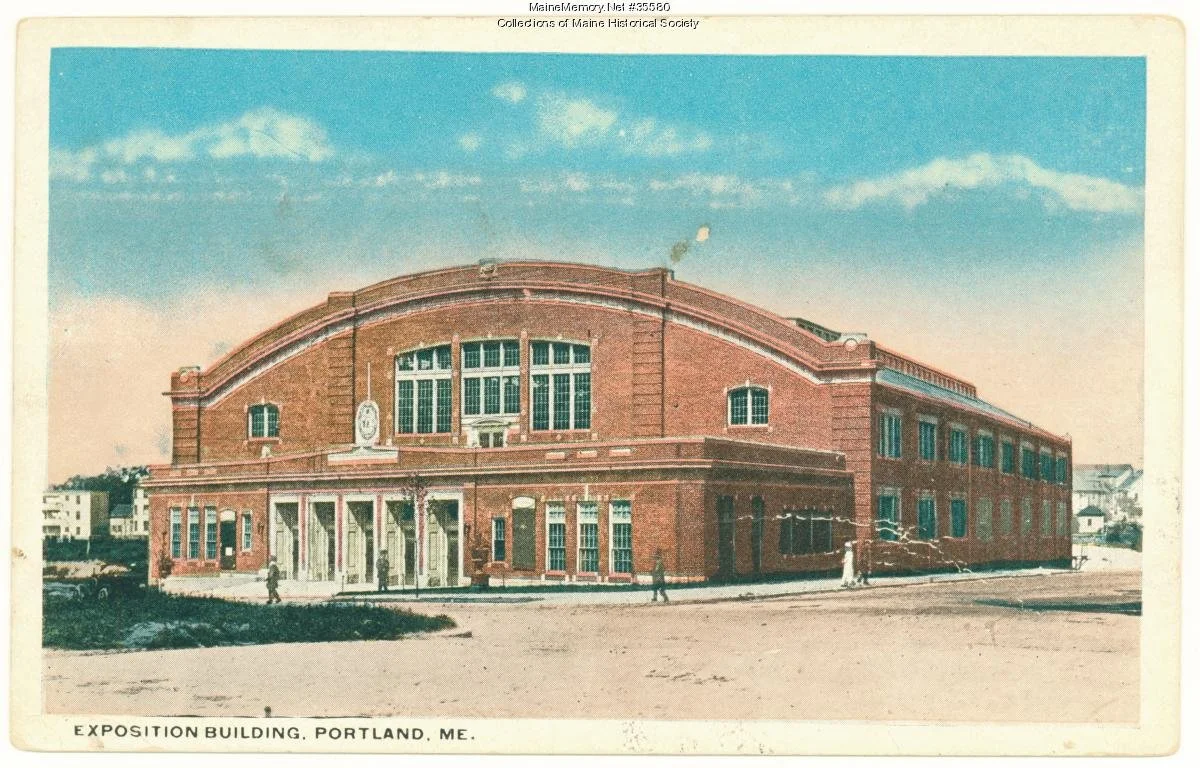
Portland Expo: The City of Portland is exploring options for the future of the historic Expo building on Park Avenue next to Hadlock Field. The Portland Expo was built in 1915 and is the oldest operating municipal arena in the US, after the recent demolition of Matthews Arena in Boston. Today, the building serves as the home arena for the Maine Celtics (G-League team of the Boston Celtics), home court for Portland High School and various Middle School sports, a convention and trade show venue, a concert venue, and various other events such as boxing, wrestling, roller derby and other community and cultural events. The building has served as a public gathering space for many politicians and public speakers over the years, from Babe Ruth to Barack Obama, and musicians and bands such as Phish, The Beach Boys, James Brown, Dolly Parton, Janice Joplin, and Queen have all performed in it. GPL is gathering more information about the deferred maintenance and options for preservation and continued use of the building as a cultural hub for the entire region. Structures are more than bricks and beams- they hold memory and create a sense of place in our communities. We should celebrate the oldest arena in the country and all the opportunities it brings to Portland.
We encourage you to vocalize support for preserving the building (whether or not the Maine Celtics stay in this space or move to a new arena) at the April 21st meeting of the Housing & Economic Development Committee of City Council, or write directly to Ethan Hipple, Director of the Parks, Recreation, and Facilities Department.
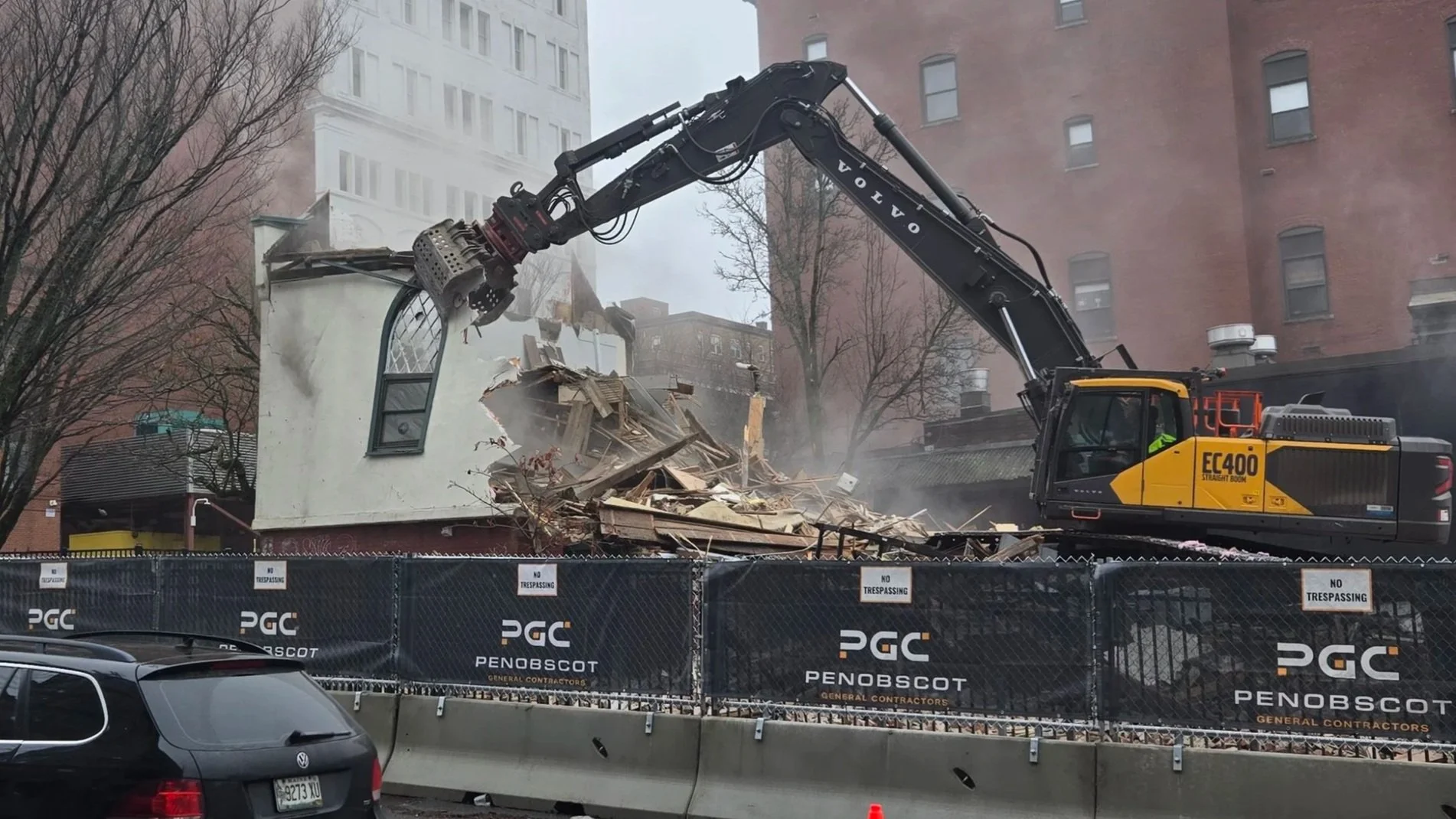
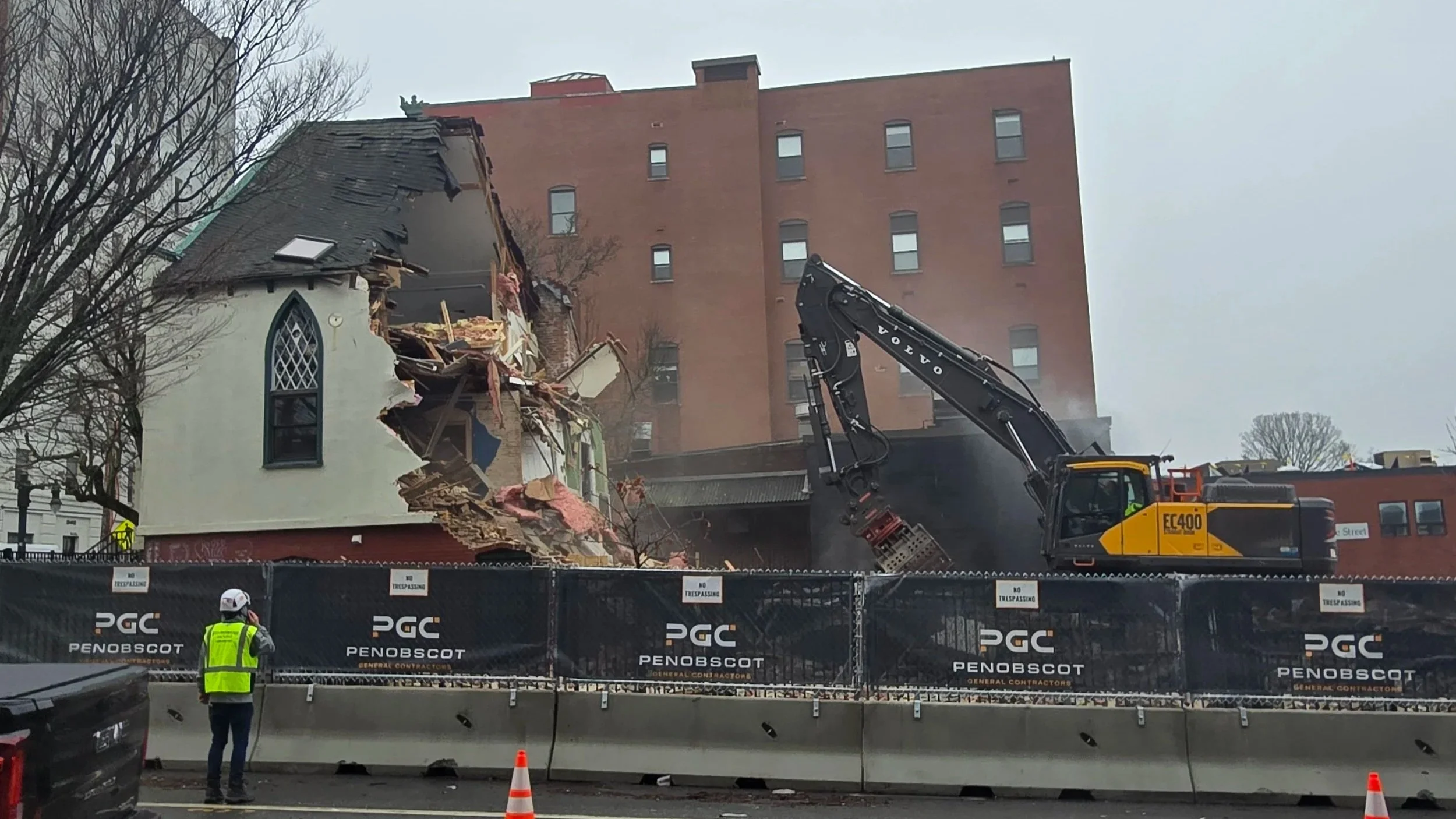
Preble Church: Youth and Family Outreach completed demolition of Preble Chapel over Easter weekend to clear the parcel for a new development. The Greek Revival chapel was built in 1851and held deep connections and memories for generations of Portlanders. Unfortunately, previous efforts made by GPL and others to protect the building were unsuccessful: the City declined to designate the building as a local landmark and the State Historic Preservation Office determined it ineligible for the National Register of Historic Places, which also made it ineligible for historic tax credits that could have facilitated restoration and upgrades. While we share in the feelings of loss, we recognize that the Youth and Family Outreach organization provides critical services to the community and the new project will be transformative for neighborhood families. With several demolitions in the Bayside neighborhood approved or in process, GPL is engaged in ongoing conversations with local leadership to plan for the evolution of the neighborhood and to implement new policies to prepare for preservation in the future.
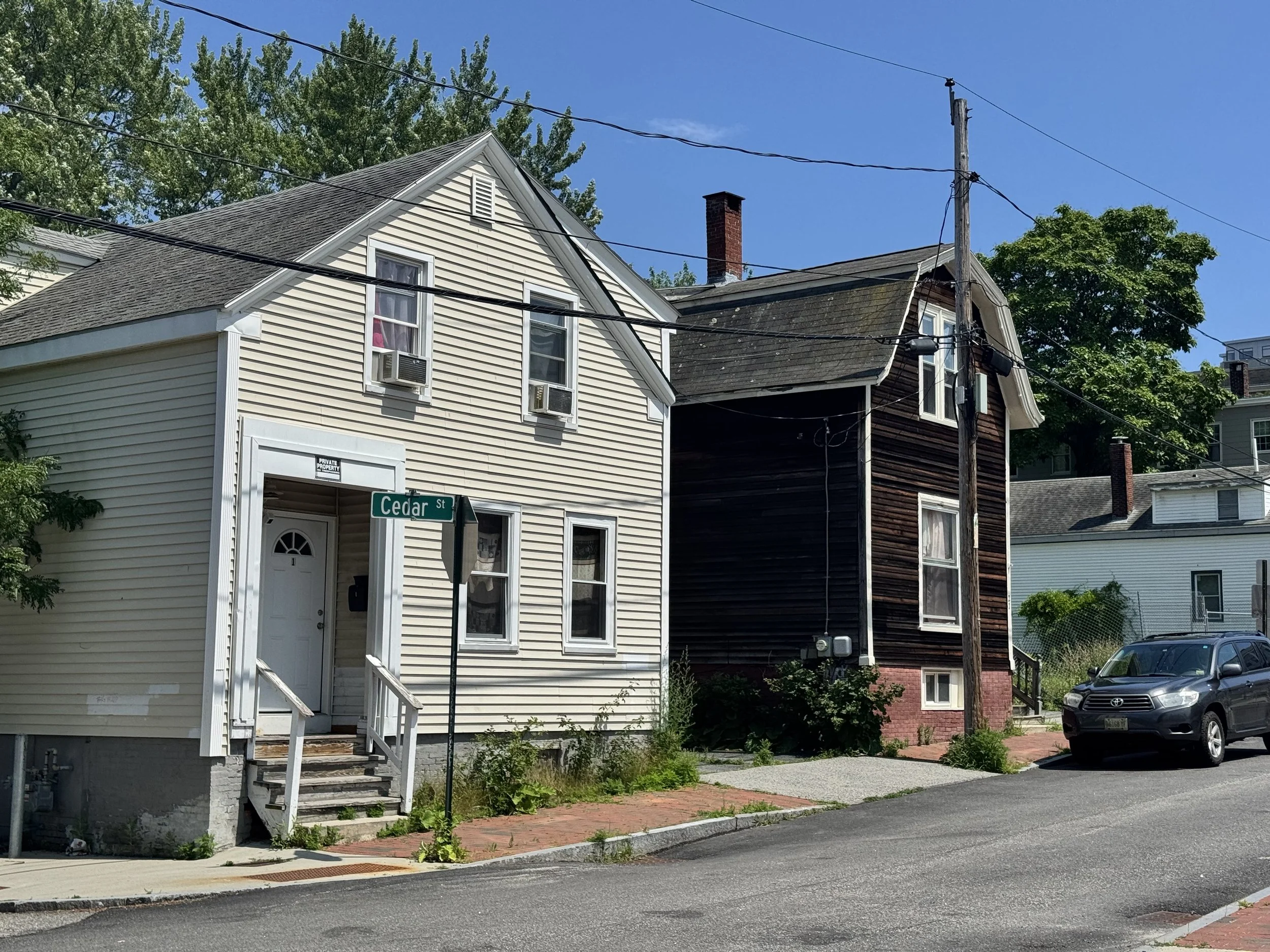
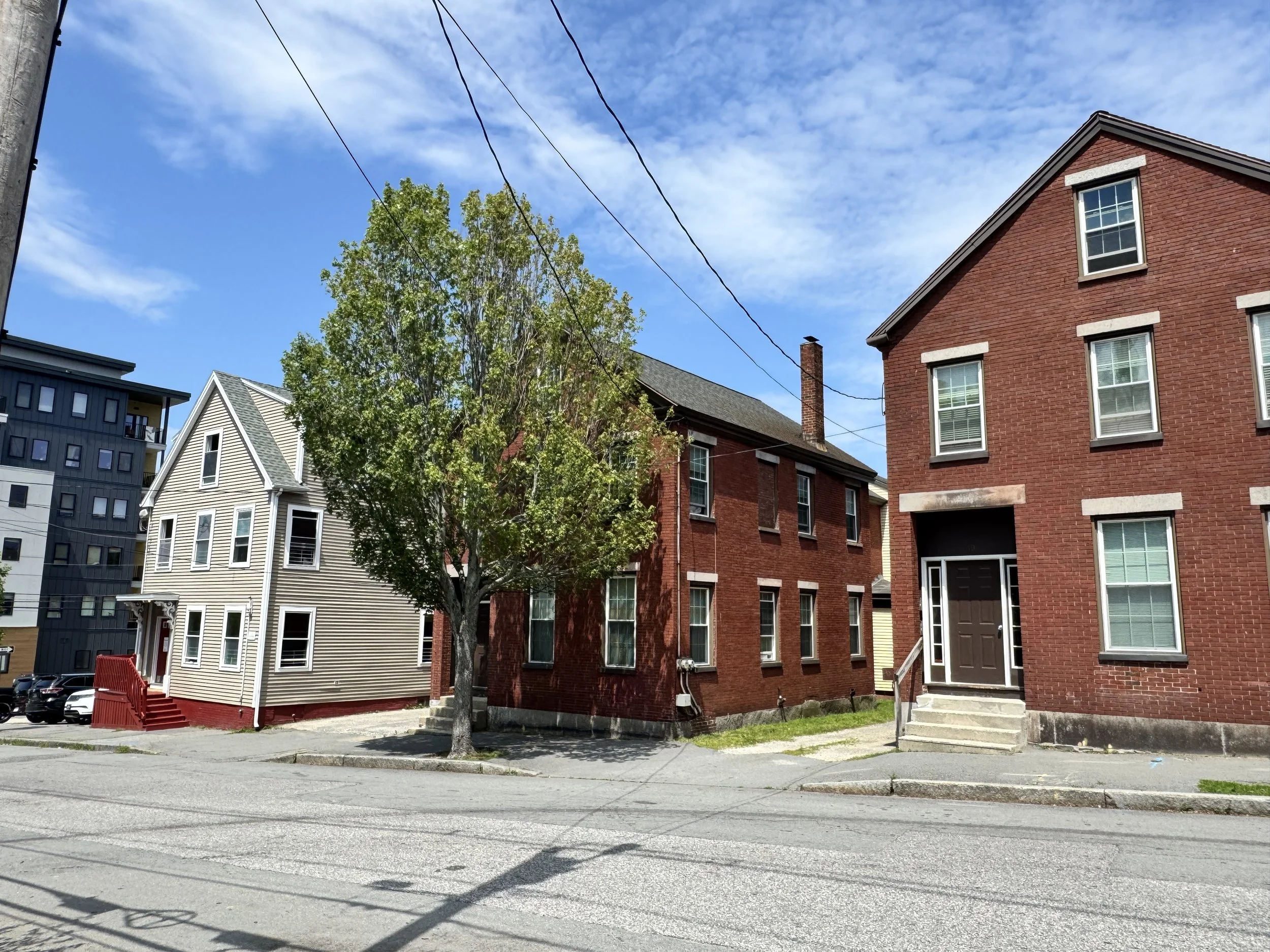
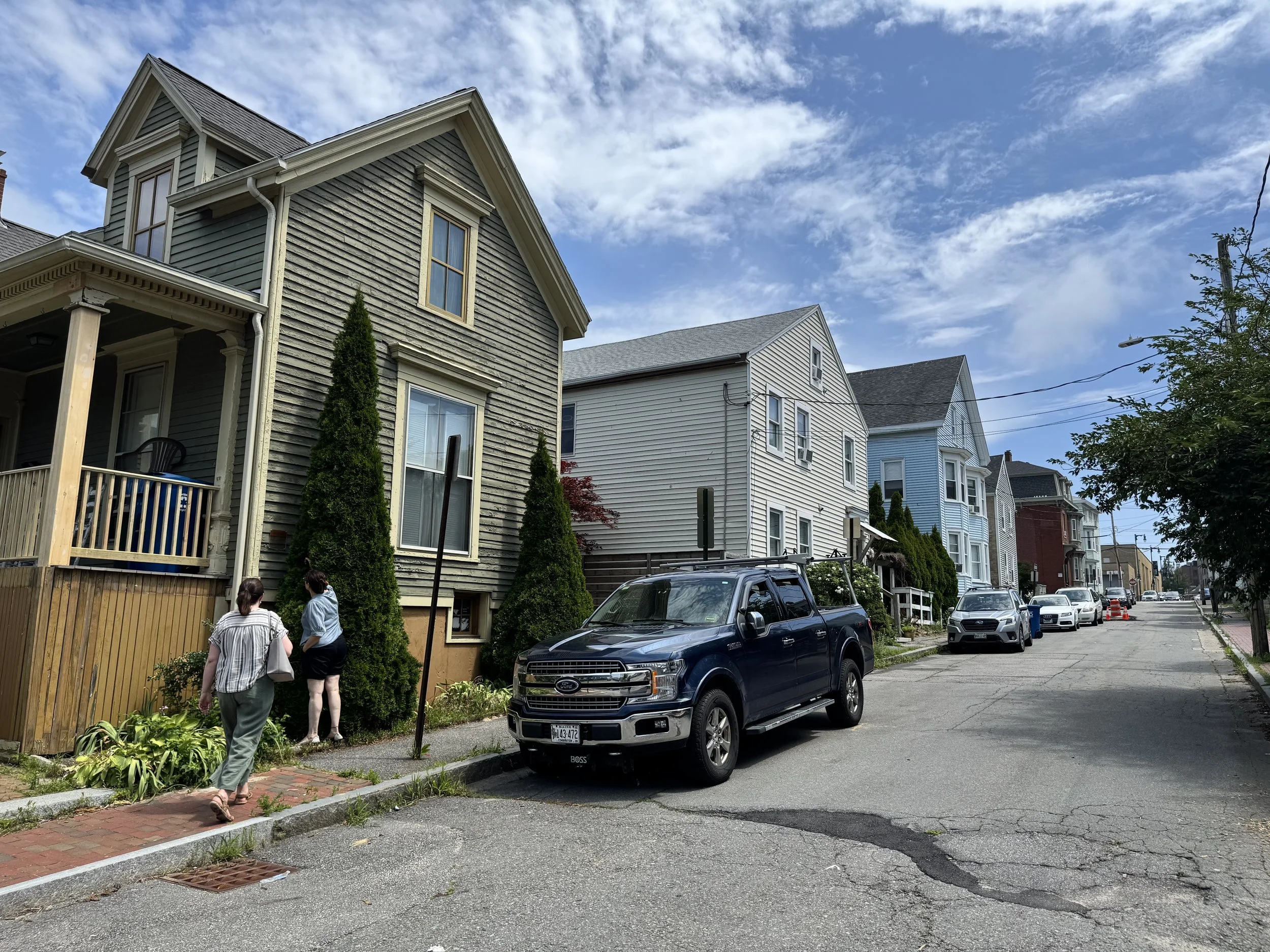
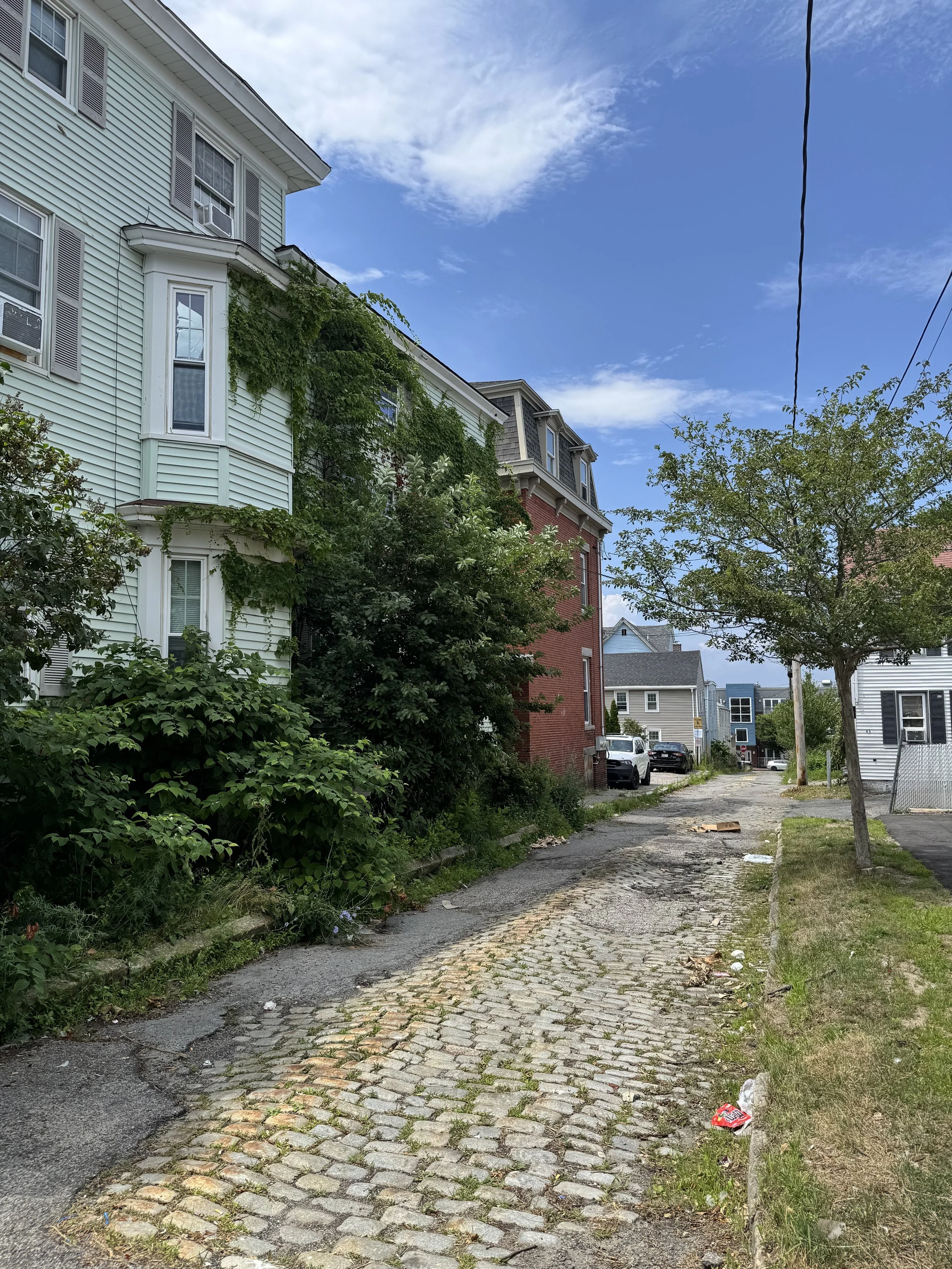
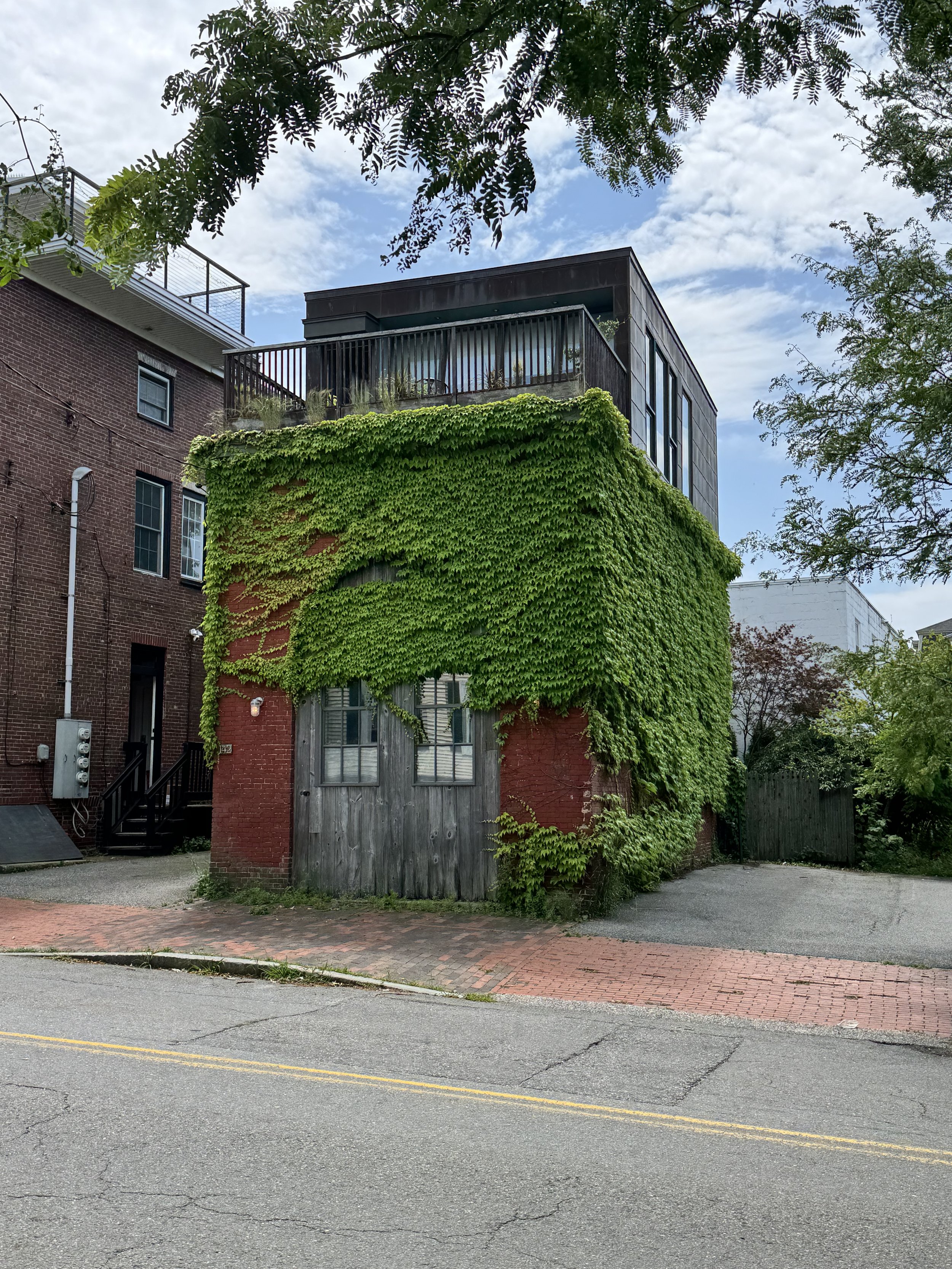
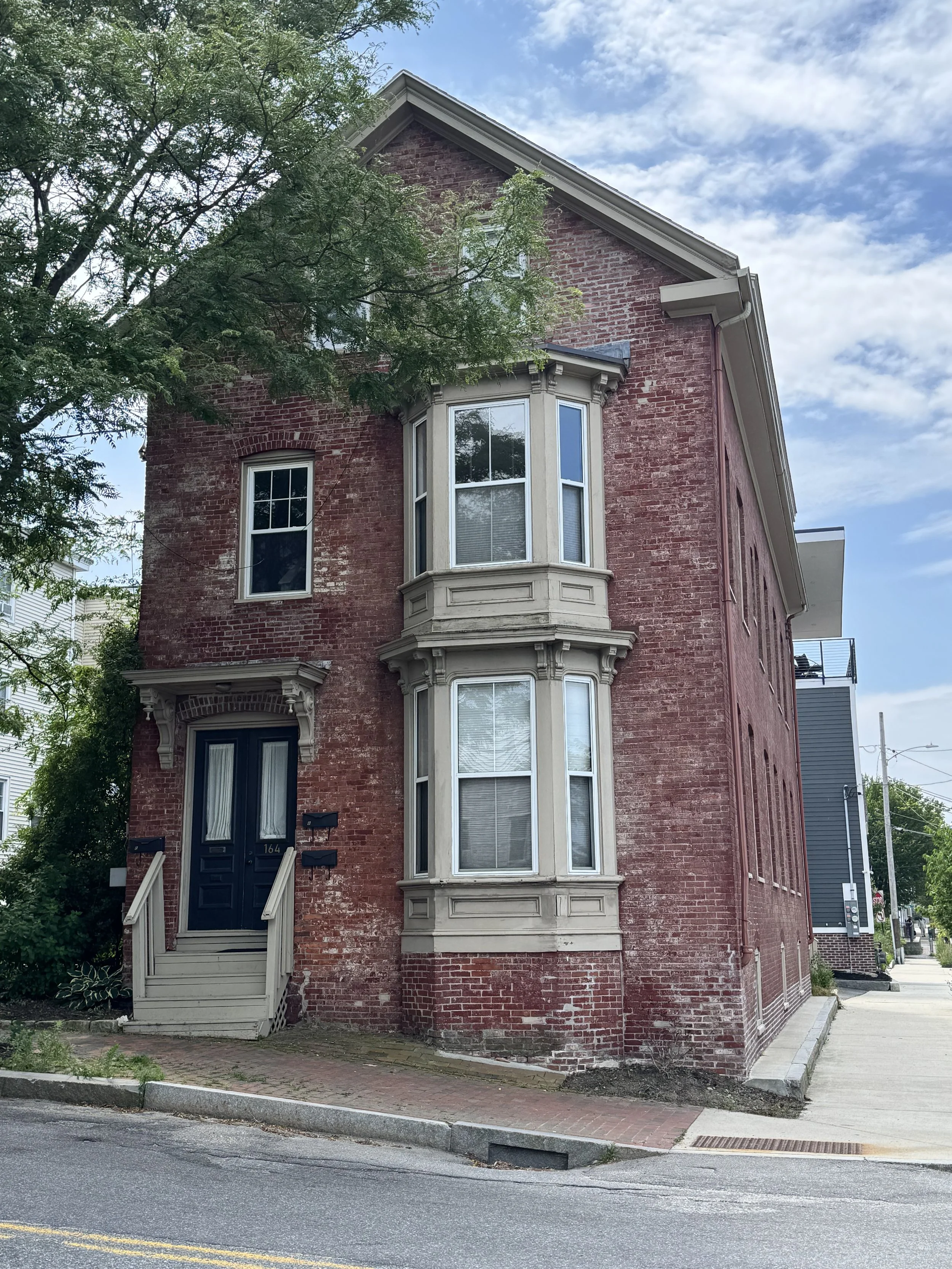
Midtown Project: The City of Portland owns four undeveloped parcels in the Bayside neighborhood, known as the “Midtown properties.” As it considers the future sale of these sites, the City is inviting community members to share their ideas and preferences for how the properties could be used. We encourage you to thoughtfully respond to the City’s survey. While much of the Bayside neighborhood has been lost and changed over time, with more demolitions and large-scale developments in progress, much of the working-class housing remains, retaining a sense of the history of this portion of Portland. As we work to find solutions for protecting that historic fabric, this project will have a major impact on Bayside’s future and we are encouraging human-scaled design, porosity and open space through the site, and a variety of massing, materials, and expressions that reflect the experience of the streetscapes throughout Bayside.
This is Historic.: GPL has been working with national partners for months to crowdsource a slogan to create a unified advocacy voice for historic preservation. After circulating a request for ideas, a working group reviewed over 90 submissions for slogans and selected “This is Historic.” which can be used to advocate for preservation priorities (like saving the legal requirement to consider historic resources in all federal projects, continuing to fund the national Historic Preservation Fund, and committing to tell the full story of American history) as well as to commemorate important milestones this year such as the 60th anniversary of the National Historic Preservation Act and the National Register of Historic Places. A toolkit is being created to encourage widespread, collective use of the slogan. Both the national messaging campaign and the slogan itself came from GPL’s Director of Advocacy Alison Frazee, who is leading the effort to create and circulate the toolkit with colleagues at the National Preservation Partners Network and other preservation organizations. We will share more information soon about how to use this slogan and will encourage everyone to include it in their advocacy messaging, letters to elected officials, social medias posts, etc.
Slashing the Historic Preservation Fund: President Trump’s Fiscal Year (FY) 2027 Budget Request proposes to eliminate nearly all funding for the Historic Preservation Fund (HPF). This proposal would slash the HPF annual budget to just $11 million, a cut by nearly 95%. If enacted, this FY 2027 proposal would effectively dismantle the nation’s core preservation infrastructure. The HPF supports State and Tribal Historic Preservation Offices, including here in Maine, and funds a range of impactful competitive grant programs—placing historic places and the communities they serve at serious risk. To demonstrate the reach and value of this federal investment, the National Trust’s Government Relations team developed 51 Projects for Preservation: The Historic Preservation Fund Across the United States.
The budget request also calls for dramatic cuts to other priorities. The budget would cut the National Park Service park operations budget by $736 million (over 25%), likely leading to thousands of layoffs. The proposal completely eliminates funding for the Heritage Partnership Program, which supports National Heritage Areas, and slashes Cultural Programs by over $34 million, a more than 86% cut. The budget request only includes $5.151 million for the Advisory Council on Historic Preservation (ACHP), $3.434 million below current enacted levels or a nearly 39% cut.
This marks the second consecutive year that President Trump's request has proposed nearly eliminating the HPF. Luckily, in FY 2026, Congress soundly rejected these extreme cuts and actually approved an increase in funding, demonstrating the strong bipartisan support for the HPF. We are again urging Congress to reject these cuts and instead support a historic $250 million in HPF funding as we commemorate our nation's 250th anniversary. You can join us! Contact your elected officials today and urge them to support robust funding for the Historic Preservation Fund.
