
Our Process
In 2024-25, GPL undertook a strategic planning process with the goal of developing a plan that builds on 60 years of success and positions it to play a leading and sustainable role in advancing historic preservation in Portland. We worked with a national consultant, Susan West Montgomery, and with input from a range of community leaders, stakeholders, and colleagues, who helped us think anew about our role in shaping the city’s future.
The strategic plan was guided by a Project Advisory Committee (PAC) made up of board members, staff, and community leaders. Committee members took part in two in-person work sessions and one virtual discussion. They identified traditional and non-traditional stakeholders, reviewed findings, tested assumptions, and sourced new ideas, approaches, and action items.
PAC members took an active role in shaping strategic priorities and conducting the plan’s equity audit. The audit assessed twelve of GPL’s projects and programs with an eye toward equity, diversity, and inclusion. In general, the audit found that GPL has engaged in much planning and some progress toward expanding programming to involve broader histories, non-traditional historic resources, and more diverse audiences. With the recent expansion of staff and operations, there is an opportunity to develop new strategies and approaches that give voice to all histories. The findings of the audit inspired many of the plan’s values and its action items.
An assessment involving eight interviews with non-traditional external stakeholders sought to examine the work of GPL as part of a larger constituency of organizations working toward the common goal of building an equitable and thriving Portland. The external interviews, combined with an additional nine interviews with more traditional partners, raised many important issues, insights, and ideas that inform the strategic plan.
GPL’s Board of Trustees met twice during the process to review draft elements and add their ideas and guidance. Their enthusiasm for the plan’s findings and recommendations ensure its successful implementation.
These investigations and discussions inspired creative thinking and a commitment to dynamic action. This is reflected in the plan’s objectives: to create a community-driven vision for historic preservation; to use preservation to improve livability, affordability and climate resilience; and to build a representative and sustainable organization for the next 60 years.
Greater Portland Landmarks is indebted to the community members of the Project Advisory Committee, and those who gave their time and insights through interviews. We sincerely thank you all and look forward to our continued collaboration.
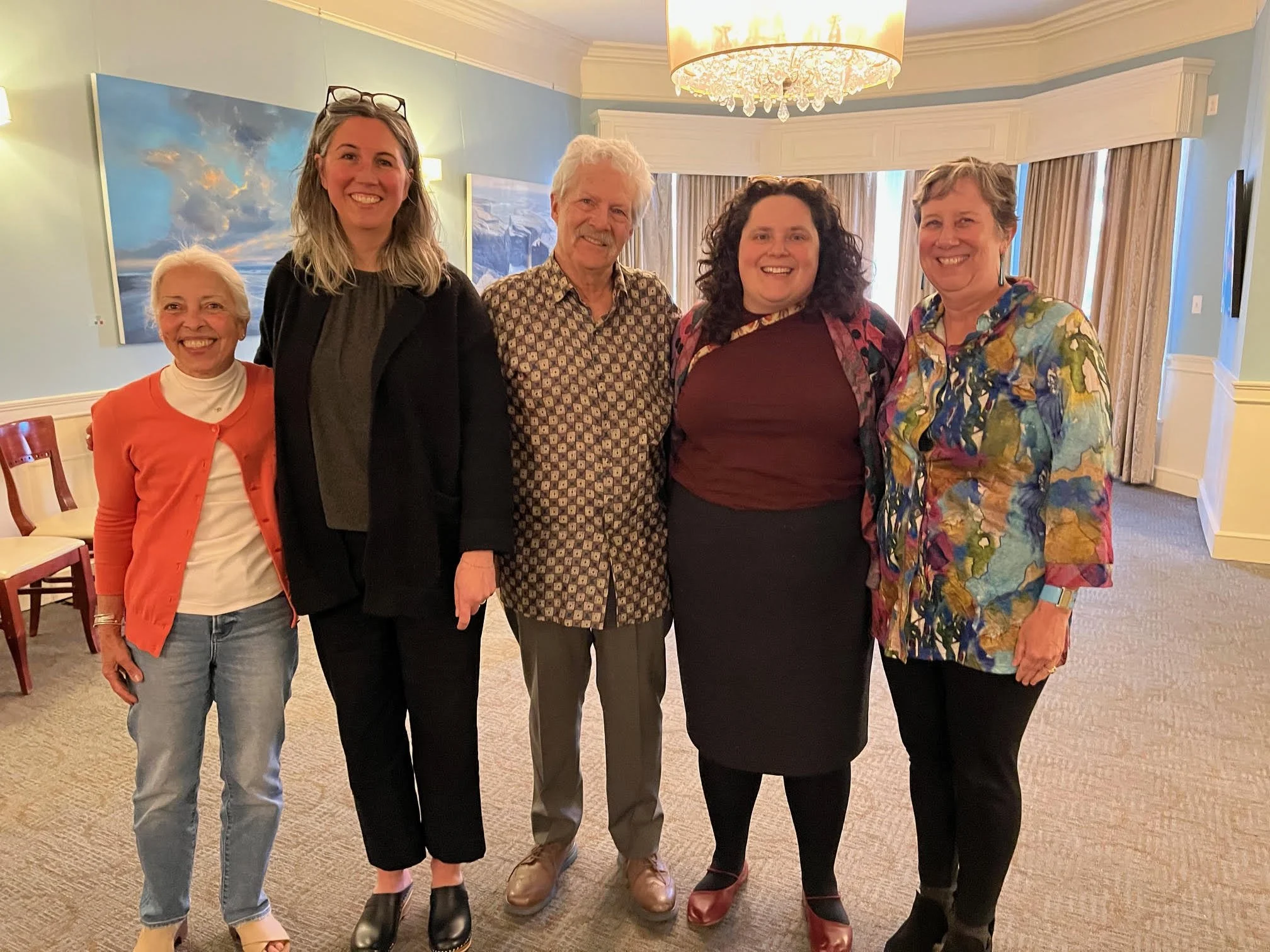
Strategic Plan Steering Committee
Susan West Montgomery, consultant
Linda Whitten
Jack Vreeland
Chloe Martin
Kate Lemos McHale
Project Advisory Committee
Community Members:
Faye Geimer
Julie Larry
Ian Stevenson
Addy Smith-Reiman
Ann Bagala
Anne Pringle
Dan Black
Seth Sprague
Brad Miller
Victoria Bonebakker
Board Members:
Linda Whitten
Chloe Martin
Jack Vreeland
Deb Andrews
Staff:
Kate Lemos McHale
Jessie Brakenwagen
Alessa Wylie
Alison Frazee
Julie Gondzar
Interviews
Steve Bromage, Maine Historical Society
Timothy Brosnihan, Victoria Mansion
Kevin Bunker, Developers Collaborative
Pam Cummings, Abyssinian Meetinghouse
Meadow Dibble, Atlantic Black Box
Tara Kelly, Maine Preservation
Marcia Minter, Indigo Arts Alliance
Sarah Moore, Portland Public Library
Todd Morse, Urbanist Coalition of Portland
Danny Muller, Greater Portland Immigrant Welcome Center
Ted O’Meara, Ted O’Meara Communications
Regina Phillips, Councilor - District 3, City of Portland
Evan Schueckler, City of Portland
Earle Shettleworth, Maine State Historian
Nancy Smith, Grow Smart Maine
Julia Tate, Simons Architects