Preservation Is:
A series highlighting the many ways that preservation is relevant here and now.
E: Equity, Diversity, and Inclusion
E: Environmental Action
10.03.25 H: Housing Access
R: RepresentativeDevelopment
Access to safe, affordable housing is an ongoing problem across the country. The general approach to solving the problem has been straightforward: construct more housing. New construction is most certainly part of the solution, but it is not the whole solution. Urban areas often lack vacant development lots so to build housing we must sacrifice open space, conservation land, or existing structures. However, most cities have viable, existing structures that are unoccupied or underutilized such as former factories, warehouses, office buildings, churches, schools, and carriage houses. Many of these buildings can be converted to housing. Prioritizing our existing built environment and infrastructure for housing is not only better for the environment, but it also preserves places within our communities that have value, meaning, and history.

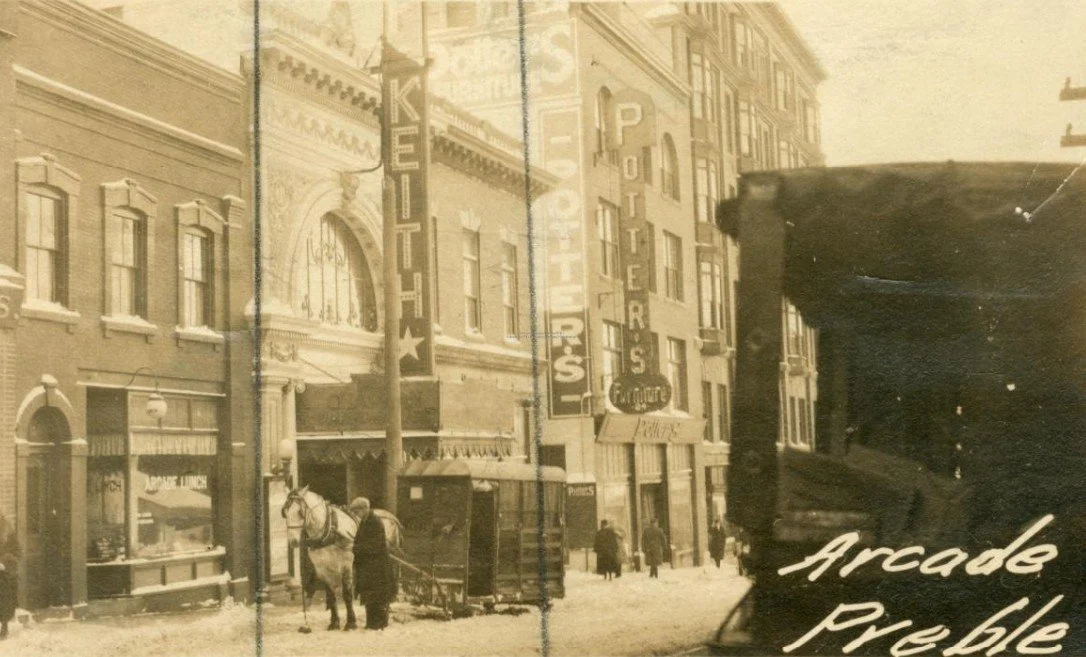
Photo Courtesy: Portland Public Library
Portland has many examples of this kind of adaptive reuse, or reuse of a building that was intended for one use for a different use. A great one is The Nightingale, a newly renovated residential building that was originally constructed in the 1940s as Mercy Hospital. Located in Portland’s West End Historic District, the complex offers 165 apartments, self-storage, a co-working lounge, roof deck, and a retail plaza. Using Federal Historic Preservation Tax Credits, a place that held memory and significance for generations of Portland residents was given a new life as homes and businesses.
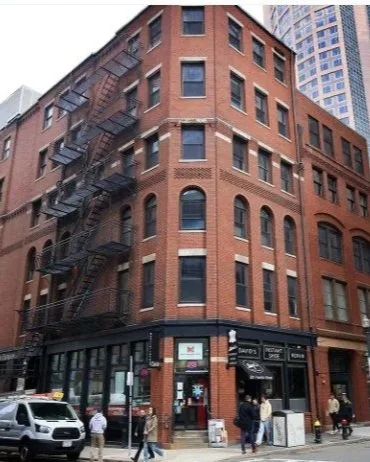
Often incentives such as tax credits and programs facilitating review processes for building conversions can boost the success of adaptive reuse to create housing. Since COVID, when people began working from home and many downtown offices nationwide remain vacant to this day. Boston is solving two problems with one solution: downtown Boston needed to regain its vibrancy and foot traffic and the housing crisis demanded units near jobs and public transit. The City launched its Office to Residential Conversion Program to study and identify viable office buildings that could meet the necessary codes for housing conversion. Then, through a partnership with the City that provides tax benefits, fast-tracking through the approval process, and other incentives, property owners can convert unused office buildings into housing units. Now, housing is coming online without demolishing the buildings that have been part of Boston’s fabric and story for generations.
Creative, collaborative solutions to our housing challenges result in better projects and stronger communities. Portland should prioritize adaptive reuse of existing buildings for housing, providing incentives to owners and developers who choose reuse instead of demolition. Portland will retain its unique character, buildings will be activated, and more people will be able to live in this beautiful, historic city.