Fort Allen Park

The Issue

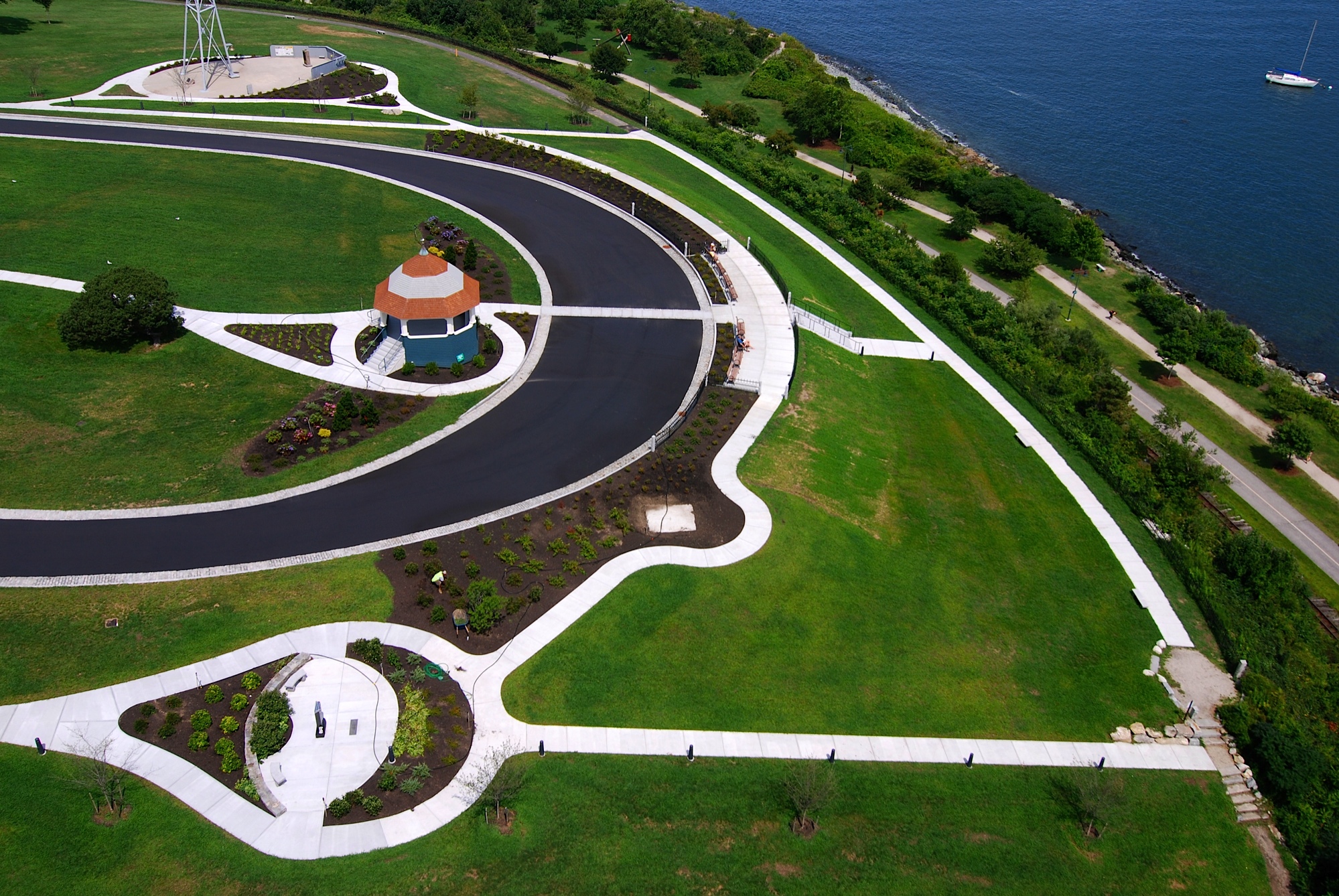
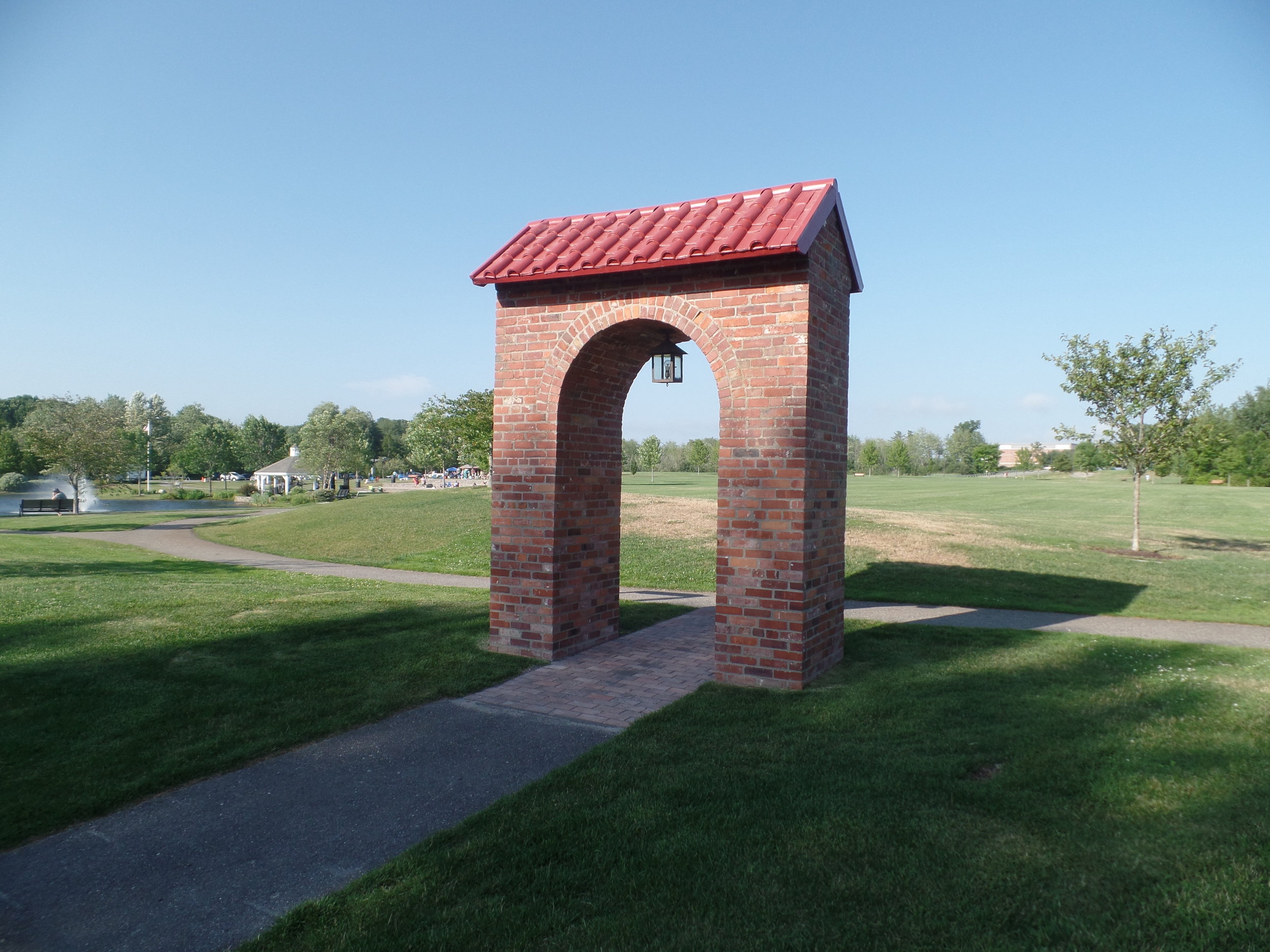
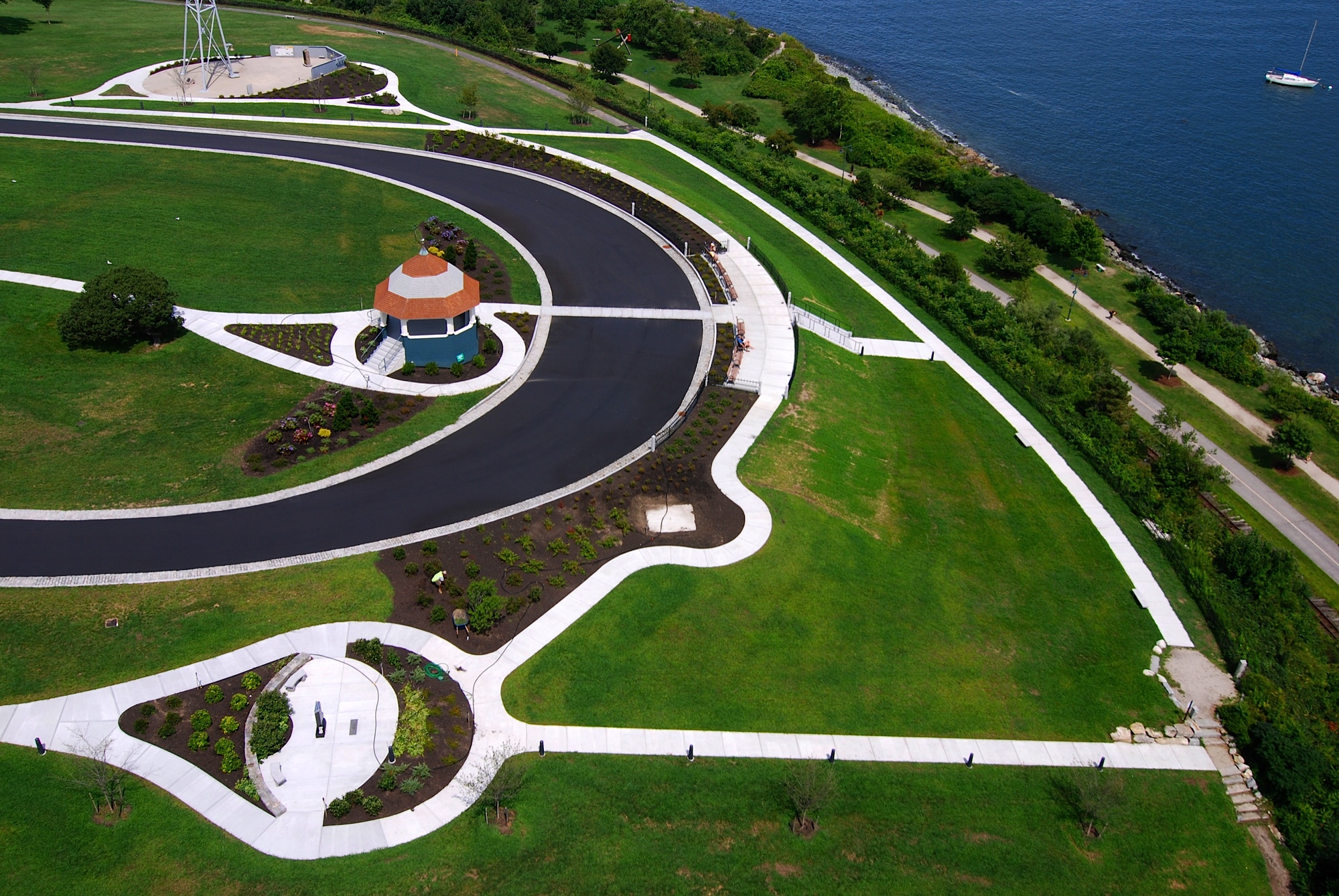
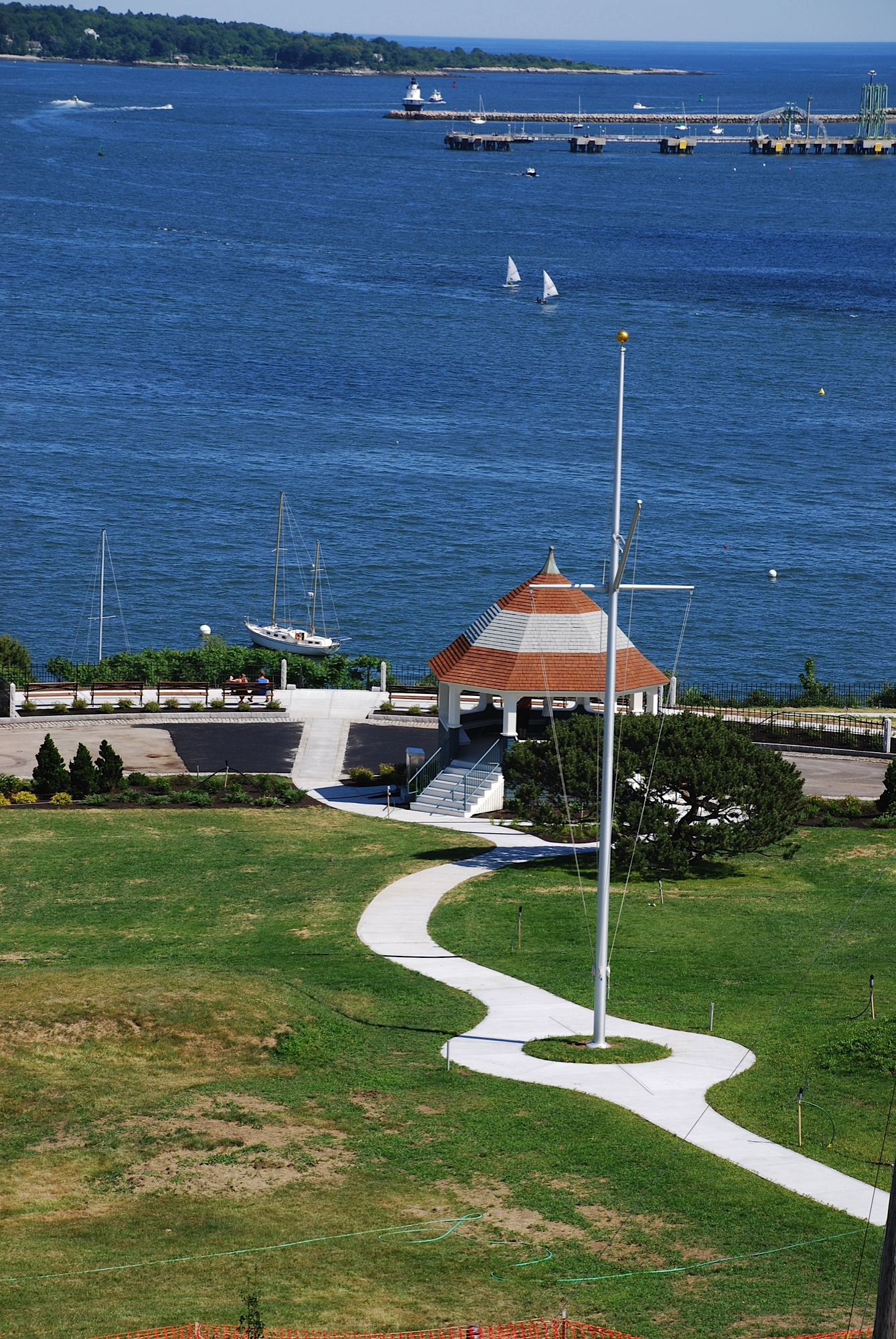
The condition of the historic Eastern Promenade and Fort Allen had declined from the glory years of 1890-1930. A 2004 master plan for the Eastern Promenade made numerous recommendations to restore the historic character of the park. In 2006 the Friends of Eastern Promenade were founded to help enact the plan’s recommendations. The Friends of Eastern Promenade commissioned a master plan specifically for Fort Allen. The City Council approved plan was completed in 2015 with support from the City of Portland and private donations.

Our Position

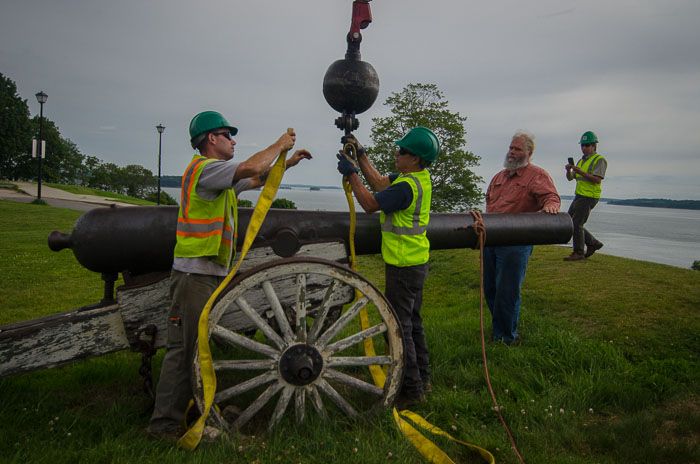
Fort Allen Park is listed on the National Register of Historic Places and is a designated City Landmark. Advocating for careful resource management of our historic public parks and funding for maintenance and improvements is an important part of the Landmarks' mission. Landmarks supported the Friends of Eastern Promenade in their efforts to restore the park's essential character-defining details, while accommodating modern memorials, universal access, and amenities. Project funding included the City of Portland Capital Improvement program, a Community Development Block Grant, and private fundraising.

2016 Preservation Award Winner!

Greater Portland Landmarks awarded the restoration of Fort Allen Park a 2016 Preservation Award.

Funding Partners:

Project Partners:

Capital Campaign Recognition Program:

Interpretive Panels made possible thru generous support of:

Press

Quick Links

What You Can Do

  • Take a walk on the Eastern Promenade.

  • Follow the work of the Friends of the Eastern Promenade and stay informed about their events on the prom.

  • Urge your City Councilor to support adequate funding for our parks and open spaces.

  • Subscribe to our mailing list to stay informed about advocacy efforts, educational programs, and upcoming events.

  • Support the advocacy efforts and education programs of Greater Portland Landmarks.

Martin's Point 

331 Veranda Street, Portland  |  2007 Preservation Award Winner

The Issue

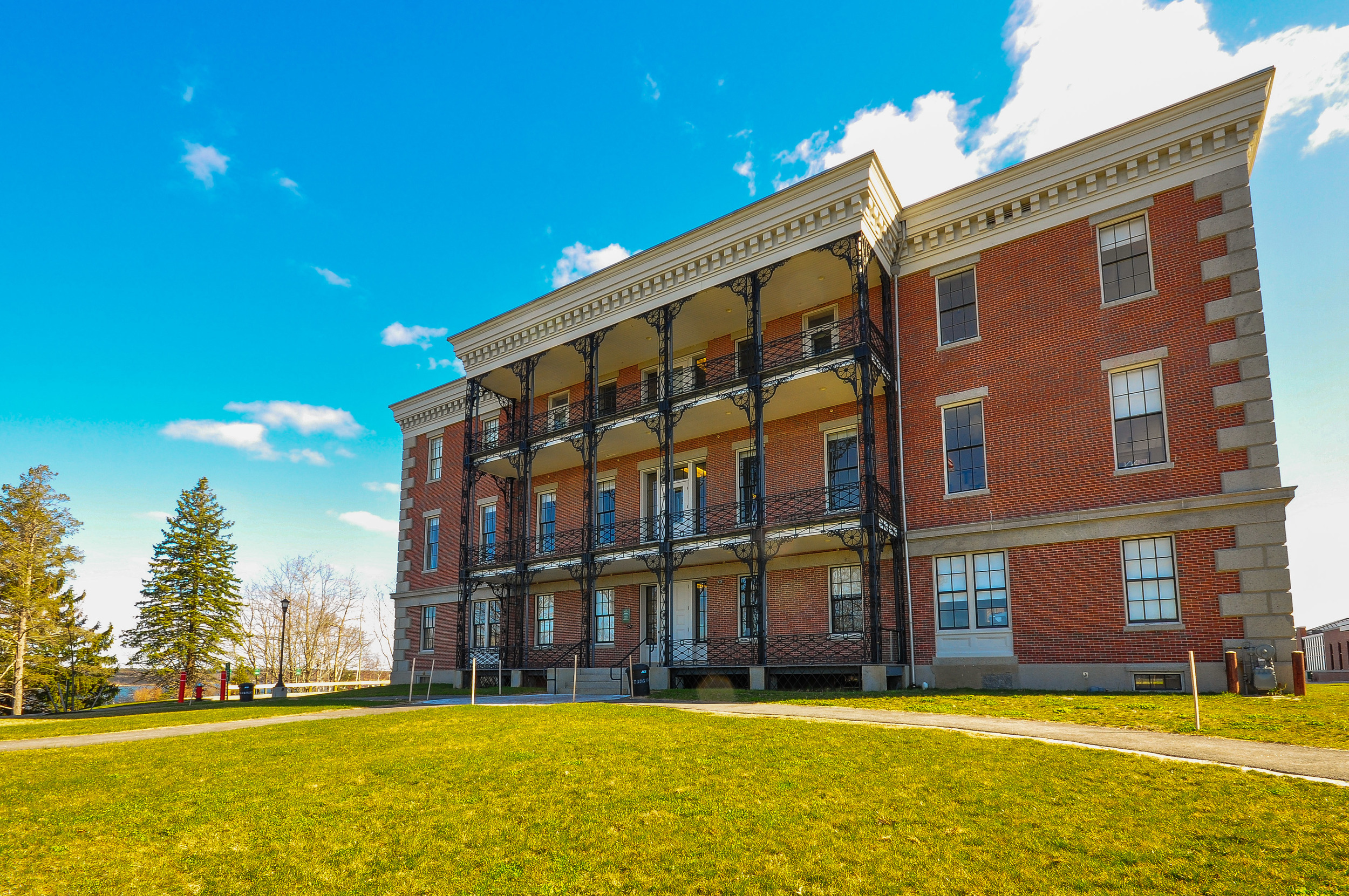
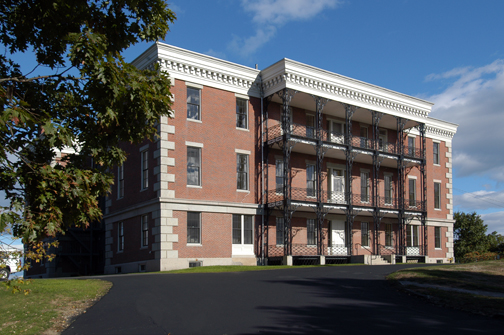
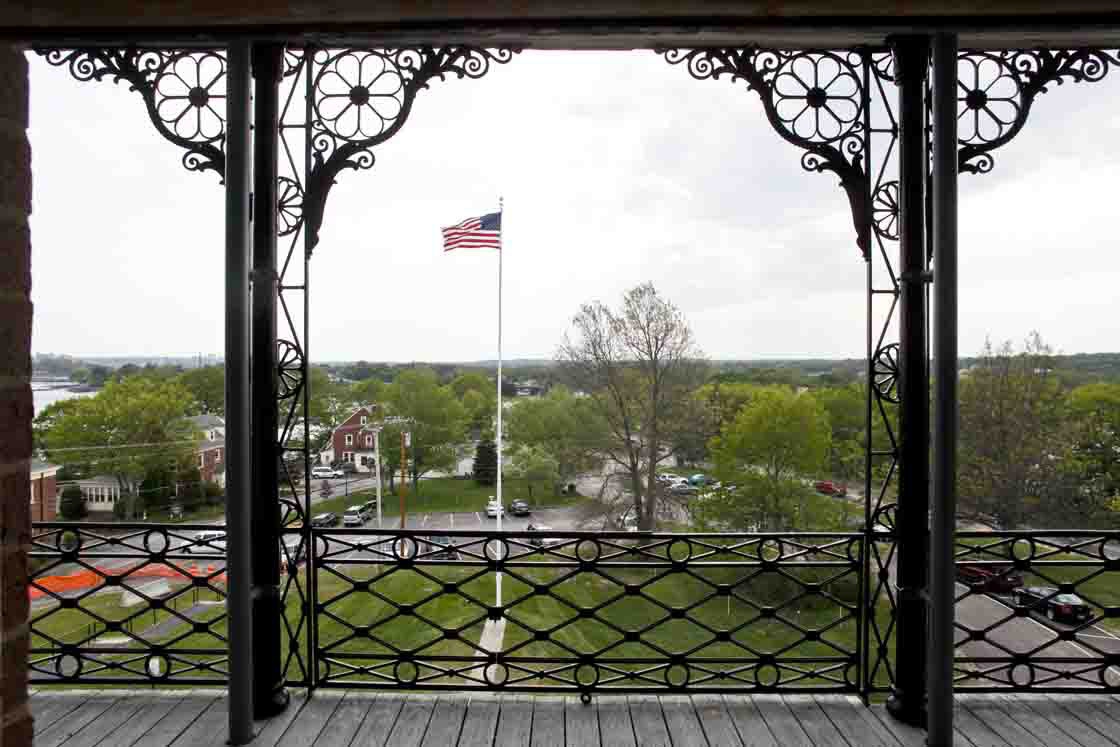
Martin's Point Health Care, Maine's largest primary care practice, needed to improve efficiency and comfort for its growing number of patients. The health care campus dates to the 1700s when it was established as a U.S. Marine Hospital. The most prominent building on the campus is the U.S. Marine Hospital (1859), designed by Ammi B. Young, the first supervising architect of the U.S. Treasury Department, a designated National Register Landmark. The H-shaped building, which occupies a beautiful prominent site at a gateway into Portland, is Italianate in style, with well-preserved cast-iron porches. A redesign of the health care facility and additional parking threatened some of the campus' historic buildings.

Our Position

Thanks to Martin's Point Health Care's creativity, perseverance, and passion to do the right thing, the historic U.S. Marine Hospital Campus has gained new life, along with well-designed new construction. The Campus addresses real community needs while preserving history and allowing the medical center to grow.

Greater Portland Landmarks awarded Martin’s Point Health Care a Special Preservation Honor Award for their efforts to preserve and reuse the U.S Marine Hospital in their redesign of the health care complex. 

Press

Quick Links

What You Can Do

  • Visit the historic U.S. Marine Hospital at Martin's Point.

  • Sign up for our newsletter to stay informed about advocacy efforts, educational programs, and upcoming events.

  • Support the advocacy efforts of Greater Portland Landmarks.

Portland's Historic Preservation Program 

Tracy-Causer Block '91 2.jpg

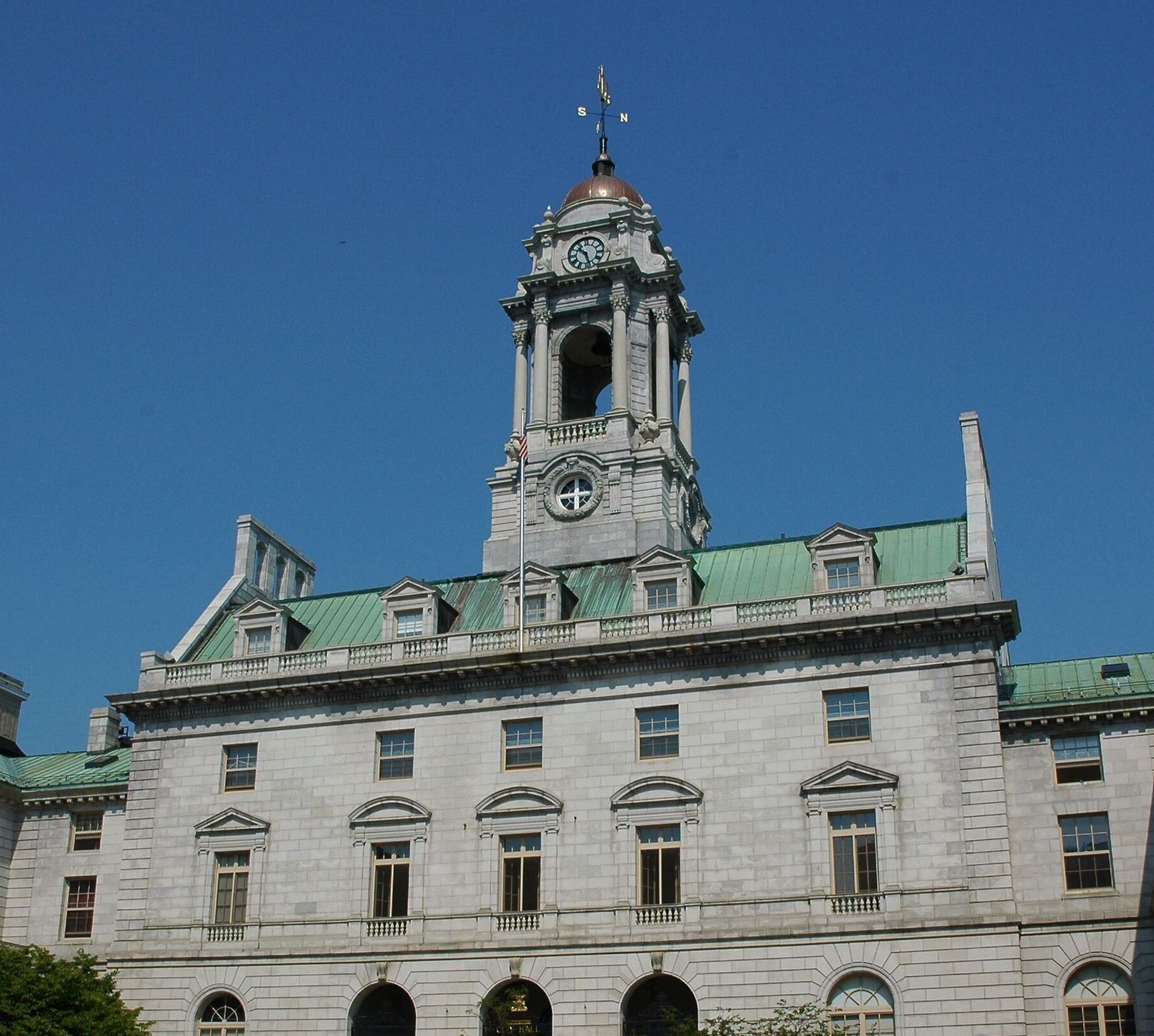
City Hall, Portland, Maine  |  2014 Preservation Award Winner

The Issue

Our historic architecture is one of the major character defining features of Portland. It is an important part of what gives Portland a competitive advantage in attracting and retaining creative people and people who want to live in proximity to creative people.

After the demise of Union Station in 1961 for construction of a strip mall historic preservationists gathered to establish Greater Portland Landmarks. Although the city suffered a series of demolitions along the newly created Franklin and Spring Street arterials, Landmarks was able through grassroots efforts to save many of the city’s historic neighborhoods. Using National Register designations to mitigate the effects of federal transportation projects and educating homeowners on effective preservation techniques, Landmarks worked to encourage individuals to protect their historic homes and neighborhoods.  At the same time, Landmarks urged the city to adopt protections for historic buildings. 

Our Position

In 1990 the City of Portland adopted a comprehensive historic preservation ordinance protecting historically and architecturally significant buildings, landscapes, and sites from demolition and provided review standards to ensure compatible changes. The Historic Preservation Program is overseen by a seven member citizen board that reviews and approves applications for exterior alterations, site improvements, and new construction affecting designated landmarks as well as buildings and sites within historic districts. The board also recommends the designation of additional landmarks, historic districts, and historic landscape districts to the Planning Board and City Council.

Greater Portland Landmarks awarded the members and staff of the Historic Preservation Committee/Board from 1990-2014 a Preservation Honor Award for their service in preserving Portland’s historic resources. 

Quick Links

What You Can Do

  • Support Landmarks' advocacy efforts and educational programs.
  • Sign up for our mailing list to stay informed about our advocacy efforts, including meetings and public hearings at City Hall.

Chestnut Street Church

15 Chestnut Street, Portland  |  2009 Preservation Award Winner 

The Issue

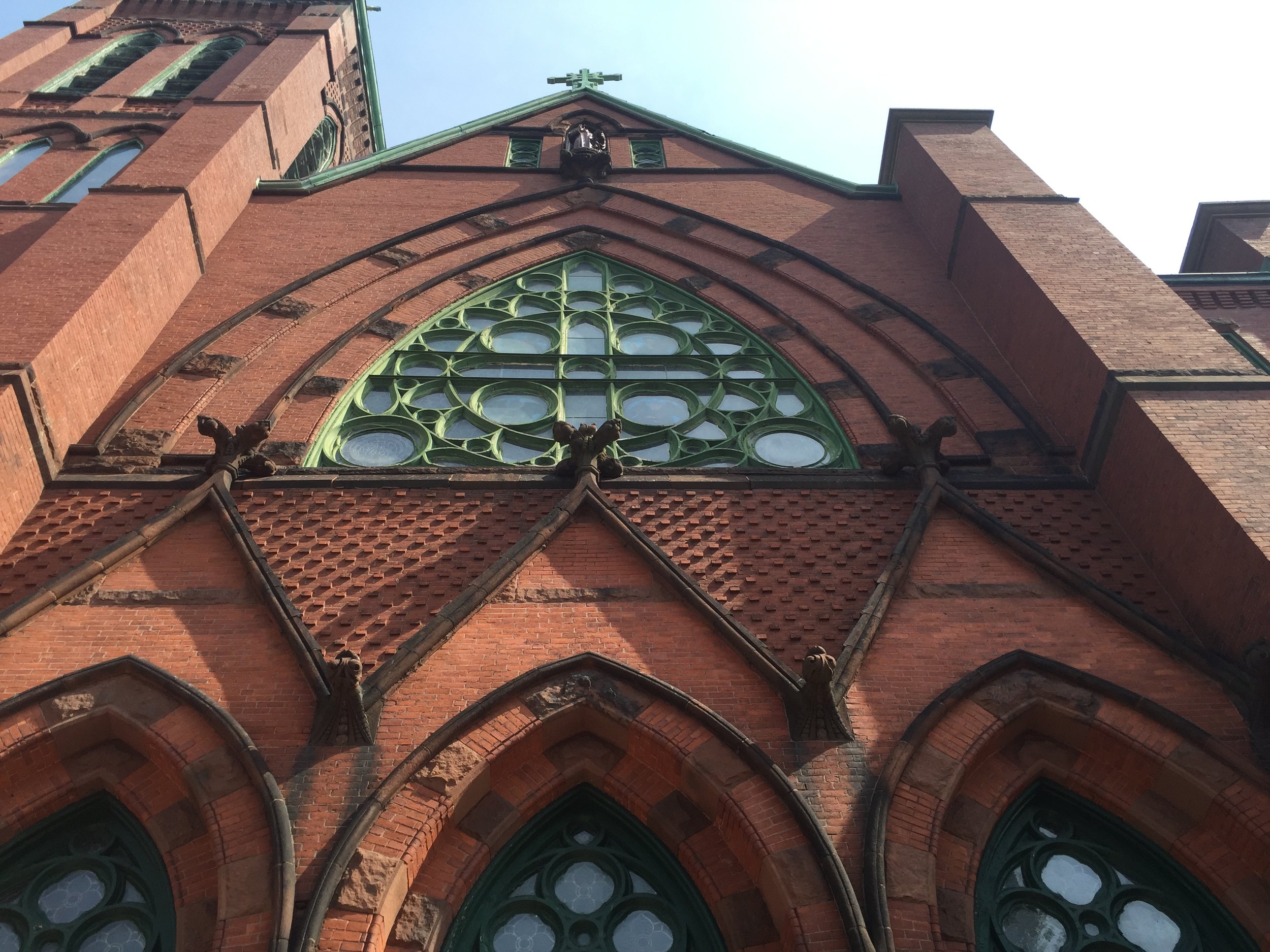
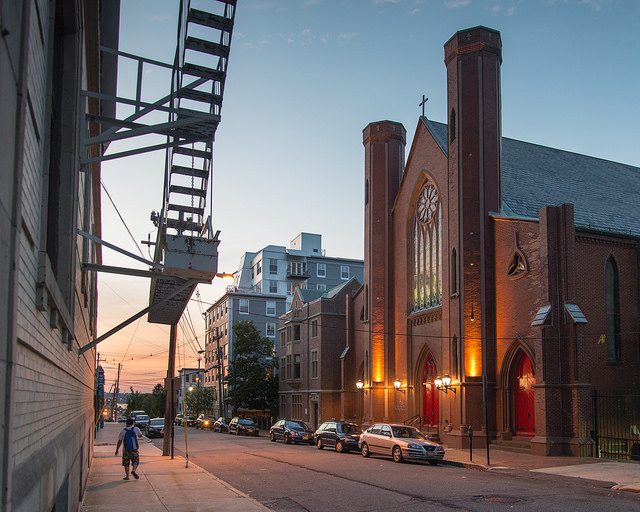
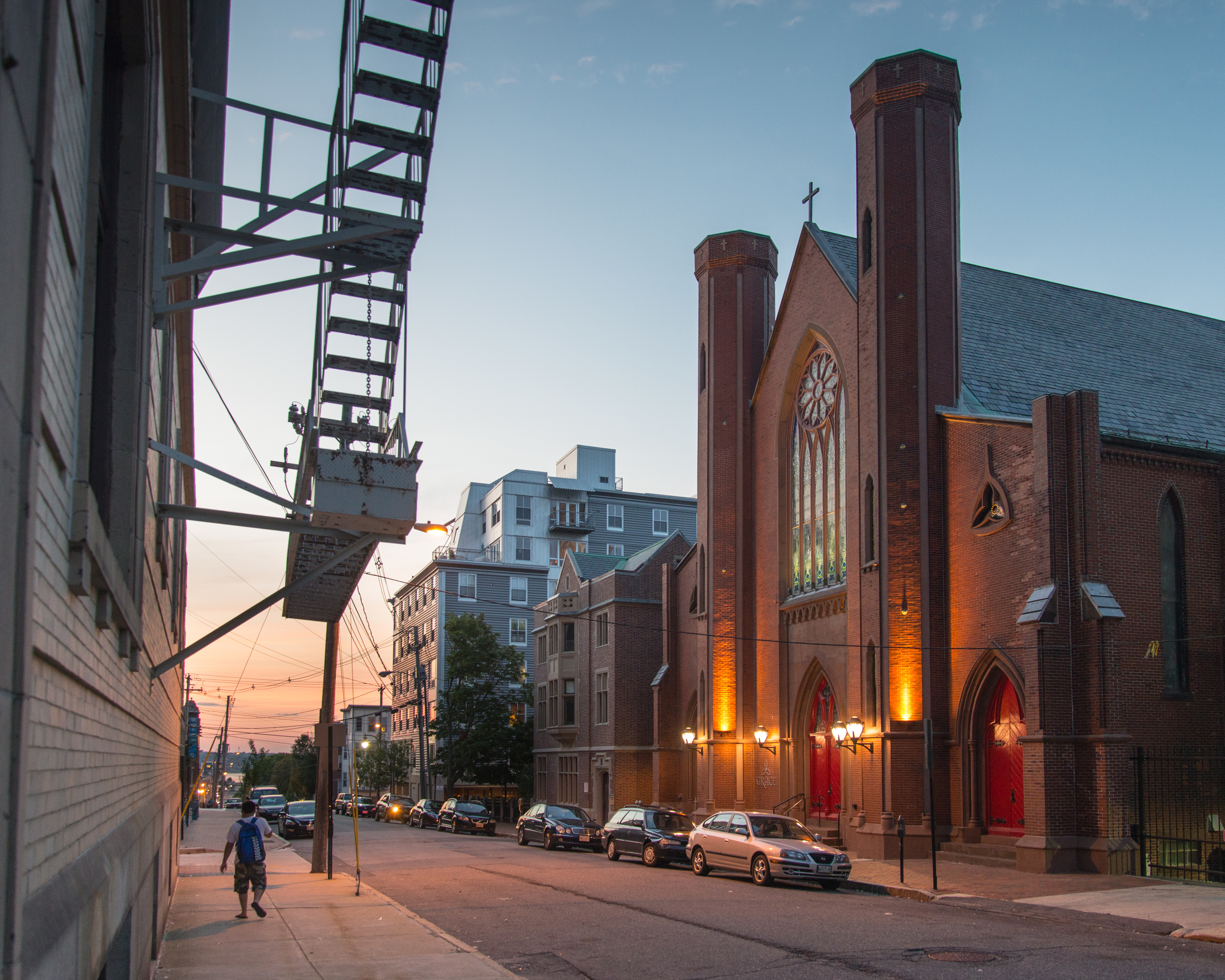
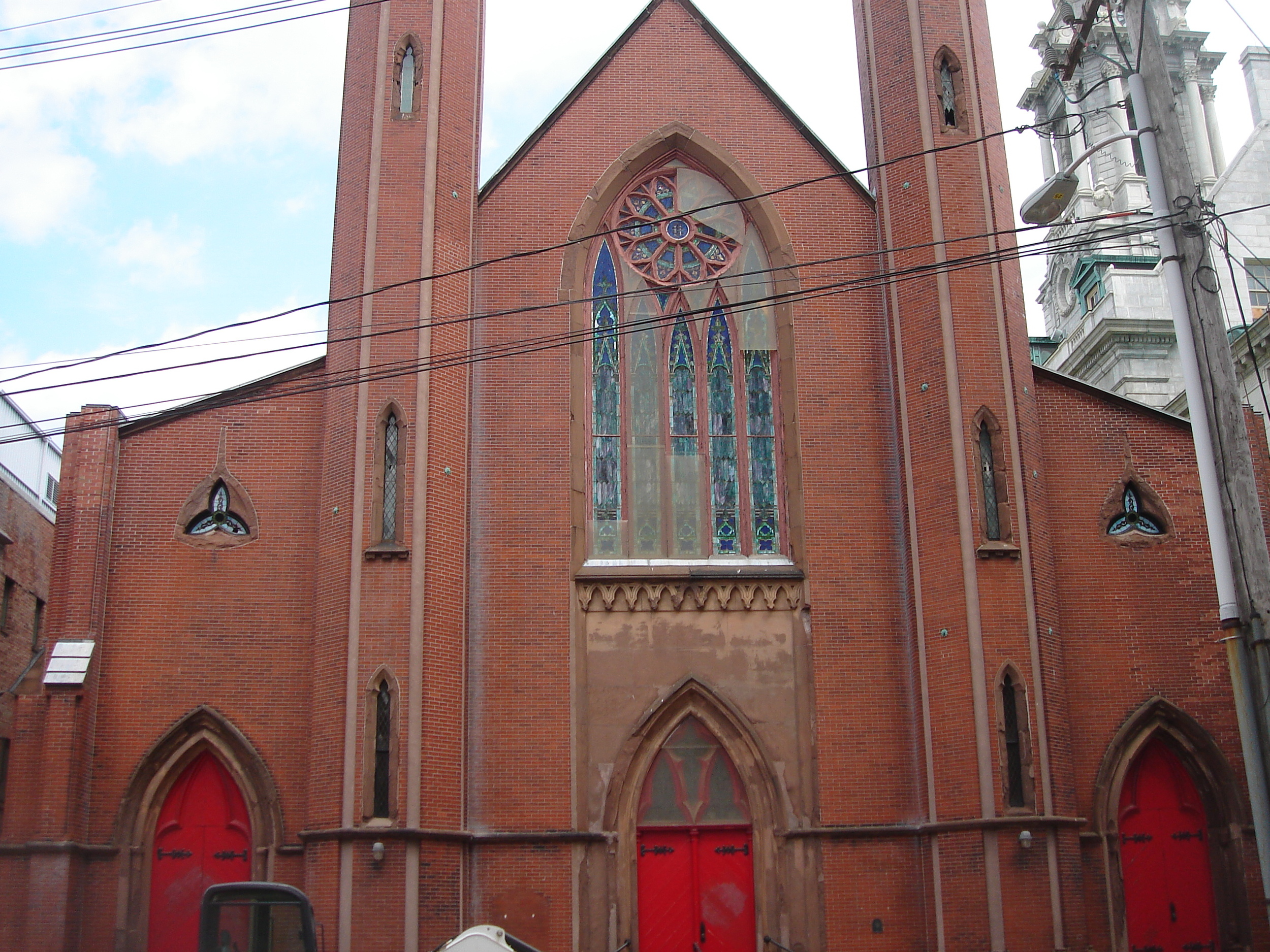
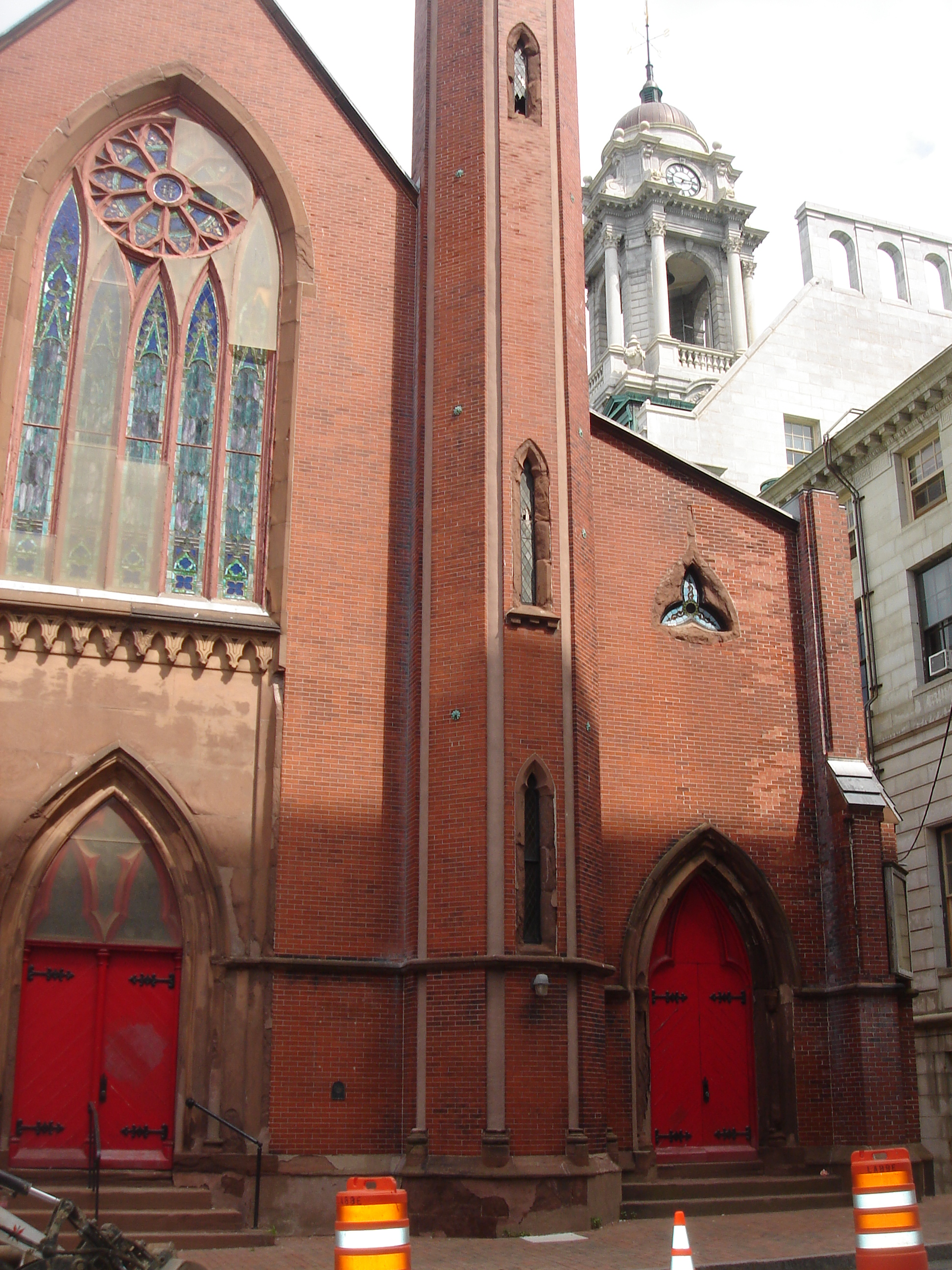
Formerly the Chestnut Street Church (1836) the building is one of Portland’s few surviving examples of early Gothic Revival architecture. It is also one of the few surviving examples of the work of Charles Alexander, one of the most accomplished local architects of the 1850s and 1860s. The church survived the Great Fire of 1866 while half the city’s churches and commercial buildings were destroyed. The Church was abandoned in 2005 and stood vacant for several years.
Our Position

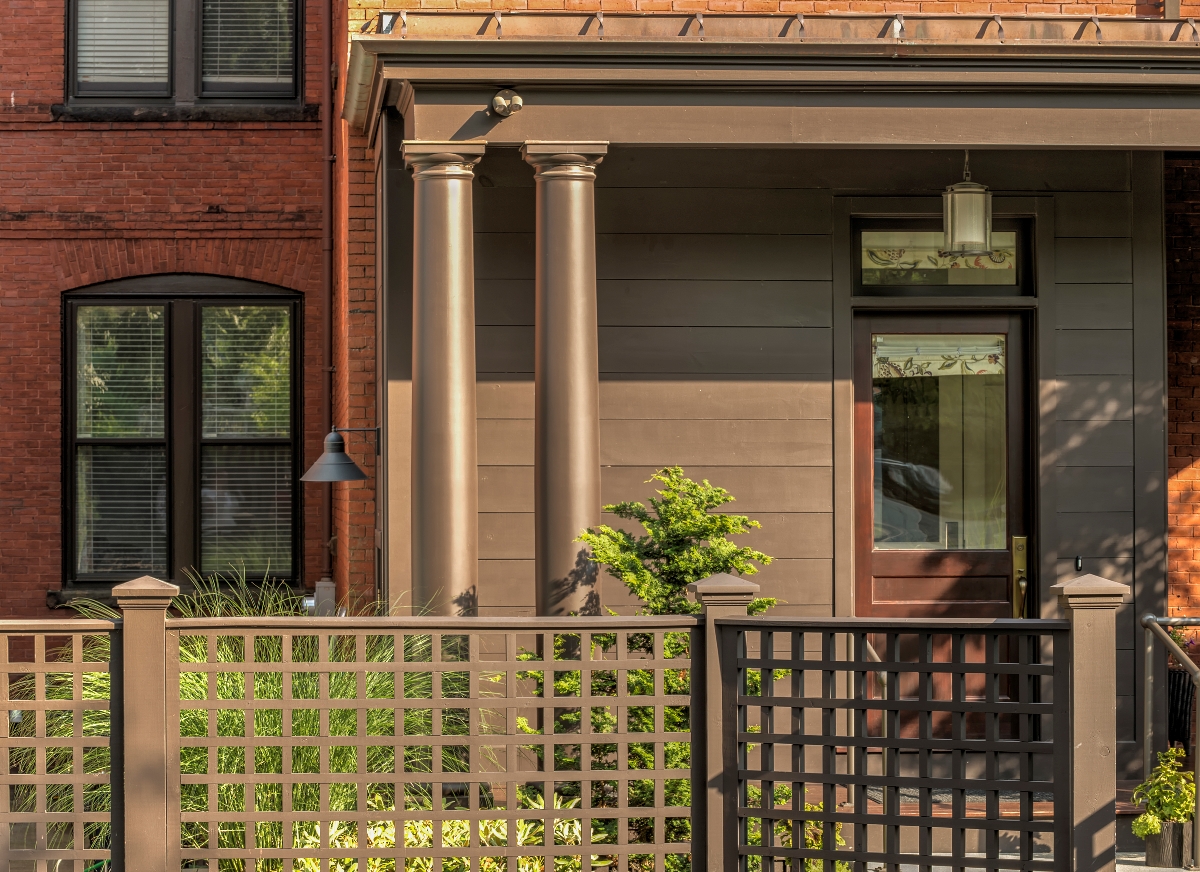
When local restaurateur Anne Verrill first saw the abandoned church, she realized the beautiful space could become a special new restaurant. The restoration of the church to its original beauty while upgrading it to serve as a high end restaurant was an expensive proposition. The project would not have been possible without the use of historic preservation tax credits.  With a new identity and vibrant role in our community’s life this project preserves a distinctive Portland landmark.

Greater Portland Landmarks awarded Anne Verrill a Special Preservation Honor Award to celebrate her courage and vision in preserving the landmark church, including its beautiful stained glass windows, and in creating a dramatic contemporary interior that celebrates the historic architecture and support its new use as Grace Restaurant. 

For her role in preserving the former churches stained glass windows, Greater Portland Landmarks awarded Robin Neeley a Special Preservation Honor Award. The stained glass restoration preserves a distinctive feature of the landmark building.

Press

Quick Links

What You Can Do

  • Treat yourself to a meal at Grace Restaurant on Chestnut Street.

  • Download our self-guided walking tour, Stained Glass and Tall Steeples.

  • Sign up for our newsletter to stay informed about advocacy efforts, educational programs, and upcoming events.

  • Support Landmarks' advocacy efforts.

Brick Hill

5 Red Oak Drive, South Portland  |  2006 Preservation Award Winner

The Issue

When the state vacated the former Maine Youth Center, the re-use of the 60-acre campus was a daunting task for any developer. Converting the former institution for troubled youth, with its bleak and negative associations was a big challenge. In addition the campus has several unusual neighbors like the Long Creek Youth Development Center and the Portland Jetport.

Our Position

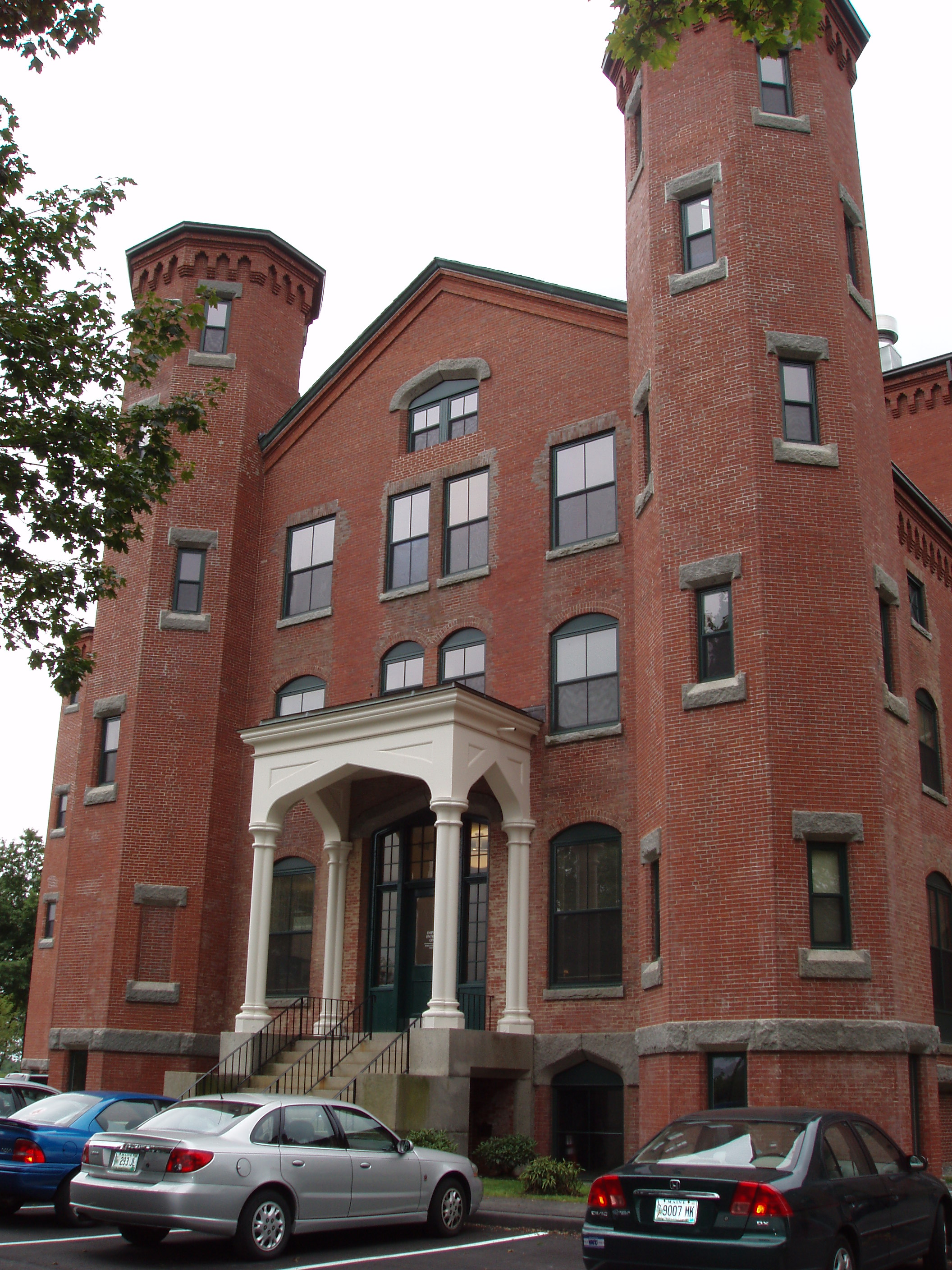
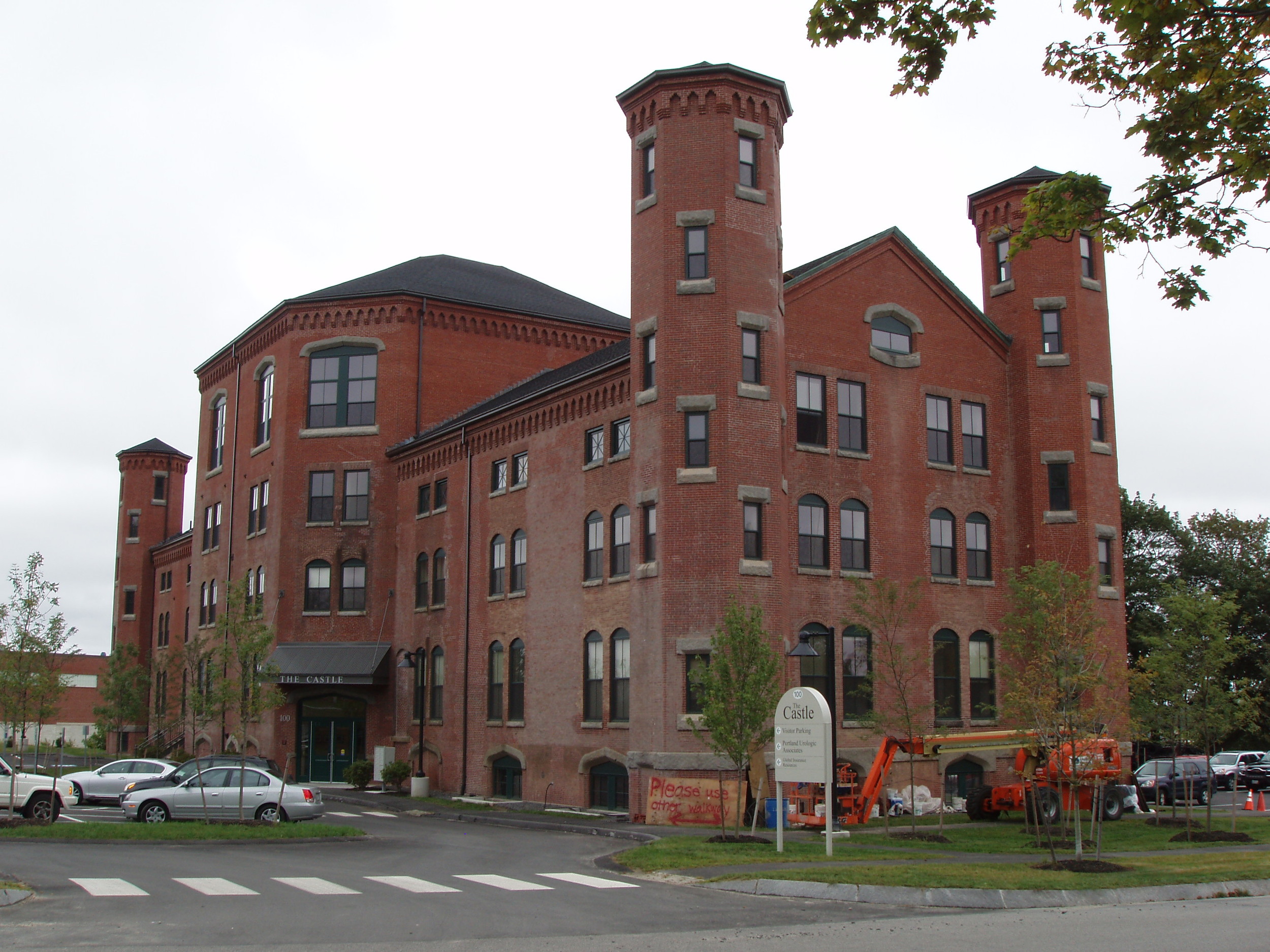
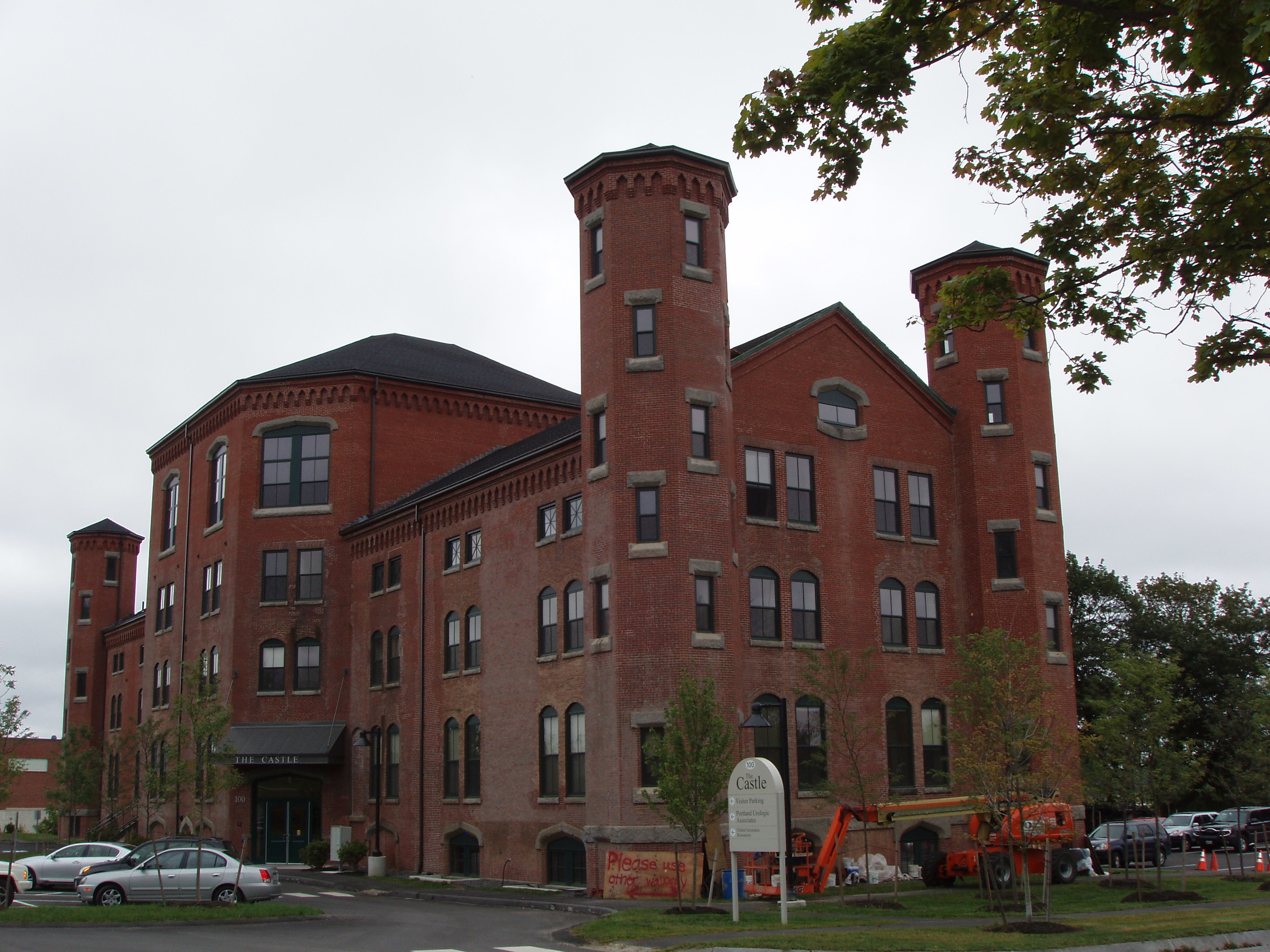
Portions of the campus, including turn-of-the-century cottages designed by John Calvin Stevens , George Coombs, and Eugene Gibbs were easier rehabilitation projects. New residential apartments in the historic cottages complement the new construction built near the entrance to the campus. The former work farm’s barn, designed in 1903 by Coombs and Gibbs, was remodeled for the Youth Alternatives Family Center. The biggest challenge was the redevelopment of the 50,000 square foot red brick Elizabethan administration building, built 1851-1853 and known as The Castle for its turrets and arched windows and doors. So big was the challenge that state and local officials recommended demolition of the iconic building. Developer Richard Berman and his team of consultants and engineers took a different approach, doing what was necessary to make the building sound without wholesale replacement of the building’s structure.  Berman and his team gave the building new life, redeveloping The Castle into office space. 

Greater Portland Landmarks awarded Richard Berman a Special Preservation Honor Award for his efforts at Brick Hill, particularly for his redevelopment of the Castle.

Press

Quick Links

What You Can do

  • Visit the Brick Hill site in South Portland.

  • Join our mailing list to stay informed about advocacy efforts, educational programs, and upcoming events!

  • Support the advocacy efforts of Greater Portland Landmarks.

Twitchell Champlin Building

(Pierce Atwood)

254 Commercial Street, Portland, Maine  |  2013 Preservation Award Winner

The Issue

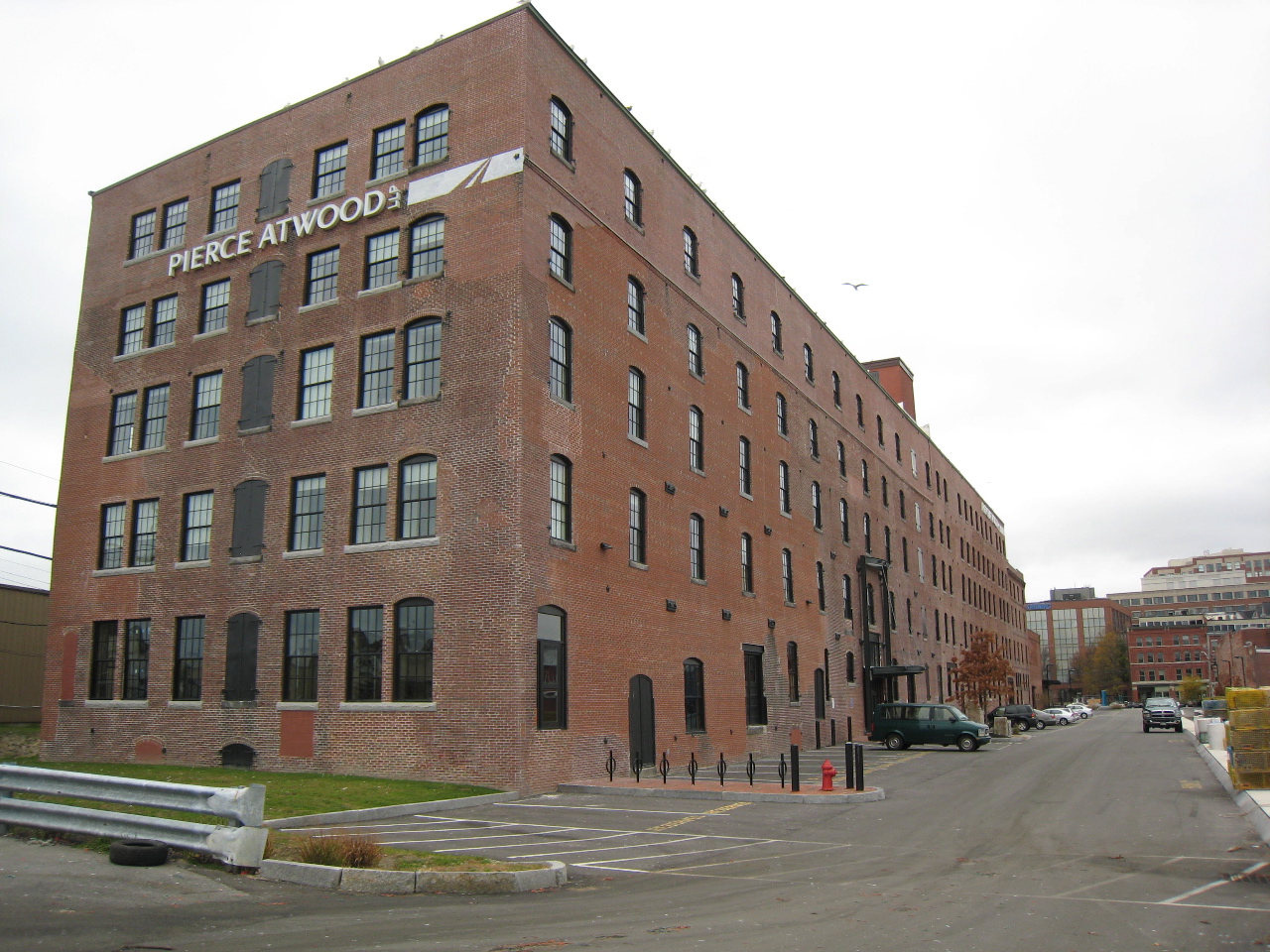
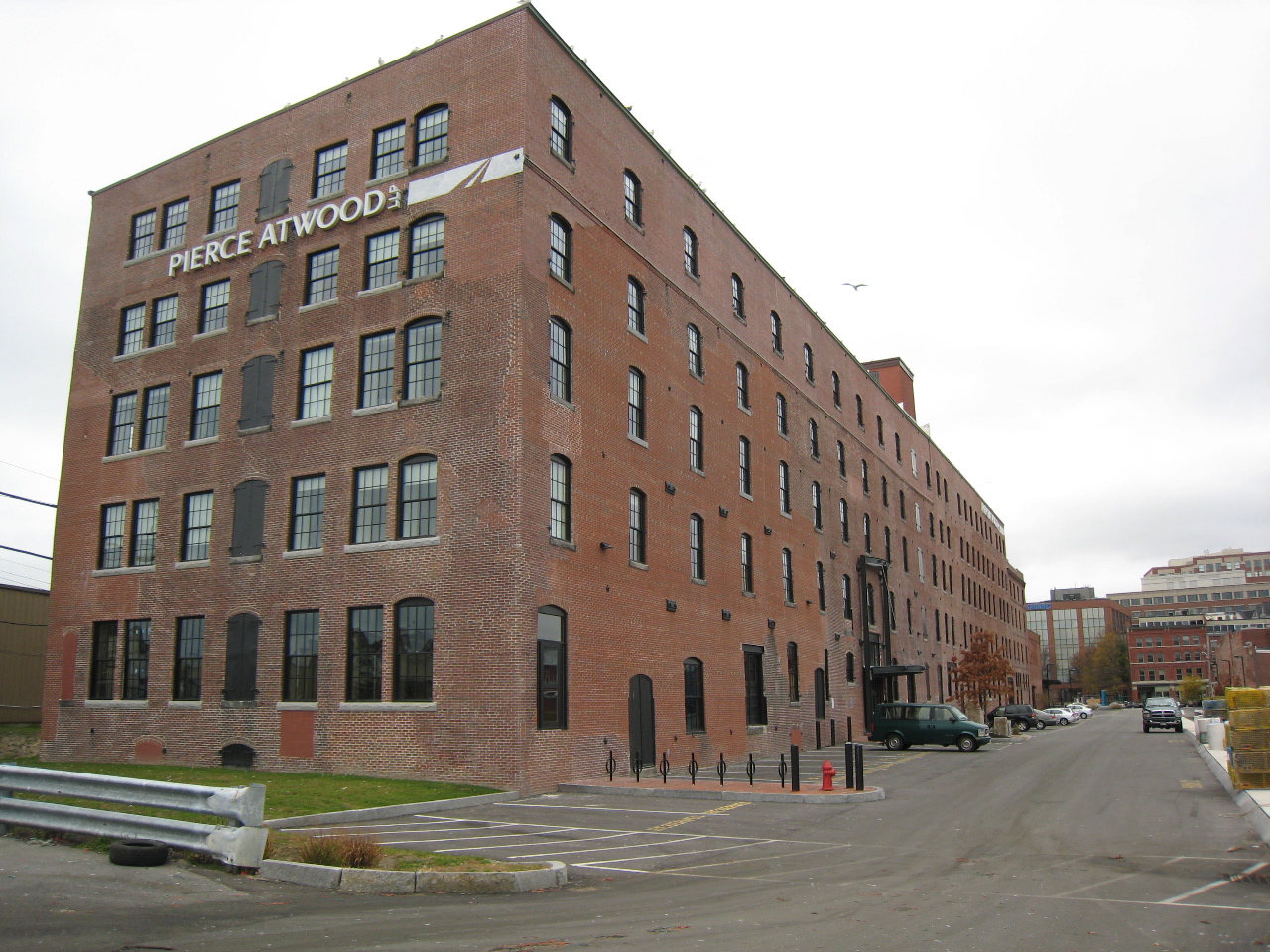
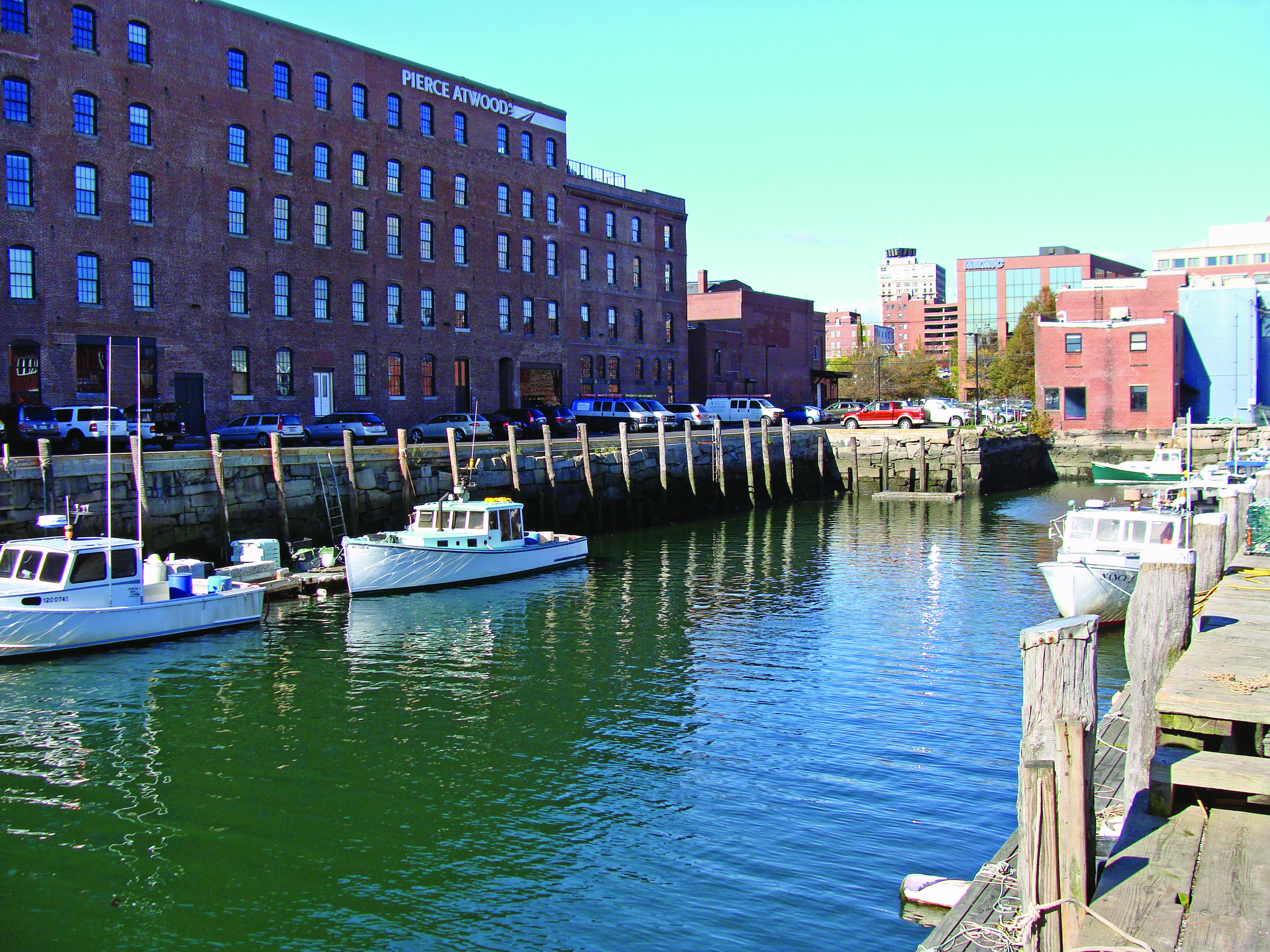
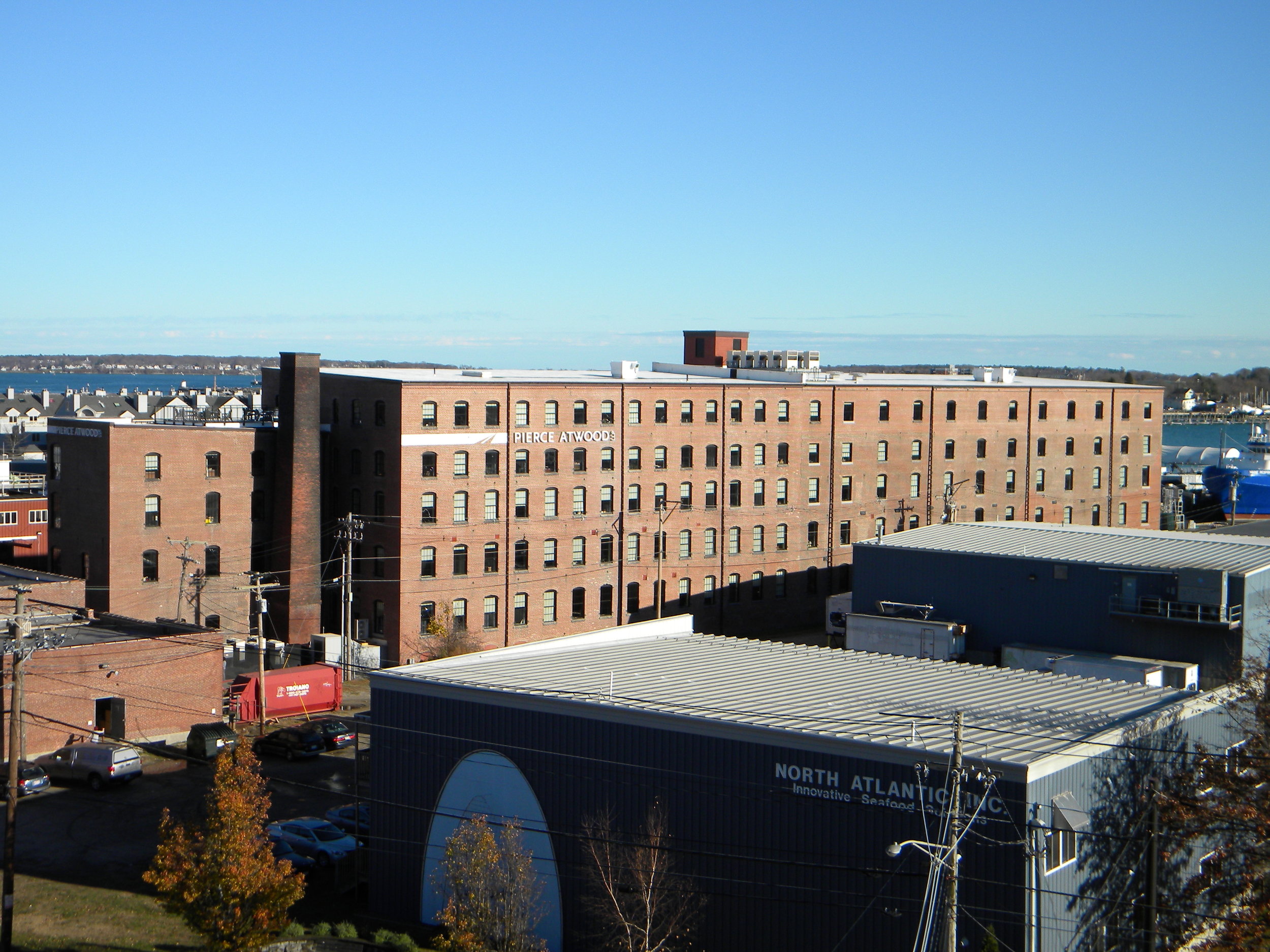
The Twitchell Champlin Building (1884-1924) was a former spice mill and canning plant. After its industrial use ended, the building was altered for use as a cold storage building. That use lead to a deterioration of its masonry walls. 

Our Position

The leaders at Pierce Atwood were looking to relocate from a downtown office building and saw the potential in this underutilized former manufacturing plant on the waterfront. Using historic tax credits this Twitchell Champlin Building project demonstrates the major role that historic preservation plays in economic development. The new office space has brought workers to the western portion of the waterfront, increasing pedestrian activity along the sidewalks, and adding customers that patronize small businesses in the area.

Greater Portland Landmarks awarded Pierce Atwood their 2013 Special Preservation Honor Award to celebrate their leadership and vision in revitalizing this former manufacturing building. A creative interior design integrates architectural elements of the historic building and the reuse of this building has brought new energy to the western portion of Portland’s historic Commercial Street.

Press

Quick Links

what You Can Do

  • Support Landmarks' advocacy efforts

Porteous, Mitchell, & Braun Building

(Maine College of Art)

522 Congress Street, Portland, Maine   |  2013 Preservation Award Winner

The Issue

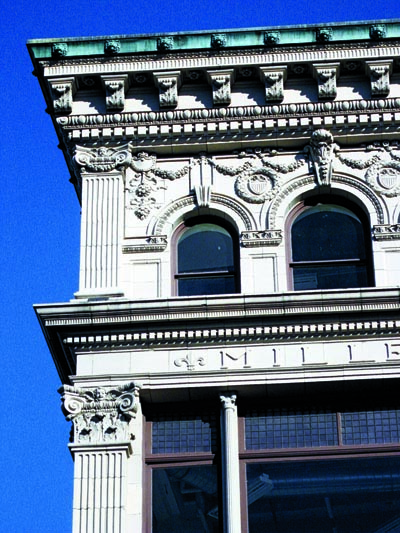
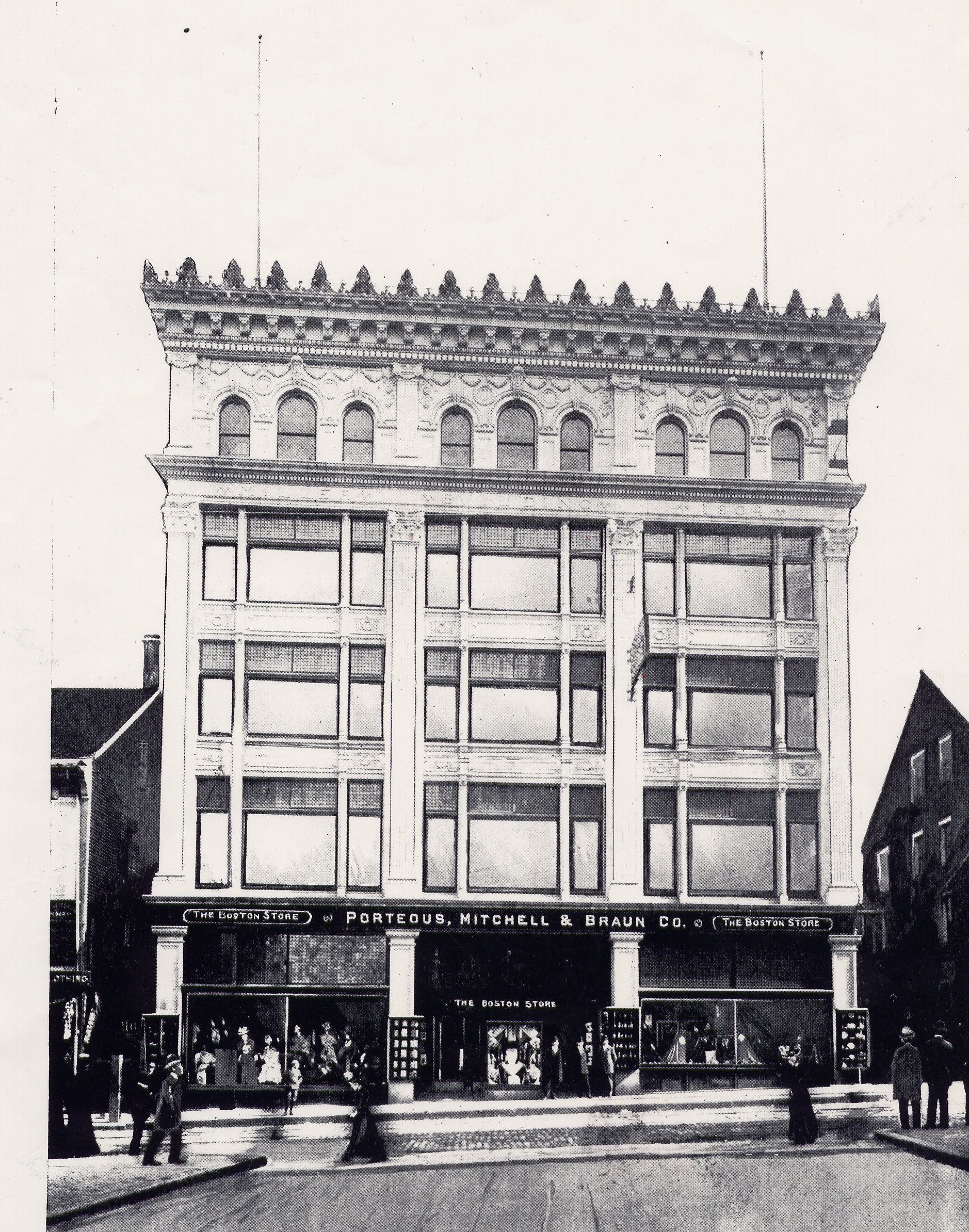
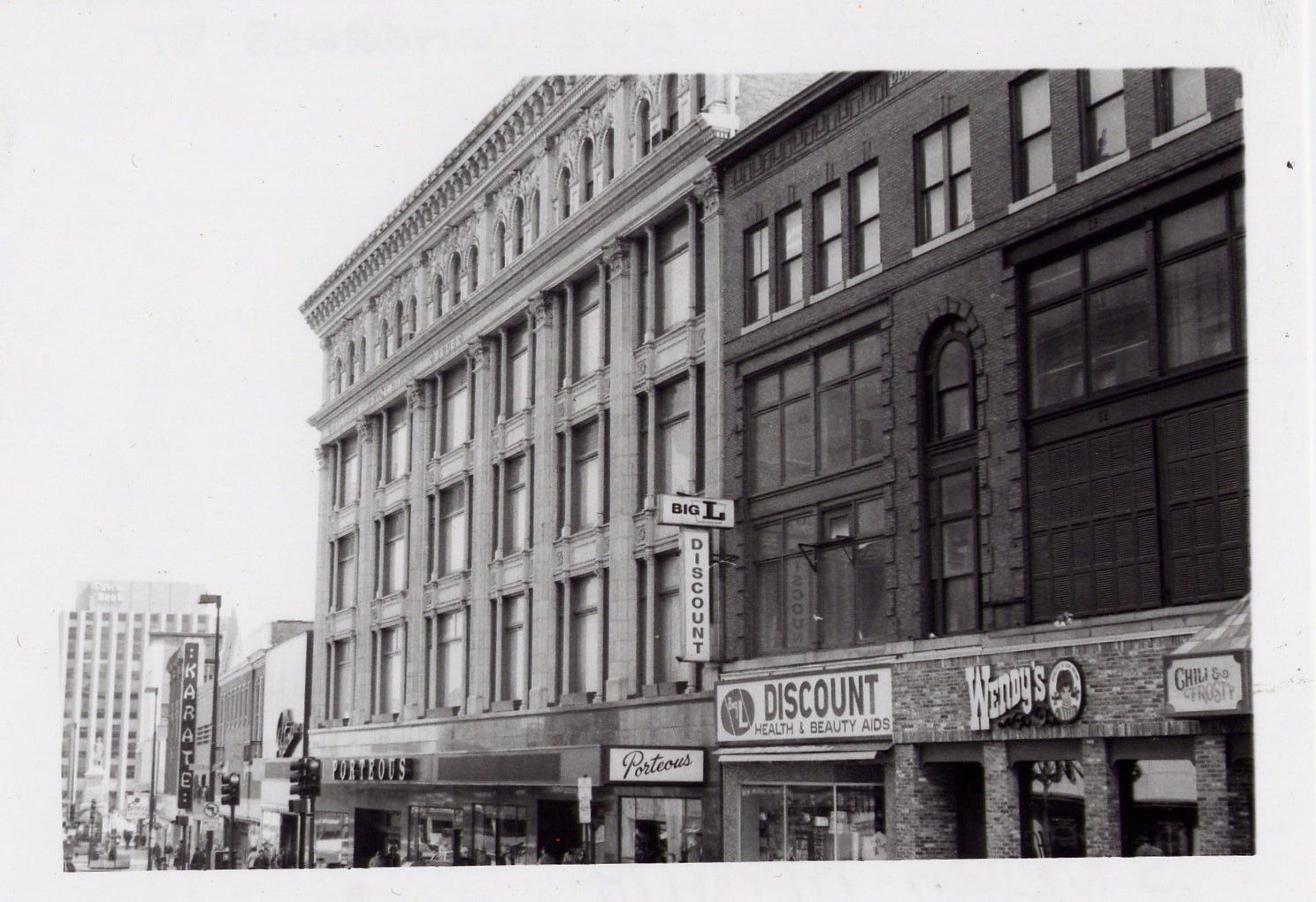
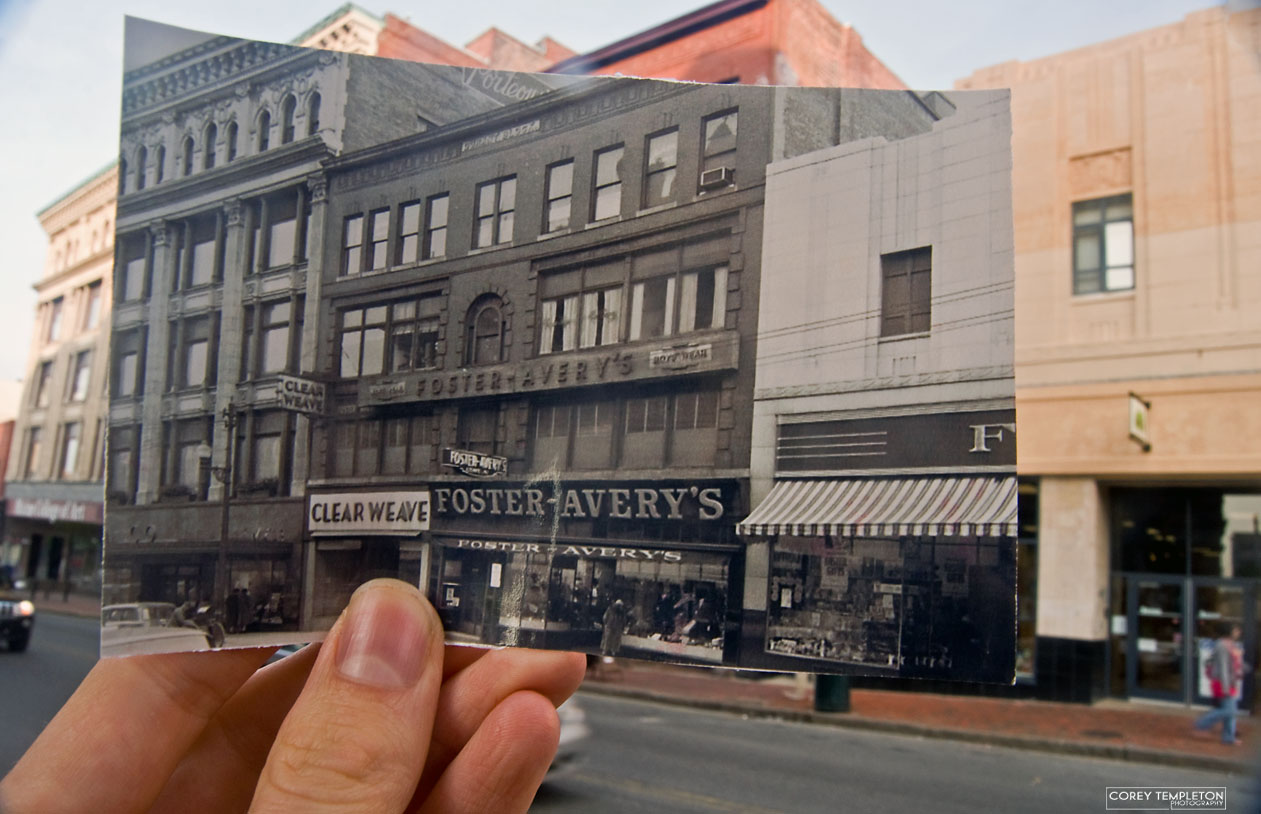
In the second half of the 20th century, the large department stores that once lined the Congress Street shopping district closed or relocated to suburban shopping centers. The Porteous, Mitchell and Braun Department Store was one of the last department stores to leave downtown in the early 1990s. Its Chicago Style Miller Building with Beaux Arts decoration was briefly used as warehouse storage after the store closed. The loss of key anchors like Porteous was a serious blow to the remaining businesses and tenants along Portland’s major street.

Our Position

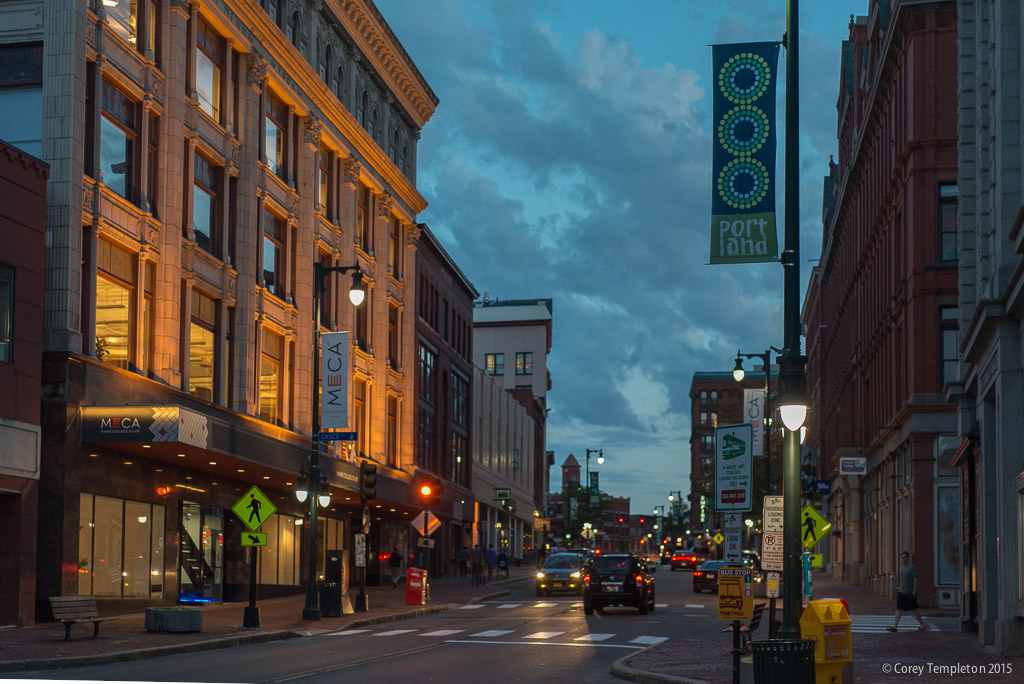
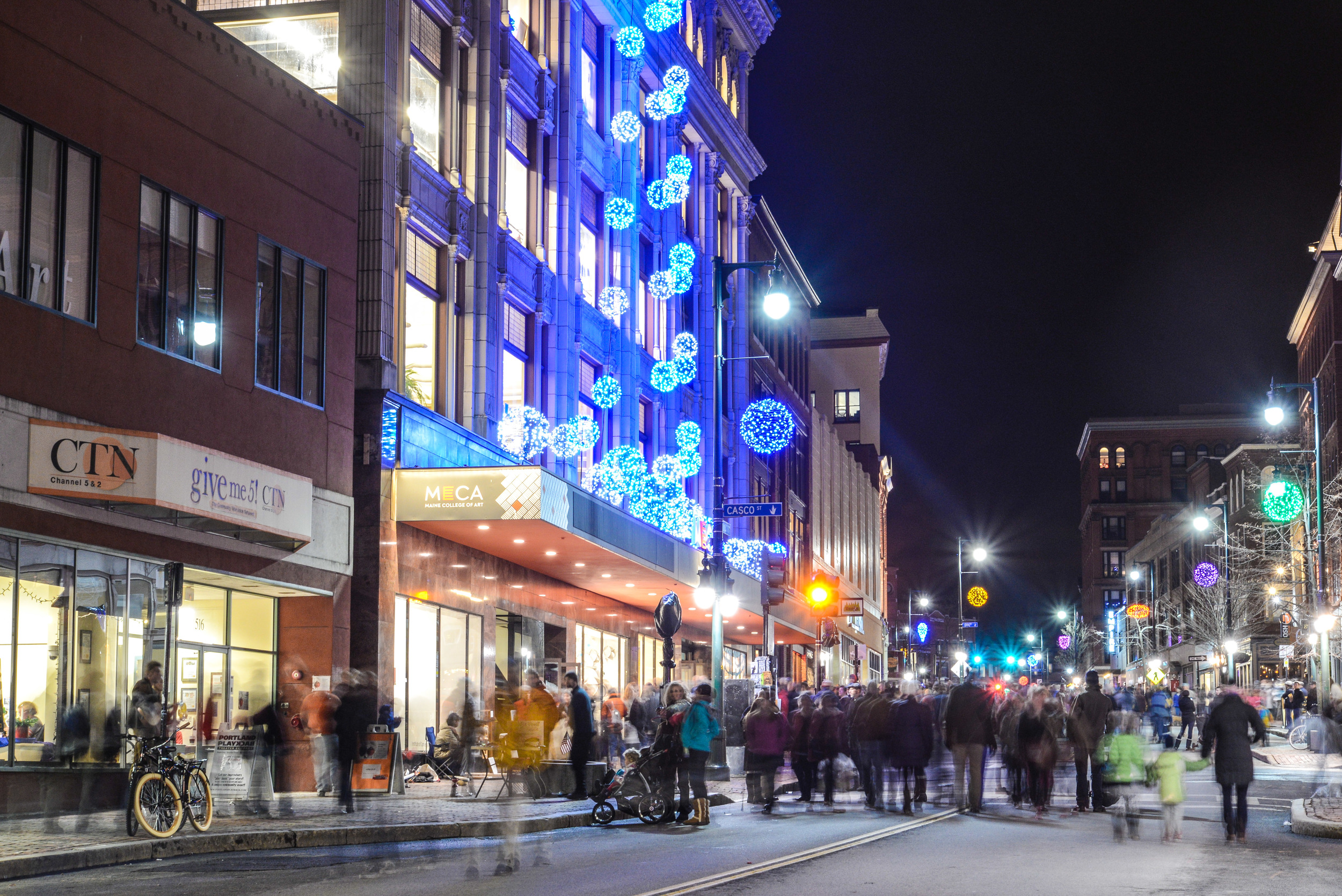
In the 1990s the Maine College of Art (MECA) took a leap of faith and acquired the Porteous Building. MECA began the process of rehabilitating the former store and consolidating its programs into this prominent site. The restoration incorporates many of the historic building’s character defining features. The revitalization of this large building has brought new vitality to Congress Street and serves as an important anchor in the city’s Arts District. In 2009 the Miller Building was designated a landmark building in the Congress Street Historic District.

Greater Portland Landmarks awarded the Maine College of Art their 2011 Special Preservation Honor Award to celebrate the preservation and revitalization of this beautiful landmark building in the Congress Street Historic District.

Press

Quick Links

What you Can Do

  • Take our self-guided walking tour of the Congress Street Historic District and visit the Porteous, Mitchell and Braun Building

  • Support the educational programs of Greater Portland Landmarks


Lower Hay Block

Free & Middle Streets, Portland, Maine  |  2014 Preservation Award Winner

The Issue

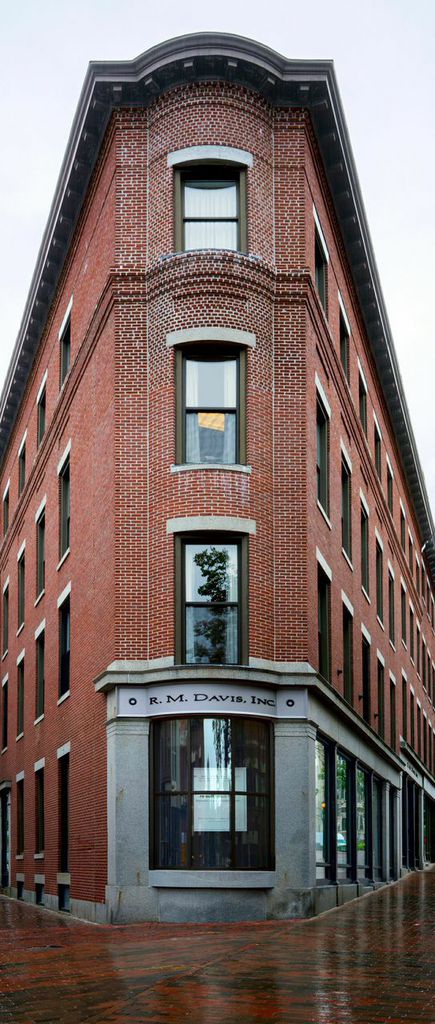
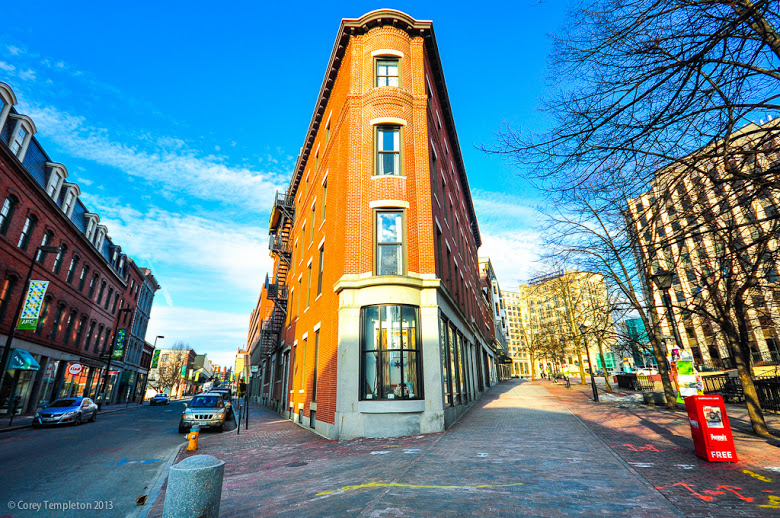
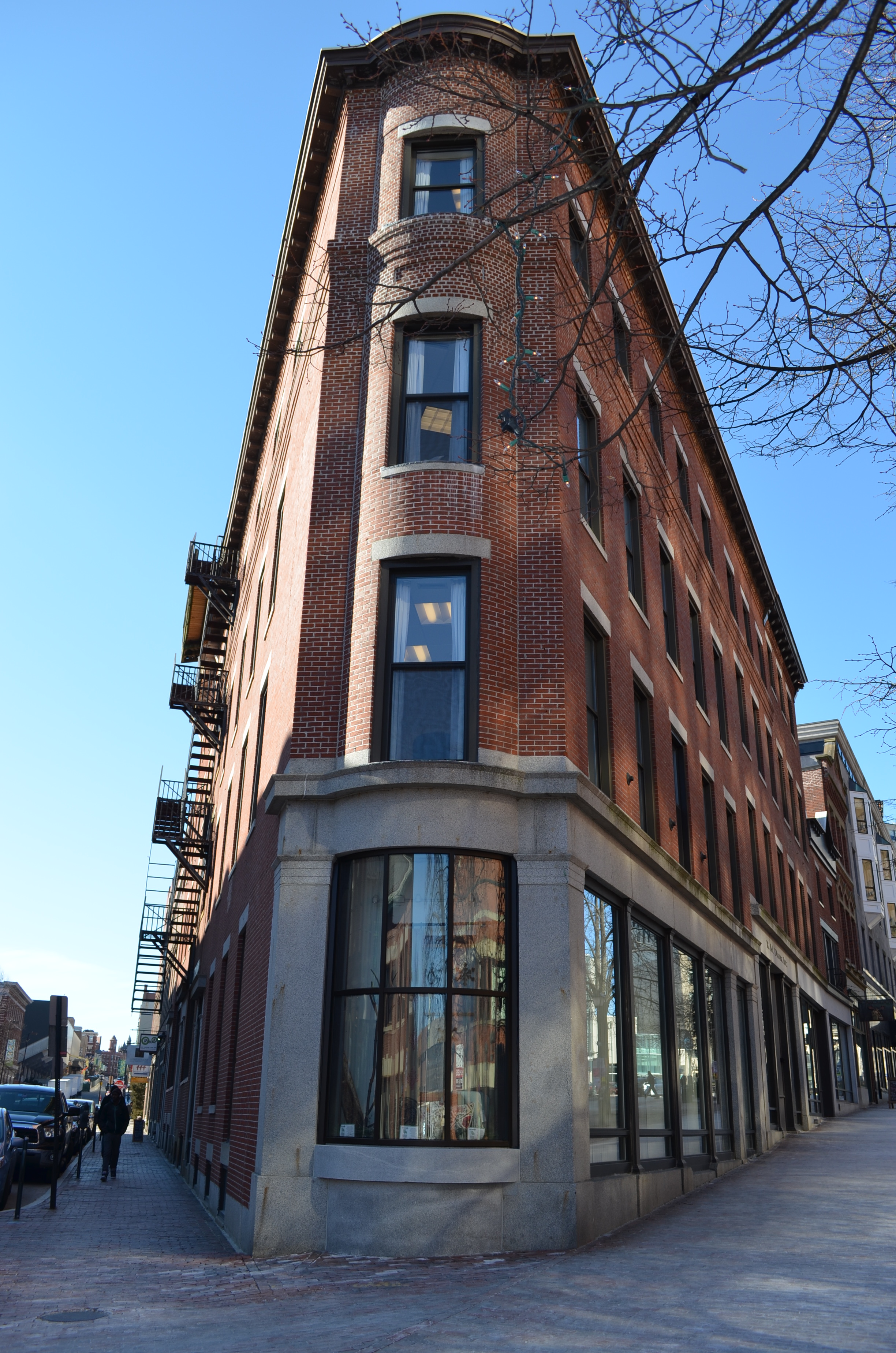
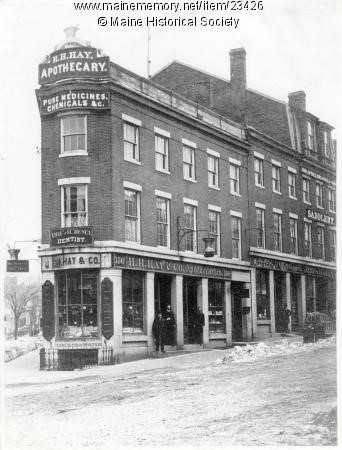
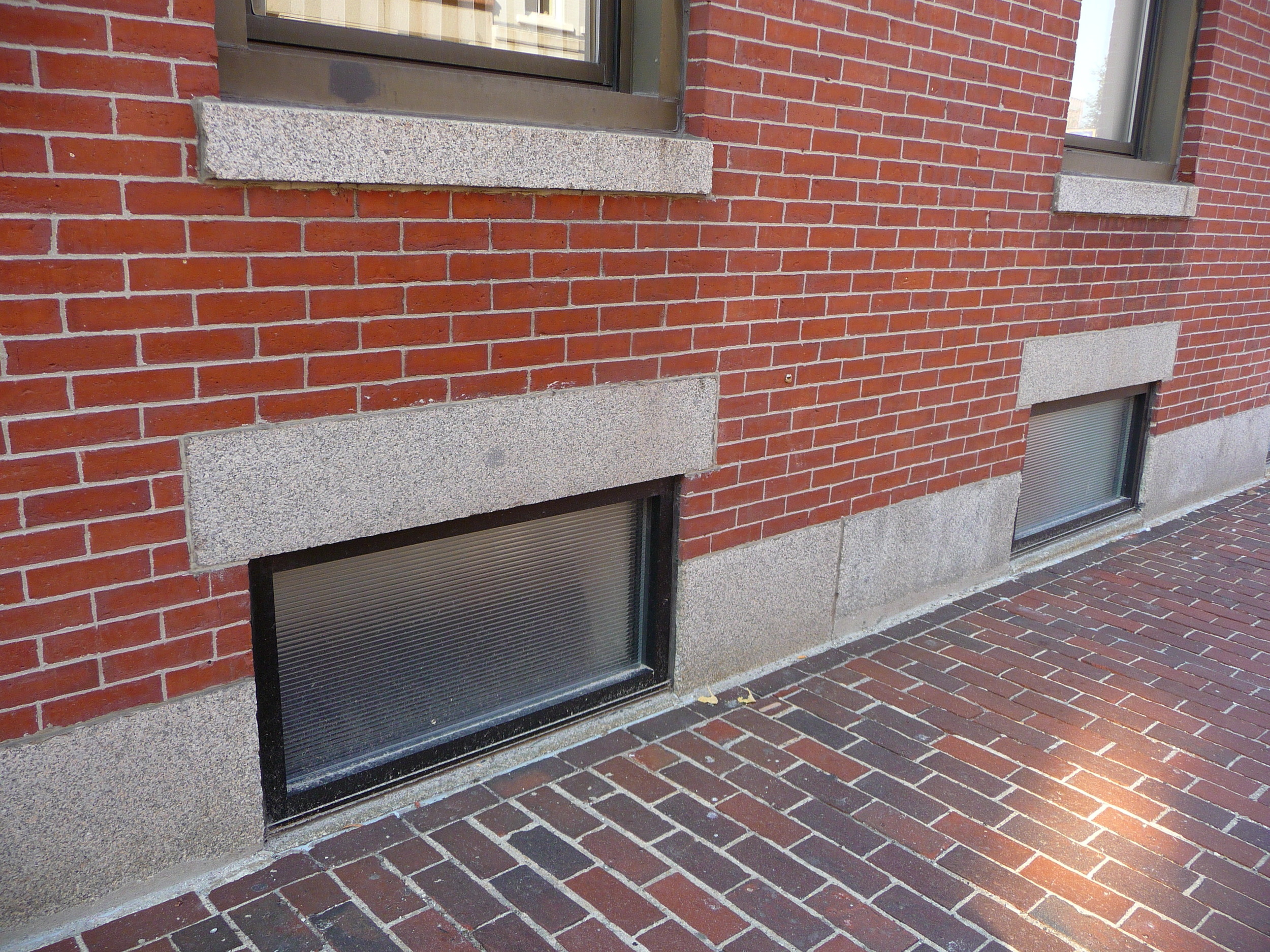
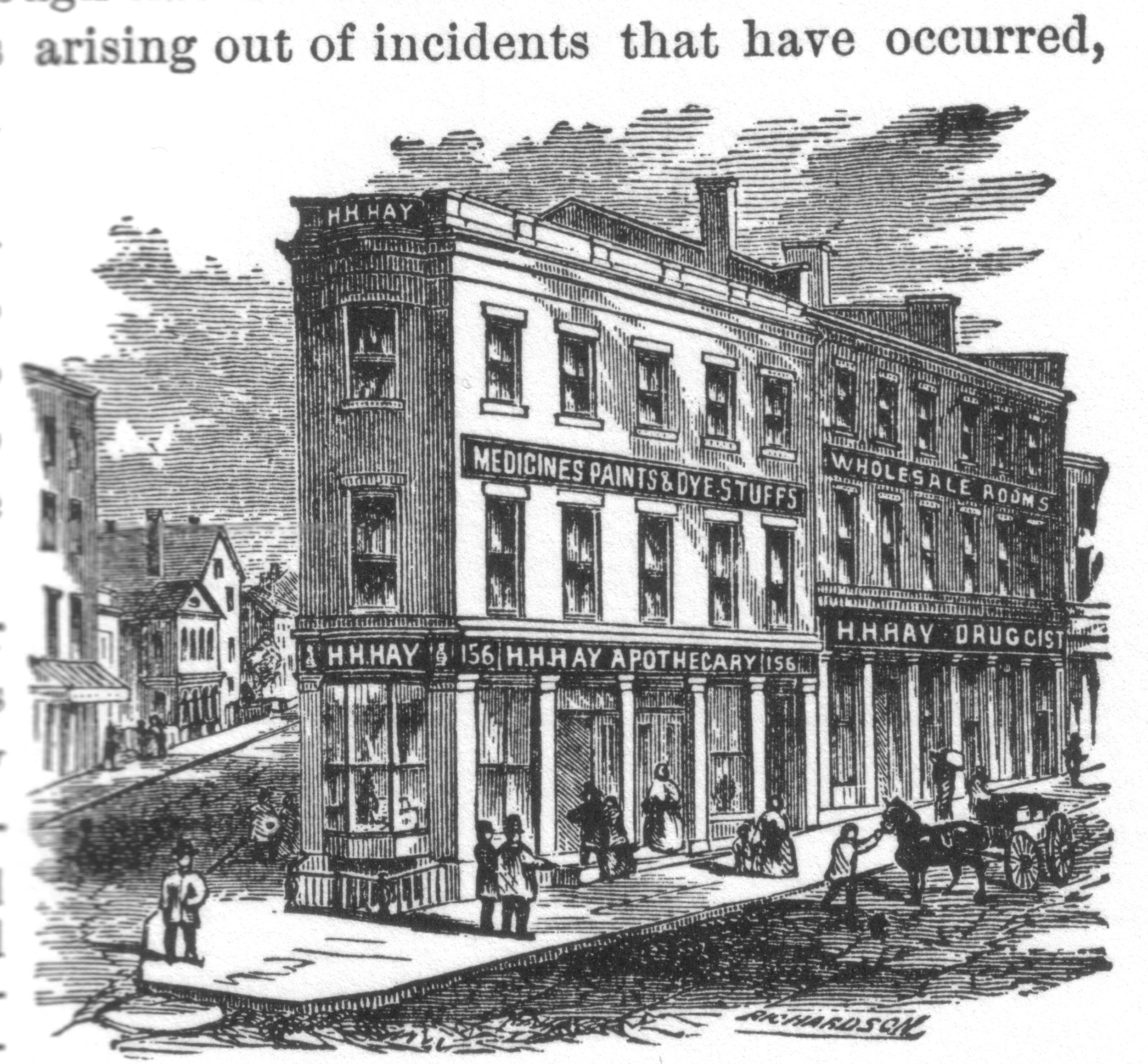
The flatiron building at the corner of Free and Middle Streets was home to the H.H. Hay Drugstore from 1859 until 1964. A fourth floor was added to the commercial building from a design by John Calvin Stevens and John Howard Stevens. After the urban renewal programs that significantly altered the course of Middle Street and the closure of the drugstore, the first floor of the building was inappropriately altered with modern storefronts and the infill of historic openings. 

Our Position

A multi-year plan restored the flat iron front and the Free Street elevation. Although small in scale and budget, the exterior restoration of the Lower Hay Block significantly improves the character of the historic building at the pedestrian level and restores a significant architectural feature of the flat iron façade at the entrance to a major pedestrian corridor in the downtown.

Greater Portland Landmarks awarded J.B. Brown, ttl-architects, and the construction team a 2014 Preservation Honor Award to celebrate the exterior restoration of this defining structure in Portland’s urban center.

Quick Links

What You Can Do

  • Take our self-guided walking tour of the Congress Street Historic District and visit the lower H.H. Hay Building

  • Support the advocacy efforts and educational programs of Greater Portland Landmarks!

Baxter Library Building 

(VIA Agency)

619 Congress Street, Portland, Maine  |  2010 Preservation Award Winner

The Issue

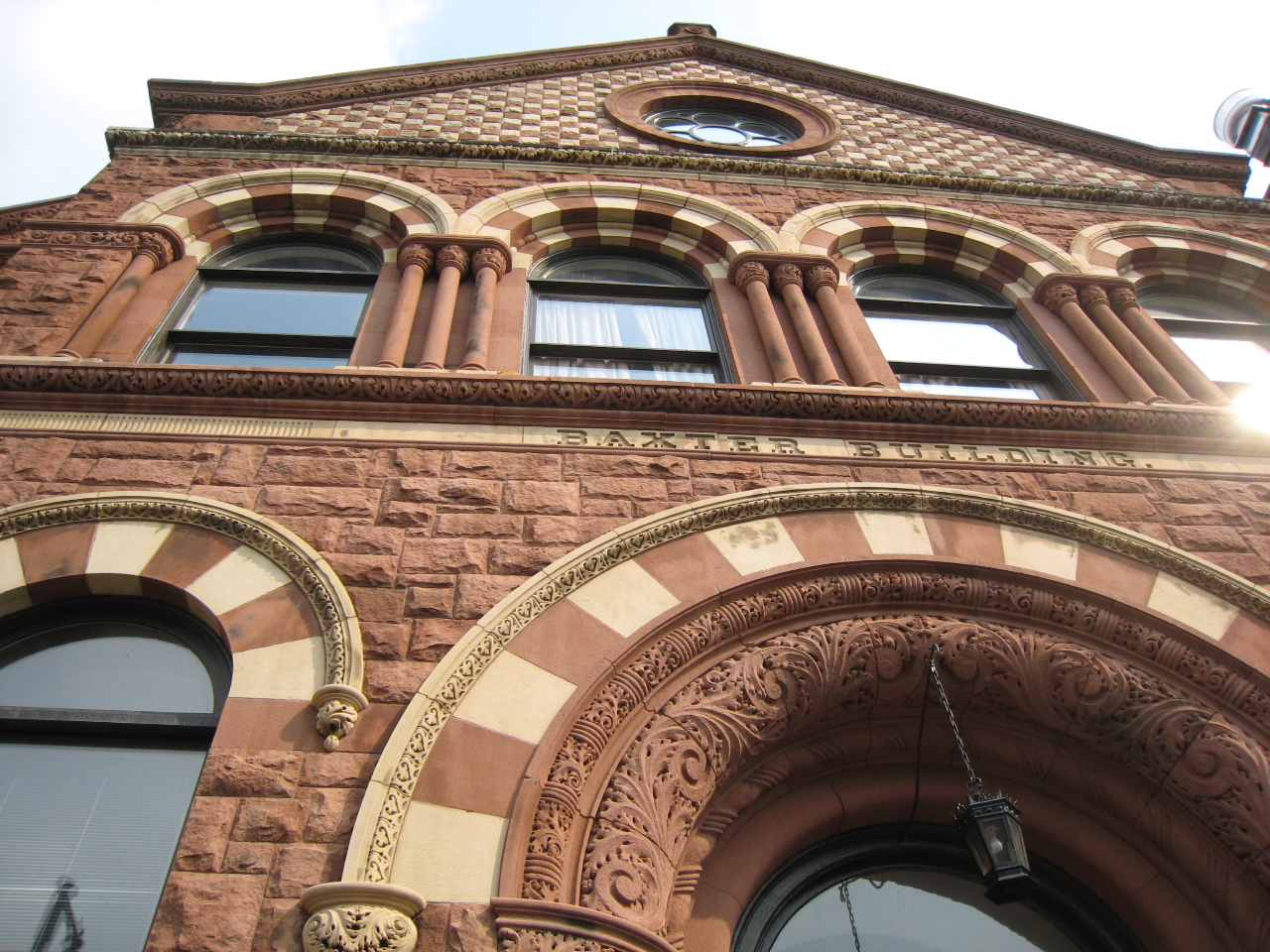
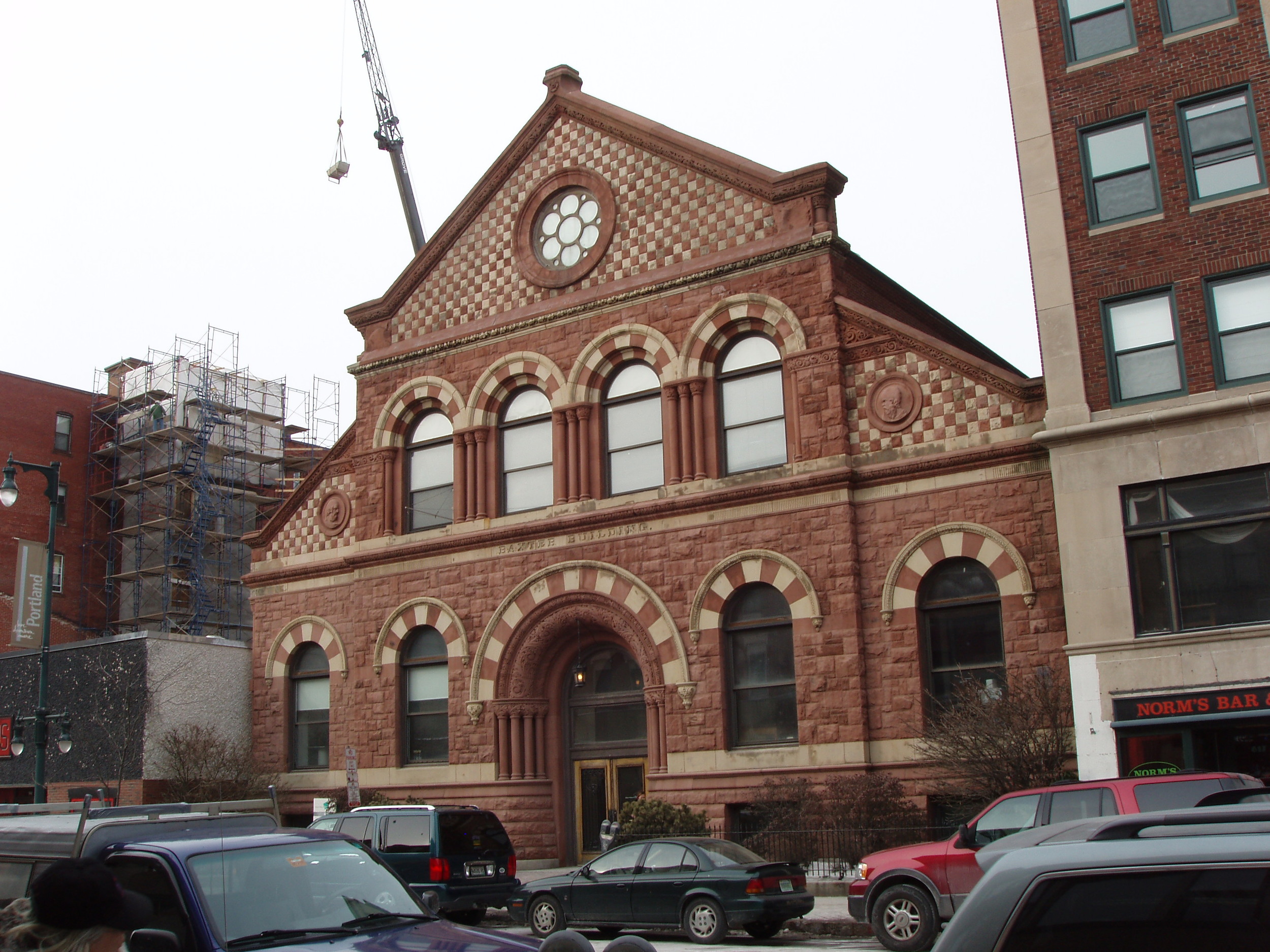
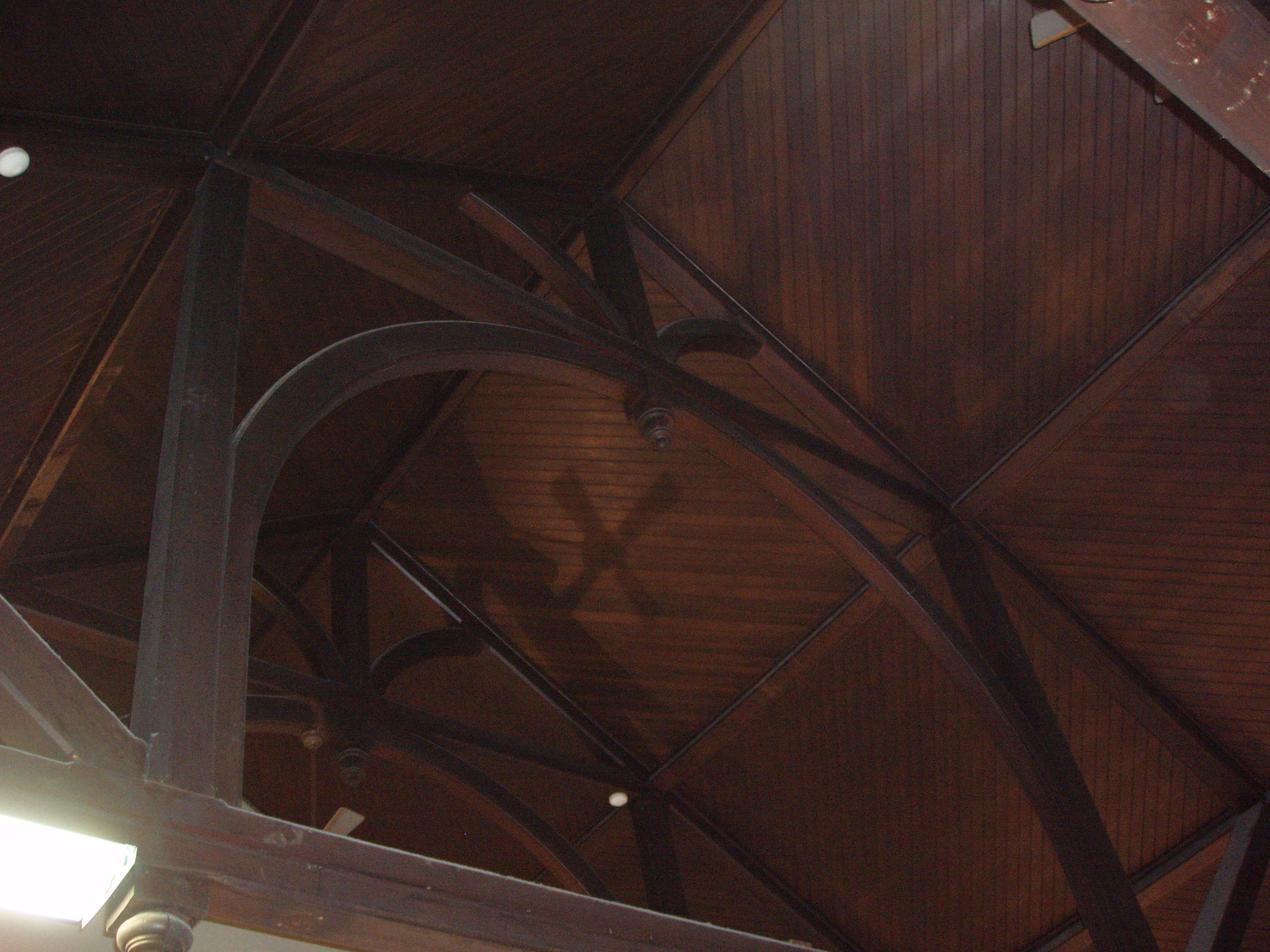
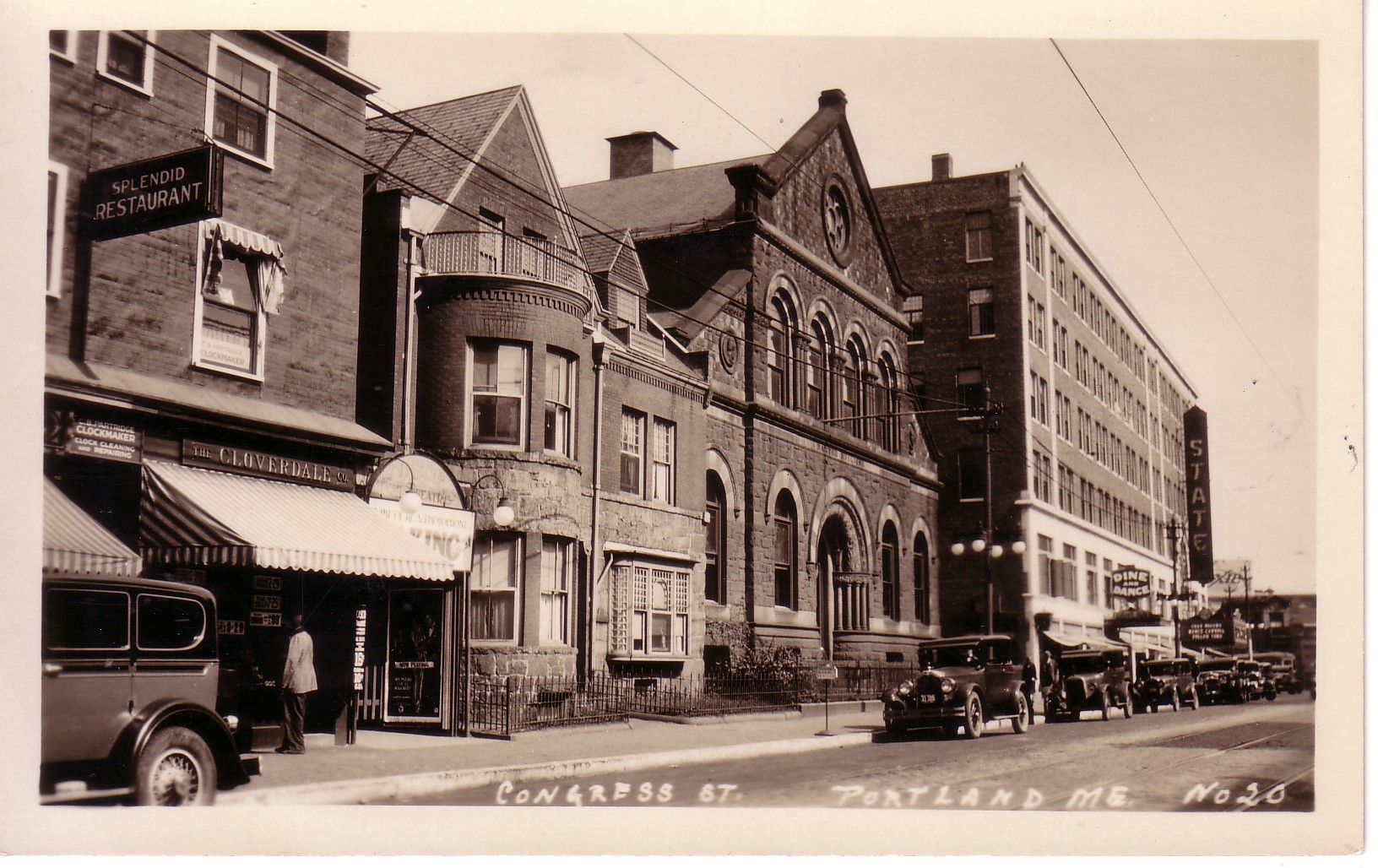
The Baxter Library Building was donated to the City of Portland by Mayor James P Baxter to serve as the city’s downtown library, a role it served for 90 years. The Richardsonian Romanesque Building was designed by Francis Fassett.  After the library moved to a new building in 1979, the building was acquired by the Maine College of Art (MECA) in 1982. When MECA consolidated their programs into a newly restored former department store down the street (see the Porteous Building), the future of this architectural landmark was uncertain.

Our Position

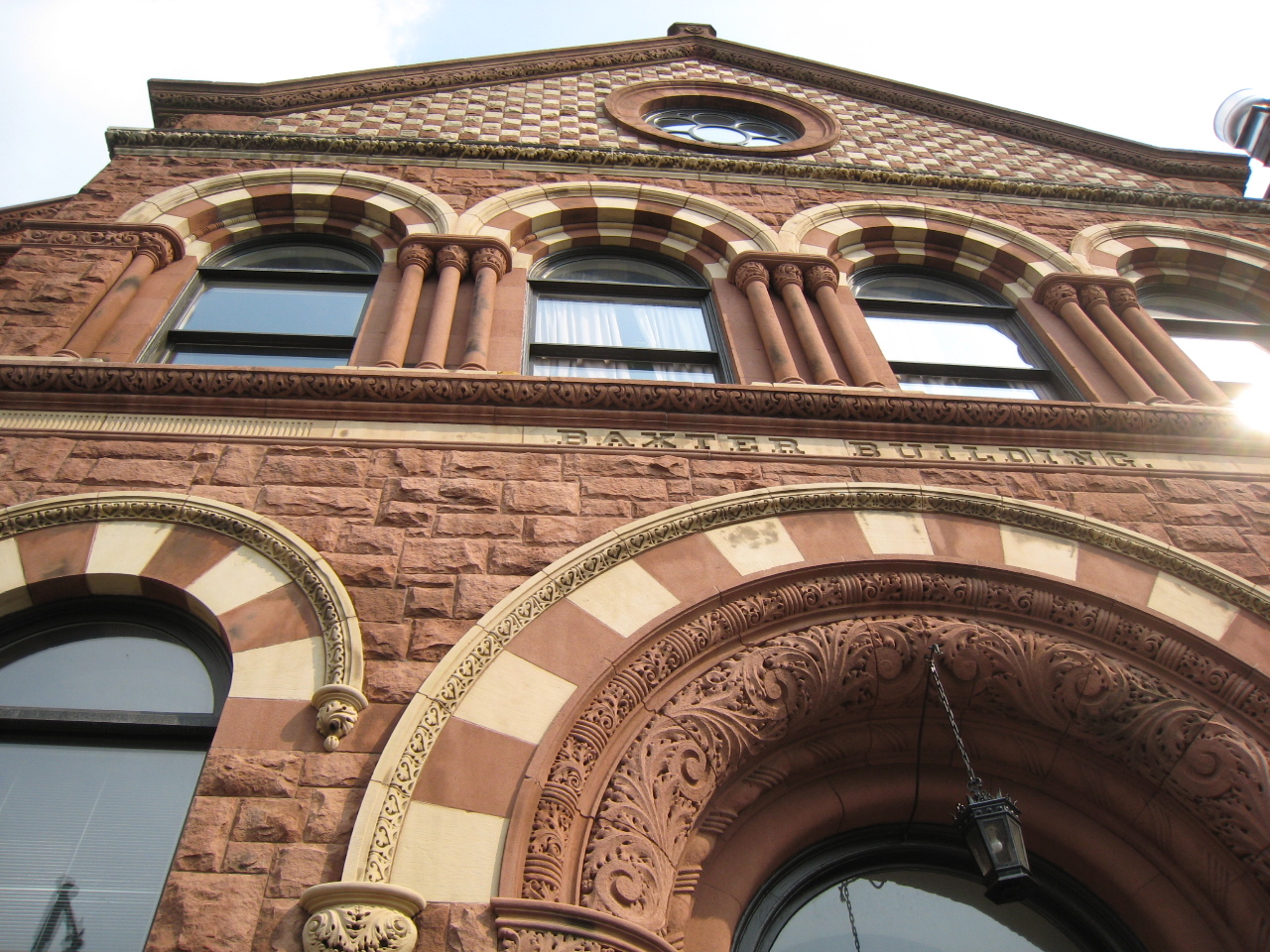
In 1990 the building was listed as a local historic landmark and became a landmark building in the Congress Street Historic District in 2009. John Coleman of the Via Group, a nationally prominent marketing firm, recognized the potential of this landmark building for reuse as modern offices.  The company utilized historic tax credits to complete the comprehensive $4.6 million rehabilitation of the former library building. The rehabilitation preserved the historic polychrome exterior and many interior elements like the marble floors, barrel vault ceilings, wood paneling and ornamentation, and the 125-year old library card cases and shelving.

Greater Portland Landmarks awarded The Via Agency their 2010 Special Preservation Honor Award to celebrate the preservation and revitalization of this beautiful landmark building in the Congress Street Historic District.

Press

What You Can Do

  • Take our self-guided tour of Congress Street and view the Baxter Library Building

  • Support Landmarks' advocacy efforts and educational programs