Equestrian Artifacts of Portland's Golden Age
West End, Portland  |  Nominated to Places in Peril in 2015

The Issue

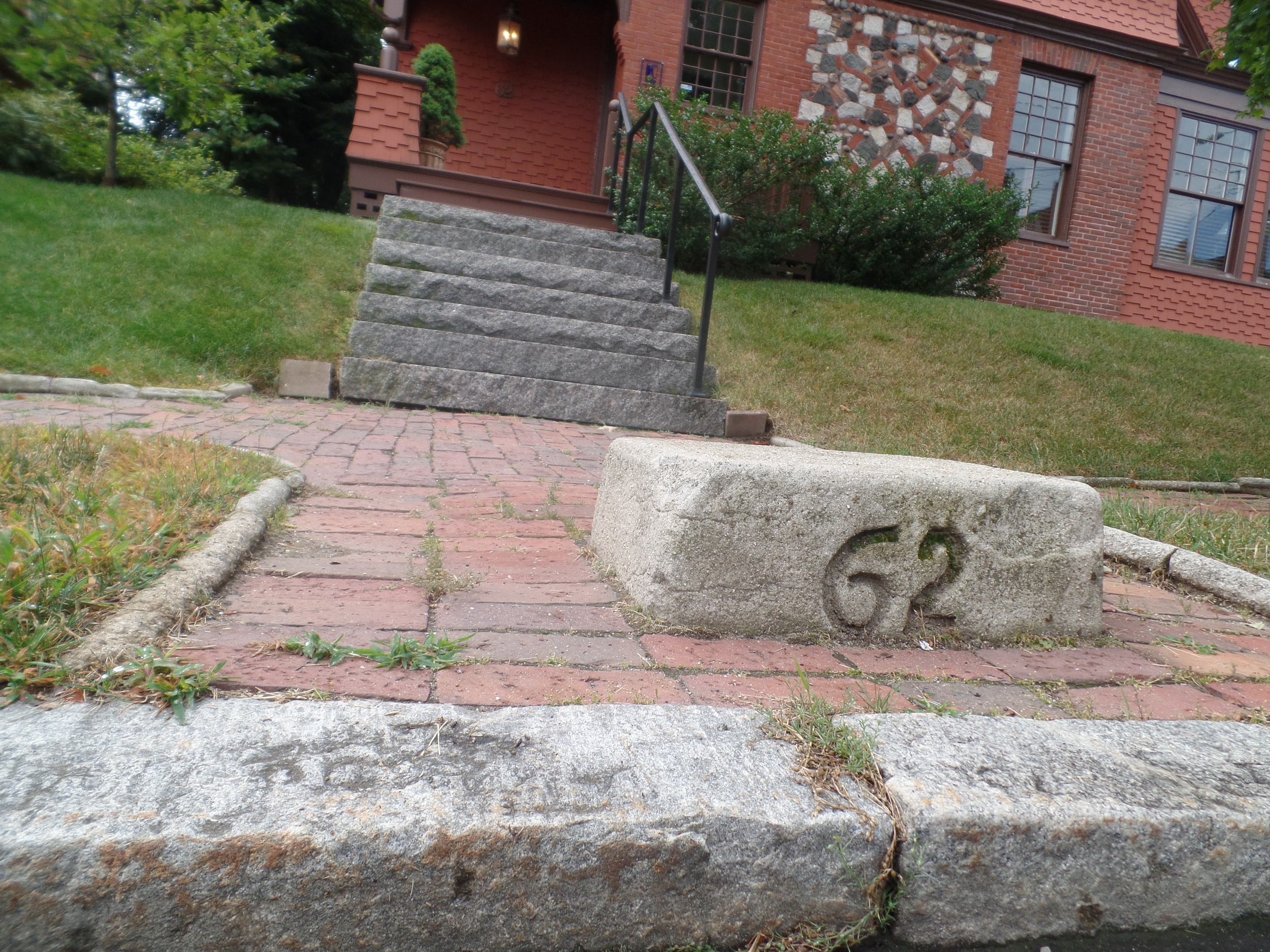
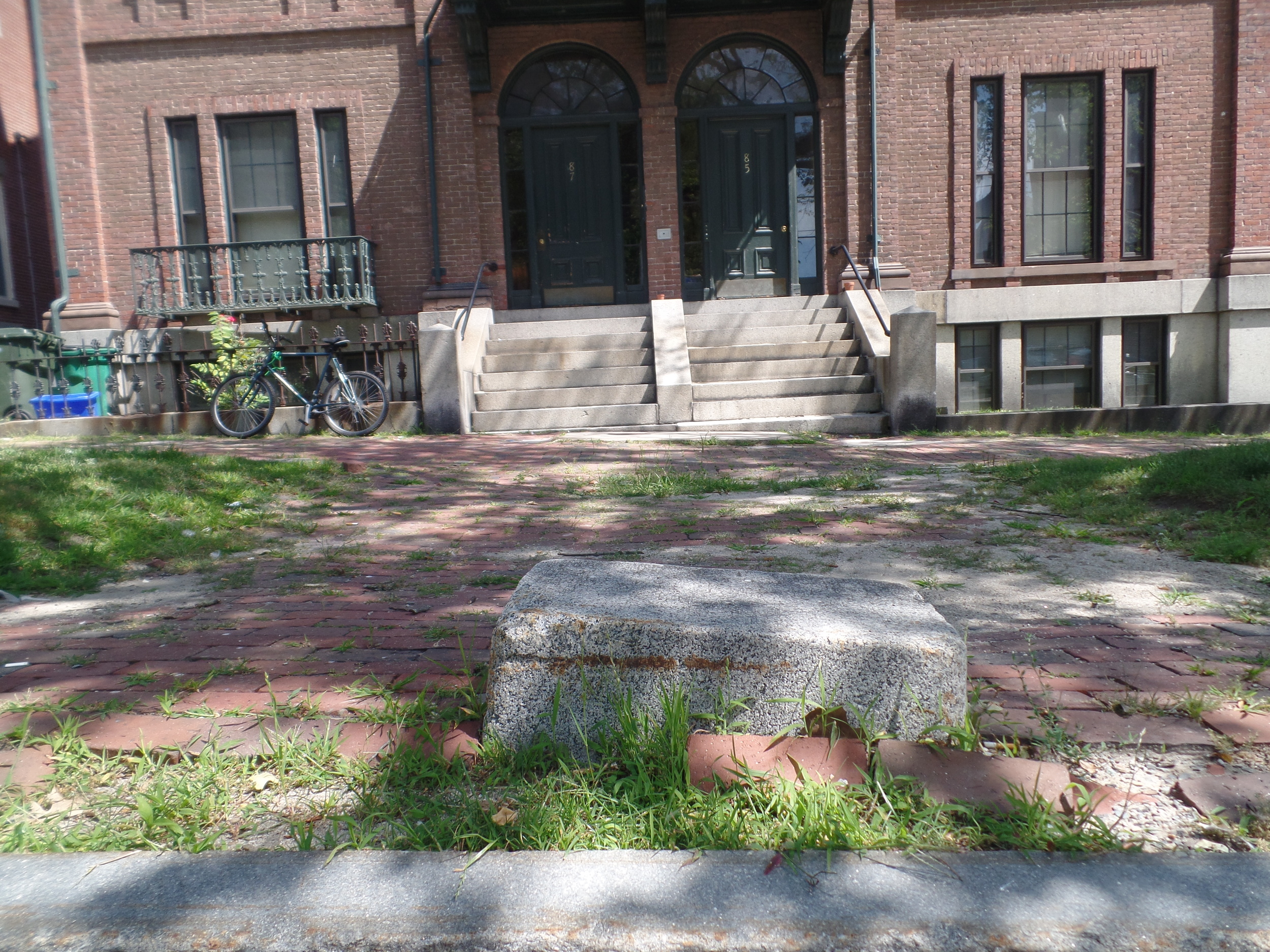
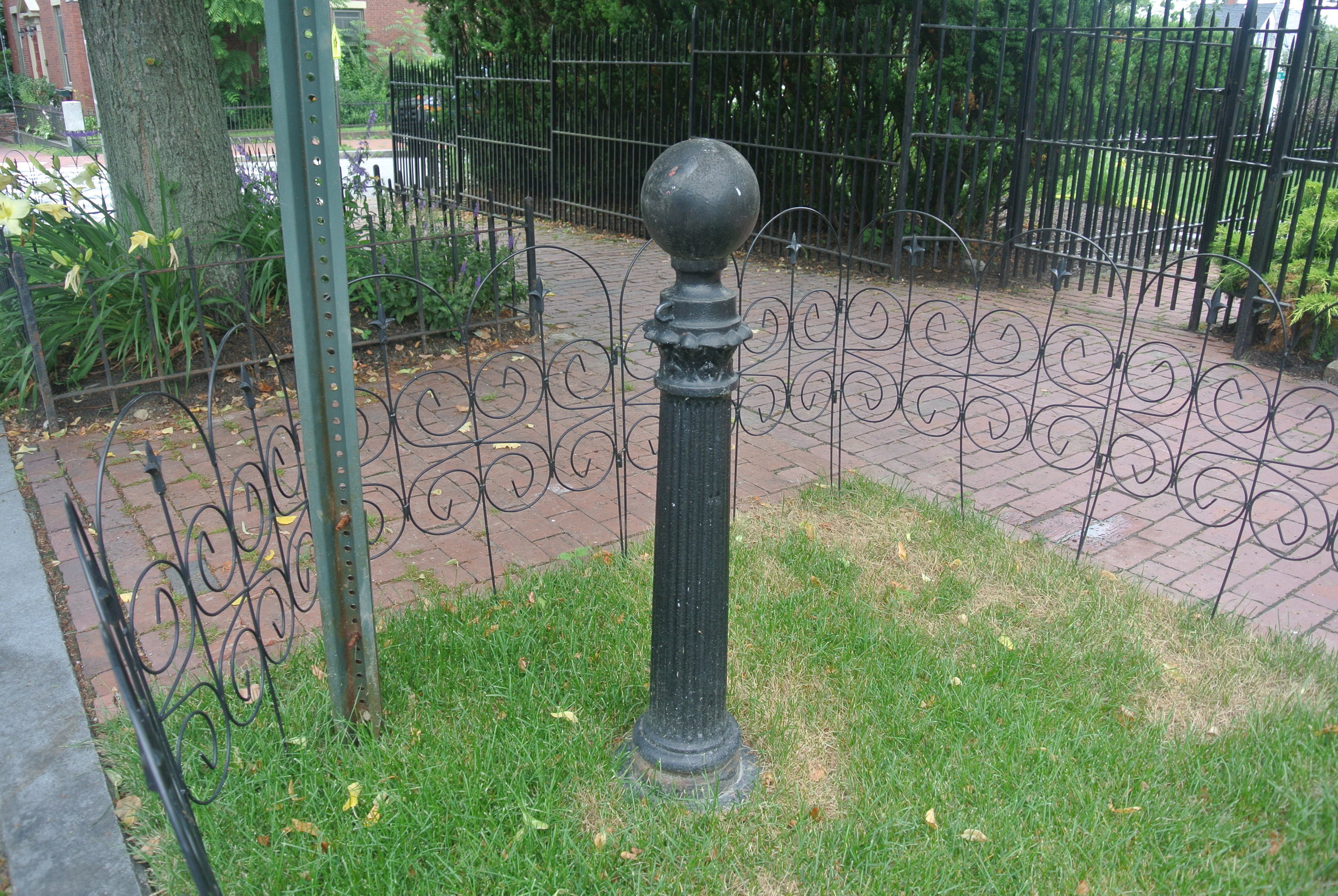
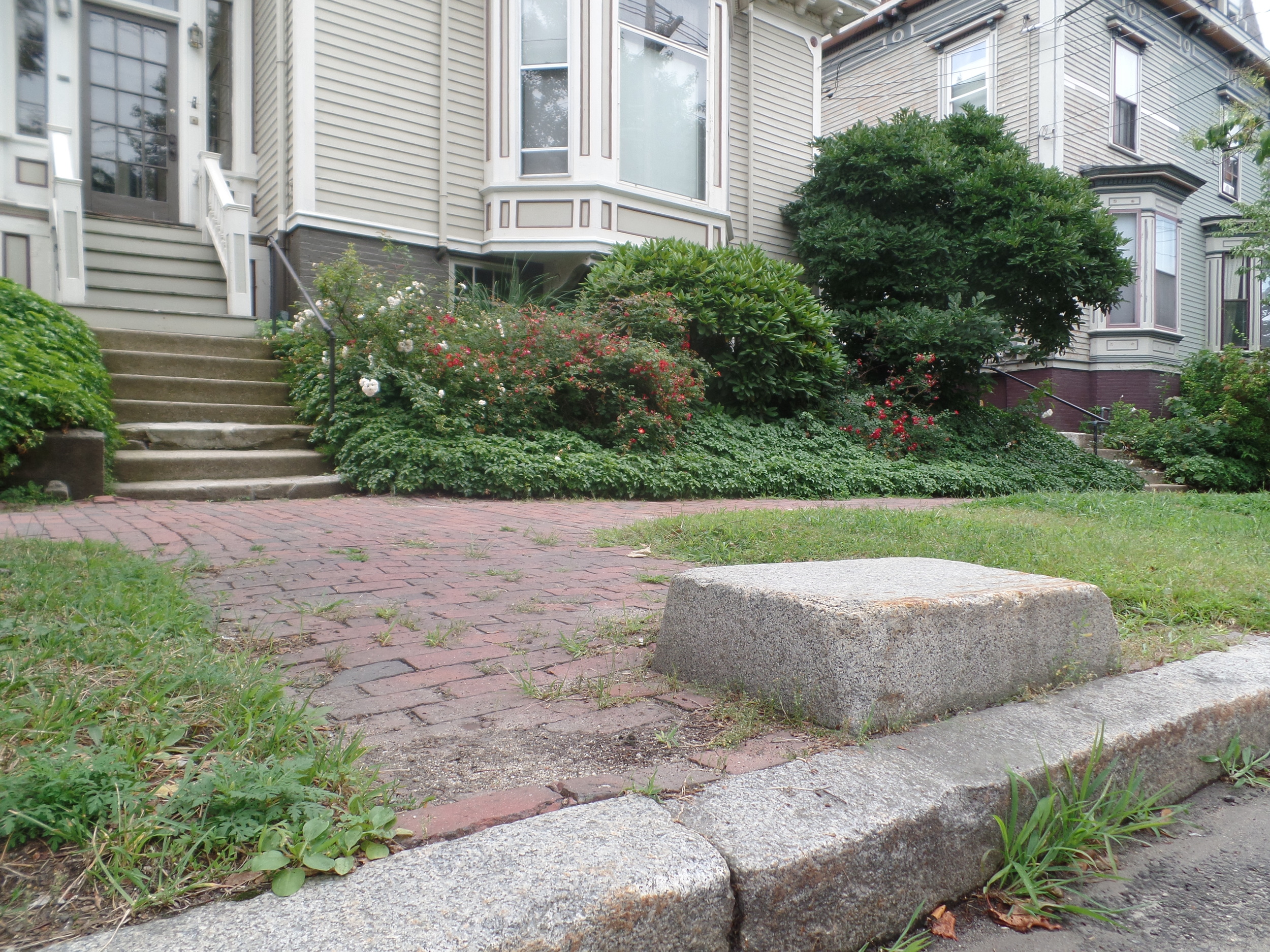
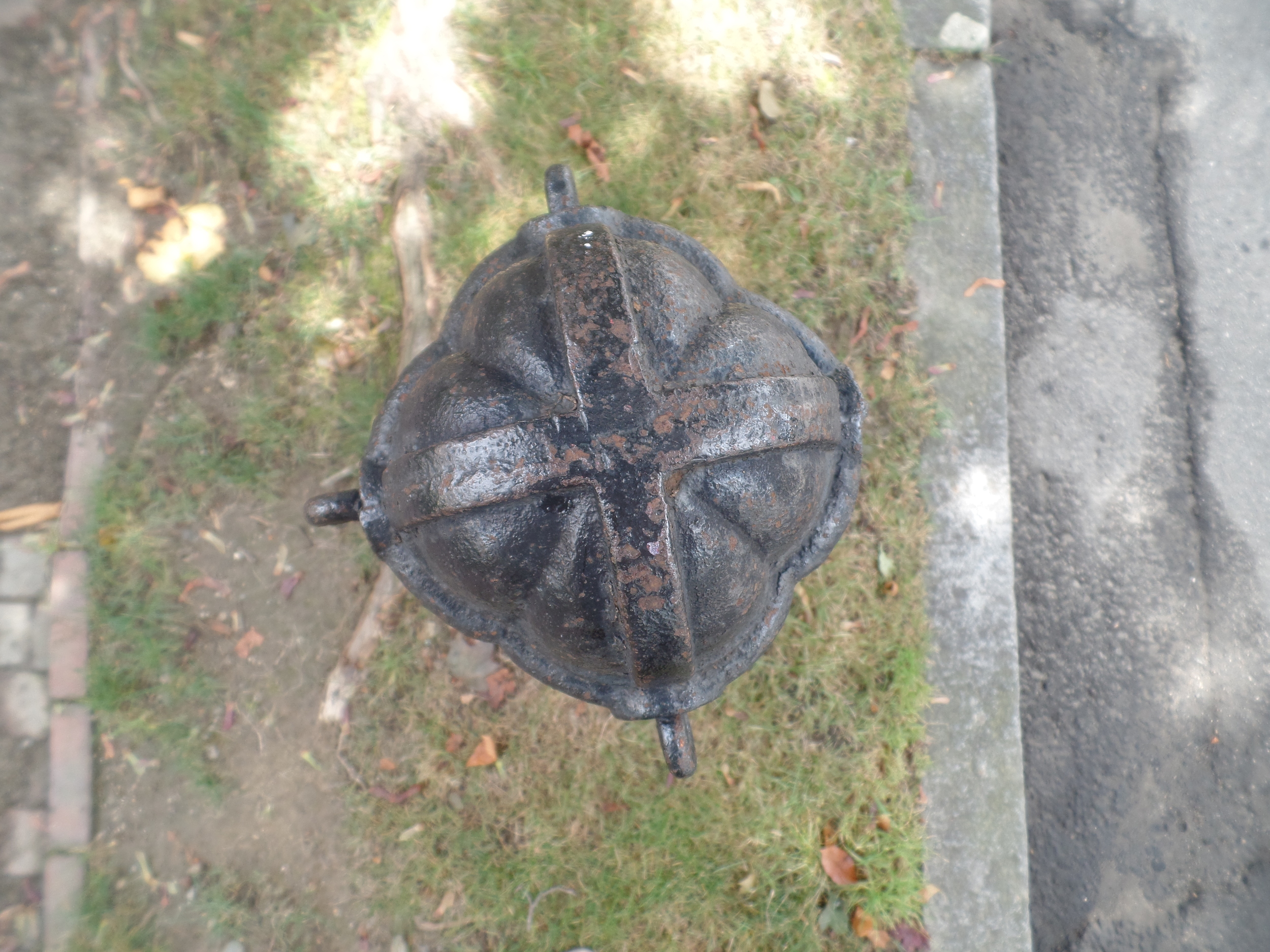
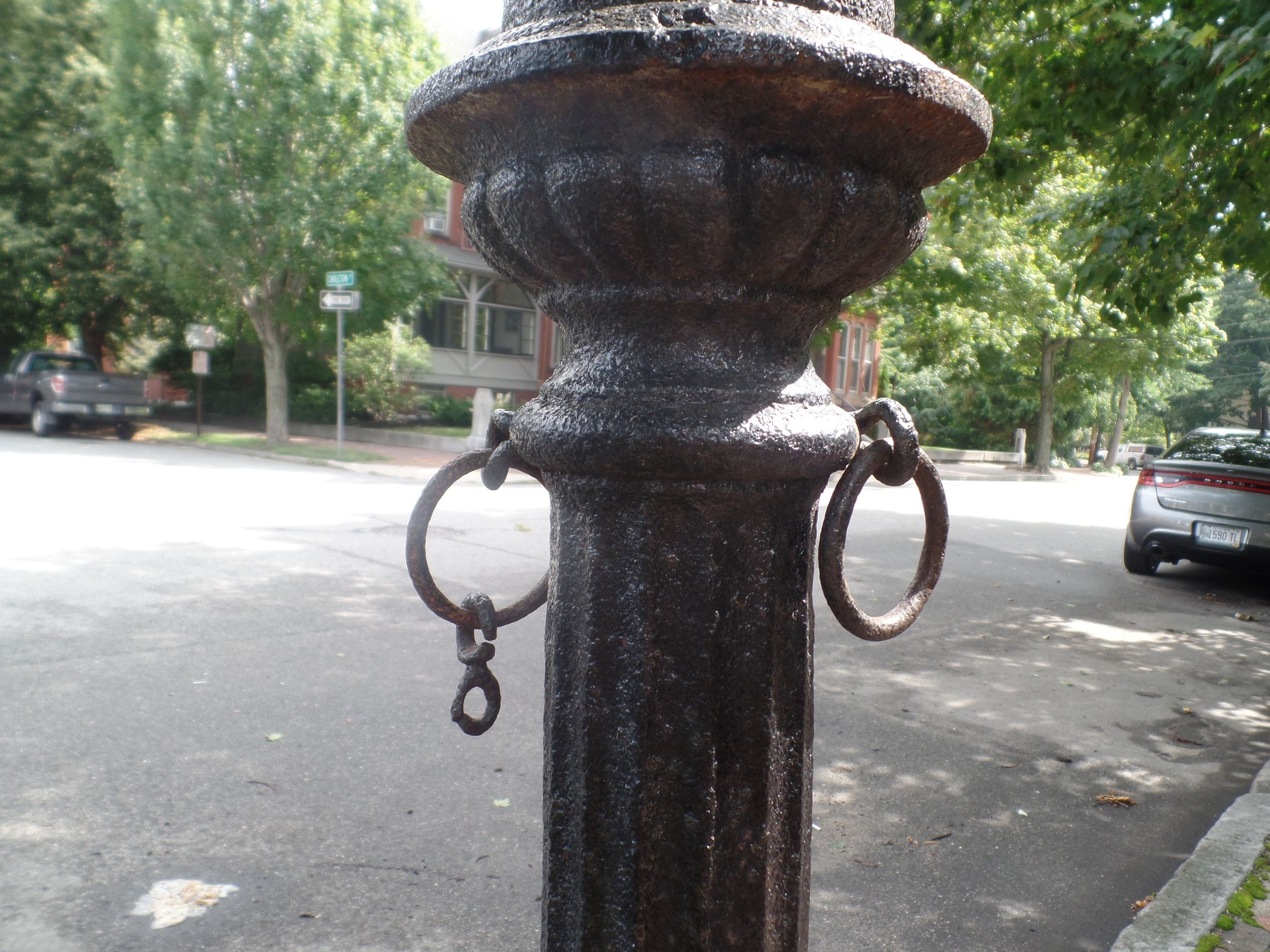
Cast iron hitching posts and granite carriage mounts are examples of a golden age of beautification in the city of Portland in the time of horse-drawn vehicles. Part of the “City Beautiful” movement of the time, these artifacts reflect the carefully designed public spaces of the era. These artifacts are both under-recognized and prominently positioned along busy streets, and they face threats to their physical integrity due to snow removal and utility work.  Their small scale and low visibility add to the challenge, as they can be easily removed or destroyed.

Our Position

A preliminary survey of these artifacts in the Western Promenade could be continued throughout the Portland peninsula to serve as a resource for property owners and City public works crews. There is an opportunity to partner with Skyline Farm in North Yarmouth, which has a collection of historic carriages, sleighs, and hitching posts, to expand awareness of their local history.

Press

Quick Links

What You Can Do

  • Download our self-guided walking tour of the Western Promenade, and explore the equestrian artifacts sprinkled throughout Portland's west end neighborhood.

  • Visit Skyline Farm and see their collection of equestrian artifacts.

  • Sign up for our mailing list to stay informed about advocacy efforts, educational programs, and upcoming events.

  • Support our advocacy efforts.
Curtis & Son Gum Factory  

291 Fore Street, Portland   |  Nominated to Places in Peril in 2015

The Issue

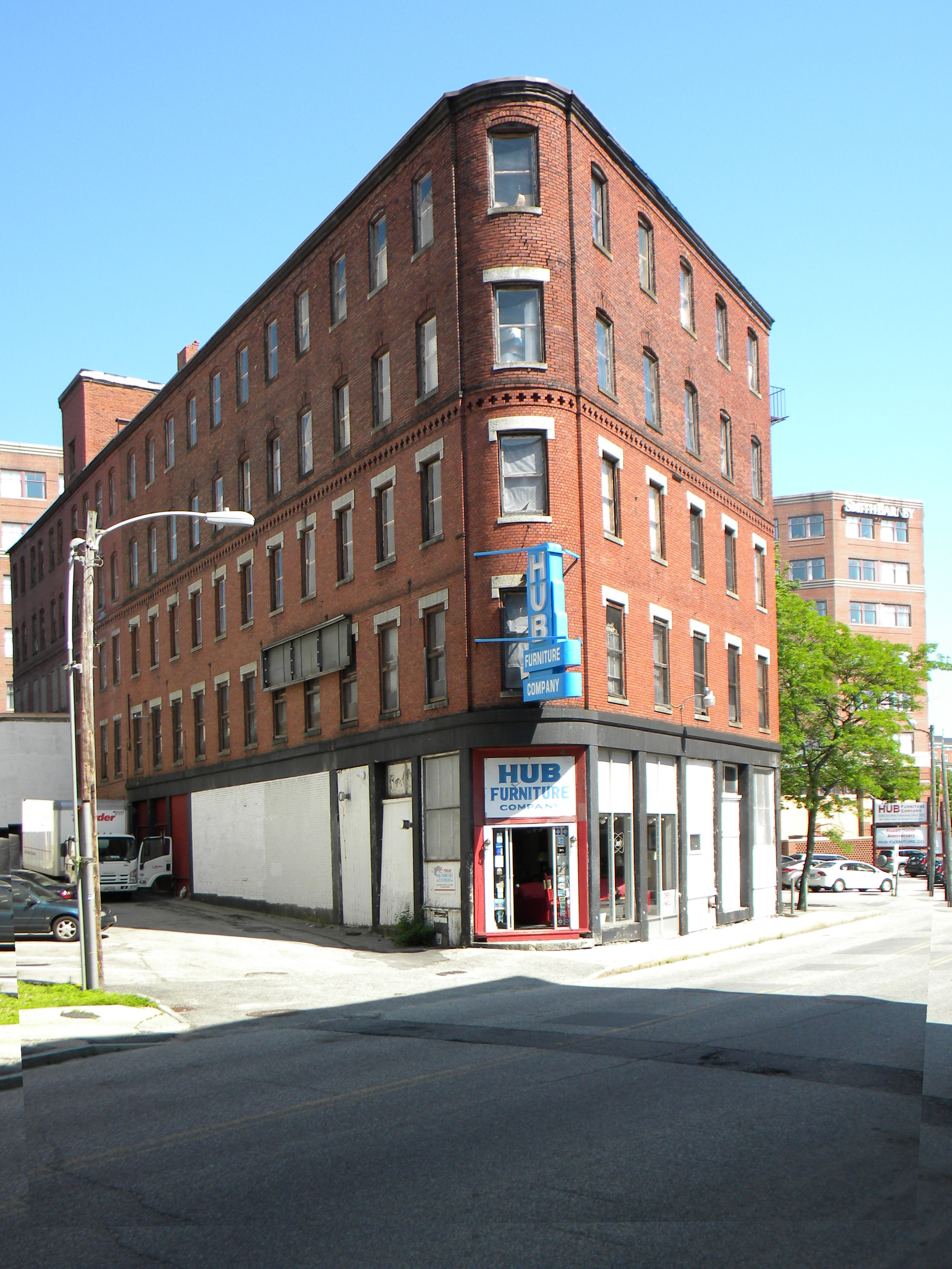
It was here that owner John Bacon Curtis created his spruce chewing gum for the masses, and he is credited with commercializing gum for American mass market sale. It played a key role in Portland’s women’s history because most of the workers in the factory were young women. This significant cultural and architectural building lacks historic preservation protections at a time when there is increasing development pressure in areas on and near the waterfront.

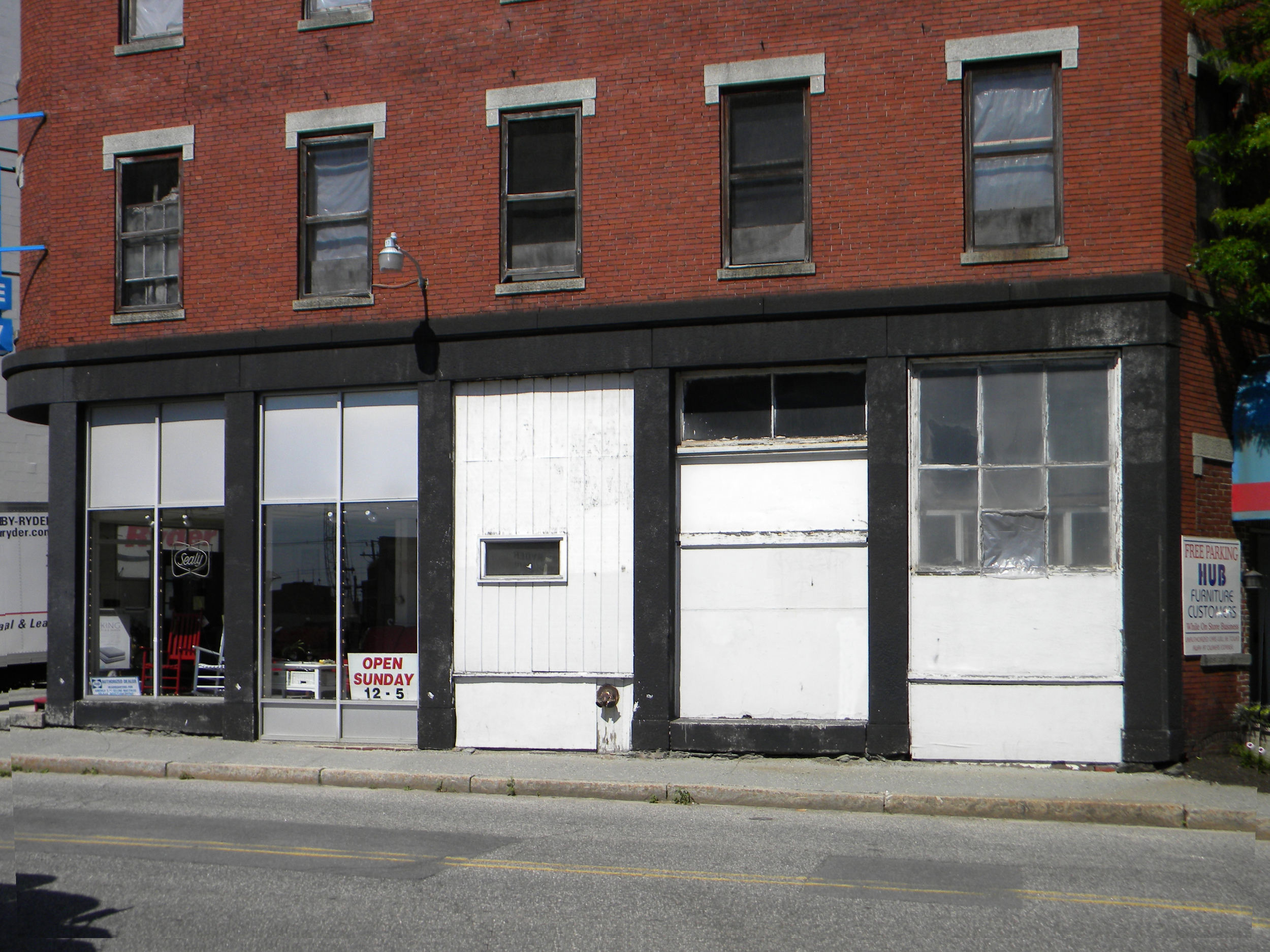
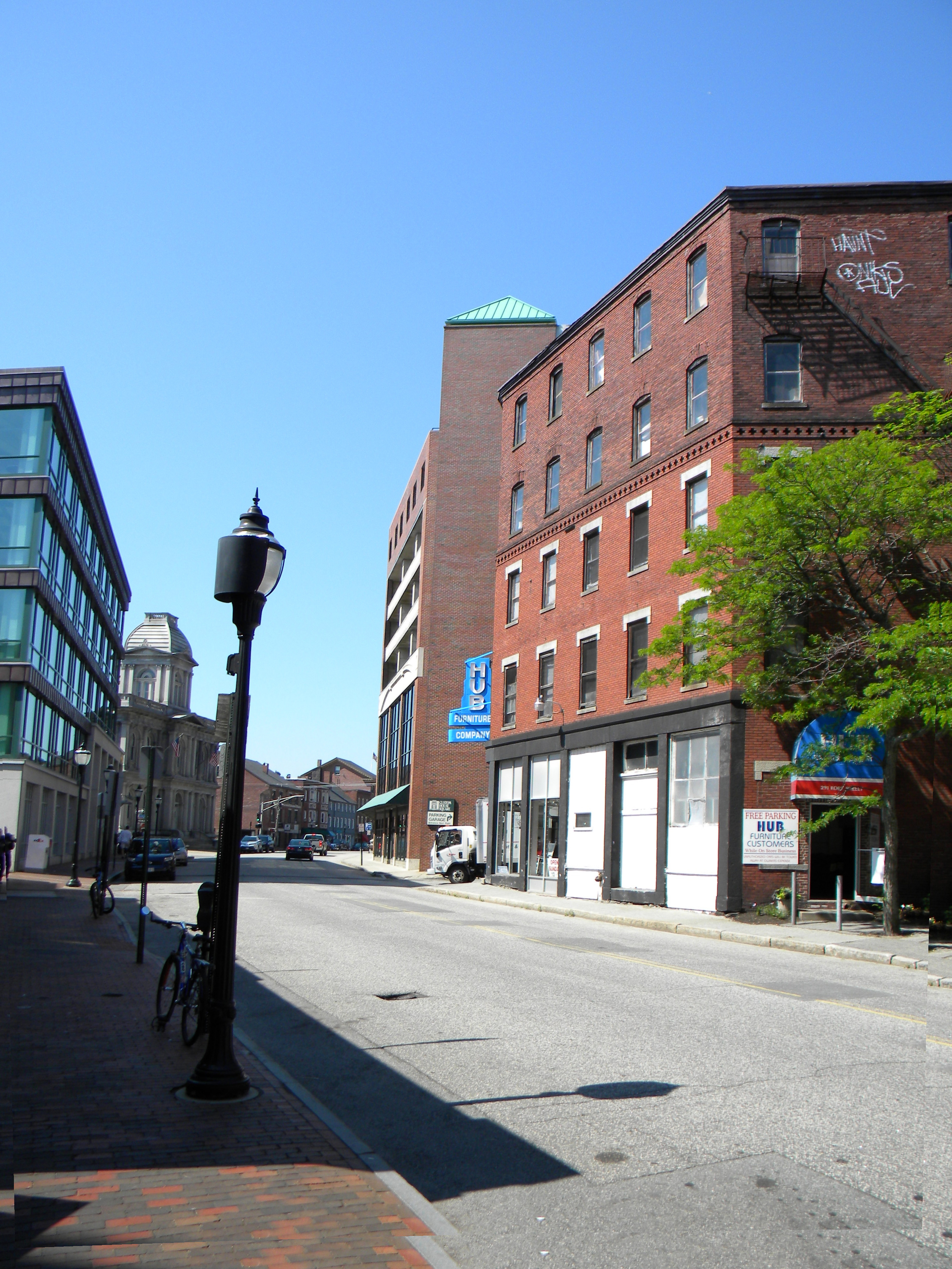
The commercial property features Italianate elements and is designed in a modified "flat-iron" style. Damage to and deterioration of windows, masonry, and exterior elements is exposing the building to Portland’s harsh coastal weather and potential deterioration of the building’s internal structure.

Our Position

The historic building is in a prominent location giving it a strong identity in the heart of the city. The building is intact and in use. The owner is proud of its history and is working hard to keep up the building while also operating a business. There is an opportunity for National Register designation which could provide access to state and federal historic preservation tax credits of up to 45% toward rehabilitation costs.

Press

Quick Links

What You can Do

  • Visit Hub Furniture to get a first-hand look at the building and patronize the long-standing local family business that has occupied former Chewing Gum Factory building.

  • Support Landmarks' advocacy efforts.
Sacred Heart/St. Dominic Parish 

65 Mellen Street, Portland  |  Nominated to Places in Peril in 2015

The Issue

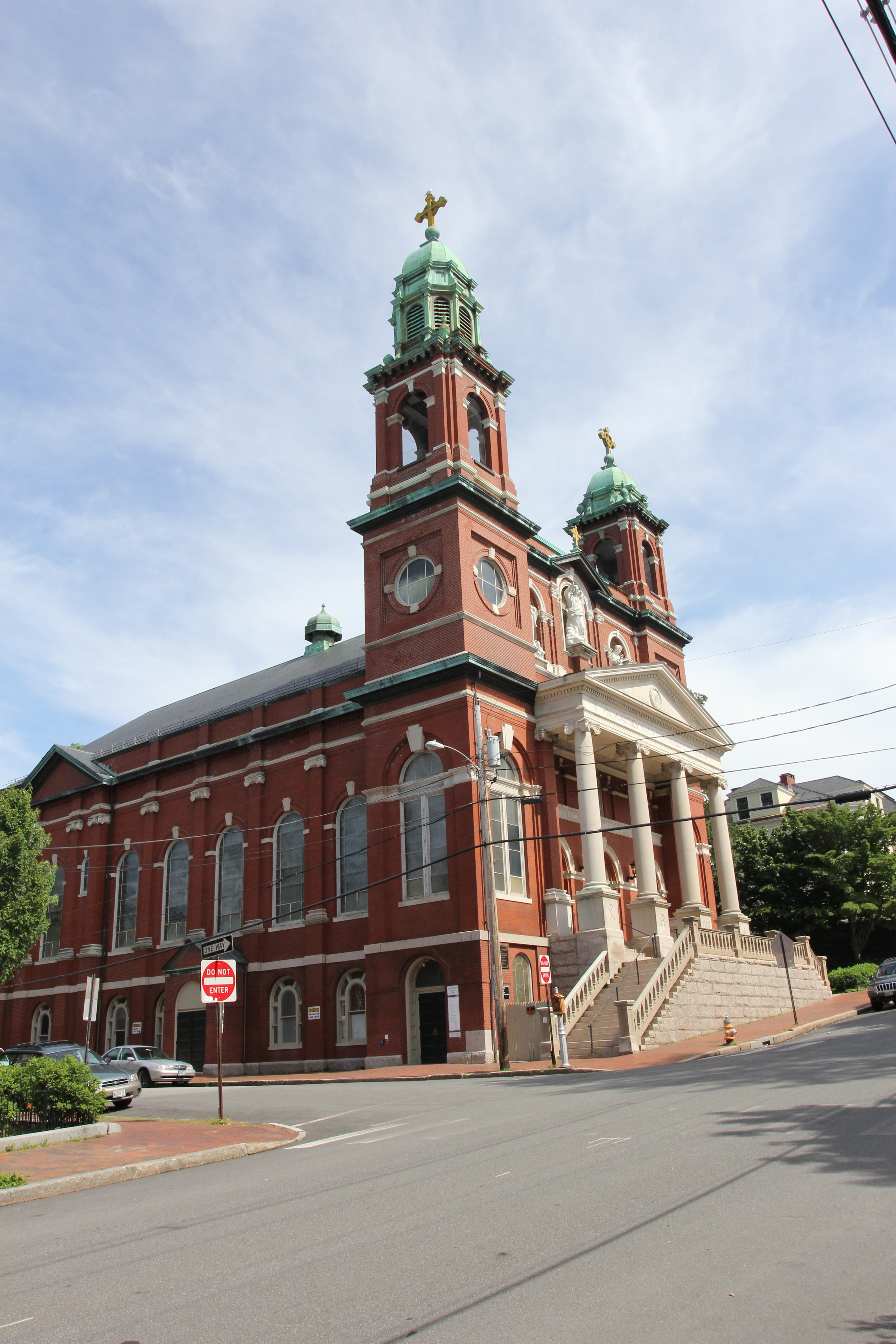
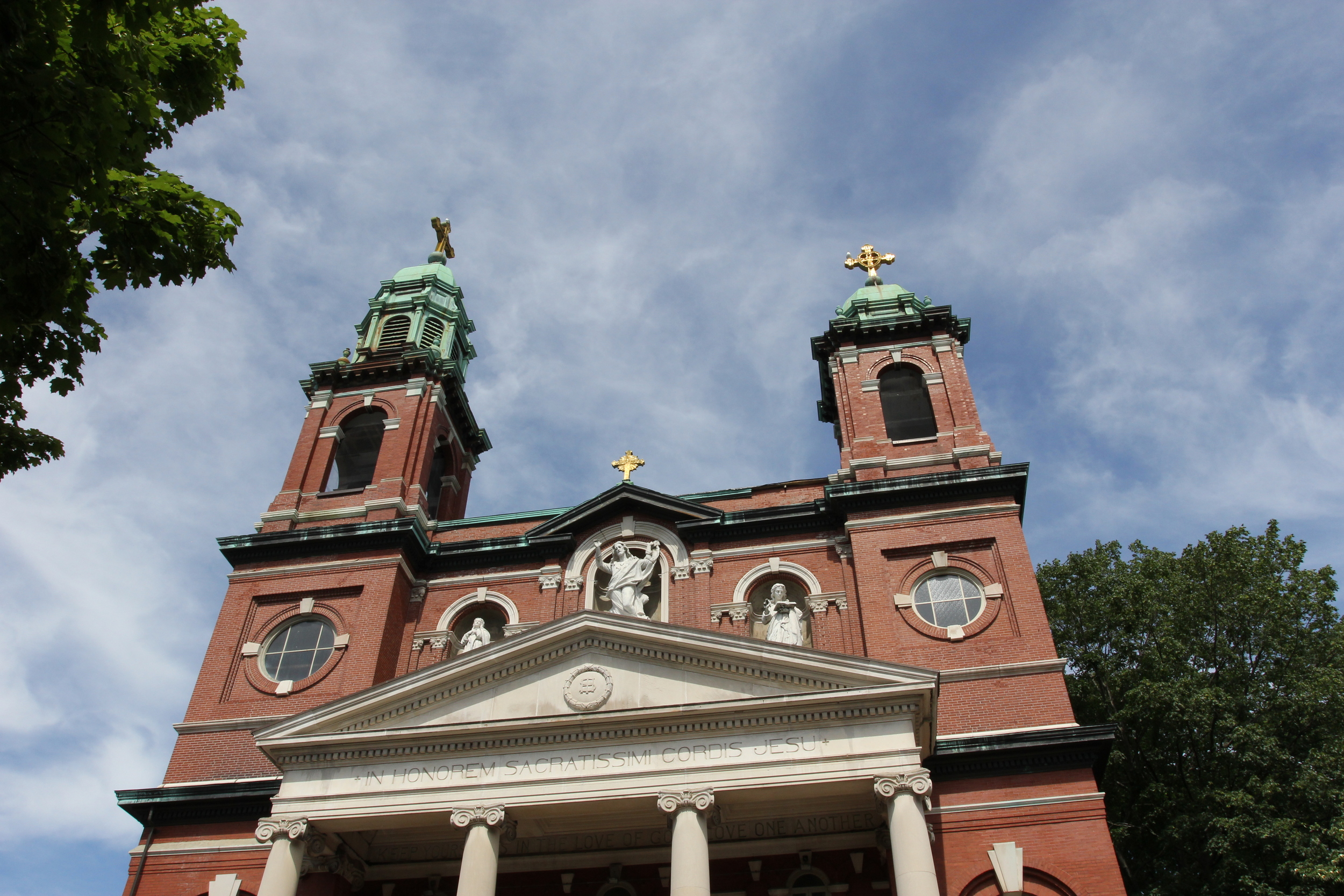
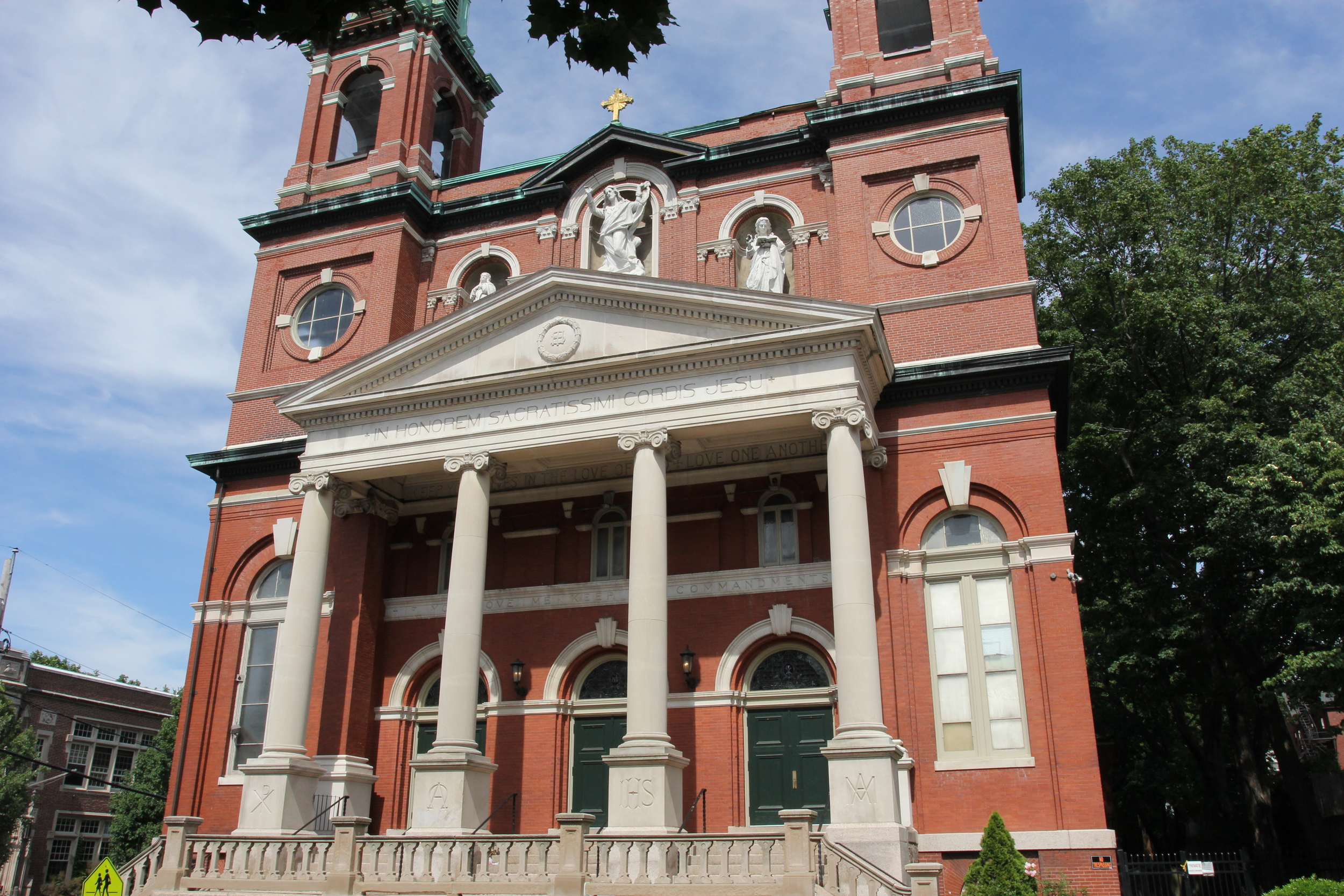
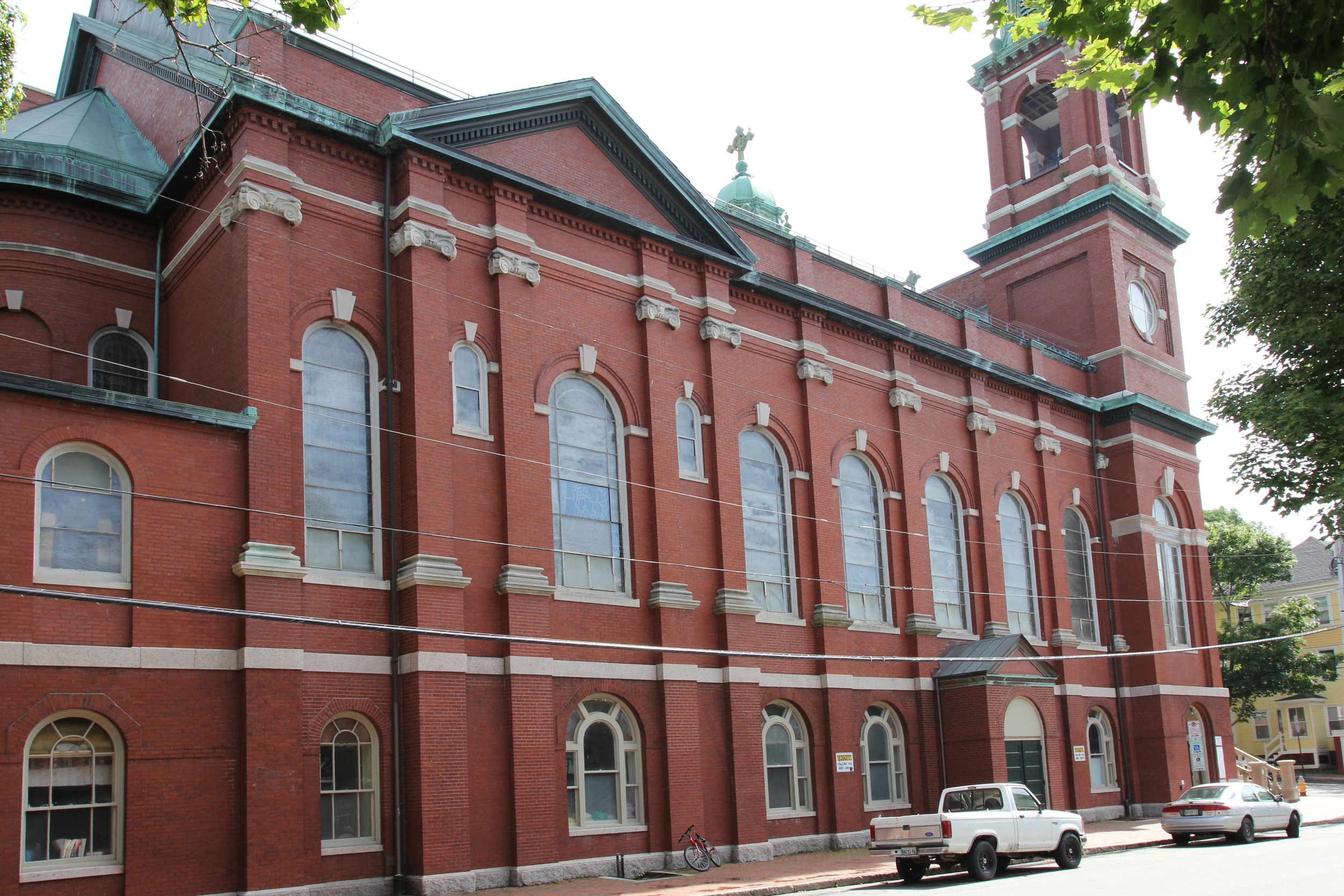
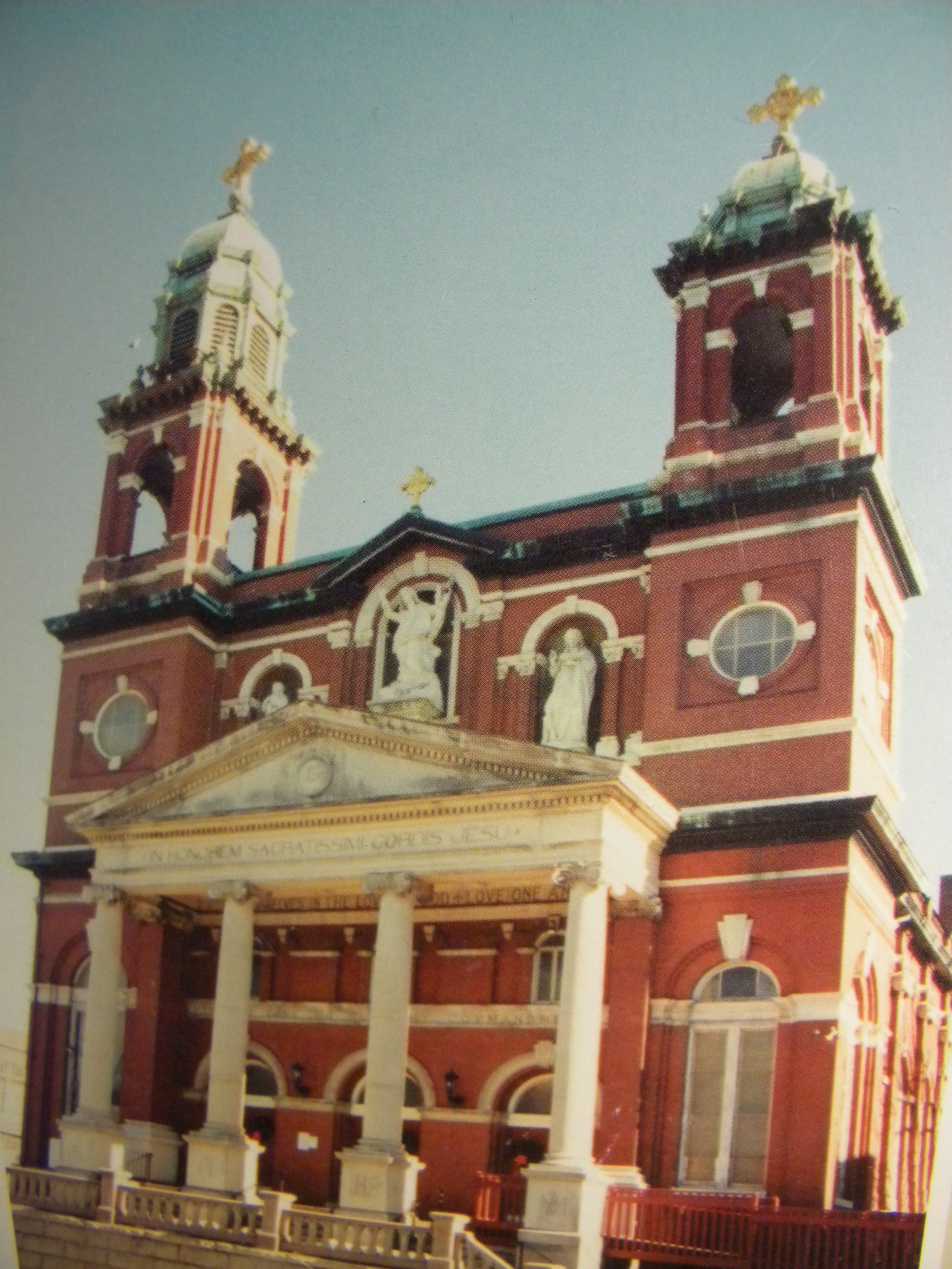
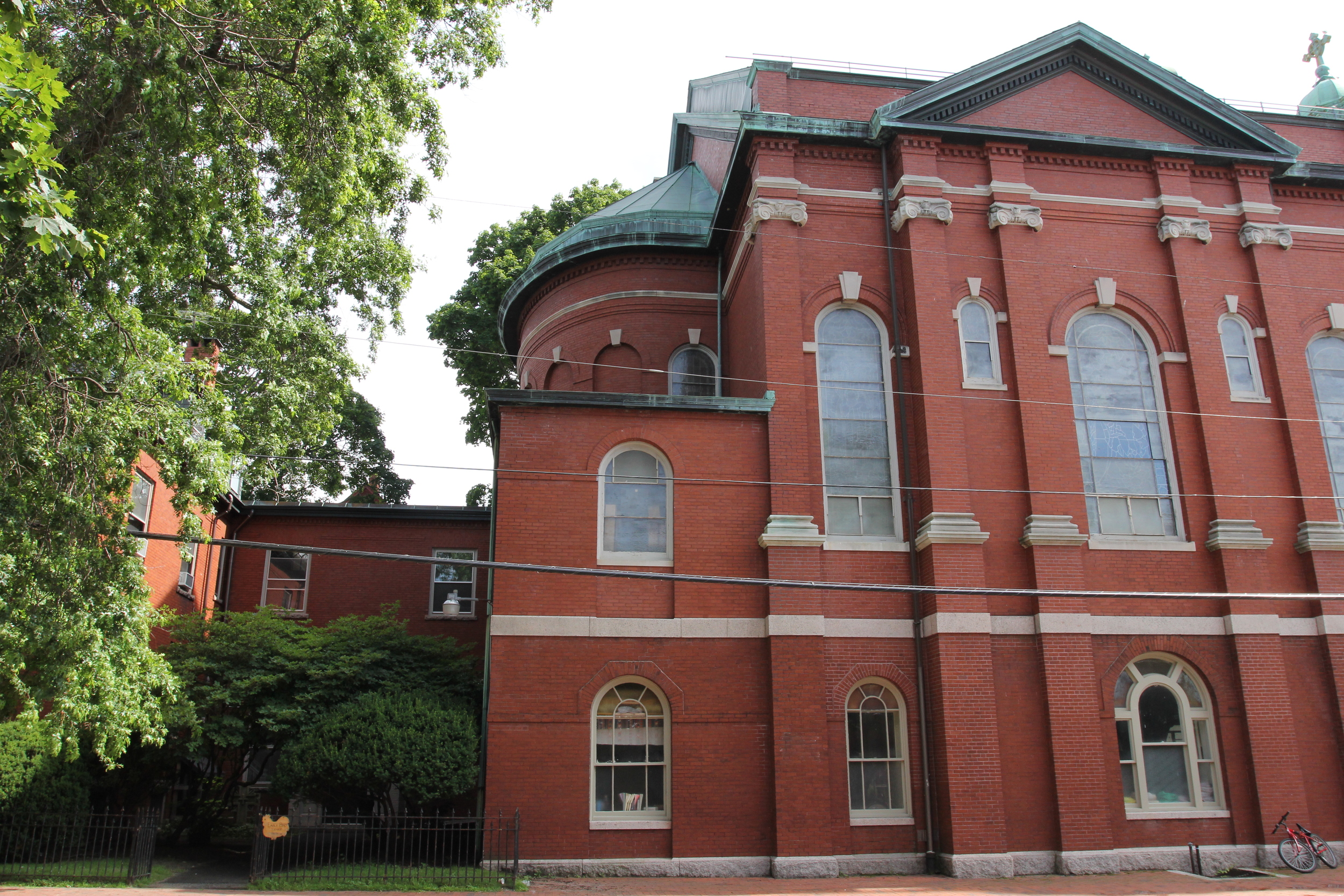
Designed in the Italian Renaissance Revival style by noted architect Francis H. Fassett, this church is notable for its size, beauty, and construction technique. Sacred Heart was one of the first houses of worship in the US to utilize steel frame construction, so no sight lines are blocked by supporting columns inside the church. There is a lack of funding for much-needed preservation projects. The copper roof is deteriorating, allowing water infiltration into the interior of the church which is damaging the interior’s ornamental plaster. The structural integrity of ornamental figures on the bell towers have been compromised due to weather.

UPDATE: Sacred Heart Church exceeded their fundraising goals to stabilize the bell tower and make interior repairs caused by water infiltration.

Our Position

The building is intact and in use by an active and diverse congregation. Church members are proud of their building and its history and have been raising funds earmarked for repairs to masonry and the roof, but they need a wider base of funding support to address the preservation and maintenance of the building. The congregation is working to obtain National Register designation.

Press

Quick Links

What You Can Do

Deacon John Bailey House 

1235 Congress Street, Portland  |  Nominated to Places in Peril in 2015

The Issue

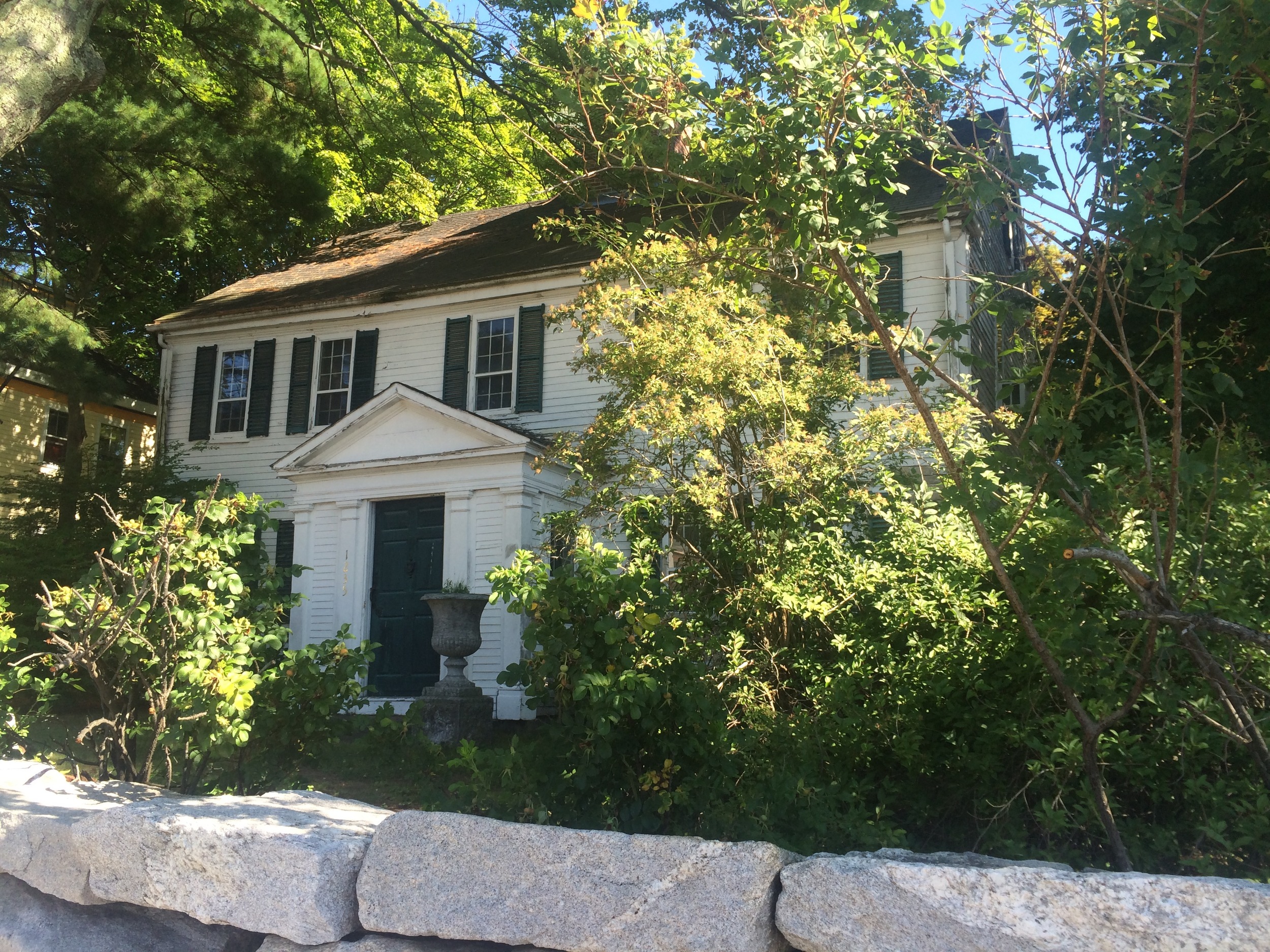
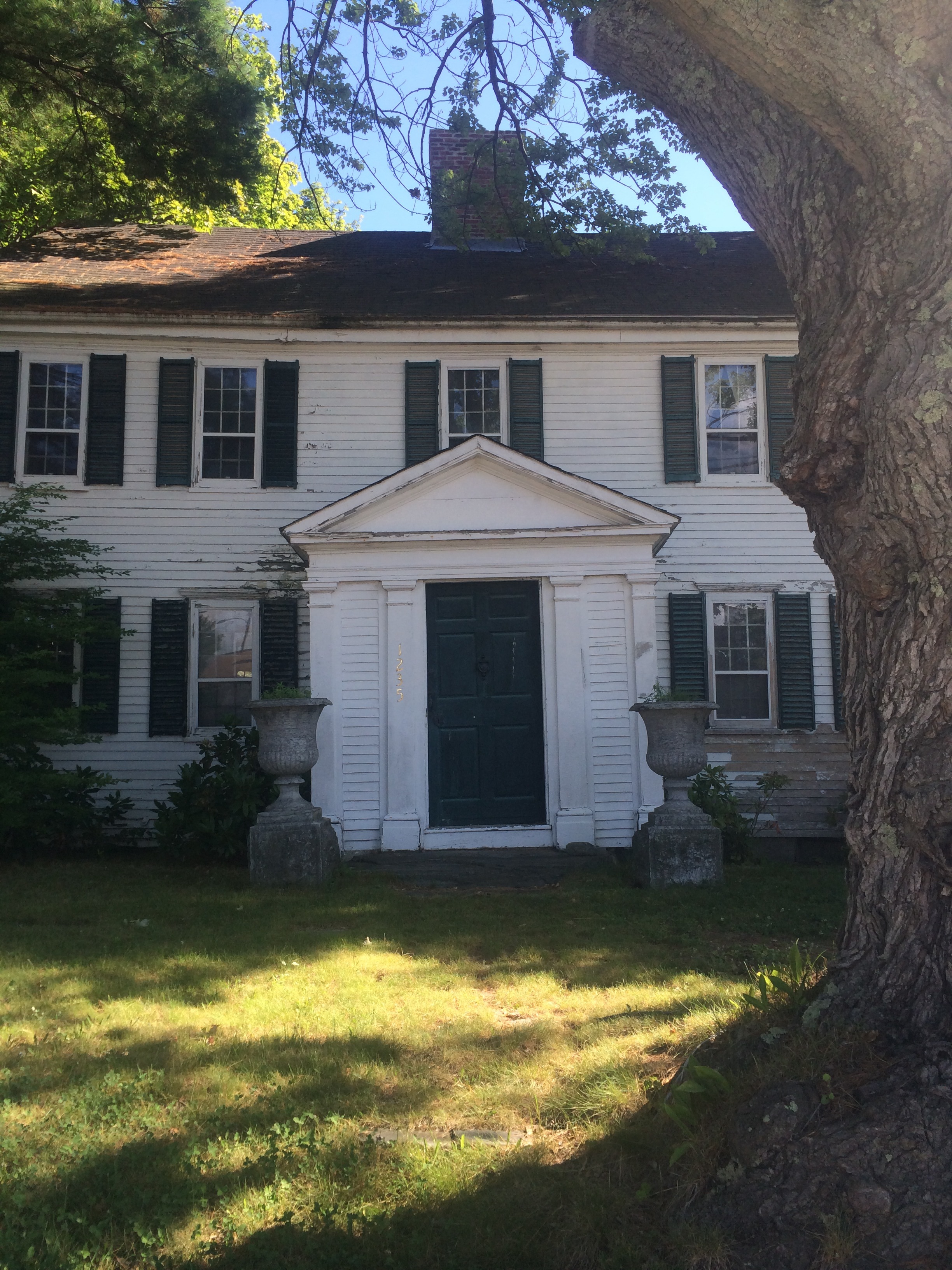
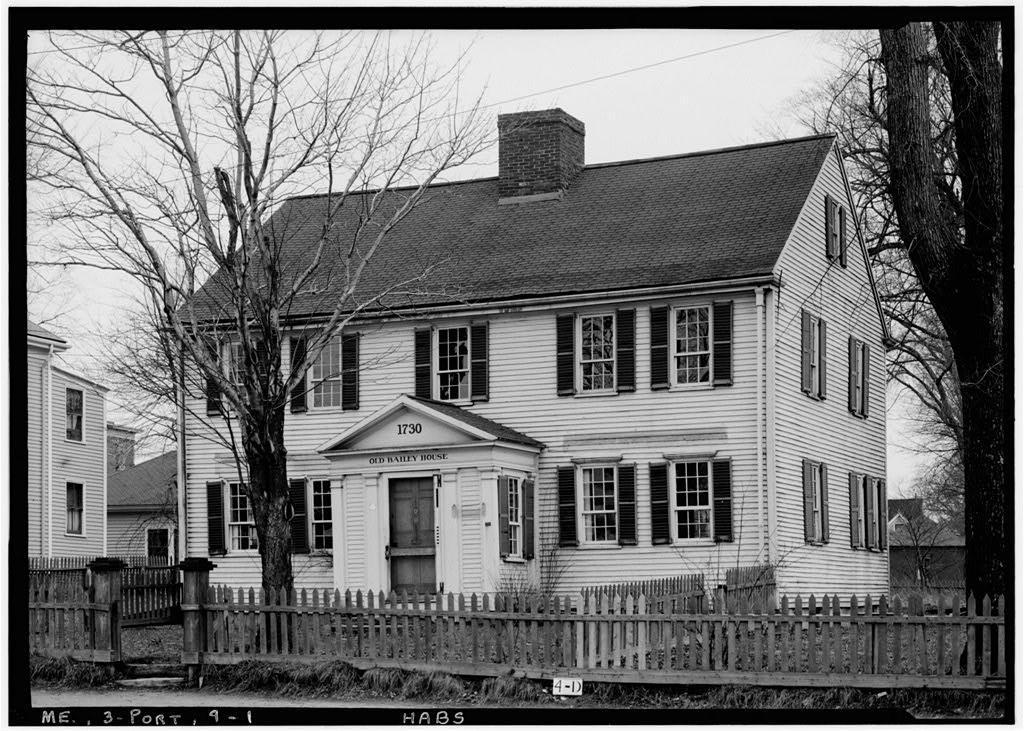
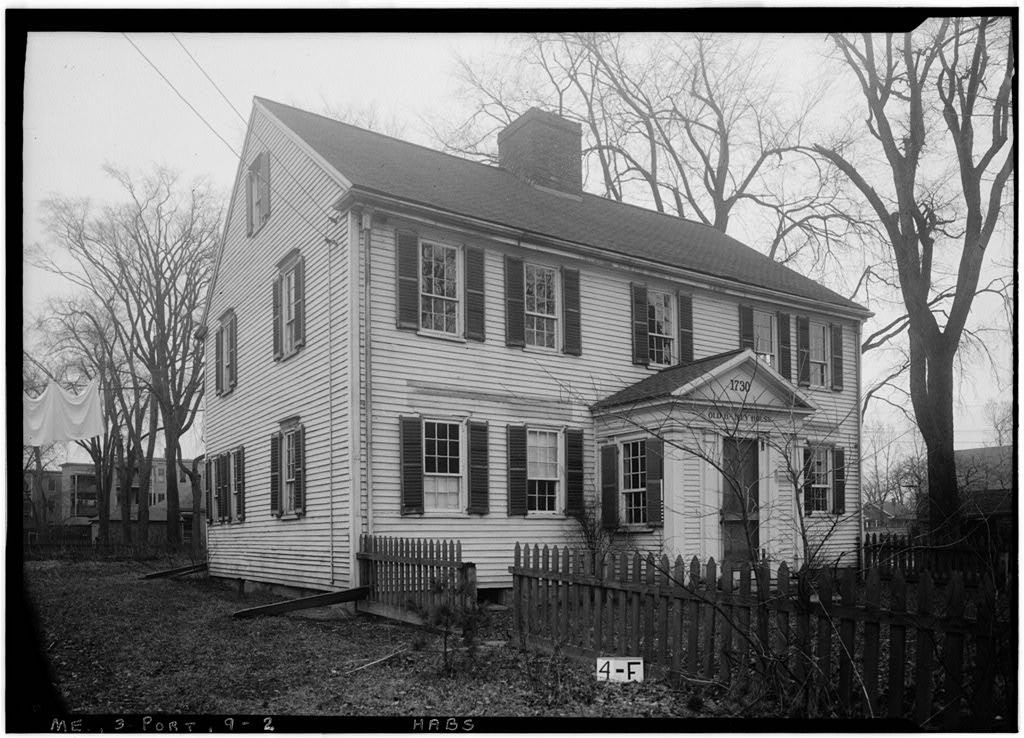
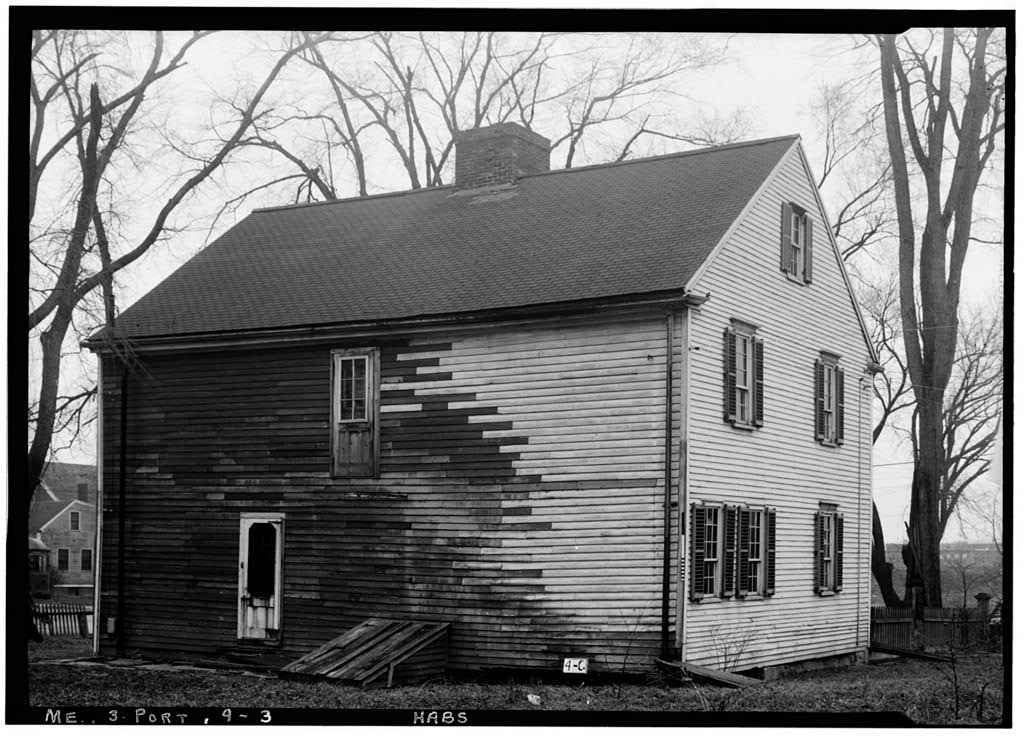
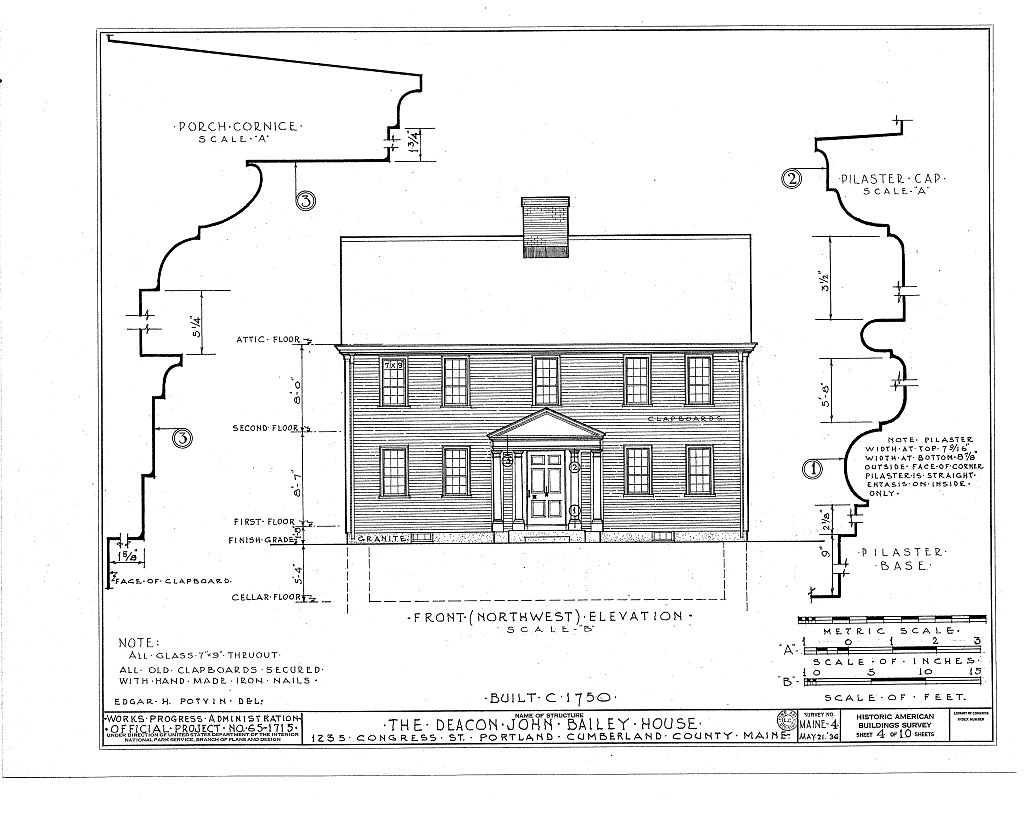
One of the most important Pre-Revolutionary War-era houses in the city, this Georgian home characterizes a very early period of history in Portland. Few properties from this time remain in Portland due to major fires in 1775 and 1866, as well as losses due to heavy transportation development in the 20th century. The house was documented in photographs and drawings in the Historic American Building Survey of 1936. Evidence exists that the bricks for the home’s floor and hearth were made onsite.

There is lack of public awareness of the significance of this early house located on a heavily-traveled, major street. Deferred maintenance, and the presence of a large tree in the front yard, the roots of which may be affecting the foundation, could threaten its structural integrity.

Our Position

The building is intact and has an owner who is highly knowledgeable and appreciative of its history. They are working hard to keep up the building while also operating a business. Major interior projects have been needed this year and are in progress, causing a delay in completing planned exterior work. There is an opportunity for listing in the National Register, which could provide access to state and federal historic preservation tax credits to help support the owner’s rehabilitation projects.

Press

Quick Links

What You Can do

  • Join our mailing list to stay informed about advocacy efforts, educational programs, and upcoming events.

  • Support Landmarks' advocacy efforts.
Winn Road Schoolhouse 

42 Winn Road, Cumberland  | Nominated to Places in Peril in 2015

The Issue

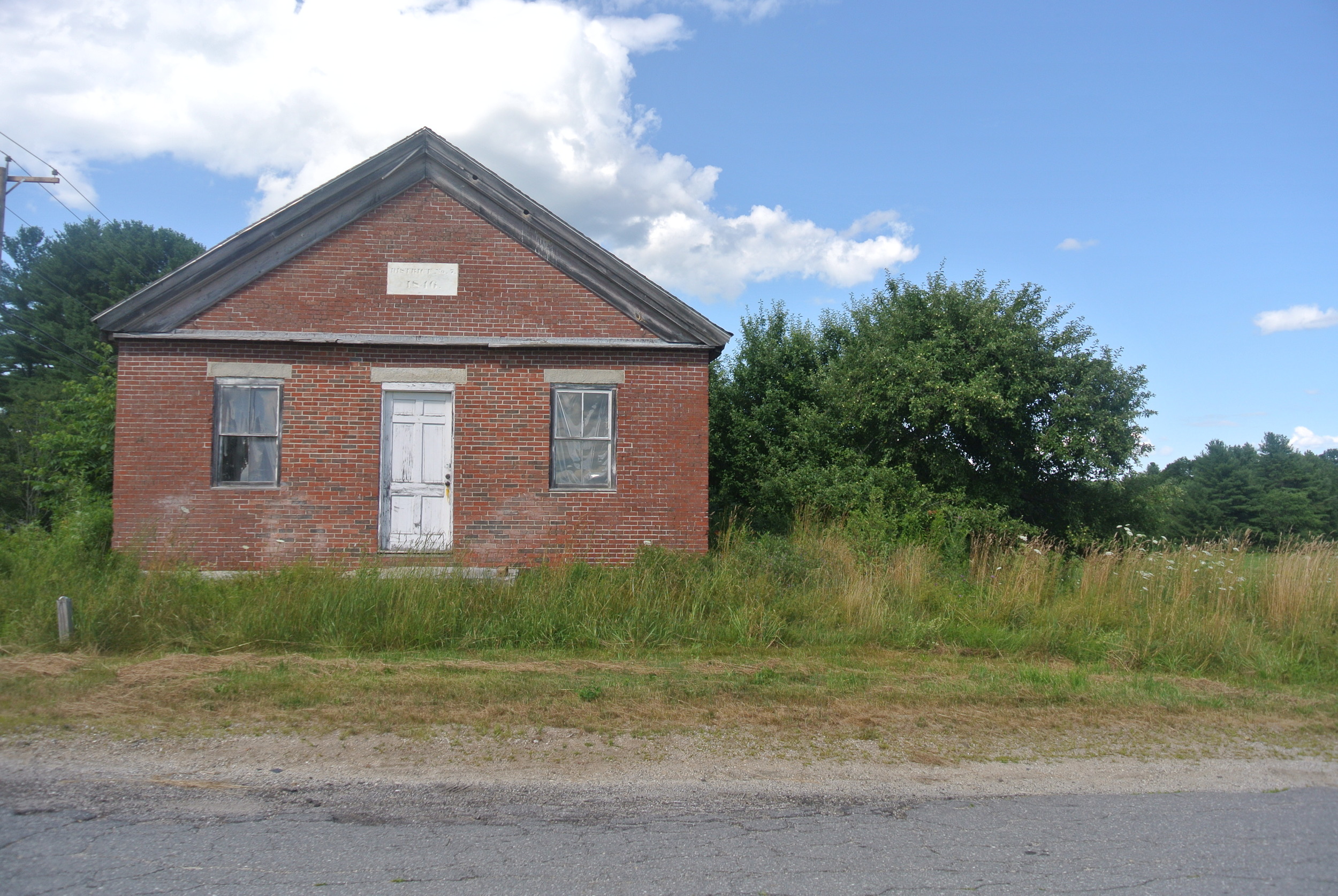
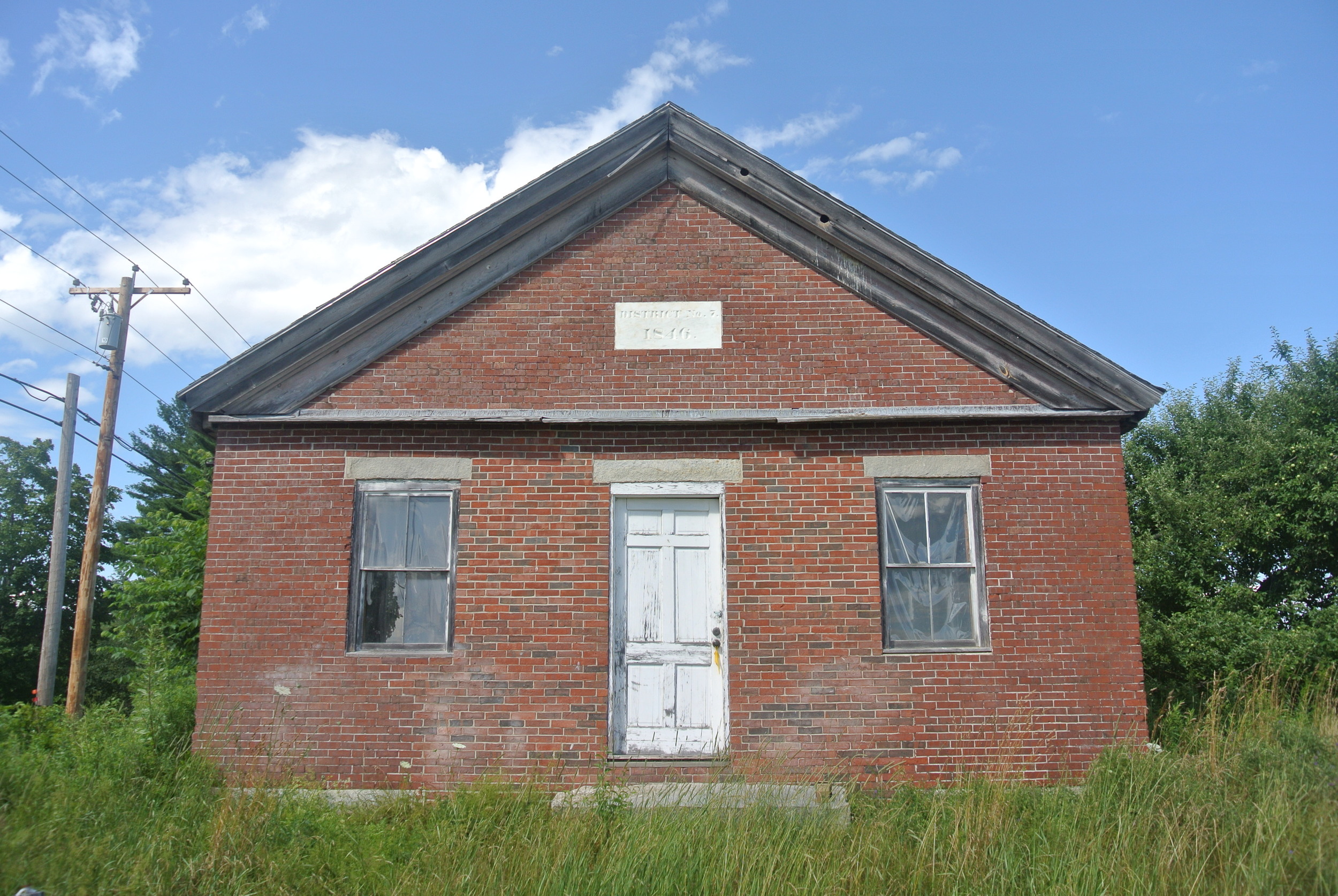
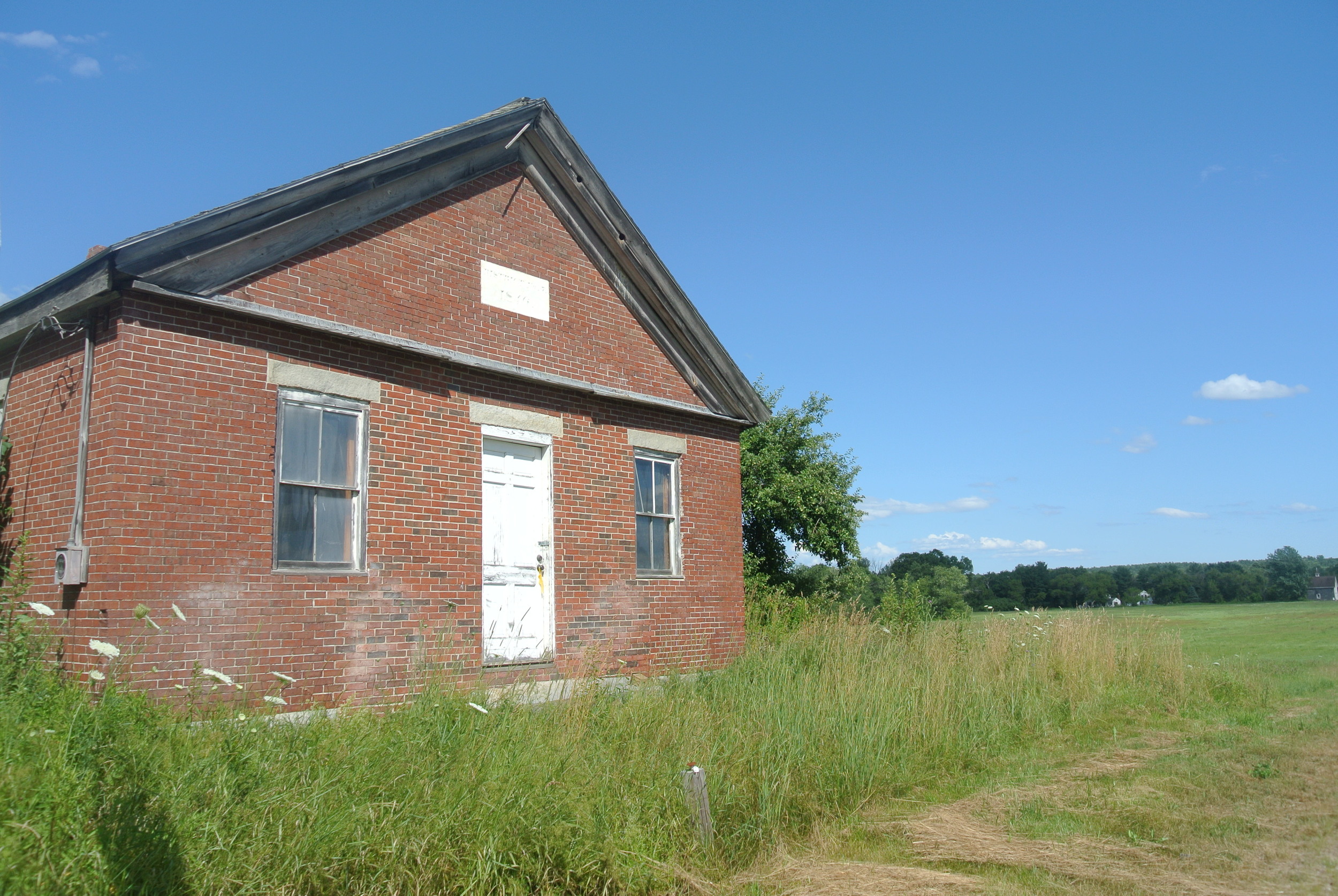
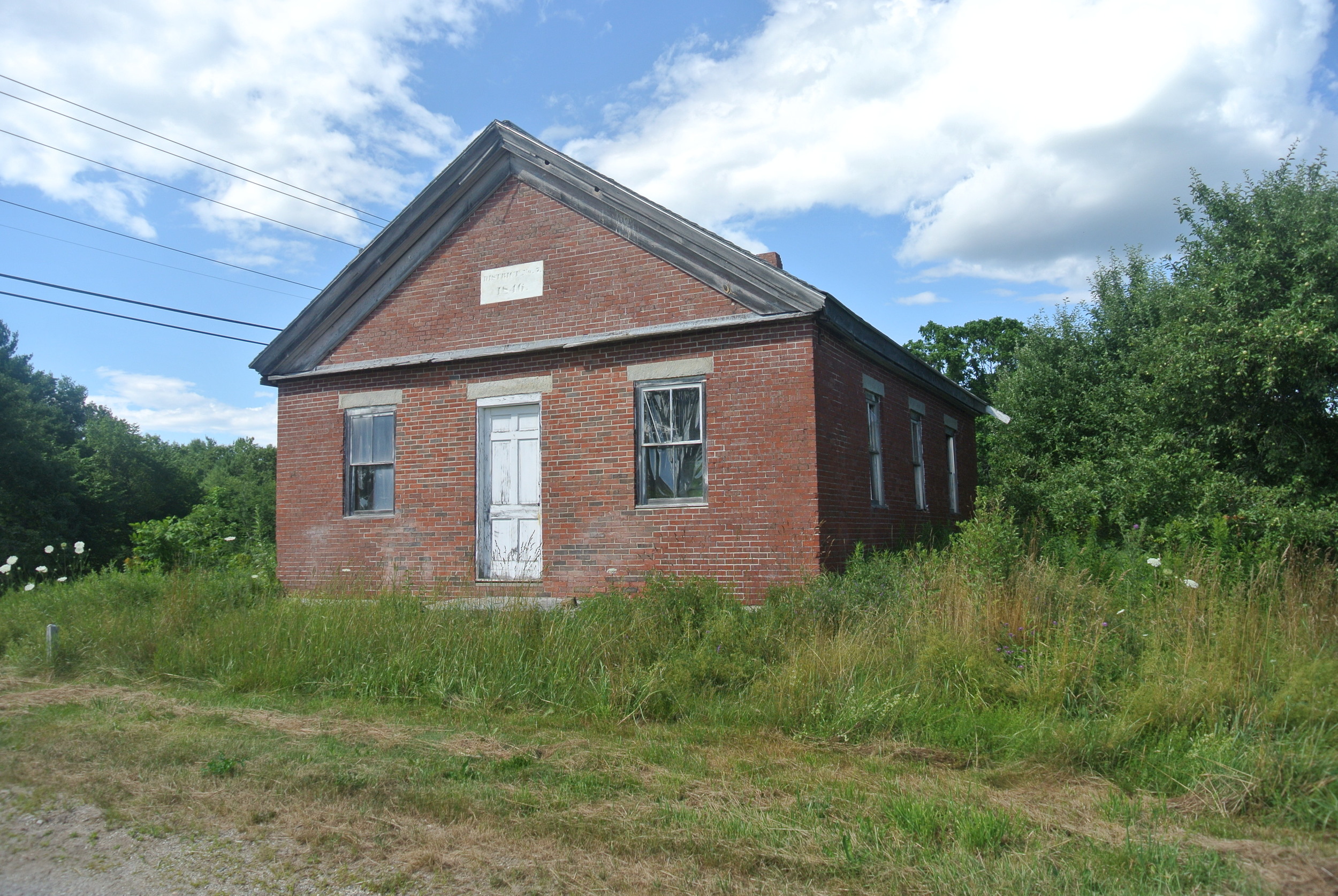
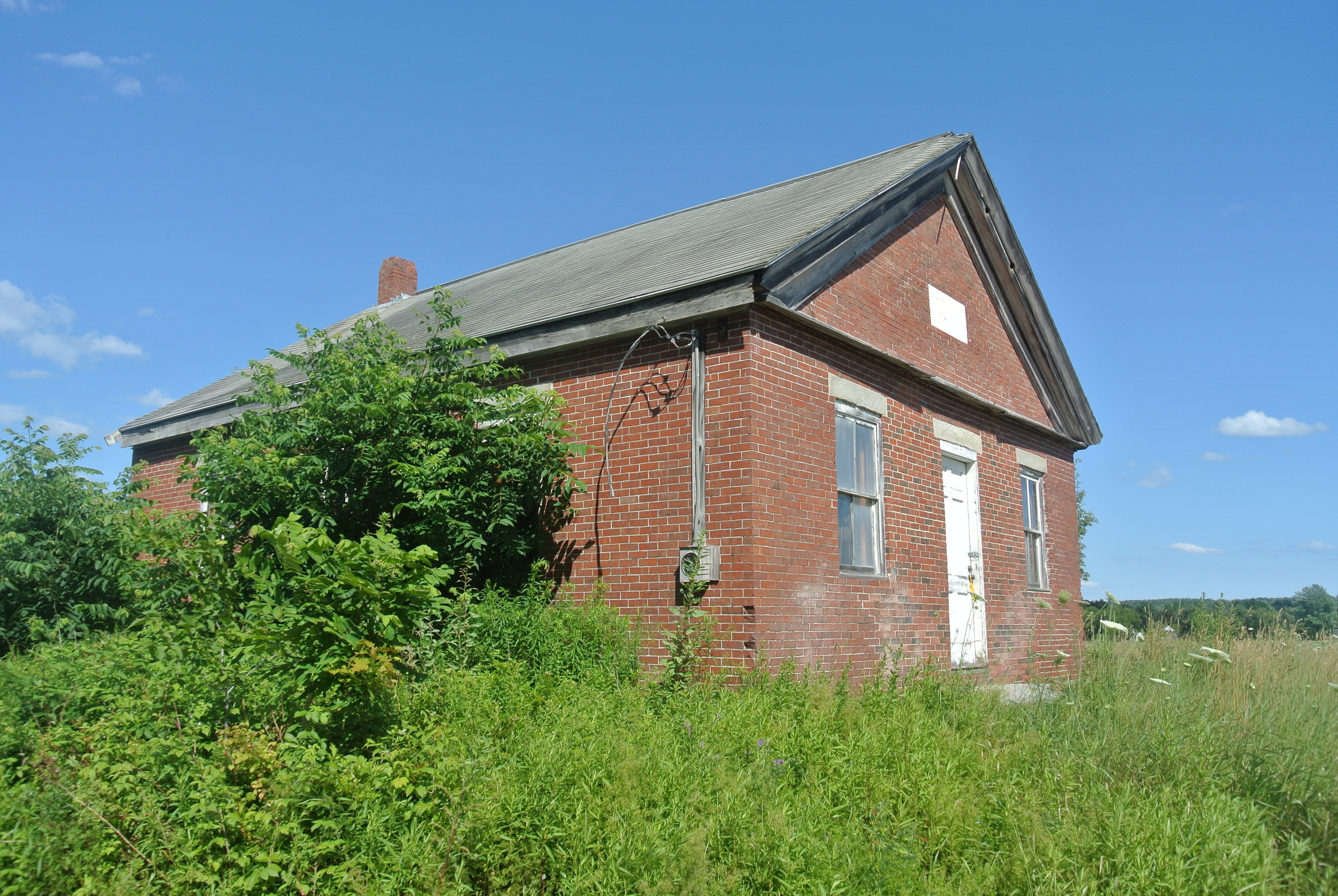
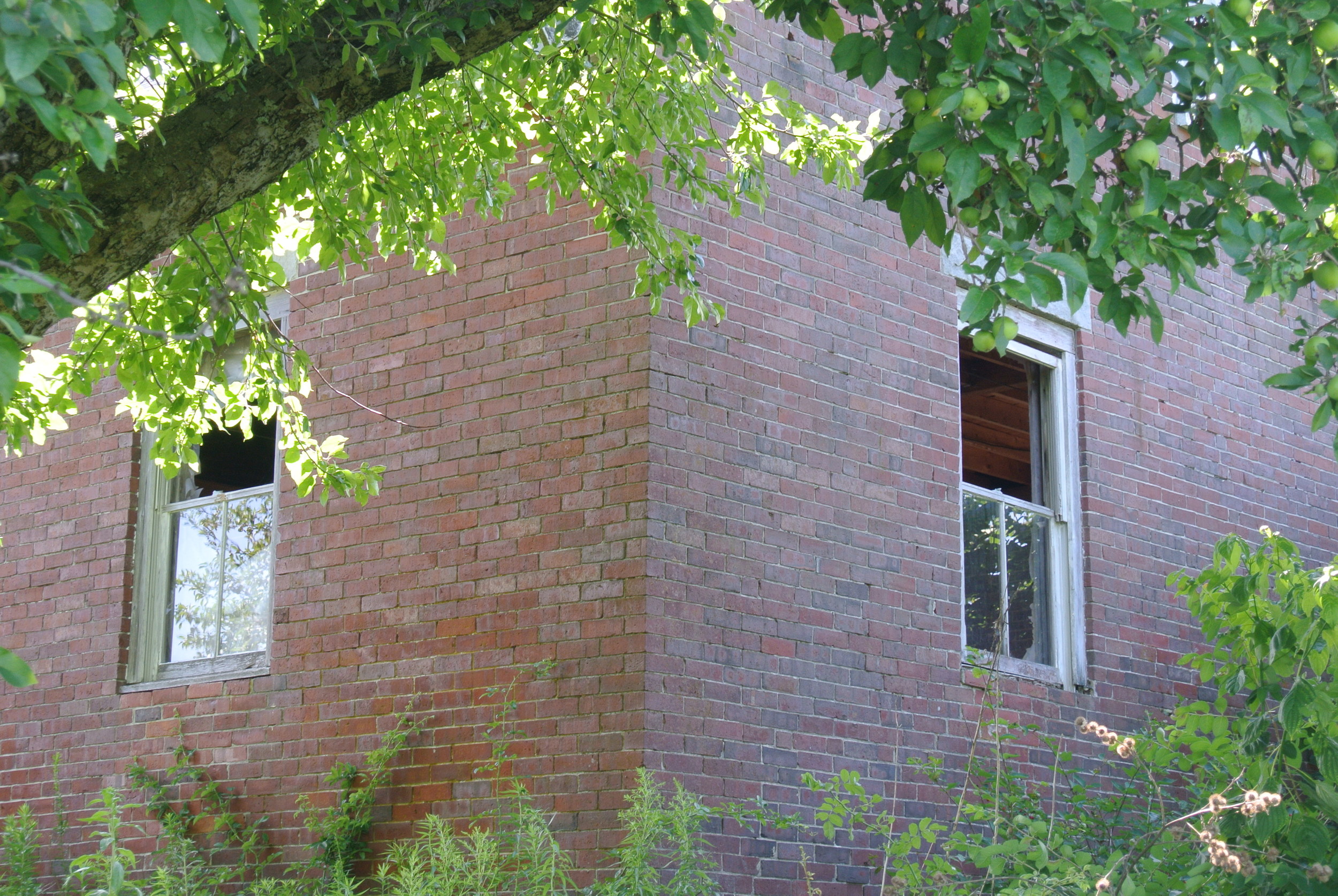
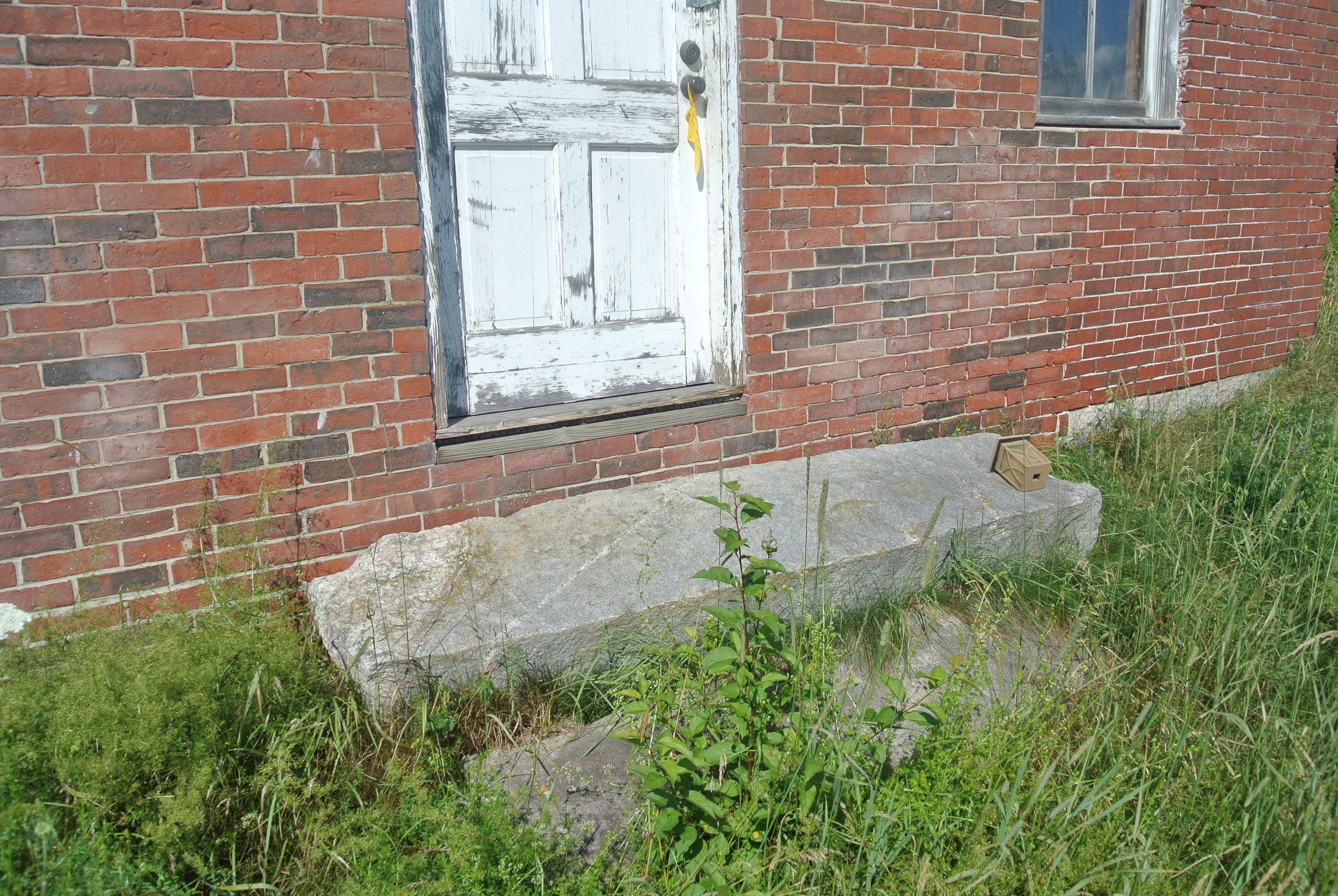
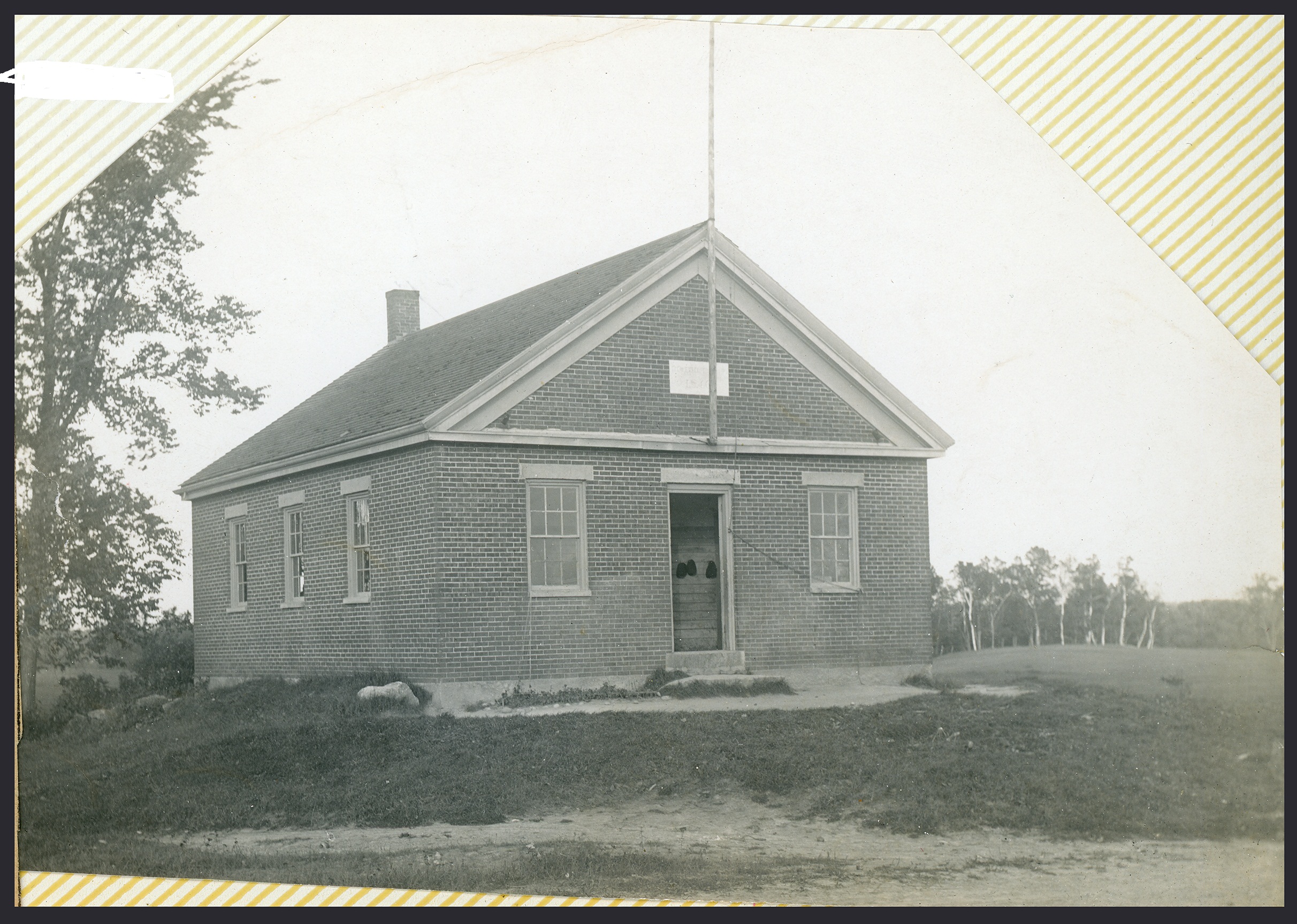
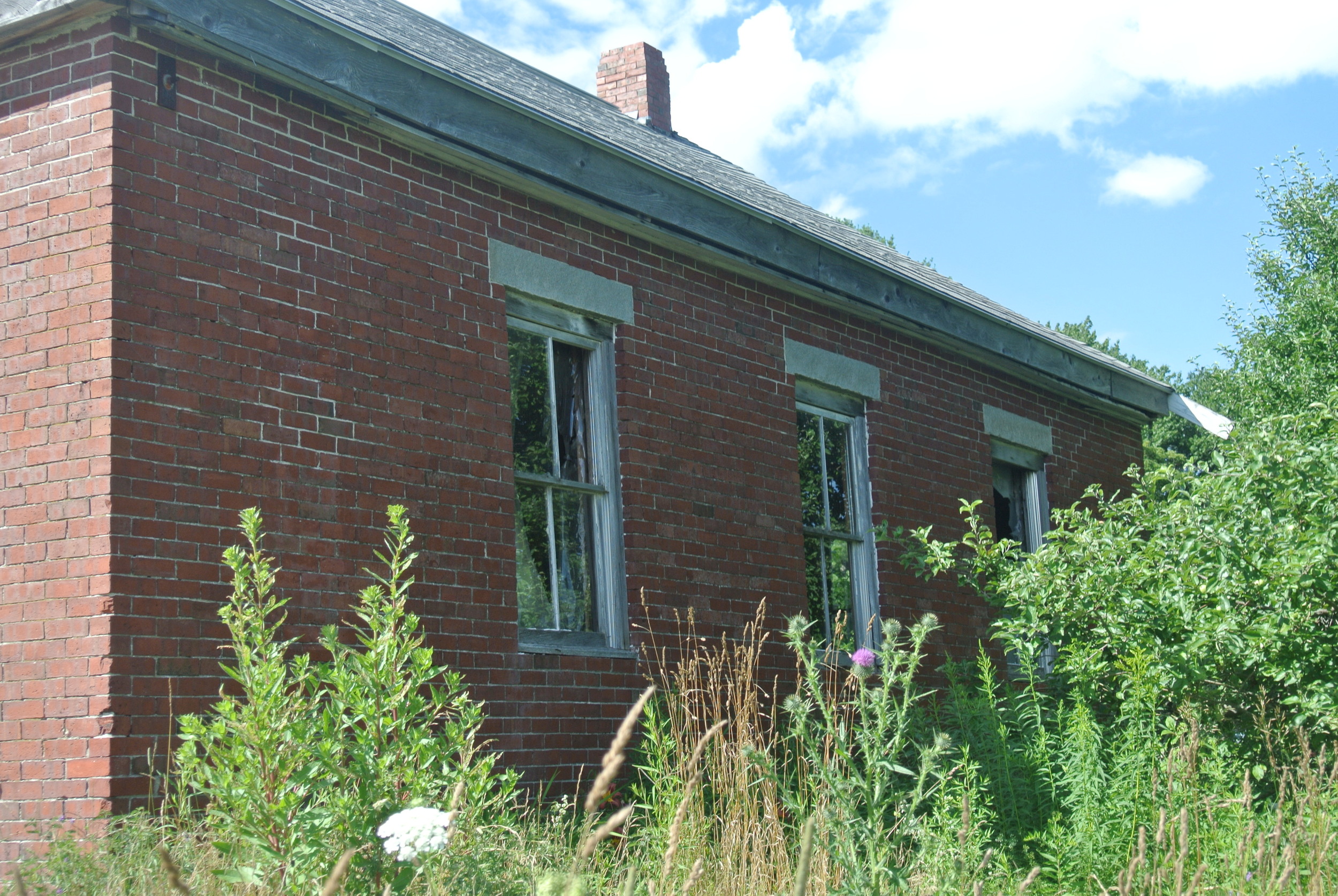
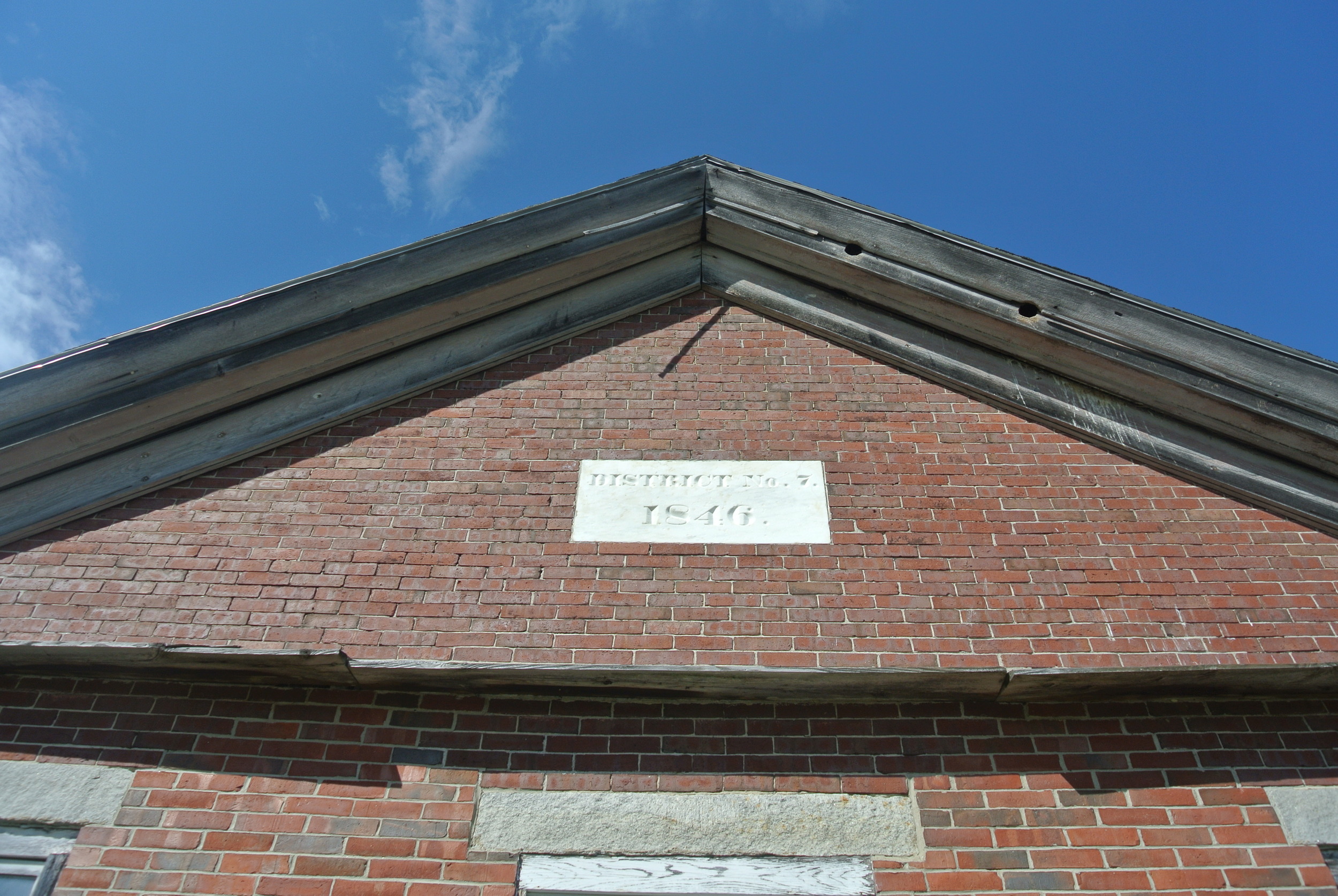
The Winn Road School is one of only two known one-room, brick, Greek Revival schoolhouses remaining in Maine (the other is irreversibly modified).  Built in 1846 the schoolhouse stands in a rural setting surrounded by gently rolling farmland. It features a full brick pediment, date block, granite lintels, and a unique, gradually sloped floor, made to ease sight lines for students. The building is vacant and vandals have broken most of the 6/6 sash windows, exposing the interior to the elements. Unused and unmaintained, the school’s wood architectural elements are in disrepair and the masonry walls need repointing.

Our Position

Greater Portland Landmarks nominated the school to its Places in Peril program in 2015. Since listing, the owner has secured the school windows from additional vandalism. The building has the potential for reuse and could potentially benefit from state and federal historic preservation tax credits.

The building is listed in the National Register of Historic Places, as is the Captain Ruel & Lucy Merrill House across the street. The Town of Cumberland holds a preservation easement on the school and recognizes that both properties are important historic resources. The Town recently added the property surrounding the school to its Growth Area. Landmarks seeks a solution for future development on the adjacent lots that is sensitive to the scale of the school and its residential neighbors and conserves the rural agricultural character of the site.

Press

What you Can Do

  • Sign up to stay informed about advocacy efforts, educational programs, and upcoming events.

  • Support Landmarks' advocacy efforts.