19th Century African American Resources on Portland's Peninsula
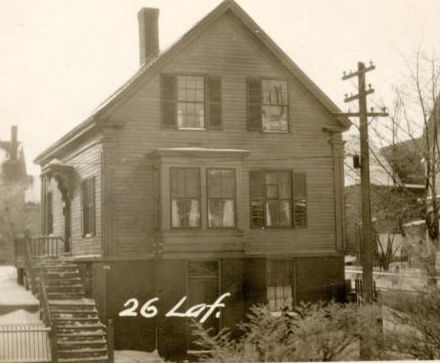
1800-1900 |  Portland's Penninsula  | Nominated to Places in Peril in 2017


SIGNIFICANCE

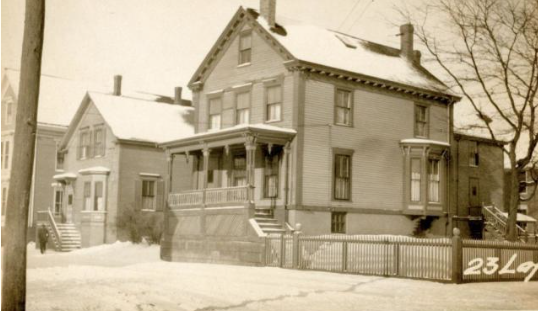
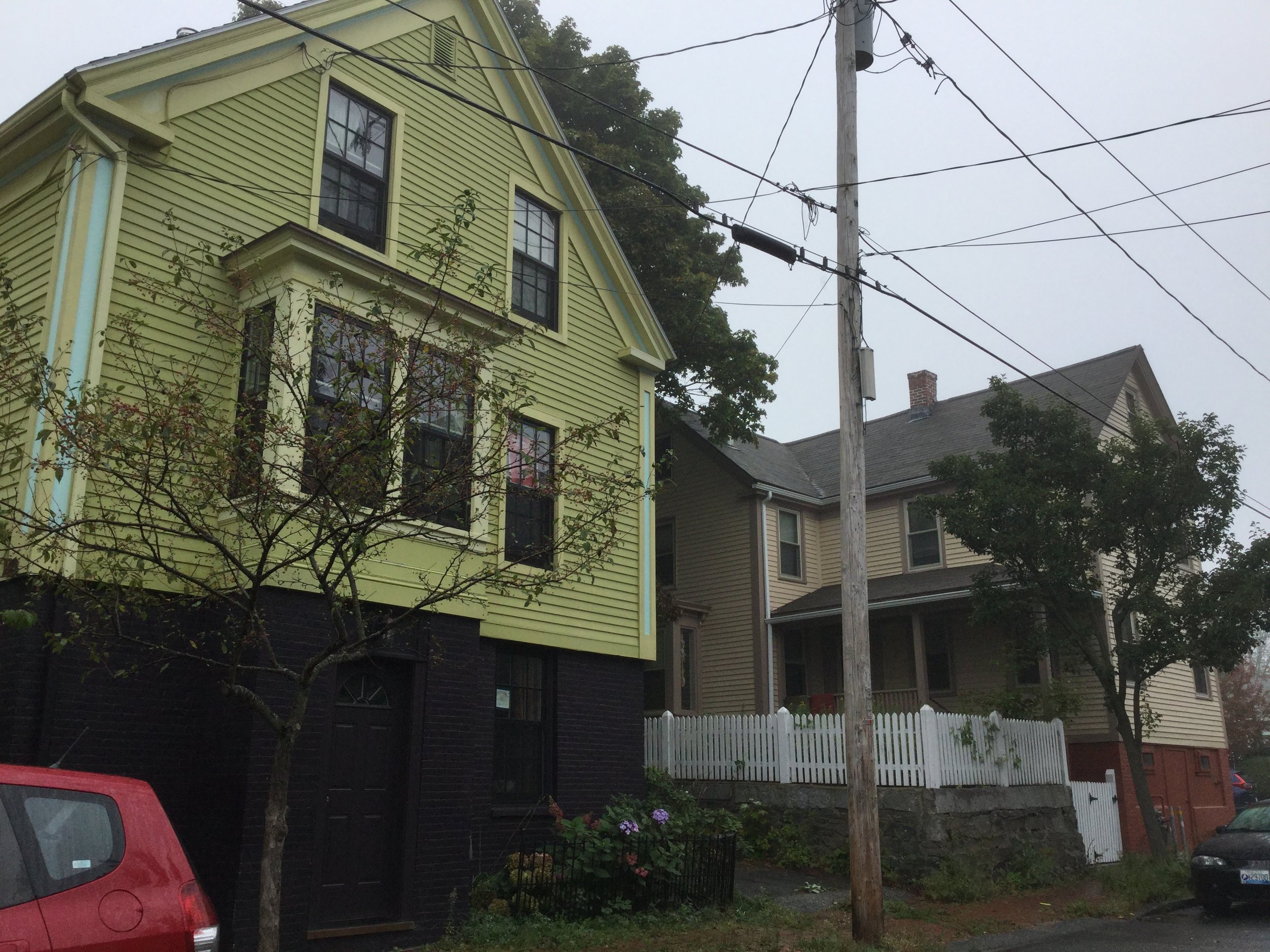
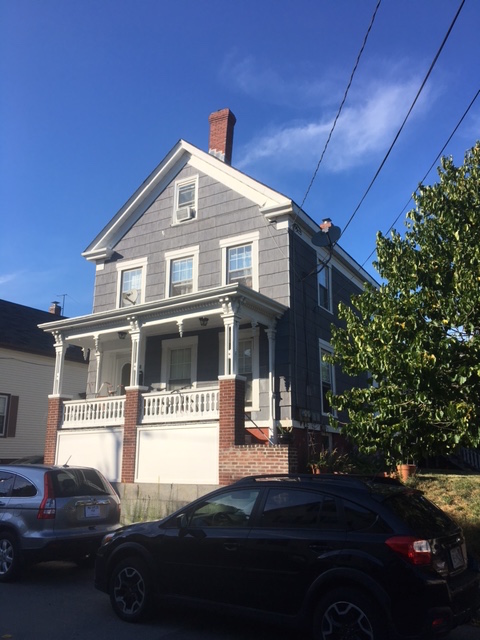
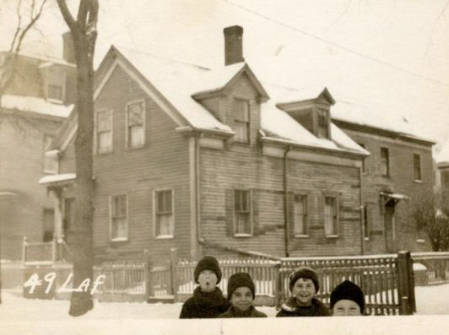
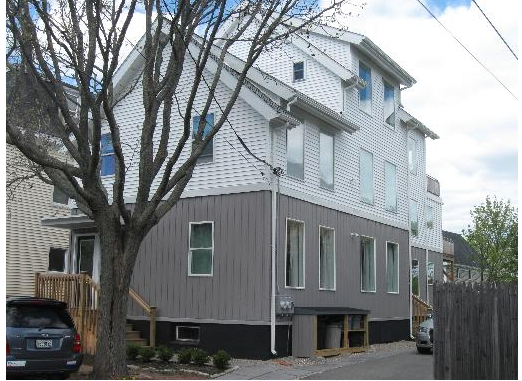
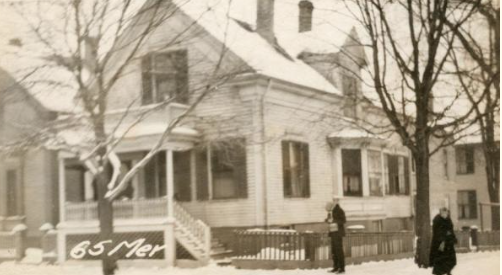
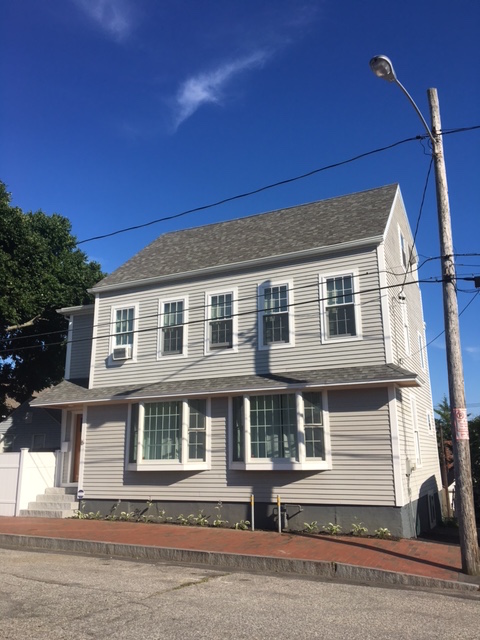
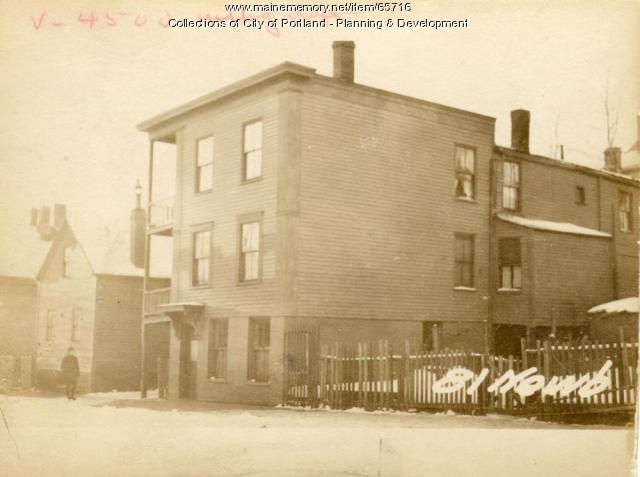
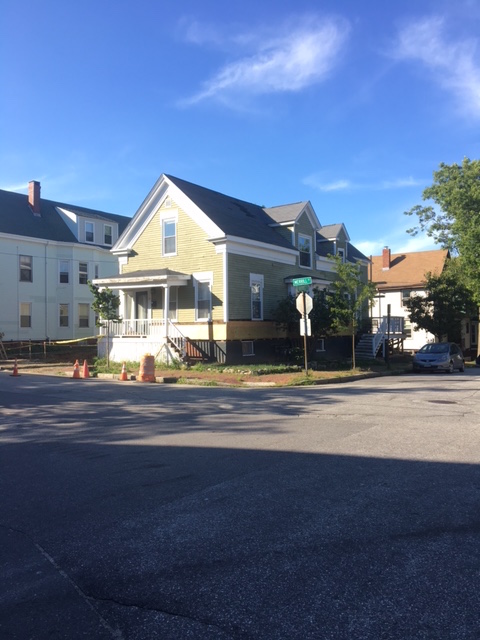
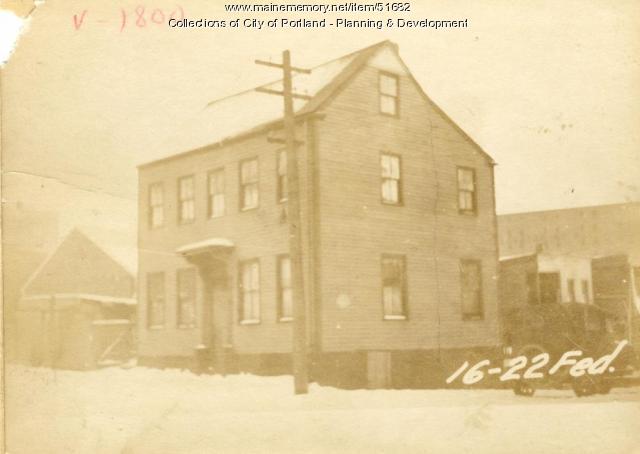
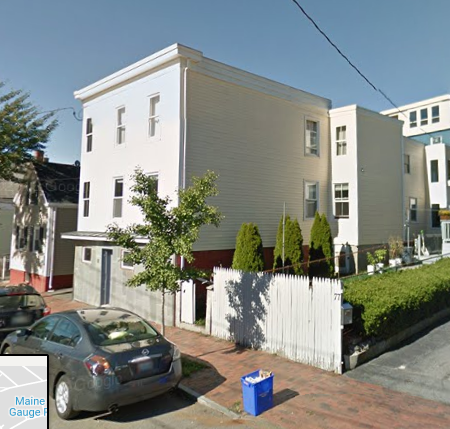
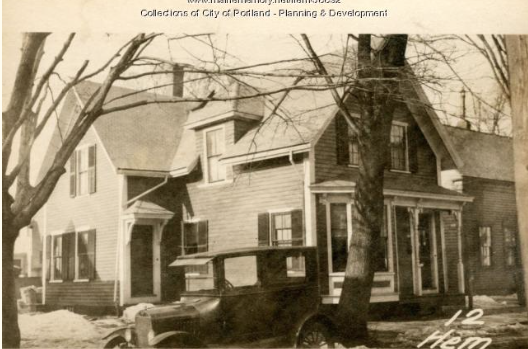
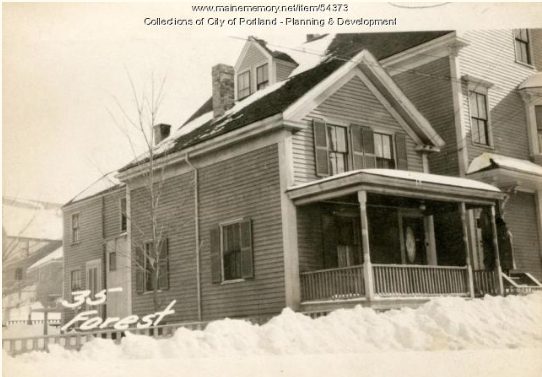
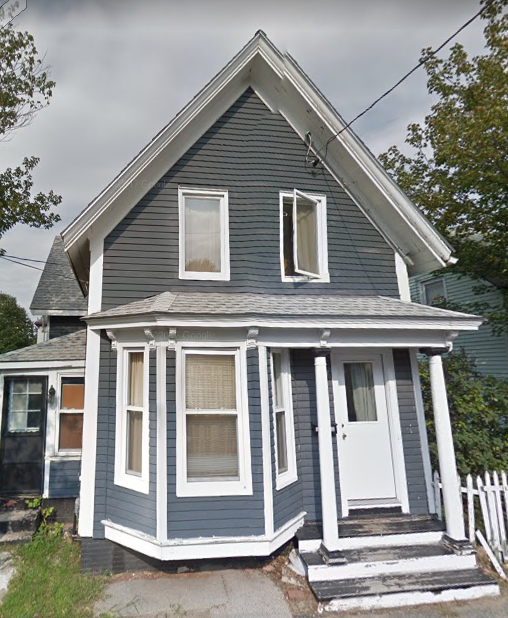
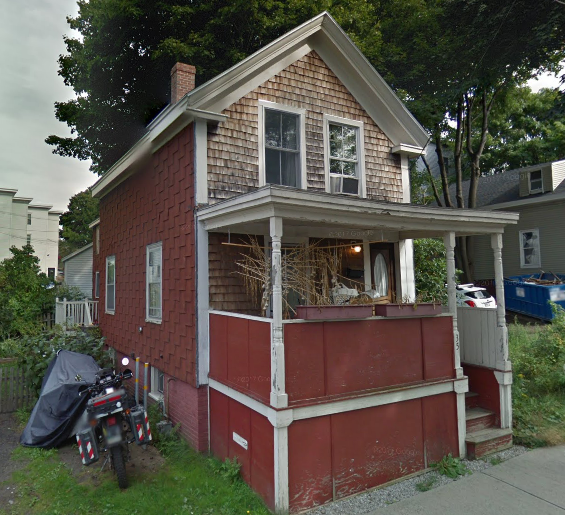
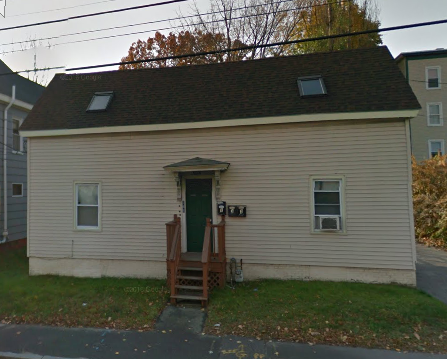
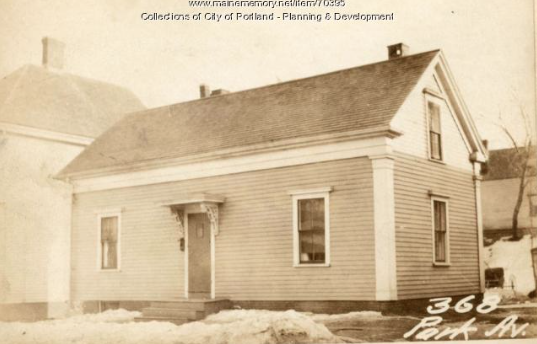
African-American citizens were a small but thriving community in 19th century Portland. Surviving historic resources and buildings tell the story of the African American citizens that contributed to Portland’s robust history. Three areas on the City’s peninsula were historically home to Portland’s black residents: Newbury Street near the Abyssinian Meeting House, Lafayette Street on Munjoy Hill near Mansfield’s Livery Stable and in the St. John-Valley Street neighborhood in close proximity to Union Station, a major employer to many of the neighborhood’s African American families.

Read more about African-American owned buildings on Munjoy Hill in our blog.

Check out more further reading about important places in Portland’s African-American history.

THREAT

All three areas historically associated with Portland’s African American community are either rapidly redeveloping or ripe for redevelopment. Land values are so high on and around Munjoy Hill and India Street that these neighborhoods are experiencing intense redevelopment, including teardowns for new construction. In the St. John-Valley Street neighborhood, Maine Medical Center’s planned expansion and the potential redevelopment of the Union Station Plaza Shopping Center are likely to spur an increase in new development in one of the peninsula’s lowest cost neighborhoods. Most of these areas have not been documented in surveys and none of these areas are within existing historic districts, therefore no historic protections exist for these buildings, many of which are modest in size and detail. While a City-designated landmark like the Abyssinian Meeting House is now protected by City Ordinance because of the hard work of concerned citizens for that property, the surrounding houses are not. For example, several nearby houses along Newbury Street have been significantly altered and one is being marketed as a teardown.  On Lafayette Street, several houses built or occupied by African-Americans have been torn down for new development. In preservation efforts to date, these modest dwellings and institutional buildings associated with Portland’s black history have largely been overshadowed by larger, more elaborate buildings.

In early 2021 the City of Portland approved a new historic district on Munjoy Hill that includes some of the homes and businesses in that neighborhood associated with the Portland’s black history, but more work remains to be done to raise awareness of the history of the non-protected buildings and the stories of their occupants.

OPPORTUNITY

Preservation and increased awareness of these important historic resources of this oft-overlooked population in Portland is needed. Greater attention to these modest homes is essential to tell the story of this minority community in Portland. There is opportunity to:

1.       Survey, document, and raise awareness about these buildings and their history;

2.       Expand upon the existing research about the neighborhood surrounding the Abyssinian Meeting House and the history of Portland’s African American community in general by including these undocumented and little known resources.

3.       Explore the potential to create small, 3-4 building local historic districts, to keep the integrity of the historic neighborhood intact and guide future development;

Stay up to date


Bowery Beach School

1855, altered 1985, Greek Revival | 11 Wheeler Road, Cape Elizabeth | Nominated to Places in Peril in 2017

SIGNIFICANCE

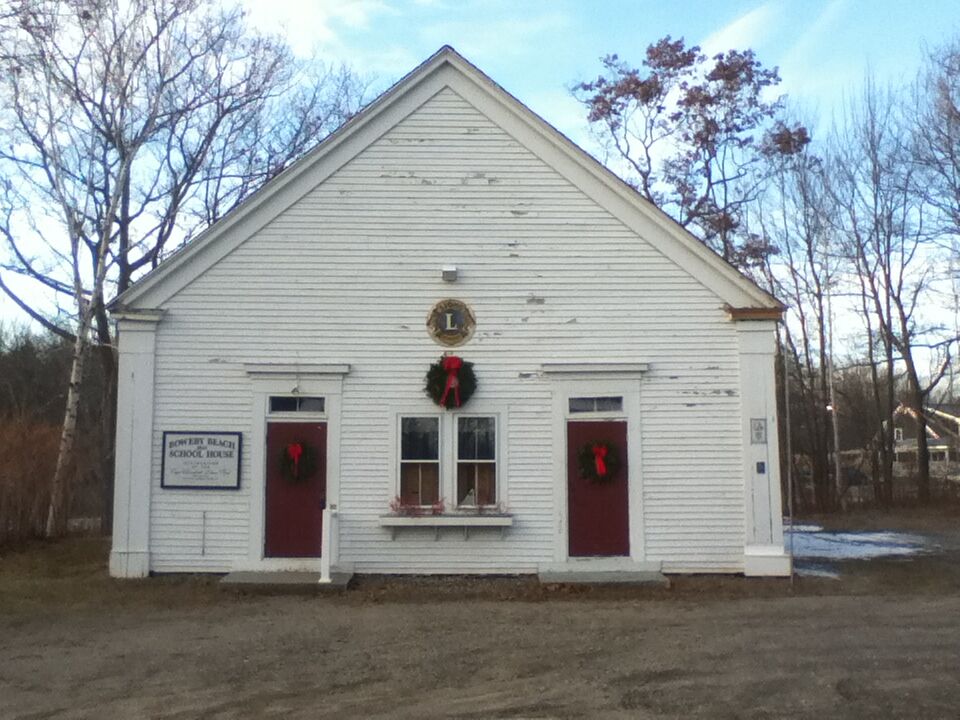
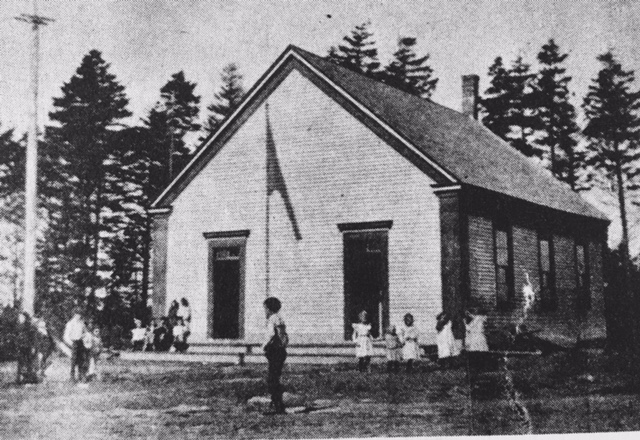
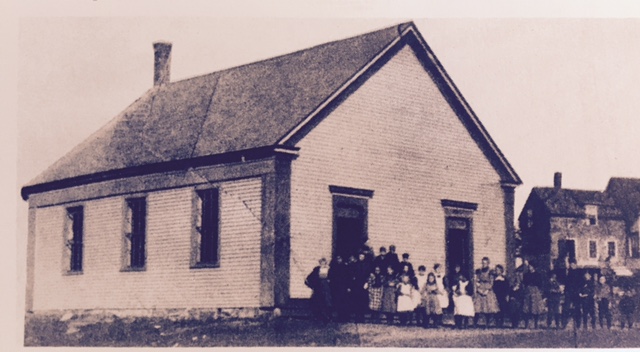
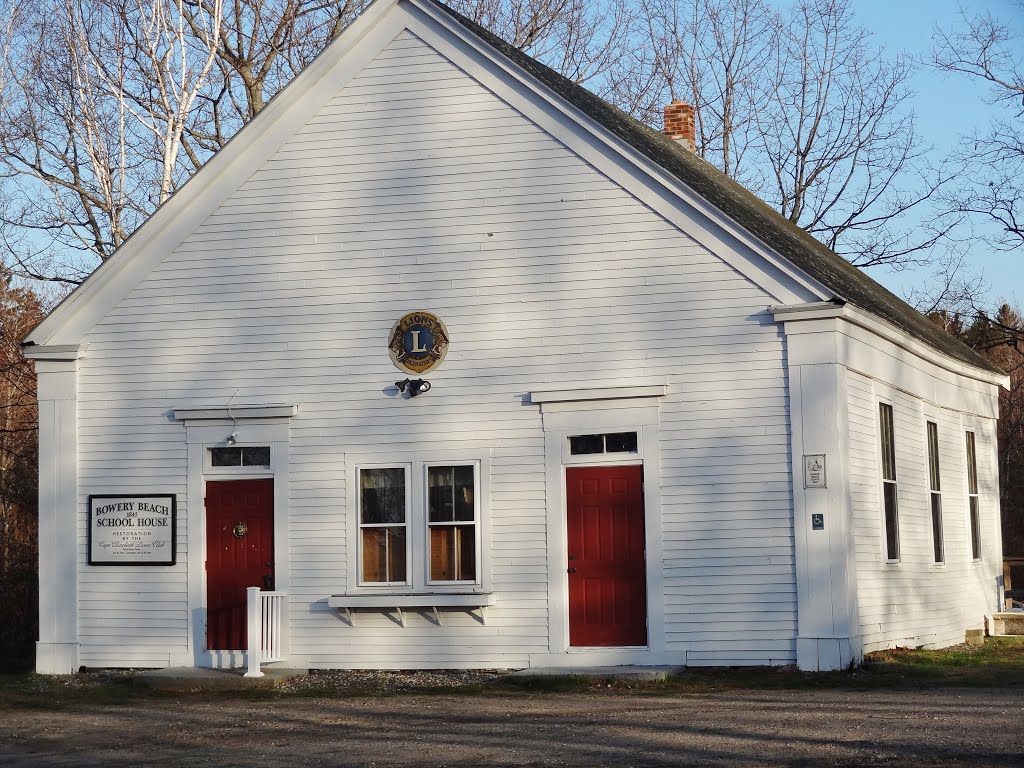
The Bowery Beach School, located at the intersection of Wheeler and Ocean House Roads (formerly Maxwell Road) was built in 1855 to accommodate students for the newly-developed Cape Elizabeth 9th School District.  The building remained the Bowery Beach School until 1930, when dwindling attendance made the transportation of remaining rural students to a larger school necessary. Once the school closed, Cape Elizabeth sold the school to the Ladies Union which renamed the building Crescent Lodge. In 1983, the Ladies Union sold the building to the current owner, Cape Elizabeth Lions Club.

The property was named a significant property in the 1999 Cape Elizabeth Historic Resources Survey conducted by Barba + Wheelock Architecture and Preservation. This is one of the last remaining schoolhouses that characterizes the bygone era of one room schoolhouses in the Cape Elizabeth/Portland region. 

Unlike other former one-room school buildings in the town and surrounding areas, this building has been located on its site since its construction in 1855. The building contains most of its original features and architecture; and its materials, design, workmanship, feeling, and setting are intact. Existing Greek Revival exterior details and materials remain intact in near original condition, including the historic clapboard siding with corner boards. Two historic entrance doors are located on the front façade; one for girls and one for boys.  

The Lions Club is sought eligibility for listing the building on the National Register of Historic Places to aid their awareness-building and fundraising efforts. The building was added to the National Register in 2018.

THREAT

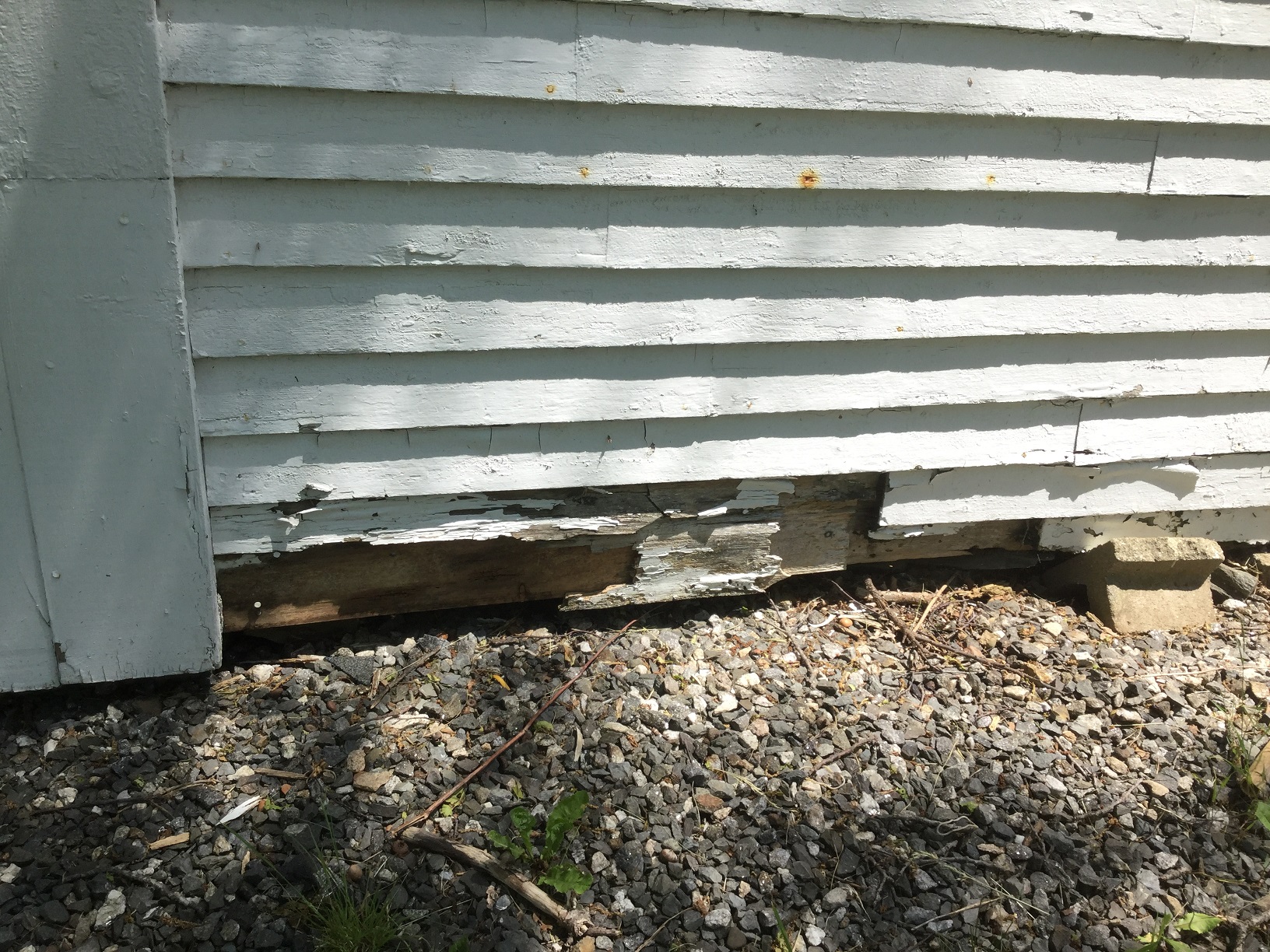
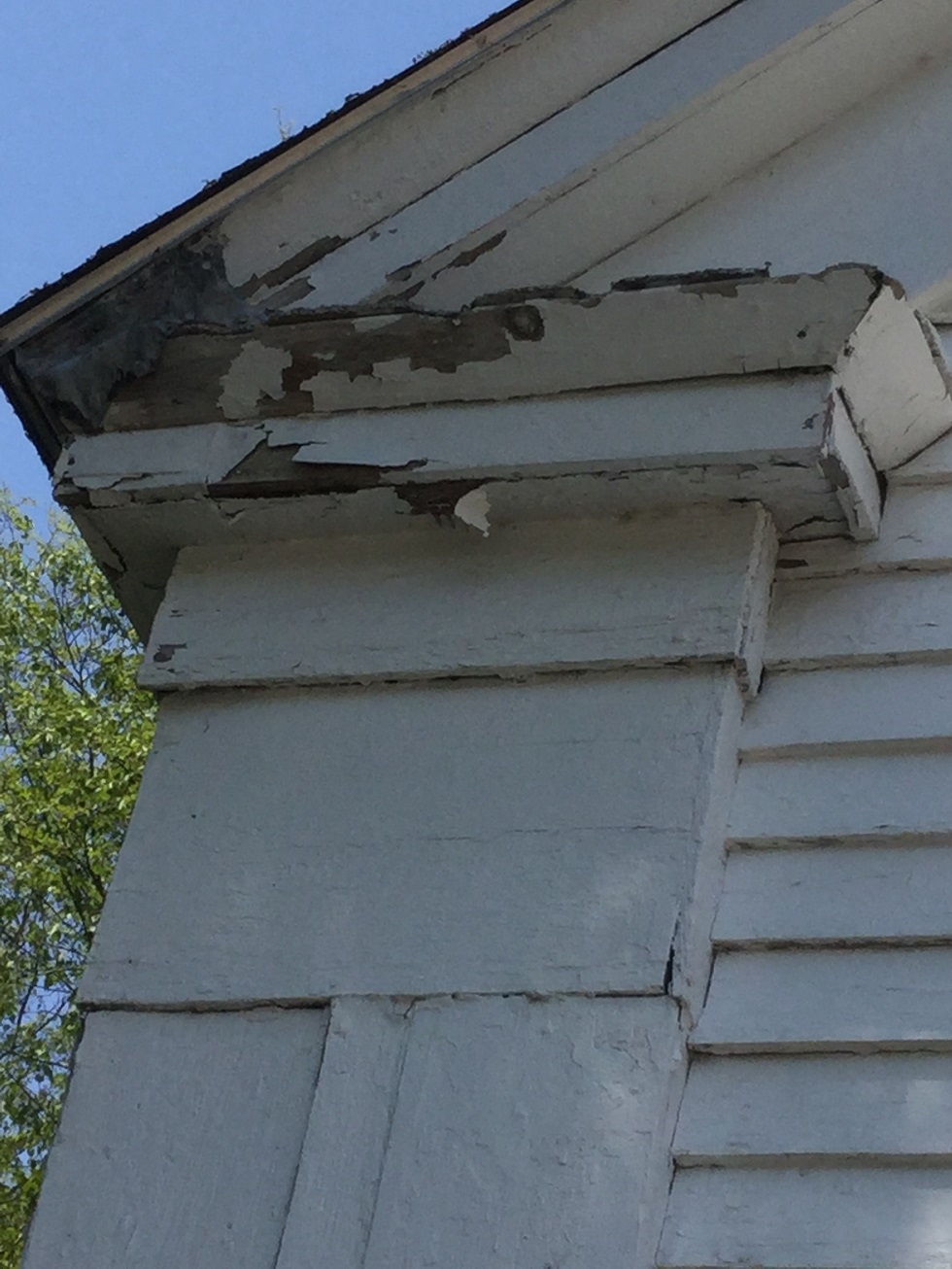
The current owner’s nonprofit charter requires that proceeds from fundraising activities be dedicated 100% to charities, leaving very limited opportunities for funding building repair and maintenance needs. A structural assessment has found that the building’s foundation is sound, but framing needs repair from rot and rodent activity.  While an enthusiastic group of volunteers have been making initial repairs, the organization’s lack of funding threatens their ability to own and maintain the clubhouse, putting its future at risk.

OPPORTUNITY

Several opportunities exist to protect the Bowery Beach Schoolhouse:

1.       Growing community awareness to help gain financial support to preserve the former schoolhouse;

2.       Considering additional uses for the building that could raise additional income to support its long term preservation. Such uses could include a living museum to showcase Maine’s historic schoolhouse history, an event hall that could be rented for special events, or a space to hold educational programs for the community.

3.       Forming a Friends group, with a separate charter and nonprofit status, to help raise funds for needed repairs and improvements.

Stay up to date

Join our mailing list and keep updated about Places in Peril, advocacy issues, education programs, special tours, and upcoming events.

Dunn Memorial Church

1906-1907, Gothic Revival | 4 Brentwood Street, Portland  | Nominated to Places in Peril in 2017

Update

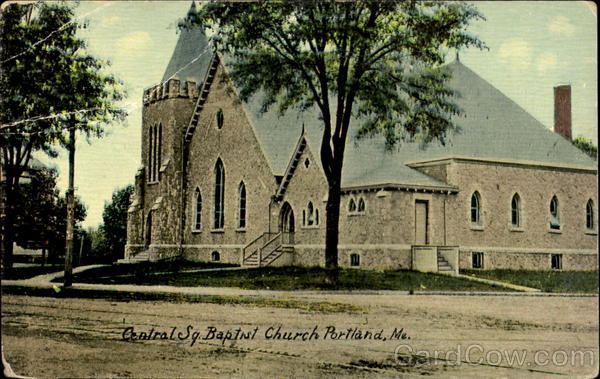
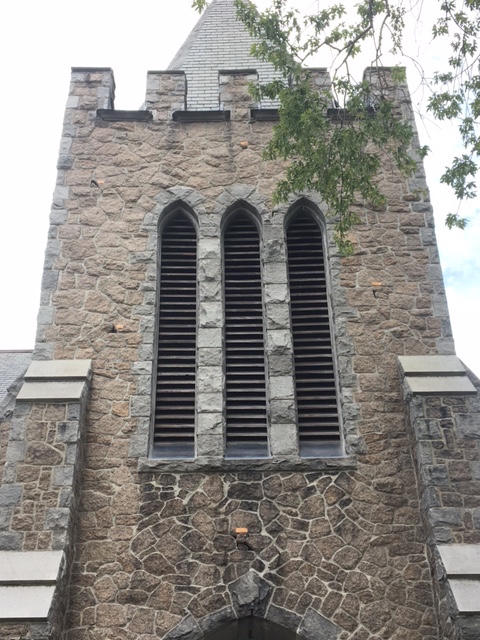
As recommended by an engineering report, the church has wrapped the bell tower to prevent stones from falling. Fundraising continues to stabilize the tower and make repairs. To learn more and make a donation visit the Deering Center Community Church website!

SIGNIFICANCE

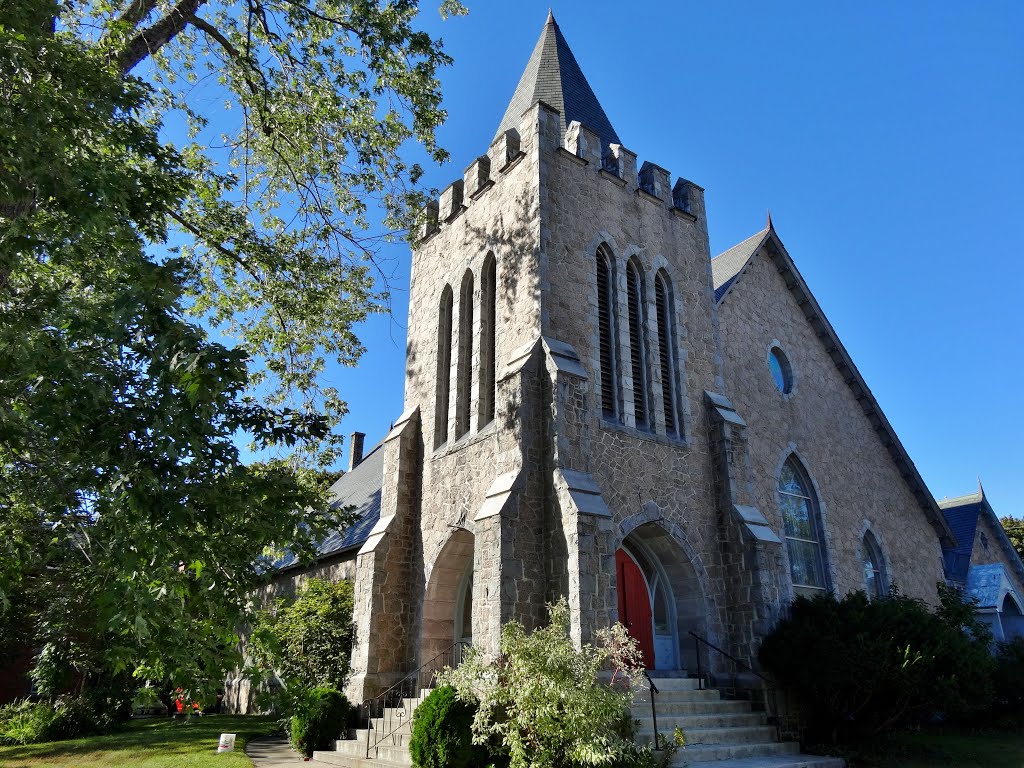
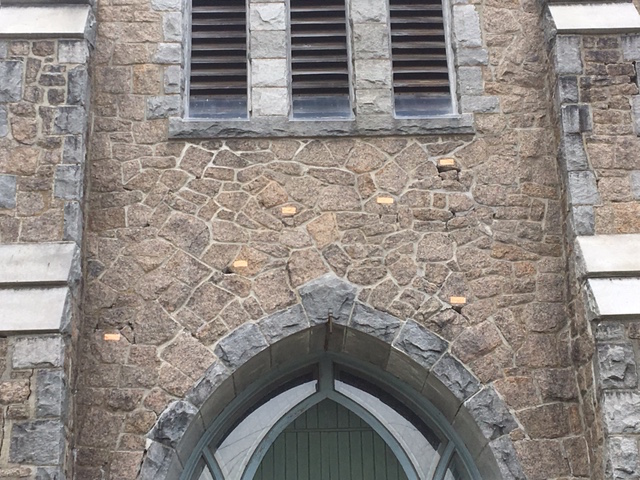
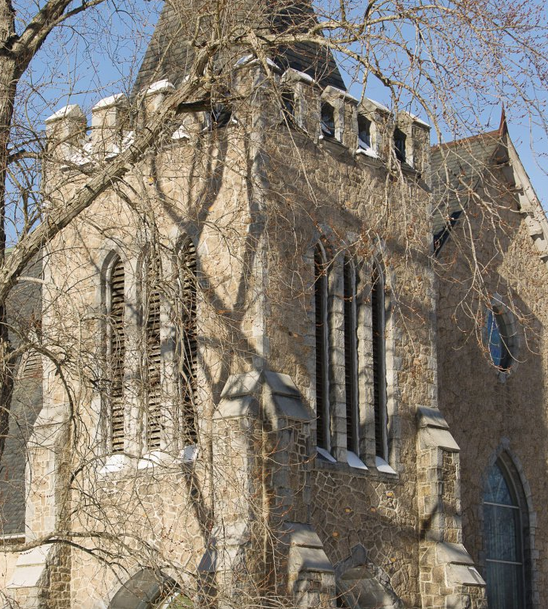
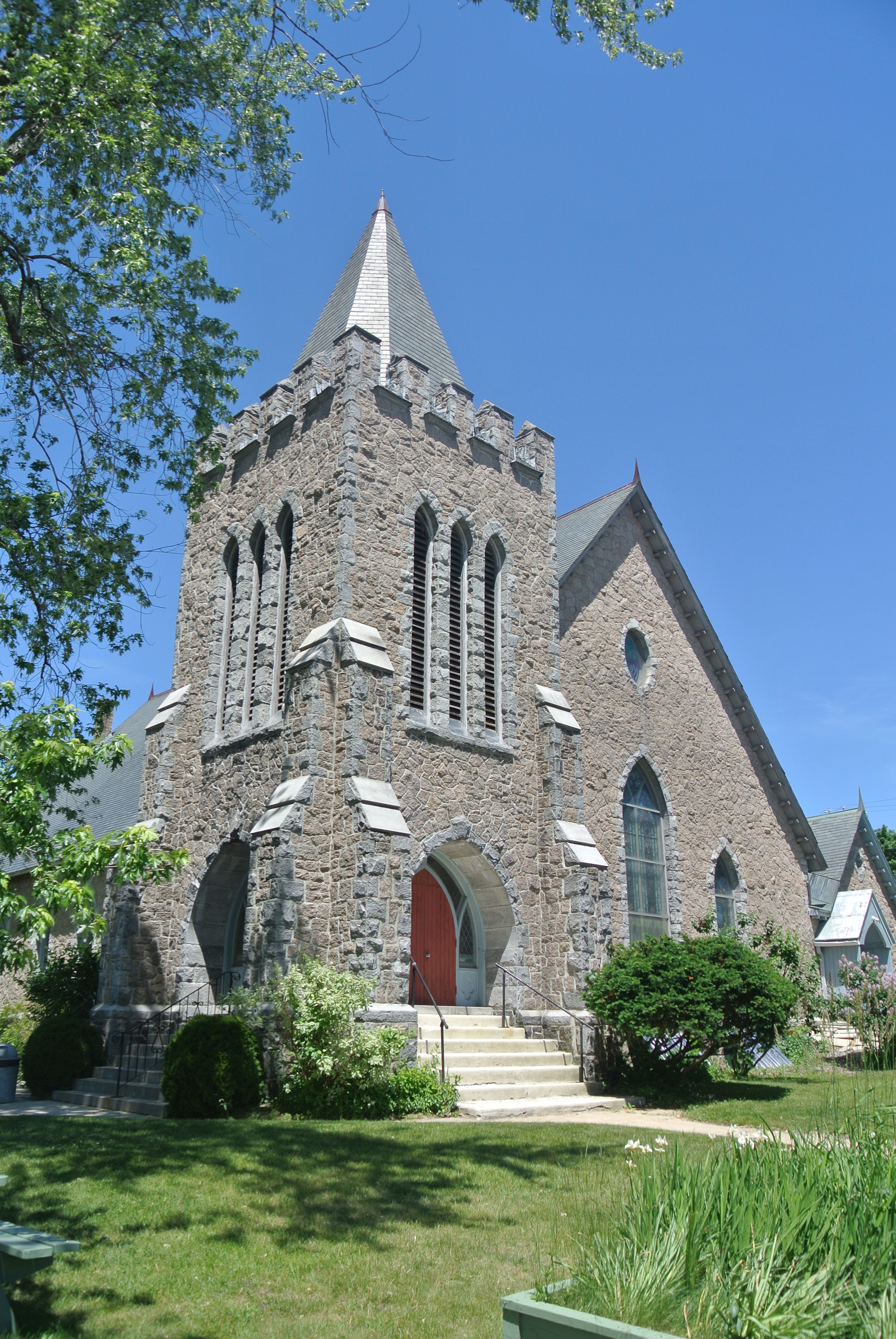
The Dunn Memorial Church, later renamed Central Square Baptist Church, honors the Rev. A. T. Dunn, D.D. who helped to organize the congregation just before his death in 1904. Now known as the Deering Center Community Church, it is one of several religious and educational buildings along Stevens Avenue in Portland.  One of the few buildings in Portland designed by noted Bangor architect Victor Hodgins, the church features pink granite stonework on the façade, a decorative bell tower, and a Monson slate roof. The cornerstone of the church was laid in 1905 and the church was completed in 1907.

The building is an architecturally significant structure and well known visual landmark on Stevens Avenue at the corner of Brentwood Street and was determined eligible for the National Register of Historic Places in 2005.

THREAT

Over the years, improper use of a modern Portland cement mortar instead of a softer historic lime mortar to repoint the historic masonry has led to decades of structural problems.  With each passing winter, the freeze and thaw cycles allowed accumulated moisture to push out the granite veneer.  Now, the building faces extensive damage and an estimated $1.5 million is needed to repair the iconic bell tower. 

Repair costs for the bell tower are not within the budget of the congregation. Recognizing the potential for further damage to the building and concern for the safety of passing pedestrians led the church to install a fence to keep people away from the stone tower.

OPPORTUNITY

 The church has an active congregation and is an important community center in the Deering Center neighborhood.

1.       By increasing awareness of the building’s historic importance and the need for structural repairs, the church could make a broader appeal for funds;

2.       While repair costs are a major challenge for the congregation, events or activities in partnership with other community organizations could help raise the funds toward the repair of the bell tower and recognize the value of preserving this community landmark;

3.       On a larger scale, the church could explore a partnership with a local developer to add housing or further development to the site as a way to fund the tower repair.

Stay up to date

Join our mailing list and keep updated about Places in Peril, advocacy issues, education programs, special tours, and upcoming events.


Hay & Peabody's Seth Thomas Clock

1925 | 749 Congress Street, Portland  | Nominated to Places in Peril in 2017

Update: Saved!

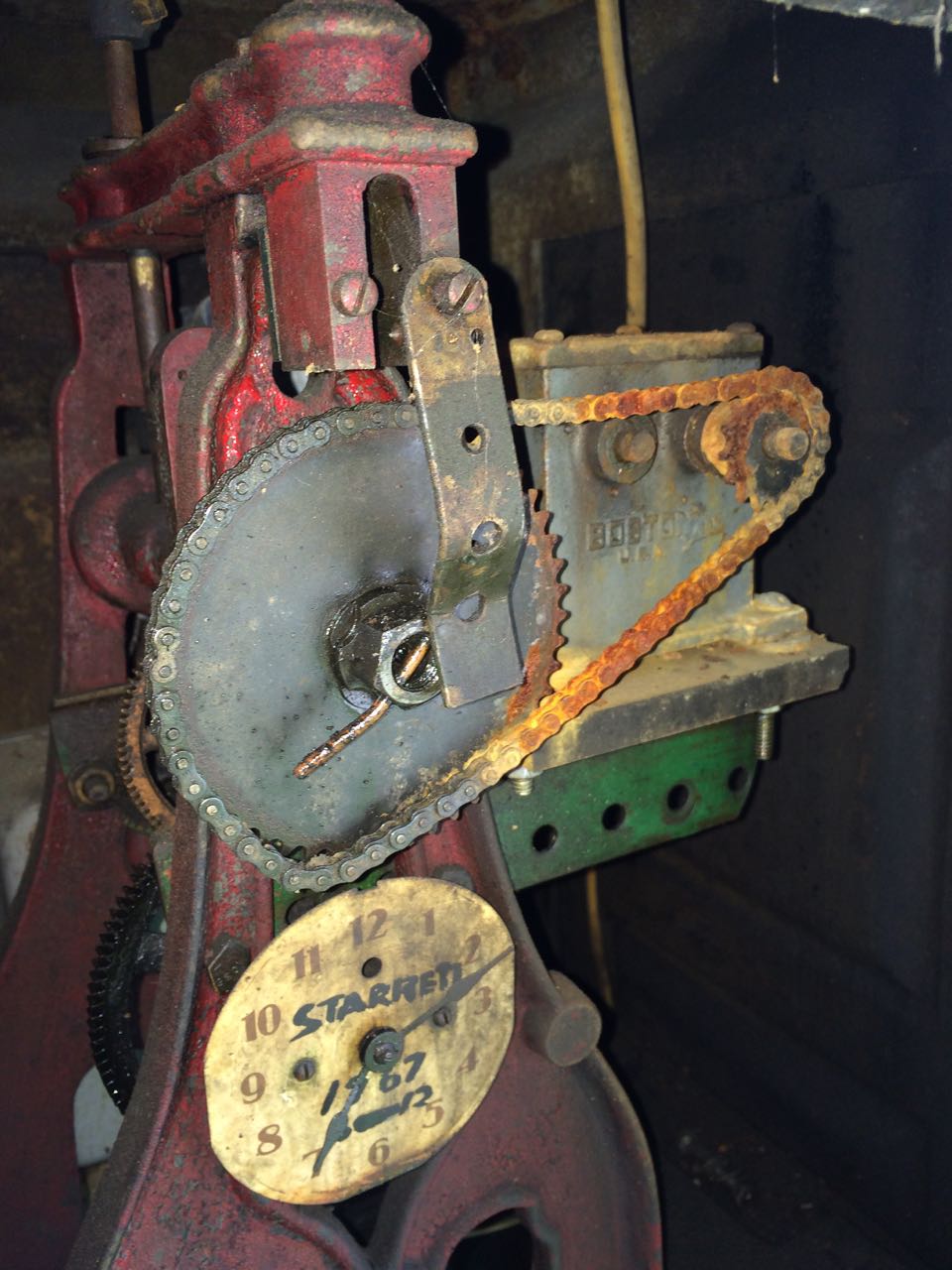
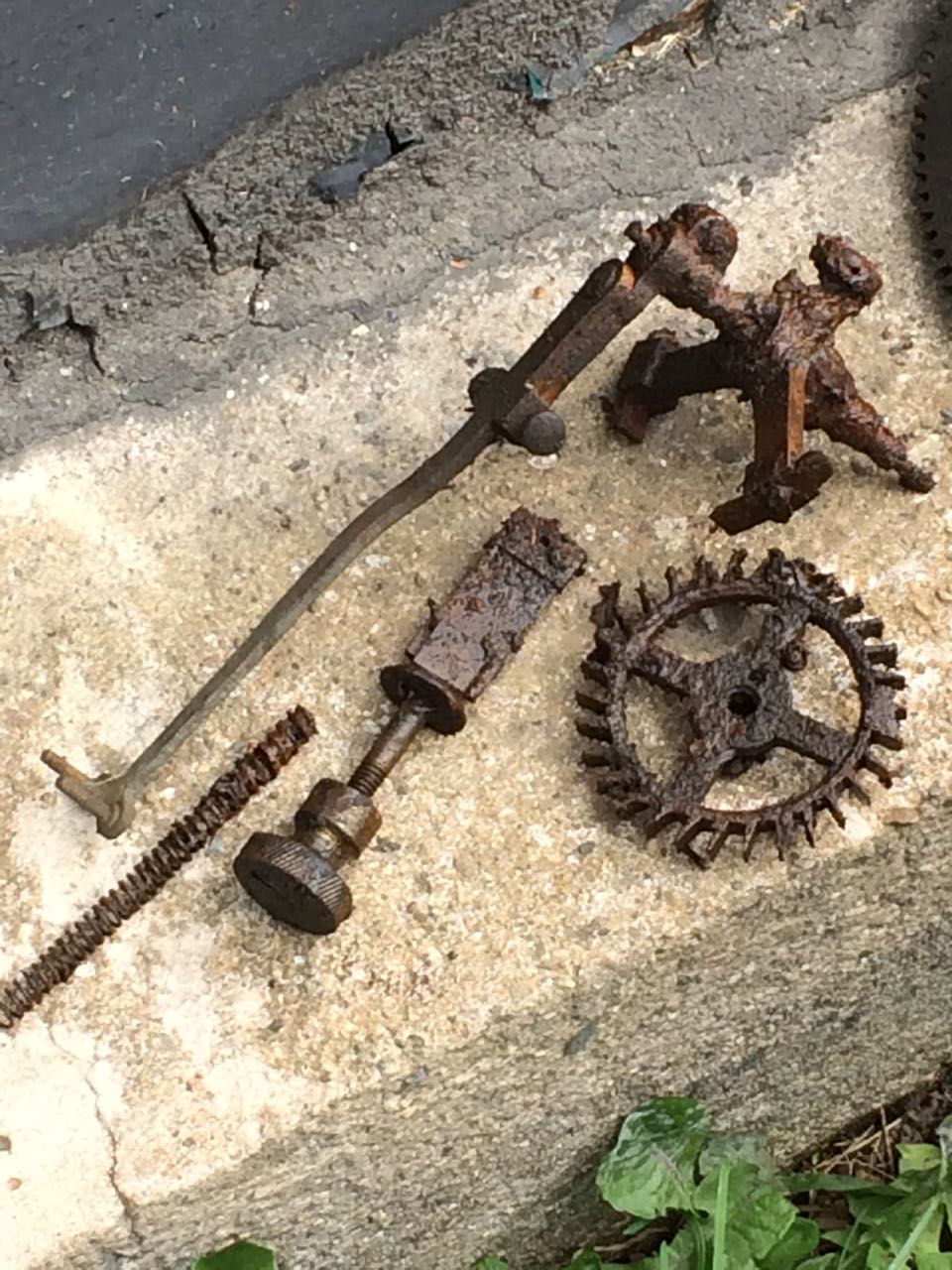
New Bolster House owners The Francis have had the clock restored. Jonathan Taggart of Taggart Objects Conservation of Georgetown restored the tower and all its parts, and horologists from Maine Chapter 89 of the National Association of Watch and Clock Collectors restored the clockworks.

SIGNIFICANCE

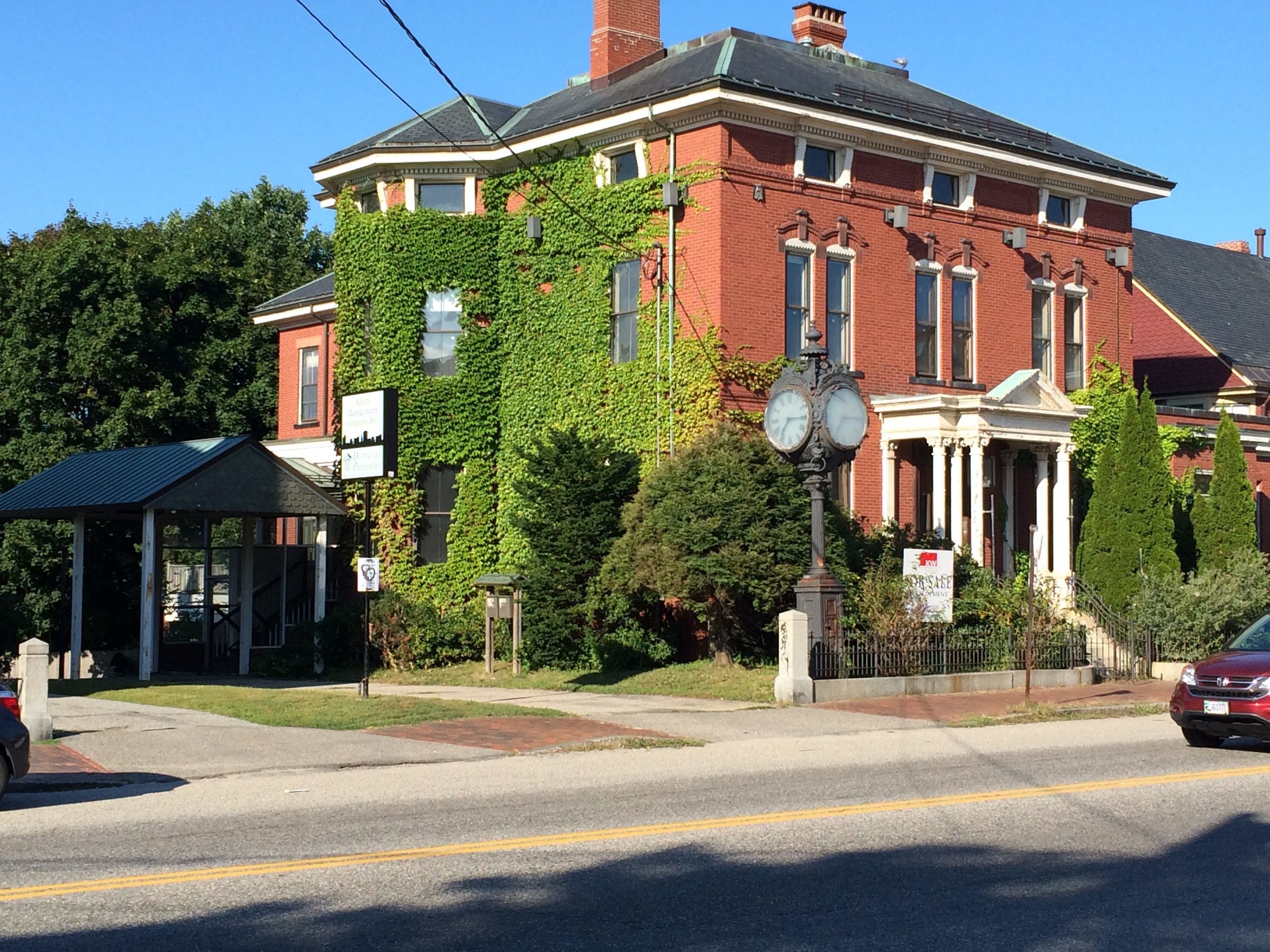
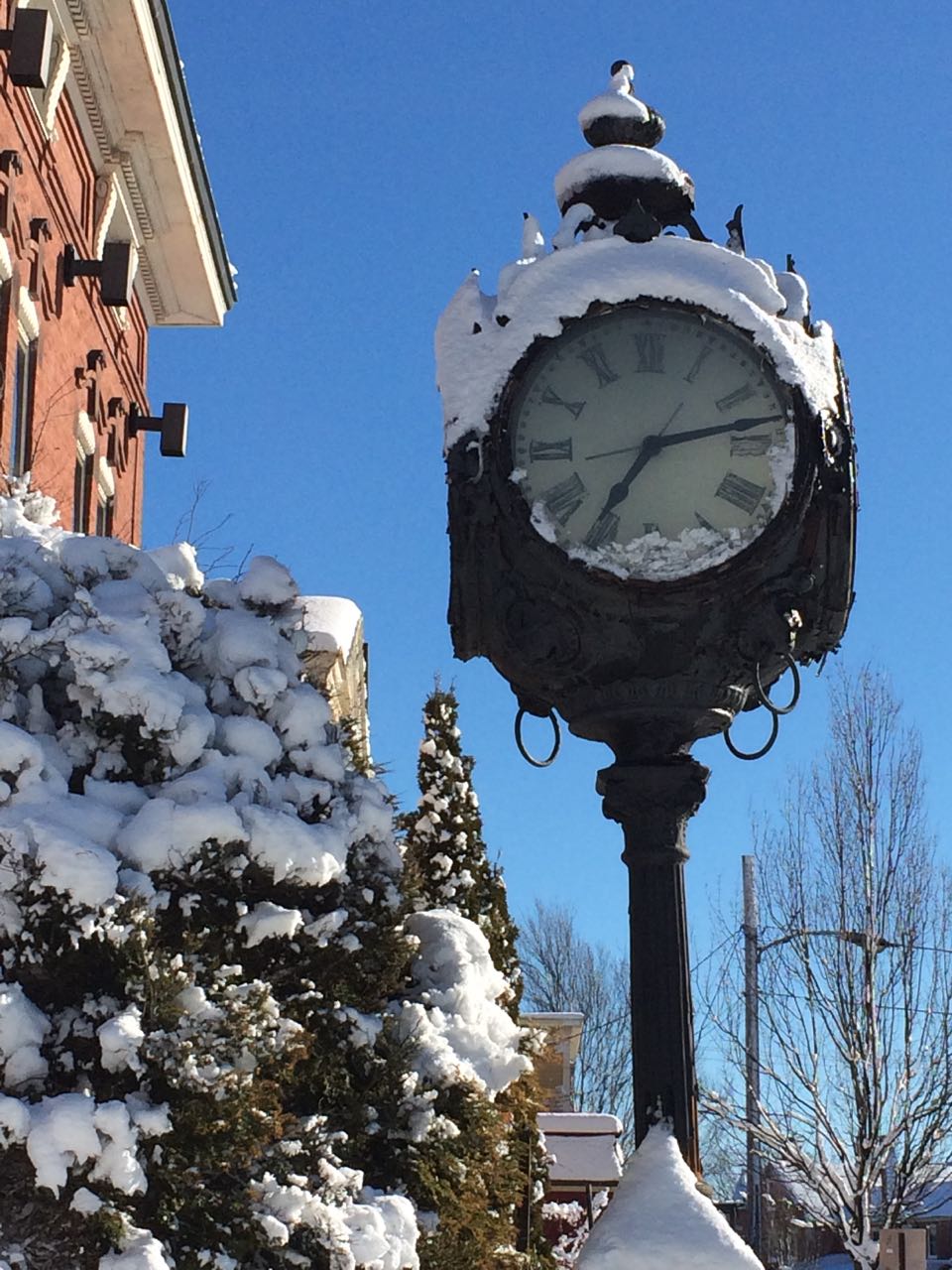
In 1925 the Hay and Peabody Funeral Home purchased the Mellen E. Bolster House and opened their first funeral home on Portland’s peninsula. To commemorate the occasion and twenty-five years of business for the company, they erected this four-dial street clock. The clock is one of eighty street clocks produced by Seth Thomas Clock Company, however only a few were made that have a combination mechanical clockwork and electric motor like this one. The electric motor was used to raise the weight, which was then dropped by gravity to power the clock movement and pendulum in the cast iron post base.  

Seth Thomas Clock Company is the oldest clockmaker in the United States; notable timepieces include Grand Central Station and the timepiece at the center of the film, High Noon.  While there are three public Seth Thomas clocks in Portland, the Hay & Peabody clock is the only pole mounted street clock built by Seth Thomas in the city.

The building and clock are contributing structures in the Congress Street Local Historic District. The district was designated in 2009 and was certified a National Register Historic District in 2010. The property sat vacant for over a decade when the funeral home closed in 2005. New owners of the Mellen E. Bolster House are using historic tax credits to rehabilitate the building as the Francis, a boutique hotel, with another development group creating modern townhouse condominiums, the Bramhall Residences, behind it.

THREAT

The clock is in a state of disrepair due to a lack of maintenance over decades which contributed to rusting cast iron and rotting wooden bezels around the dials. Frost heaving over the years led to tilting of the masonry base. The specialized skills required to fix the clock and the associated cost have been barriers to its being restored to working order. Previous owners attempted to sell the clock on E-bay, however as a contributing resource in the Congress Street Historic District, Portland’s Historic Preservation Ordinance protected the clock from sale. The current owners would prefer to restore the interior mechanisms and the exterior elements so that the clock can return to its original appearance and function. Doing so requires a significant increase in project funding and is not covered through the historic tax credits program.

OPPORTUNITY

Restoration of the clock will contribute to efforts to extend the vibrancy of Congress Street west of the Downtown and Arts District. Expert clock restorers have examined the clock and believe it can be either fully or partially restored with a slight alteration to the mechanism. Opportunities to restore the clock include:

1.       Using the opening of the new hotel and restaurant to raise awareness and appreciation for the clock;

2.       Partnering with a nonprofit fiscal sponsor to raise charitable contributions so that the public has the opportunity to support this community asset;

3.       Ensuring the clock’s long-term, ongoing maintenance by protecting it with a formal Preservation Easement to keep it a vital part of the Congress Street streetscape for years to come.

Stay up to date

Join our mailing list and keep updated about Places in Peril, advocacy issues, education programs, special tours, and upcoming events.

Mahoney Middle School

1923-1924, Beaux Arts | 240 Ocean Street, South Portland  | Nominated to Places in Peril in 2017

SIGNIFICANCE

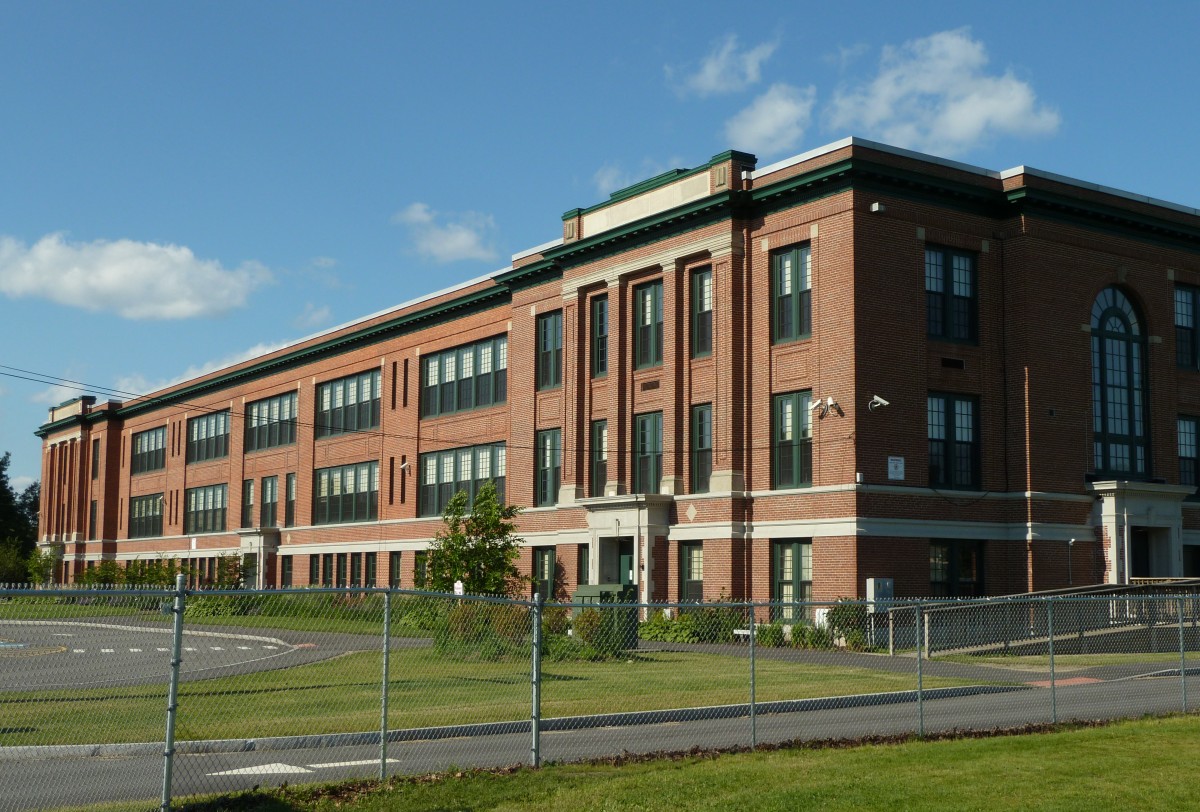
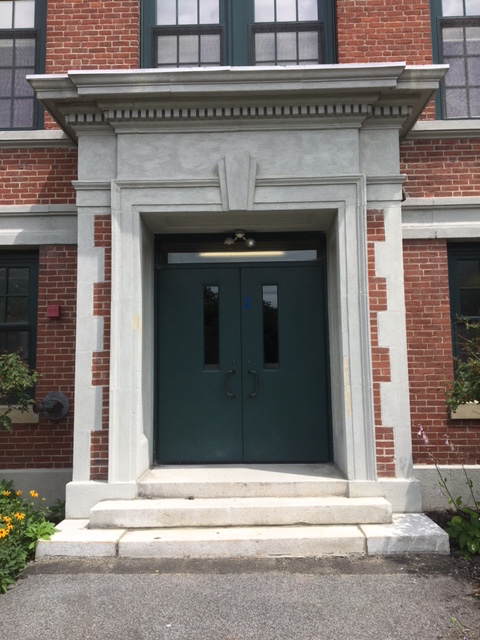
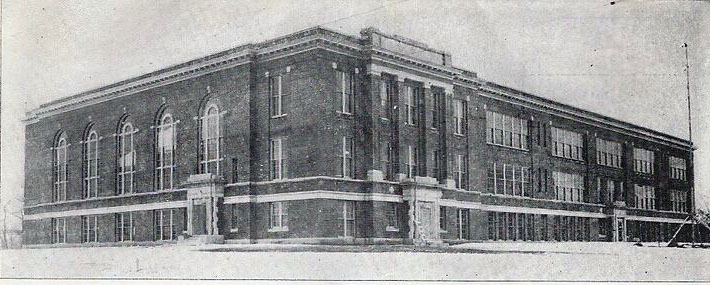
The Mahoney Middle School is located on a 15-acre lot at 240 Ocean Street in South Portland, Maine. It was constructed in 1923-24 and was originally the South Portland High School. It became the city’s Junior High School in the 1950s and later, the Mahoney Middle School. Named after Daniel J. Mahoney, a long-time principal at South Portland High, the Mahoney Middle School is a brick, three-story, 94,000 square foot U-shaped building expressed in the Beaux Arts Style. Some of the character-defining features of the Mahoney Middle School are its symmetrical window pattern, quarter height belt course, simple entablature openings, Doric pilasters, and flat roof with detailed parapet.

The building sits at the corner of a major transportation route into parts of South Portland and Cape Elizabeth. It was designed by the noted Maine architectural firm Miller & Mayo, and is a showcase for the Beaux Arts Style of architecture, a style inspired by classical models and a style preferred for important civic buildings. The historic school was determined eligible for listing in the National Register of Historic Places in 2008.

THREAT

The South Portland school district has received state funding to renovate Mahoney, replace Mahoney or consolidate its two middle schools. Building analysis is underway to review these options, which might include altering the existing structure to fit the needs of the district or vacating the historic building. Mahoney building reports show significant structural, health, safety, mechanical, and handicap-access deficiencies, along with asbestos materials throughout the building. After a consultant concludes its analysis of possible sites for a new consolidated school and a cost analysis to determine whether to renovate or build new, the city will hold public forums and a community-wide vote before determining the future of Mahoney School.

Depending on the consultant recommendations, the future of the building’s character defining elements and even the building itself is at risk. No preservation protections exist on the building to guide future additions or ensure rehabilitation.

OPPORTUNITY

A significant historic building, both for its architectural character and its community associations, the Mahoney Middle School building should be preserved.

1.       Ideally, Mahoney can be reused as a school, a preferred outcome for the building because local schools are proven to contribute to and enhance neighborhood vitality;

2.       Otherwise, a compatible civic use, such as for a City Hall or other community purpose, should be explored, to maintain the integrity of the building and its location at a nexus of public buildings in South Portland;

3.       Its eligibility for the National Register allows for rehabilitation with historic tax credits, preserving its character-defining architectural features.

4.       Any future use or redevelopment should stay true to the original architectural design of Miller & Mayo to keep this building a showpiece, promote appreciation of its architecture, and support potential new additions that are compatible with the historic building.   

Stay up to date

Join our mailing list and keep updated about Places in Peril, advocacy issues, education programs, special tours, and upcoming events.

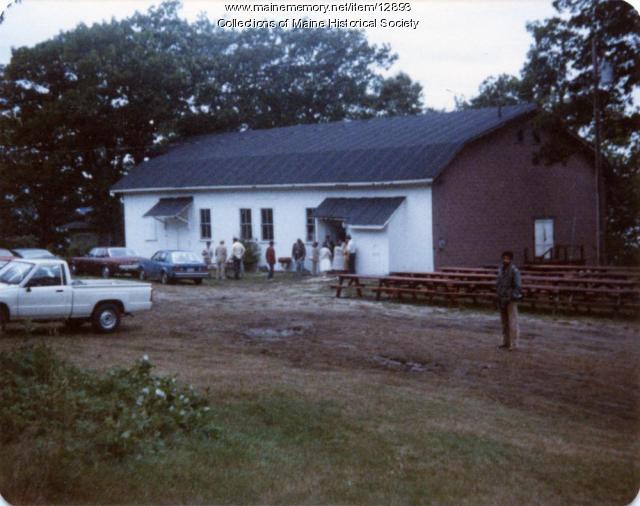
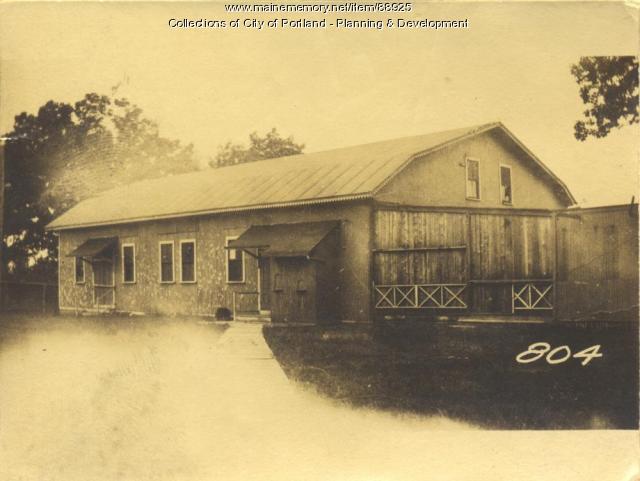
Peaks Island Amusement District

1880-1930 | Island Avenue, Peaks Island, Portland  | Nominated to Places in Peril in 2017

SIGNIFICANCE

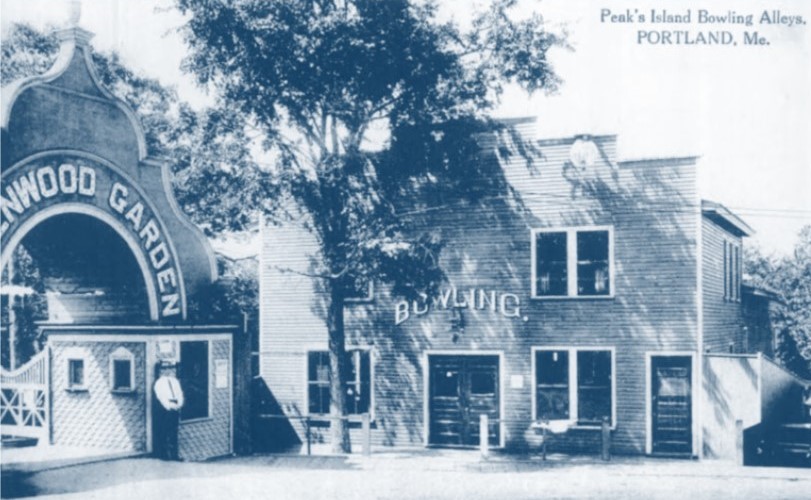
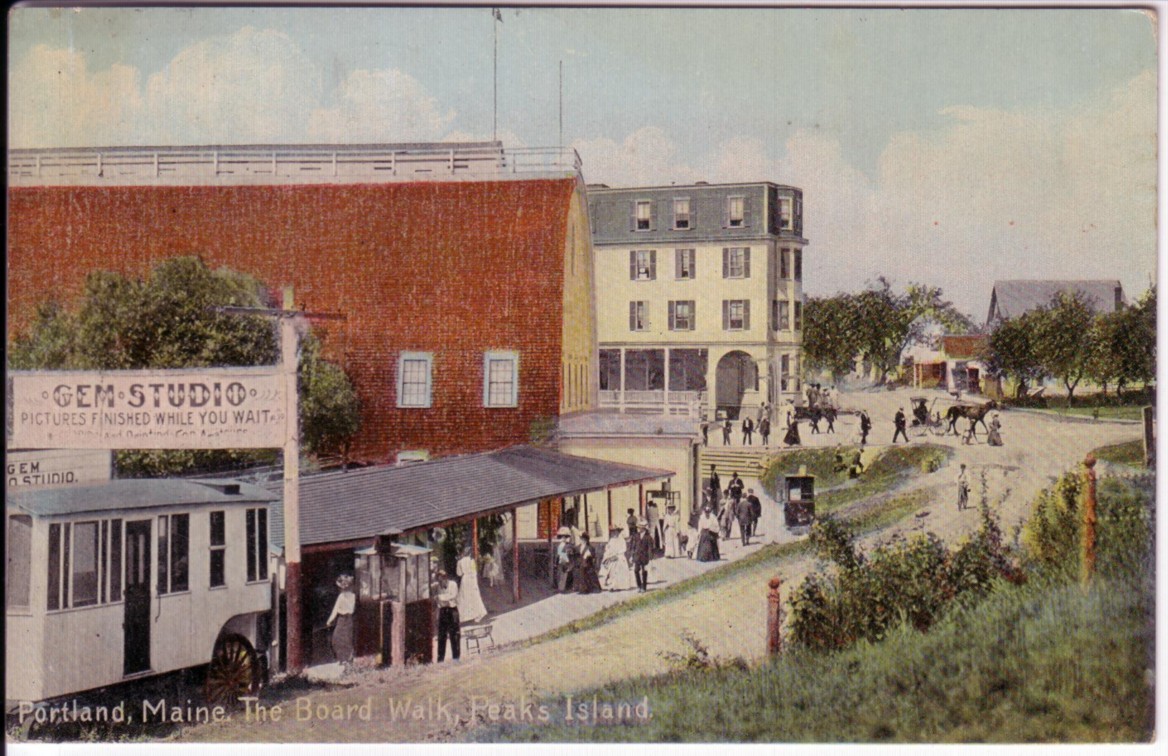
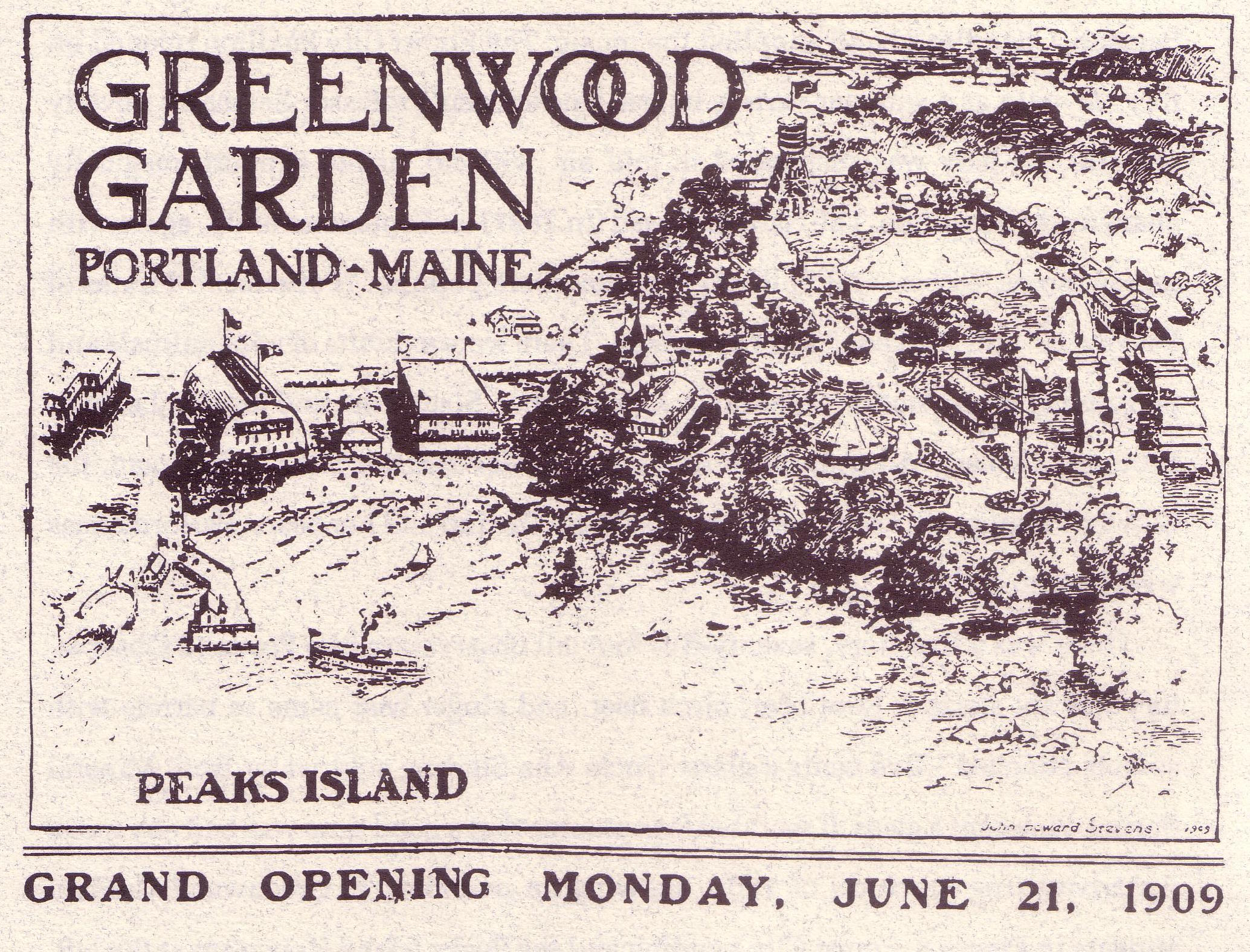
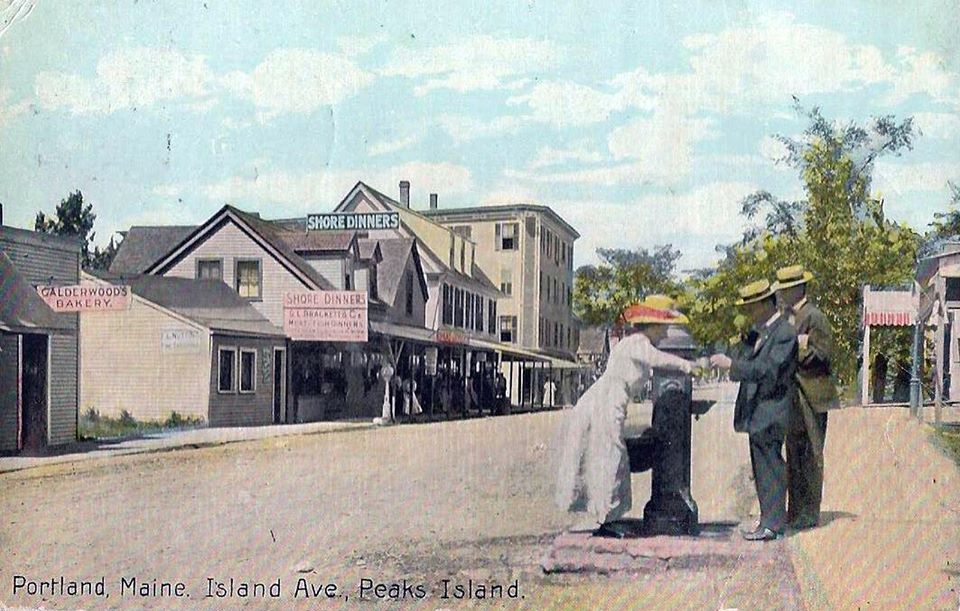
Peaks Island in the late 19th century was famous for its summer entertainment and earned the nickname “Coney Island of Maine.” Entertainment on Peaks Island has a long history, beginning with a picnic grove that visitors accessed by rowboat during the 1850s. In the 1880s, the Brackett family transformed a portion of the Peaks Island shoreline into an amusement park, later known as Greenwood Garden, that featured an open-air roller rink later converted to a playhouse and later a dance hall, merry-go-round, bandstand, beerhaus, Ferris wheel, midway, and observation tower. Just outside Greenwood Garden entrance was a bowling alley and a shooting gallery. Uphill from the amusement park, small gothic-style cottages were built on former camp sites along Adams Street and Oakland Avenue.

The growth in tourism was spurred in part by the growth of steamship travel and rising leisure time among the American middle class. Visitors traveled from New York and Boston to partake in the island’s many shows or to stay in one of several seaside resort hotels. By the 1920s island vacations began to decline as automobile touring grew in popularity. A series of devastating fires in 1918, 1934, and 1936 destroyed many of the area hotels and entertainment facilities at Greenwood Gardens. The dance hall, bowling alley, shooting gallery, some landscape features, and private cottages are all that remain.

THREAT

Currently, much of the Amusement District has not been formally documented and holds no preservation protections. As the demand grows for higher density and water frontage, significant changes threaten this area’s integrity.

In 2016, a proposal to rezone the Island Business Zone would have raised height limits from 35 to 47 feet and increased the allowable residential density. A public outcry against this proposal ensued, because the zoning change threatened to significantly change the character of the side of the island facing Portland Harbor. While the rezoning request was rejected, it highlighted the lack of documentation or protection of the Island’s extant historic amusement resources and nearby cottages associated with its recreational popularity at the turn of the 20th century.

OPPORTUNITY

Peaks Island is a unique community that faces multiple opportunities to protect its history and character, but is also subject to development pressures. We encourage:

1.       Documenting Peaks Island’s historic resources as a way to understand what remains and raise awareness about its significance. As Portland prepares to reconsider its zoning city-wide, the identification and documentation of significant historic properties will likely shape future rezoning efforts.

2.       Galvanizing residents to participate in the city’s rezoning initiative.

3.       Working with island historians and residents to sponsor educational programs that increase awareness of the island’s historic resources and options to conserve/preserve them as a means of retaining the islands’ valued character;

4.       Considering a local historic district designation that would protect this unique aspect of the island.

Stay up to date

Join our mailing list and keep updated about Places in Peril, advocacy issues, education programs, special tours, and upcoming events.

Portland Motor Sales (U-Haul Building)

1963, Mid-Century Modern | 411 Marginal Way, Portland | Nominated to Places in Peril in 2017

 SIGNIFICANCE

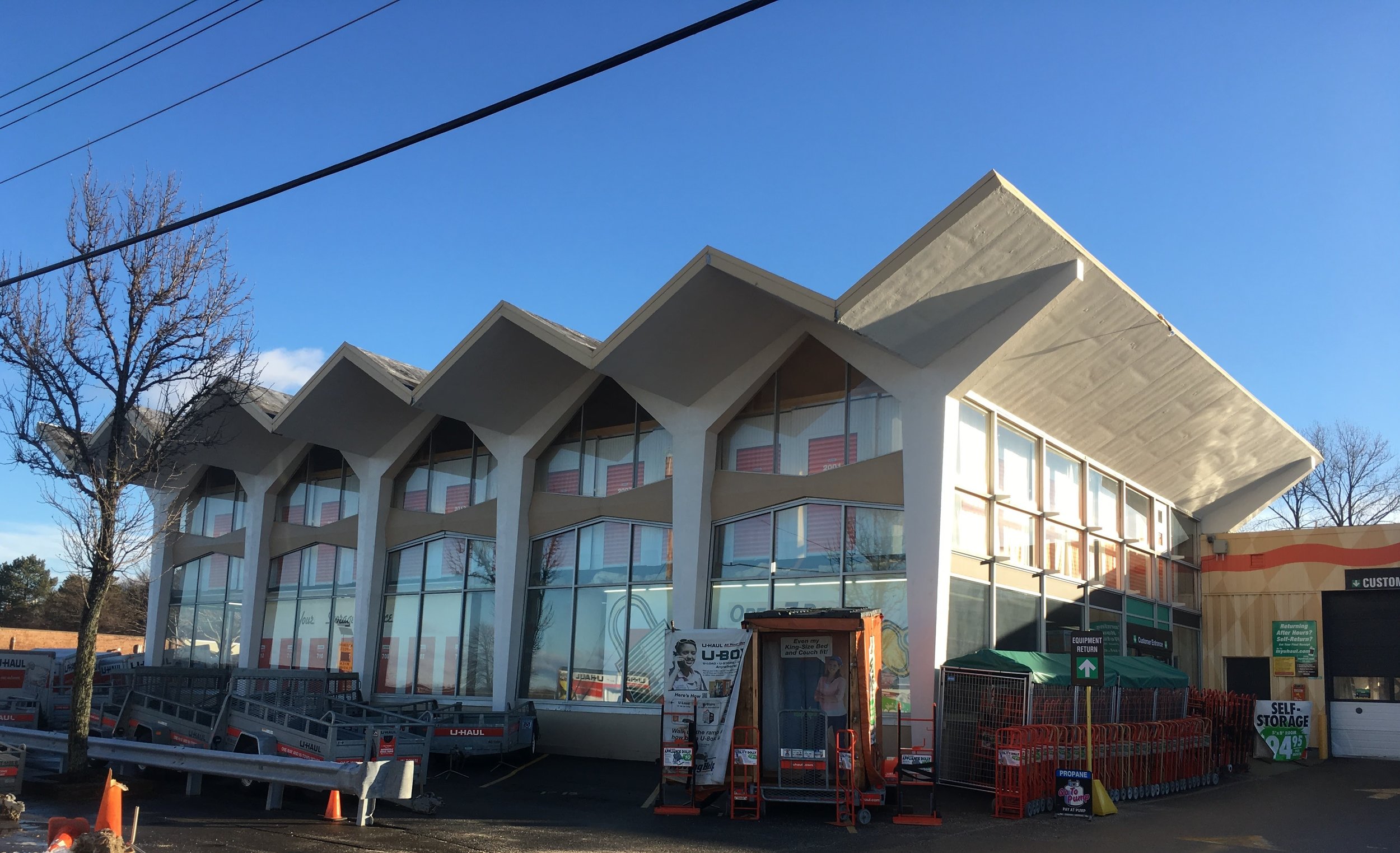
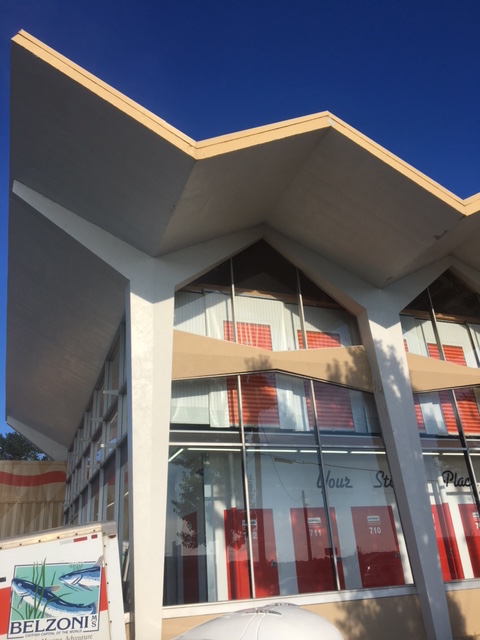
Currently the home of U-Haul Moving and Storage, 411 Marginal Way was formerly the home of Portland Motor Sales. The ultra-modern building, designed by John H. Leasure and engineered by Engineering Service, Inc. was a showpiece for Maine’s then largest Ford dealer when it opened in 1963. Now more than 50 years later, it is one of Portland’s most well-known Mid-Century Modern buildings with its iconic folded roof as a character defining feature of its style.

The building is located in East Bayside, a former industrial neighborhood that is rapidly evolving as a destination for craft brewers and distillers in Portland’s food scene. It is also a neighborhood that has seen a recent increase in residential development, helping to restore its residential density.

THREAT

Similar to other Mid-Century buildings across the country that are underappreciated and vulnerable to redevelopment, the former Portland Motor Sales building may be perceived as expendable, unattractive, or unworthy of preservation.

The building is not a designated local landmark, nor is it located in a historic district or listed in the National Register. There have been no surveys of historic resources in the East Bayside neighborhood and there is no protection from demolition or inappropriate alterations.

The building is located on a two-acre lot that is primarily used for commercial parking and storage. The former Portland Motor Sales building is located in the B5-Zone. The City identifies the zone as an area of large underdeveloped lots with great potential for denser development. To encourage denser development, the zone has a maximum building height of 65-feet that was recently expanded to 80-feet if affordable housing is part of any re-development. Land values on the peninsula of Portland are rising quickly, adding to the development pressure of seemingly under-utilized sites like this one.

OPPORTUNITY

The unique Portland Motor Sales building has been a visual landmark on Marginal Way for more than 50 years. Its distinctive geometric roof, indicative of Mid-Century design and reflecting the auto-centric development of 1960s along Marginal Way, is one of a few local examples of this type and style. Landmarks supports the following opportunities:

1.       Designating the historic automobile showroom as a local landmark, which would protect it from demolition or inappropriate changes, while allowing for compatible new development on the site.

2.       Encouraging potential future redevelopment of the site that would make the mid-century modern style a focal point.

3.       Exploring its listing on the National Register of Historic Places, which could provide access to tax credits for its repair and renovation.

4.       In general, recognizing local examples of mid-century modern architecture that would help encourage preservation of other significant buildings of this style and era.

Stay in Touch

Join our mailing list and keep updated about Places in Peril, advocacy issues, education programs, special tours, and upcoming events.