Ingraham Carriage Barn 

79 High Street, Portland, Maine  |  Nominated to Places in Peril in 2013

THE ISSUE

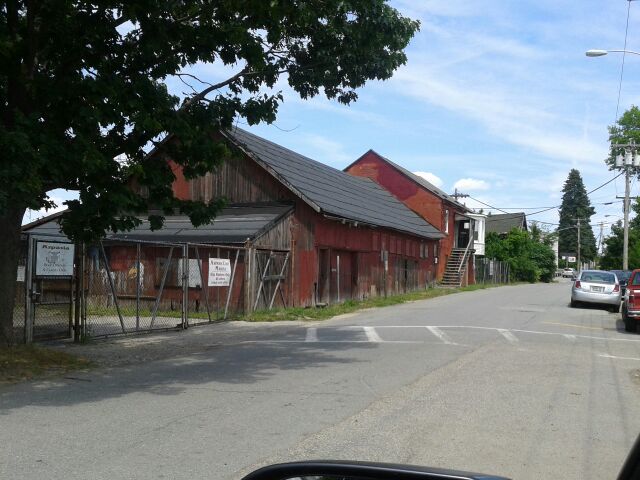
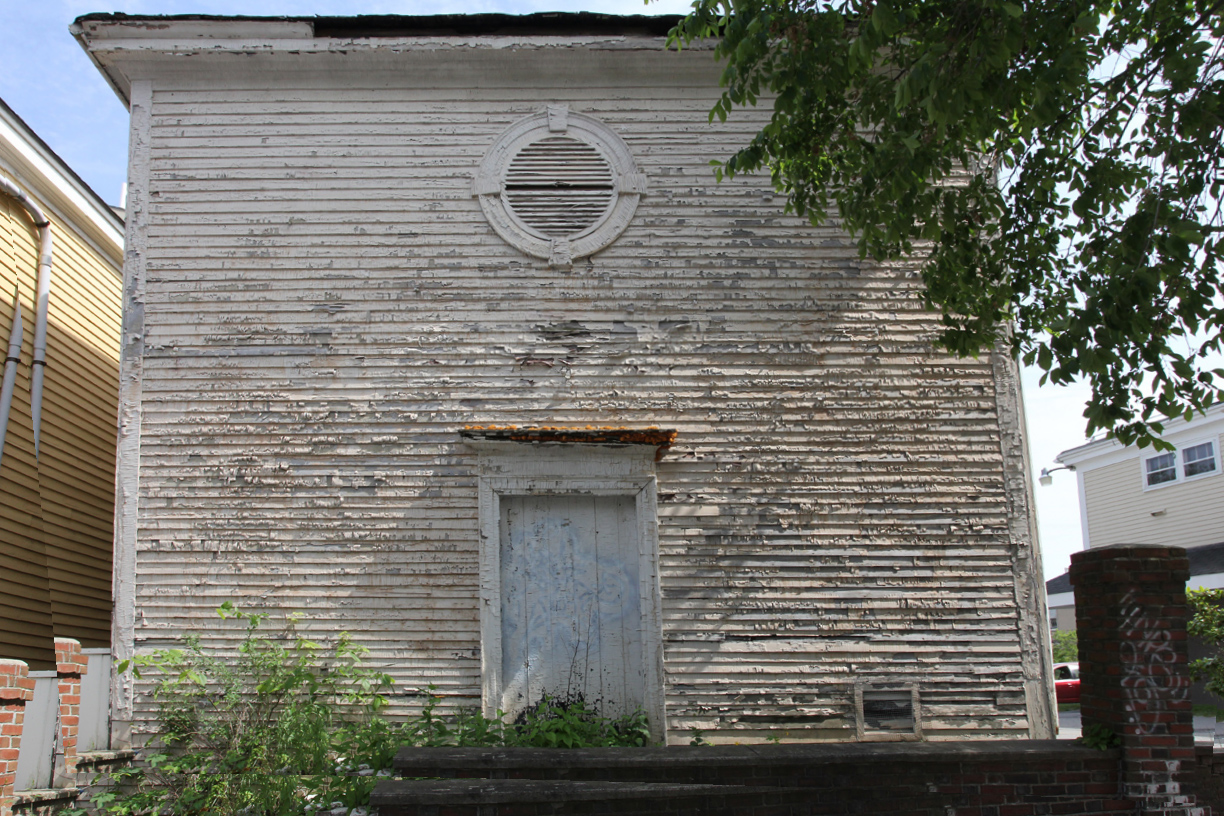
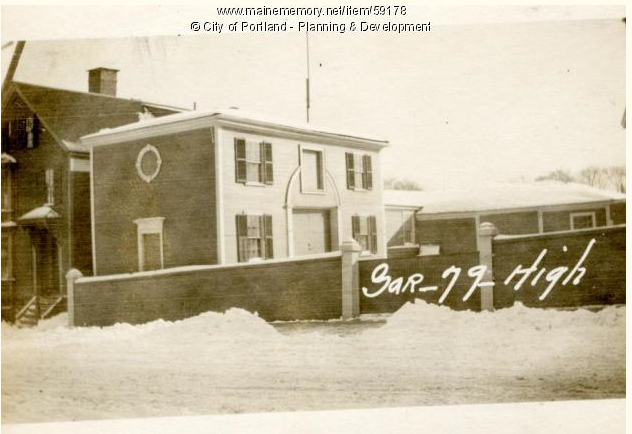
Built in 1800 by Elihu Deering, the Ingraham Carriage Barn at 79 High Street has a rich association with notable Portlanders, such as Captain Arthur McLellan, an officer on the privateer Retrieve in the Revolutionary War, and William Moulton, a well-known banker associated with the Cumberland Bank, and the grandson of Joseph Holt Ingraham, who laid out Portland’s State Street. The Ingraham Carriage Barn is a Federal style, timber-framed structure which retains original details and its skive-jointed clapboarding, despite having undergone multiple changes throughout its 213-year lifespan. Changes that have occurred over the years include the construction of a Greek Revival style ell by 1886, repurposing its function from a carriage barn to a garage by 1924, and then apartments by 1950, and demolition of the Greek revival ell in 1984.
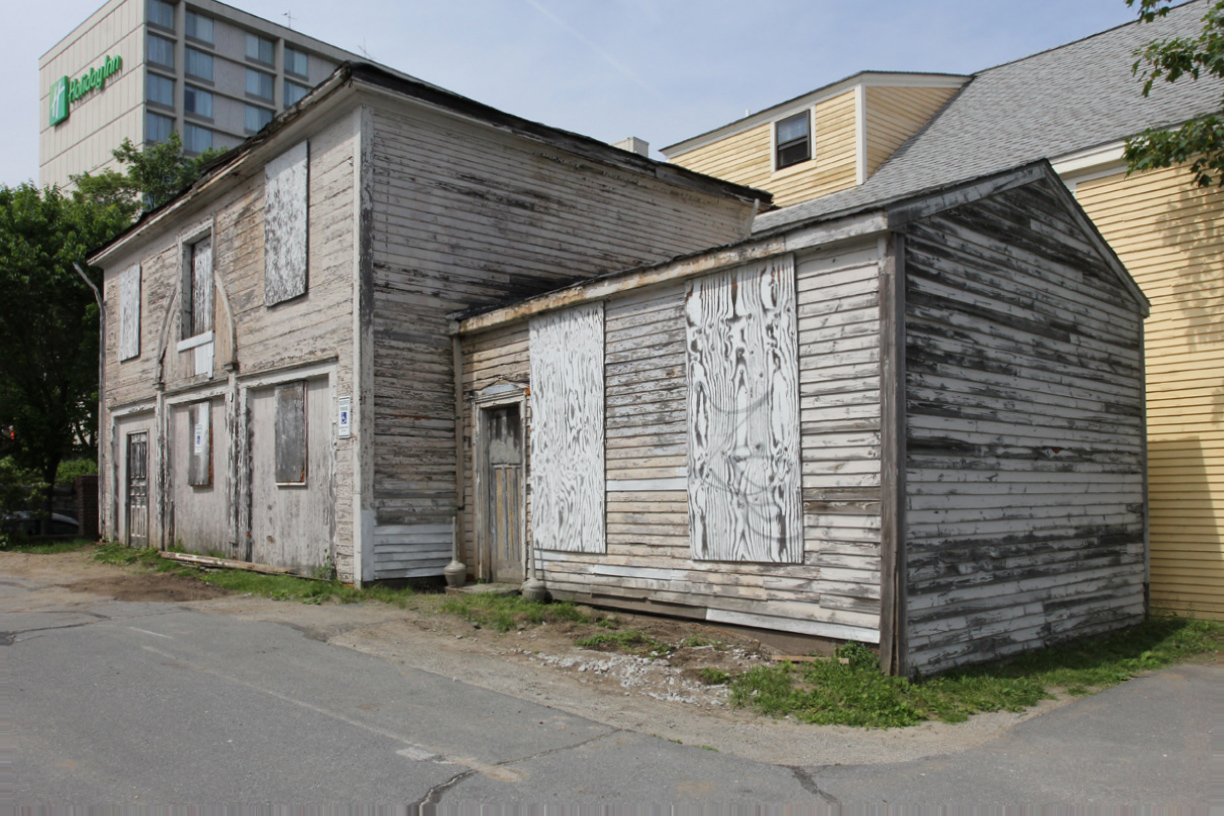
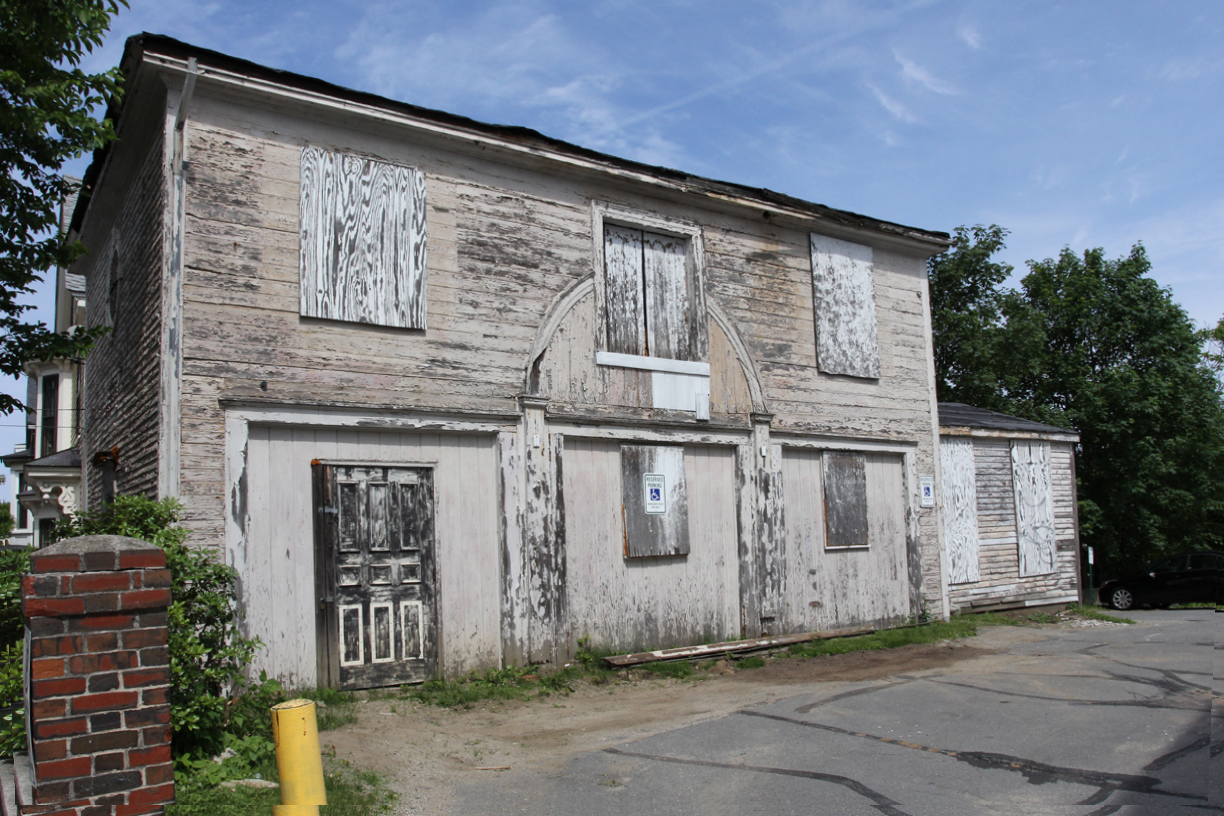
The Ingraham Carriage Barn is an architectural gem that is at a tipping point: without immediate attention to preserve and rehabilitate the building, it is likely to be lost. Currently owned by Goodwill Industries of Northern New England, Inc., the Ingraham Carriage Barn is vacant and deteriorating quickly. The Ingraham Carriage Barn has been detached from its dwelling, now serving as an apartment building for Goodwill Industries’ clients. Years of neglect and lack of funding have structurally compromised the outbuilding, attracting vandalism and blight.
Our Position

Constructed in 1800, the Ingraham Carriage Barn is a rare example of an early, and now very rare, building type—the urban carriage barn. The Ingraham Carriage Barn is located within Portland’s West End Historic District and the Spring Street National Register Historic District and is noted as a significant feature of the primary, Federal style Ingraham residence at 79 High Street. The attractive location close to Portland’s Arts District and downtown provides multiple possible reuses so that it can be preserved and rehabilitated, possible as office space, art studios, housing, or other uses. The property is located in a National Register Historic District, making it potentially eligible for state and federal historic preservation tax credits. A rehabilitation project for the building could provide job training in preservation skills and bring the building back into service.

Near term, Landmarks has encouraged the owners to temporarily secure the building against fire and vandalism until a long-term solution is found. Since its listing on our Places in Peril List in 2013, Goodwill Industries of Northern New England has scraped and painted the building, adding a layer of protection for the historic wood clapboards.

Press

Quick Links

What You Can Do

  • Join our mailing list to stay informed about advocacy, educational programs, and upcoming events.

  • Support our advocacy efforts and our Places in Peril program by becoming a member or making a donation today.
Fort Gorges

Casco Bay, Maine |  Nominated to Places in Peril in 2013

The Issue

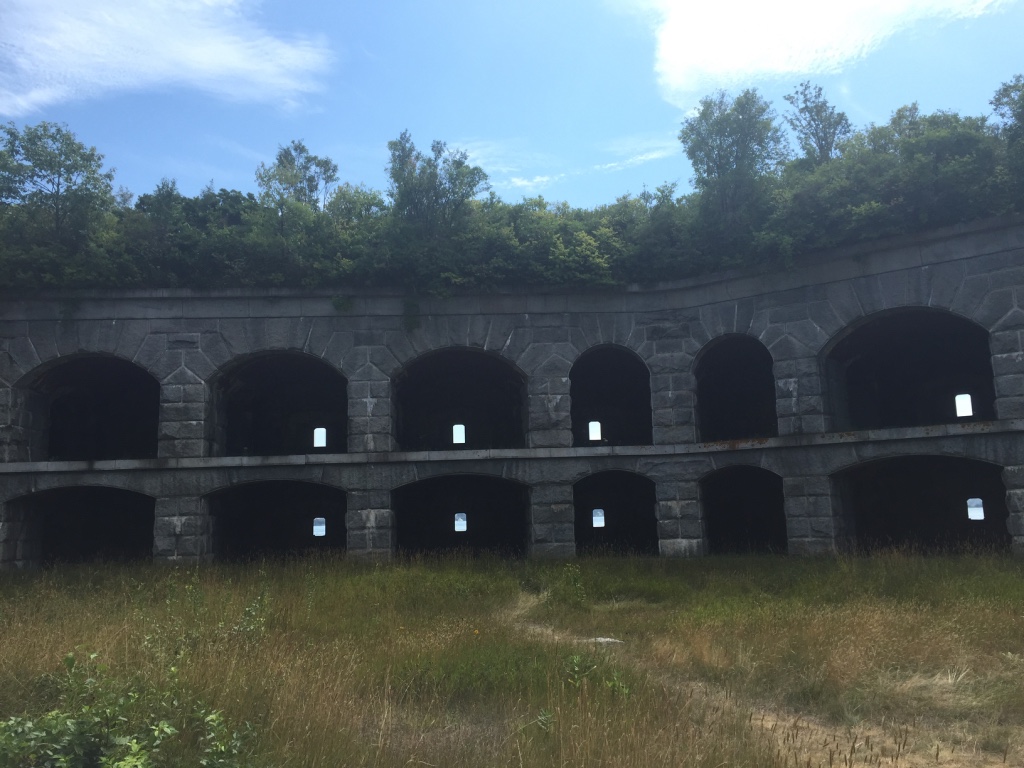
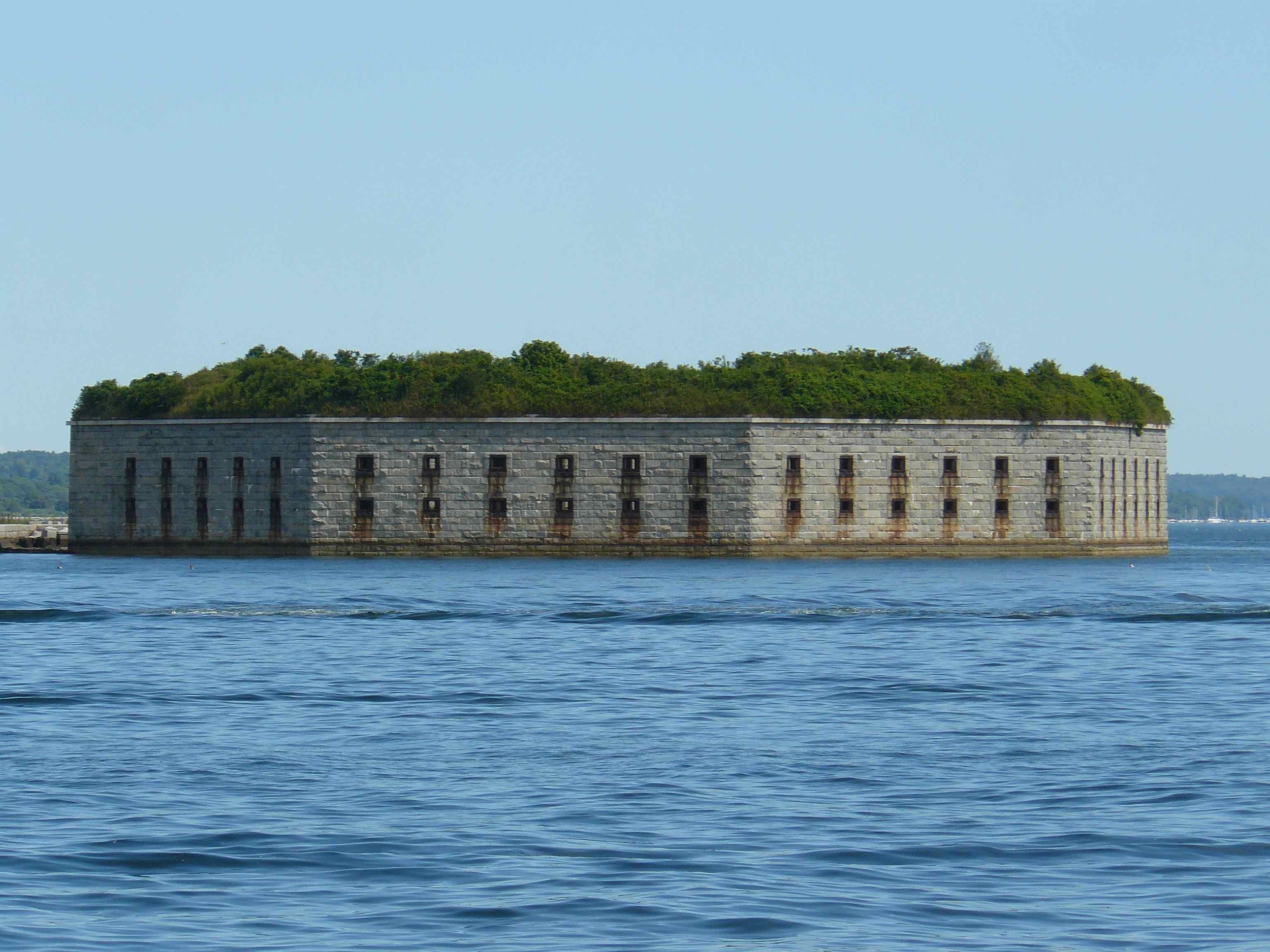
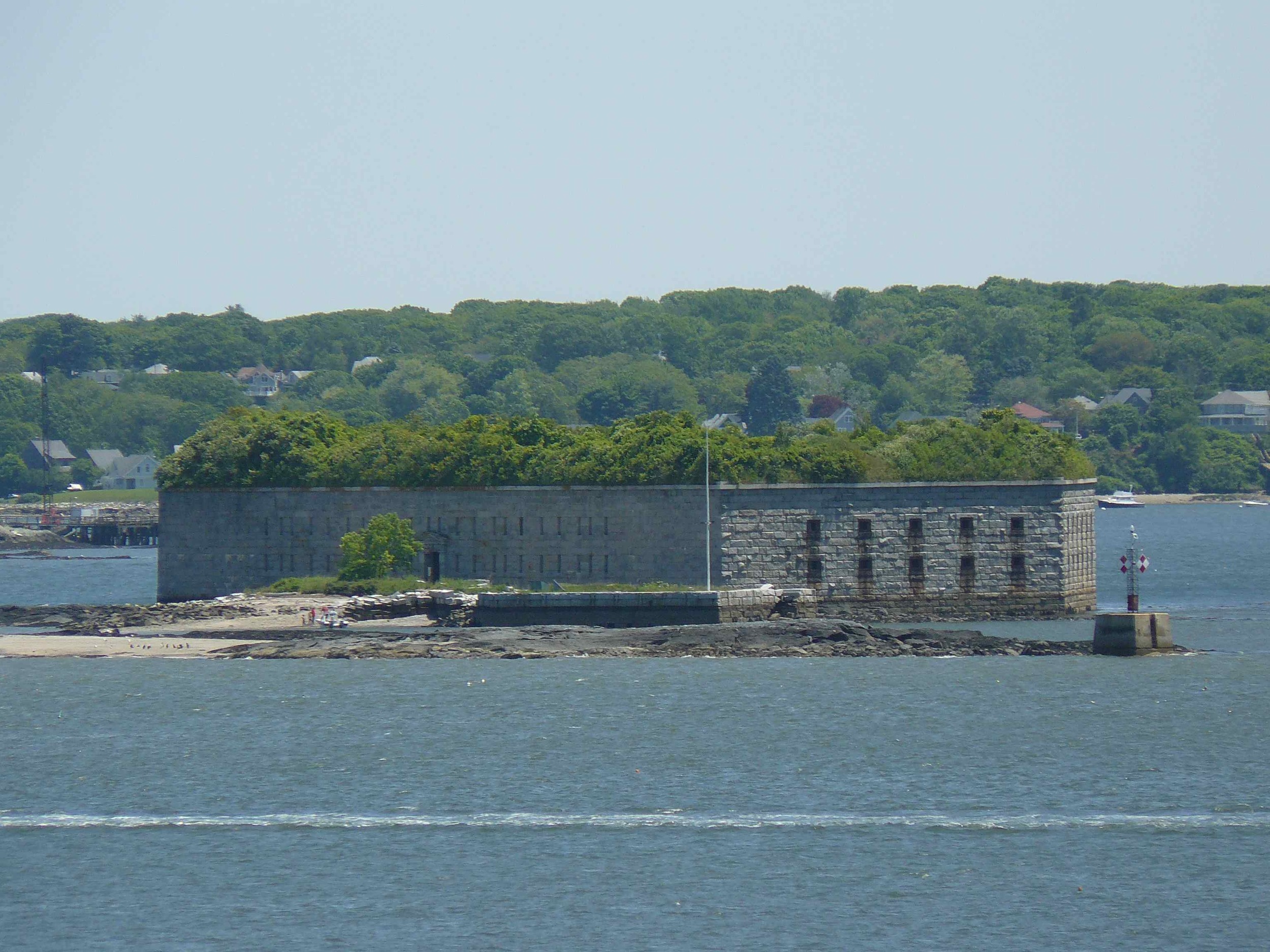
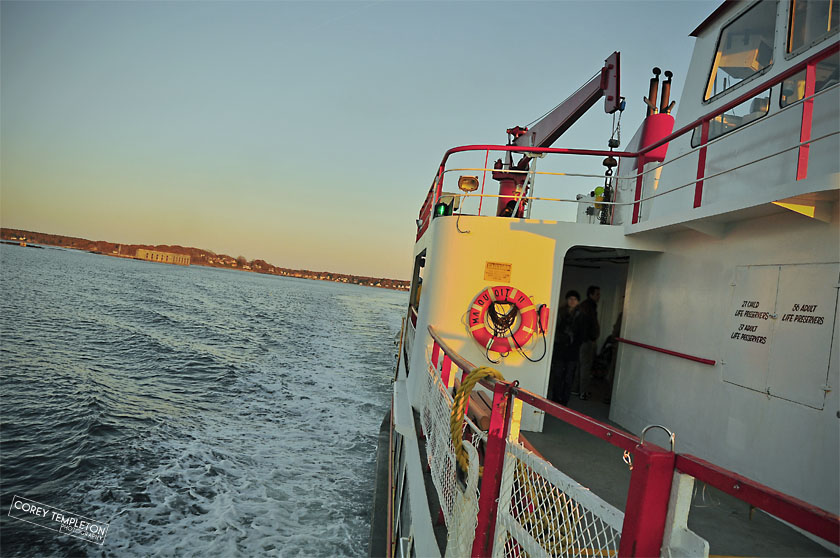
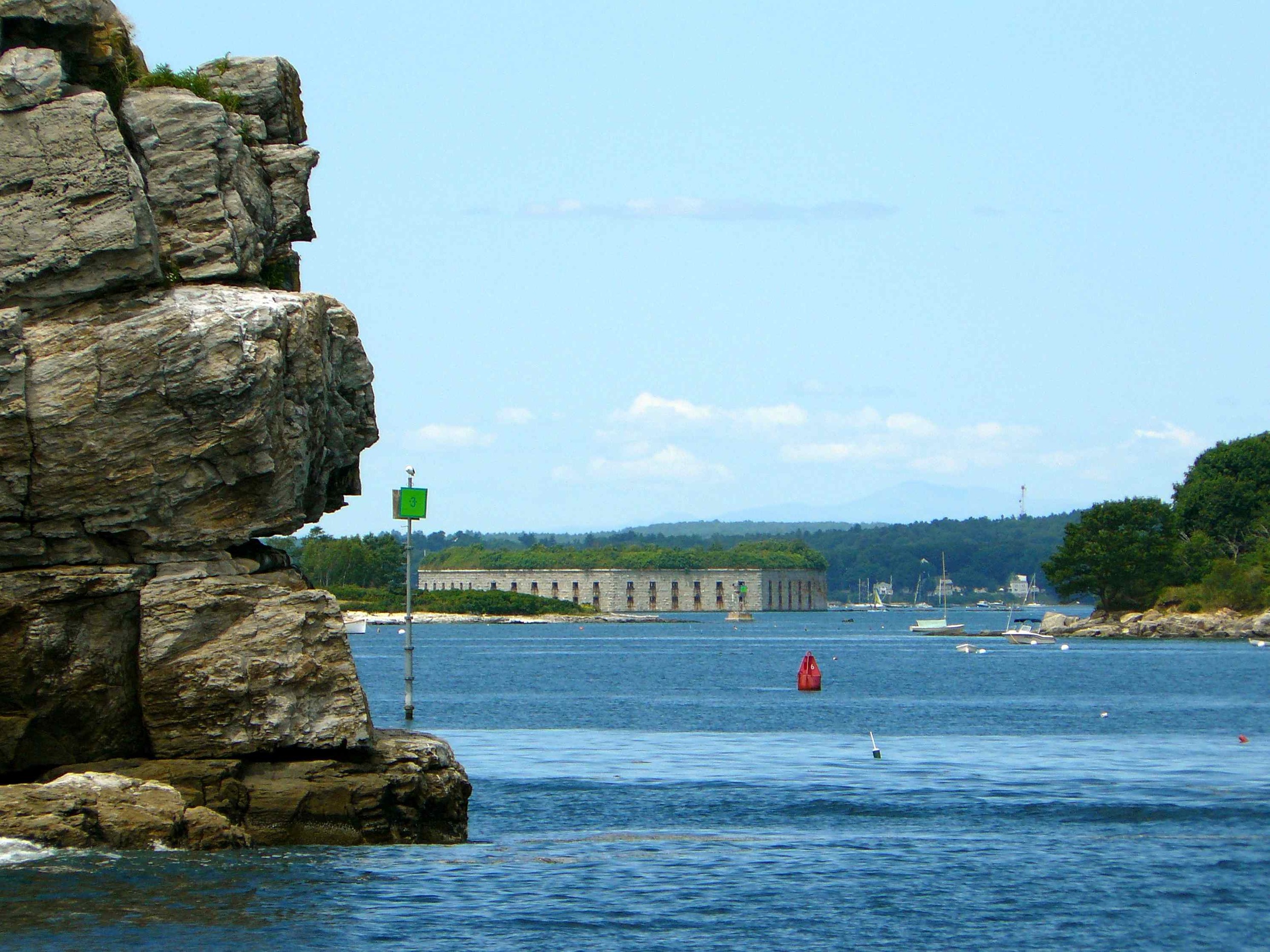
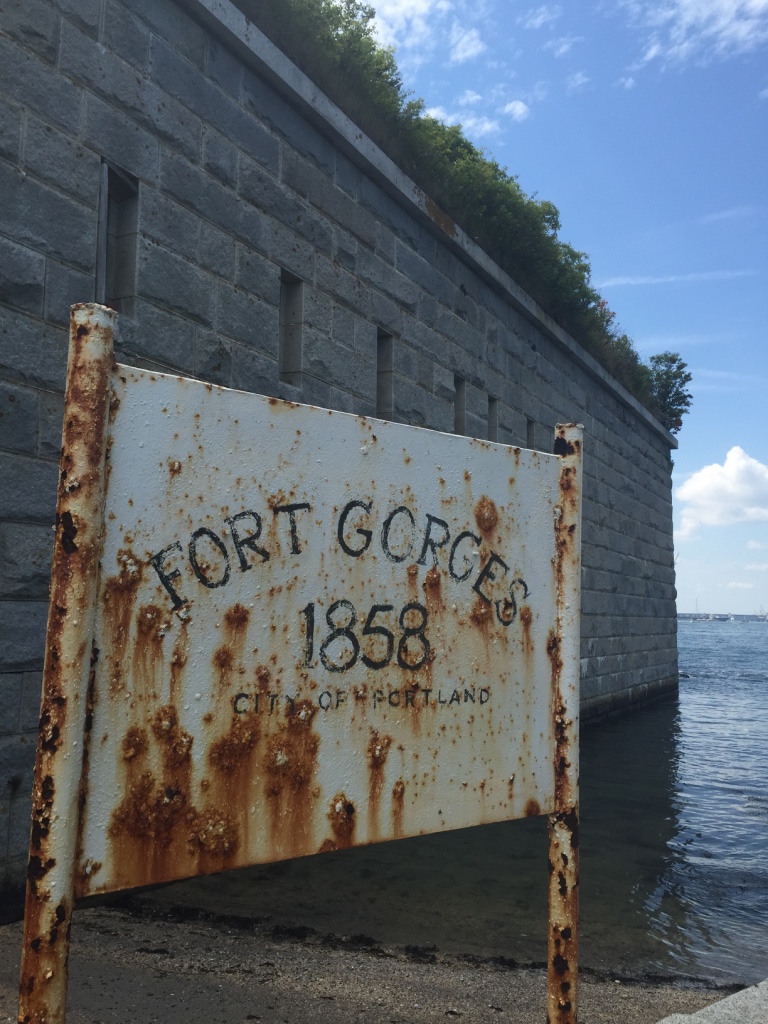
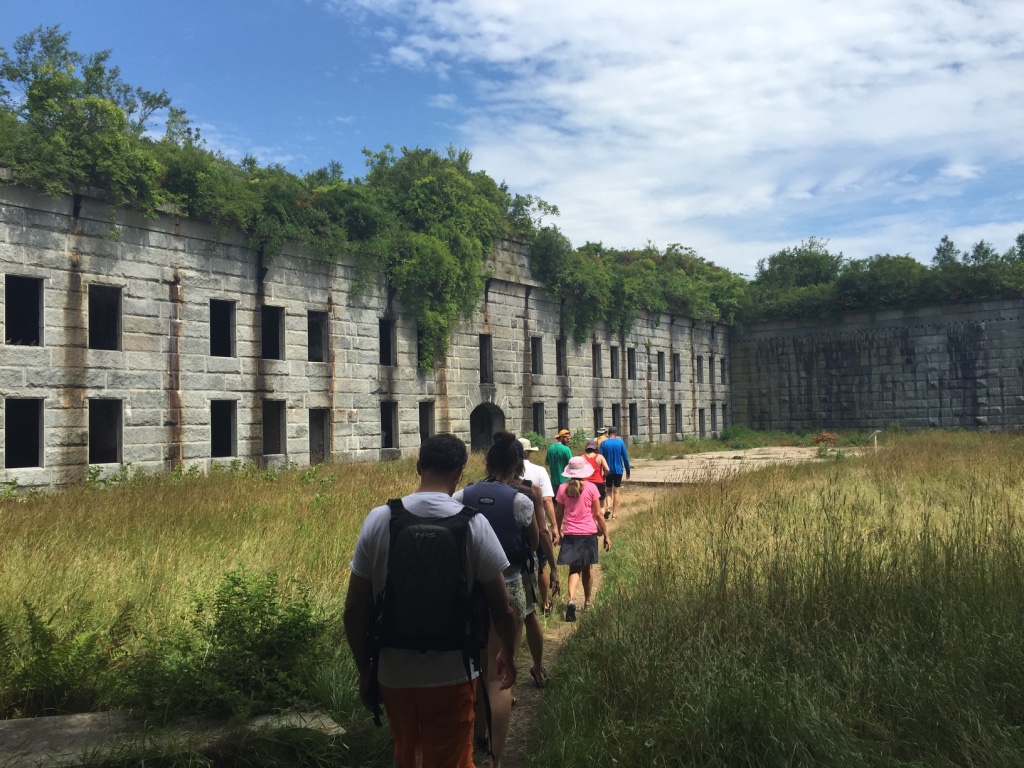
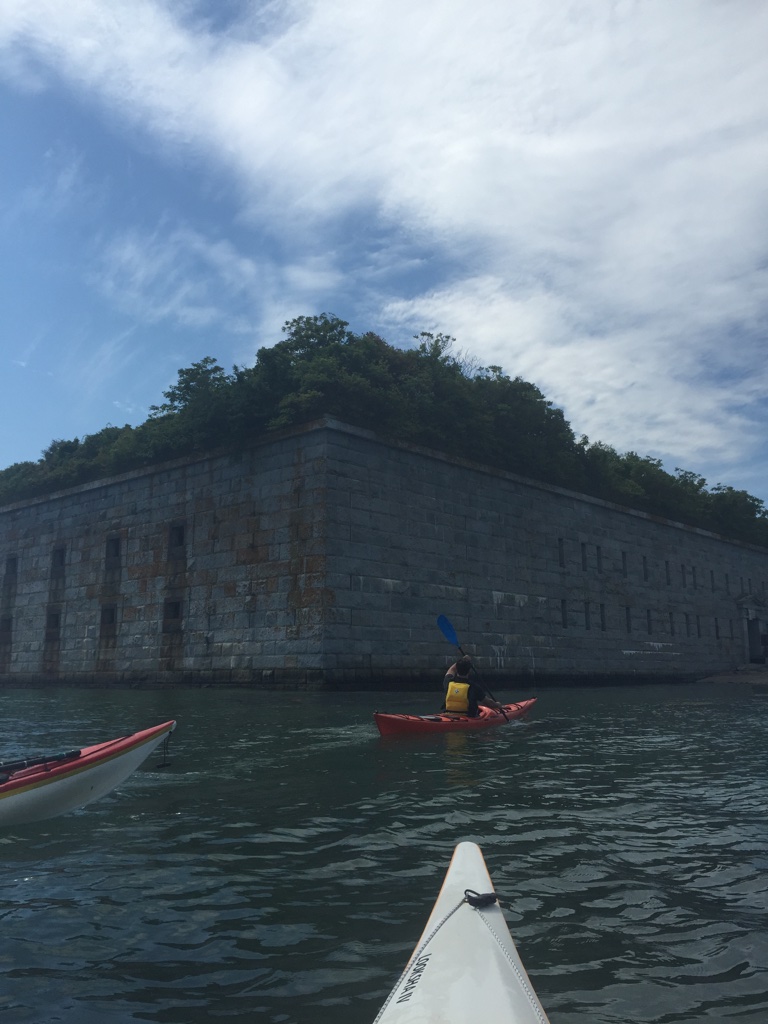
Named after Sir Ferdinando Gorges, Fort Gorges was built 1861-1868 by Ruben Smart and is modeled after Fort Sumter in Charleston, South Carolina. Fort Gorges was planned and constructed as one of three forts in Portland Harbor in reaction to the threat of foreign naval powers, initially provoked by the War of 1812. It is a D-shaped, two-story, enclosed fortress, constructed entirely with local granite, and hosted 56 gun emplacements on the south, east, and west facades. When completed in 1864, Fort Gorges was already deemed obsolete due to technological advancements in rifled artillery and high-explosive ammunition developed during the Civil War. Fort Gorges hosted a live-in caretaker after the Civil War, and acted as a storage facility in both World War I and World War II. Declared surplus property in 1960, the United States government conveyed Fort Gorges to the city of Portland, which continues to own the property today.

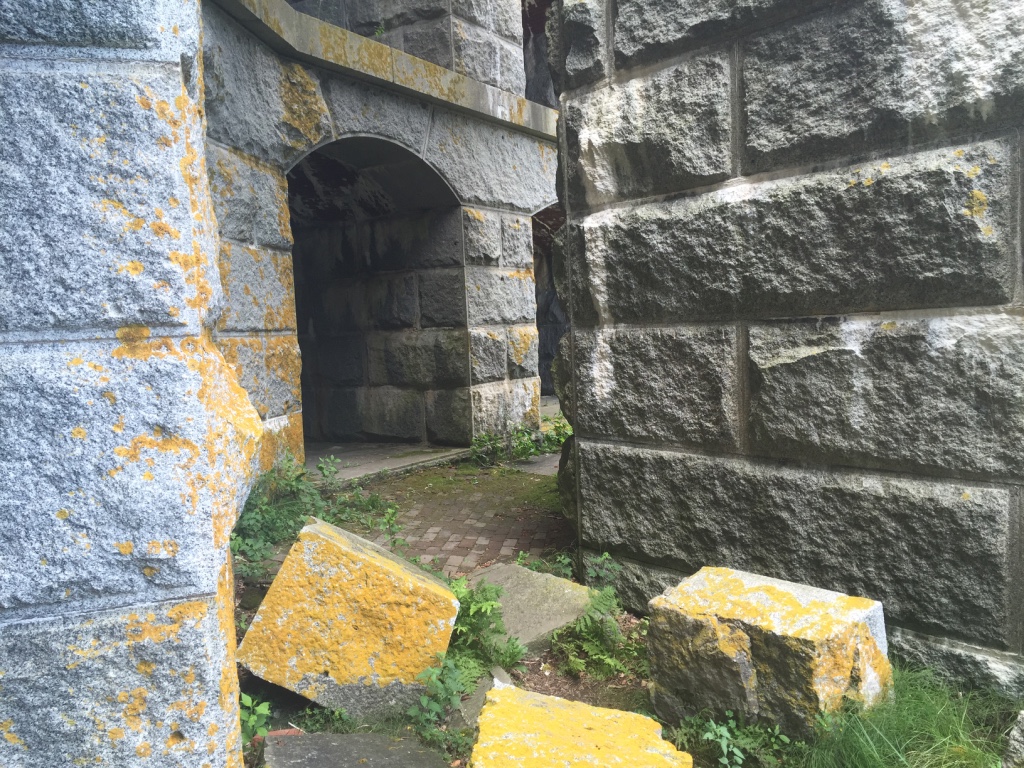
Fort Gorges has become overgrown with vegetation and shows signs of masonry deterioration. Lack of maintenance and investment in masonry repair, lack of a long-term preservation plan, and its location in a harsh marine environment battered by wind and weather continue to compromise the structural integrity of the brick and granite masonry. The Friends of Fort Gorges group is actively building awareness and raising funds to preserve the fort, but the scale, lack of access, and large financial needs of the fort create tremendous challenges to its preservation.

Our Position

Fort Gorges is an excellent example of an early to mid 19th century military facility and engineering achievement that typifies the technology of that era. It was placed on the National Register of Historic Places in 1973 for its military and engineering significance and is recognized as a city of Portland local landmark. Due to its deteriorating condition and lack of planning for its preservation Landmarks named the fort to its Places in Peril list in 2013.

Landmarks supports the partnership of the Friends of Fort Gorges and the City of Portland to develop a master plan to preserve and maintain the fort. Fort Gorges’ dramatic site at the center of Portland Harbor, its unique architectural form and history offer opportunities to create partnerships between the city and tour operators (kayaks, harbor tours, etc.) to increase access to the island and provide educational programs.

Press

Quick Links

What You Can Do

  • Join our mailing list to stay informed about our advocacy efforts, educational programs, and upcoming events.

  • Support Landmarks' advocacy efforts and our Places in Peril program by making a donation or becoming a member today.

Lincoln Park 

Congress and Franklin Streets, Portland  |  Nominated to Places in Peril in 2013

THE ISSUE

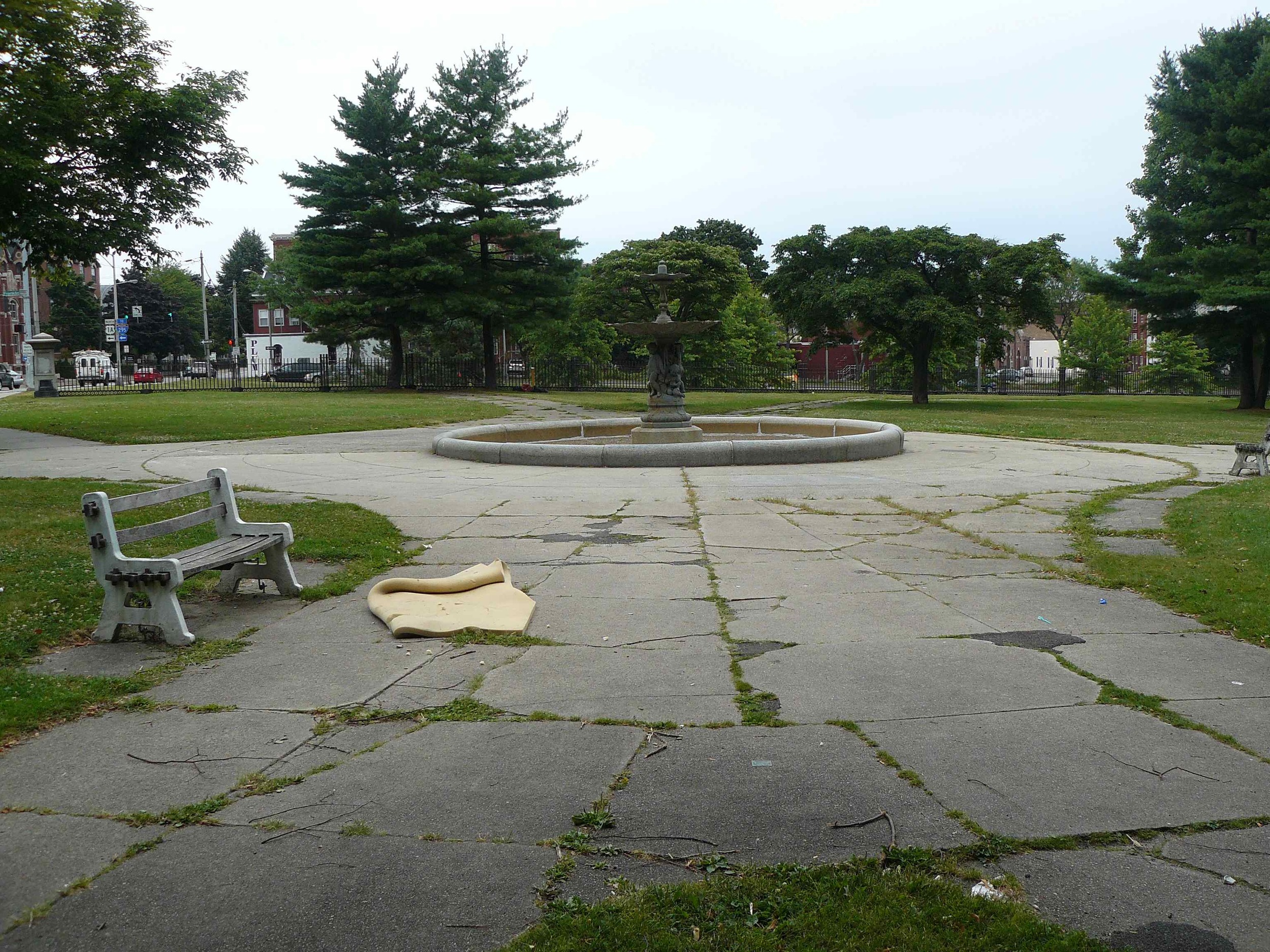
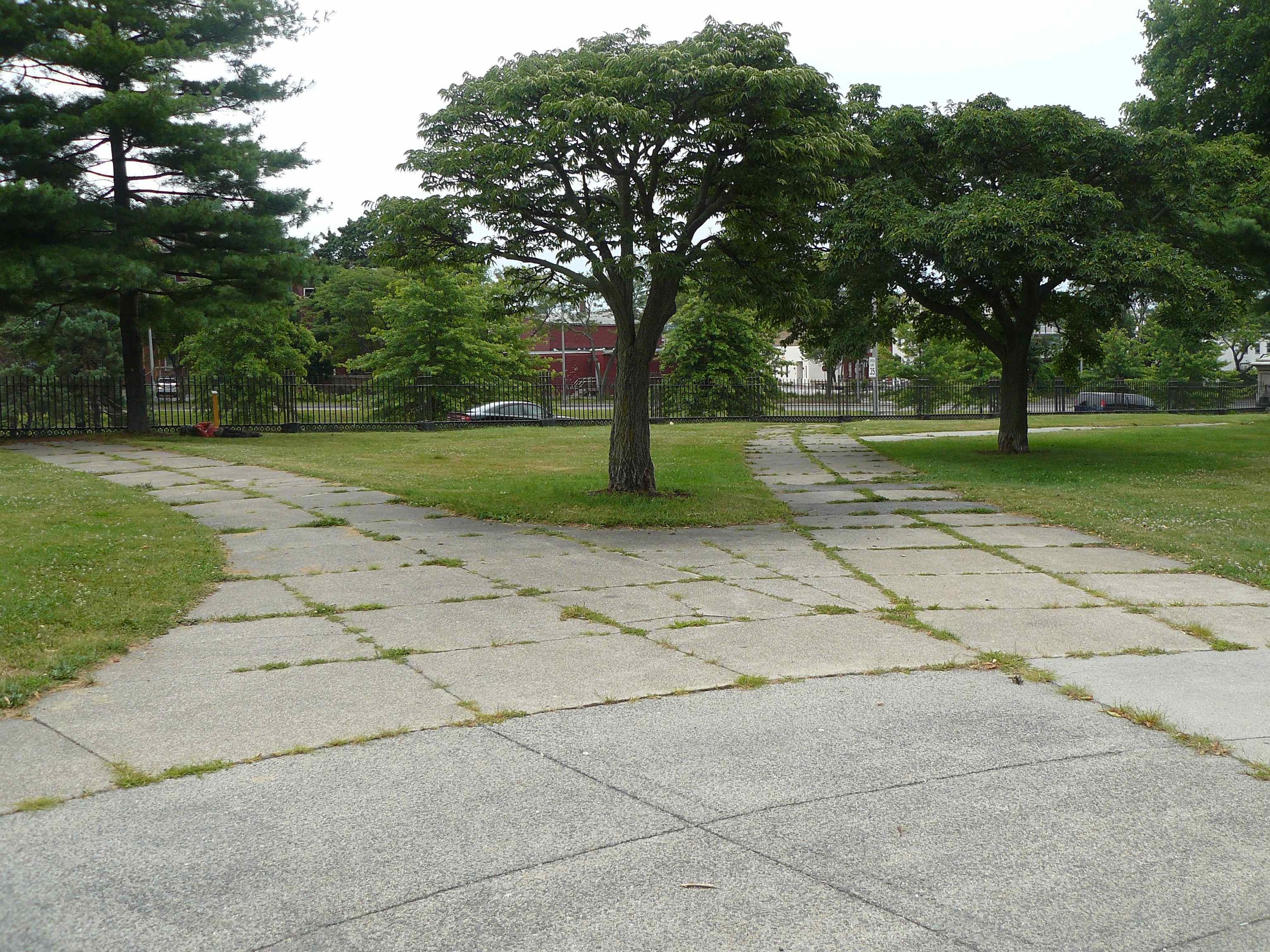
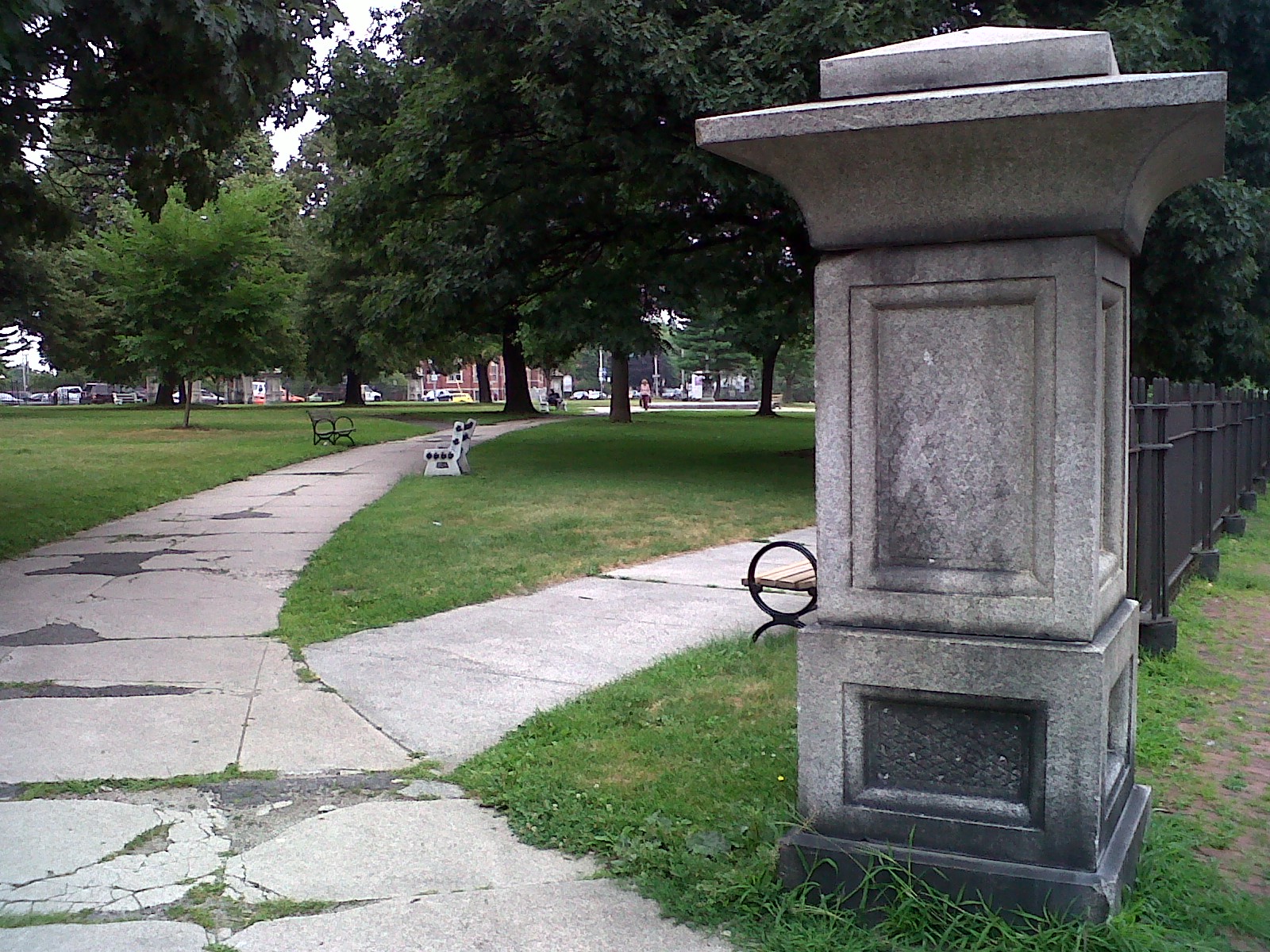
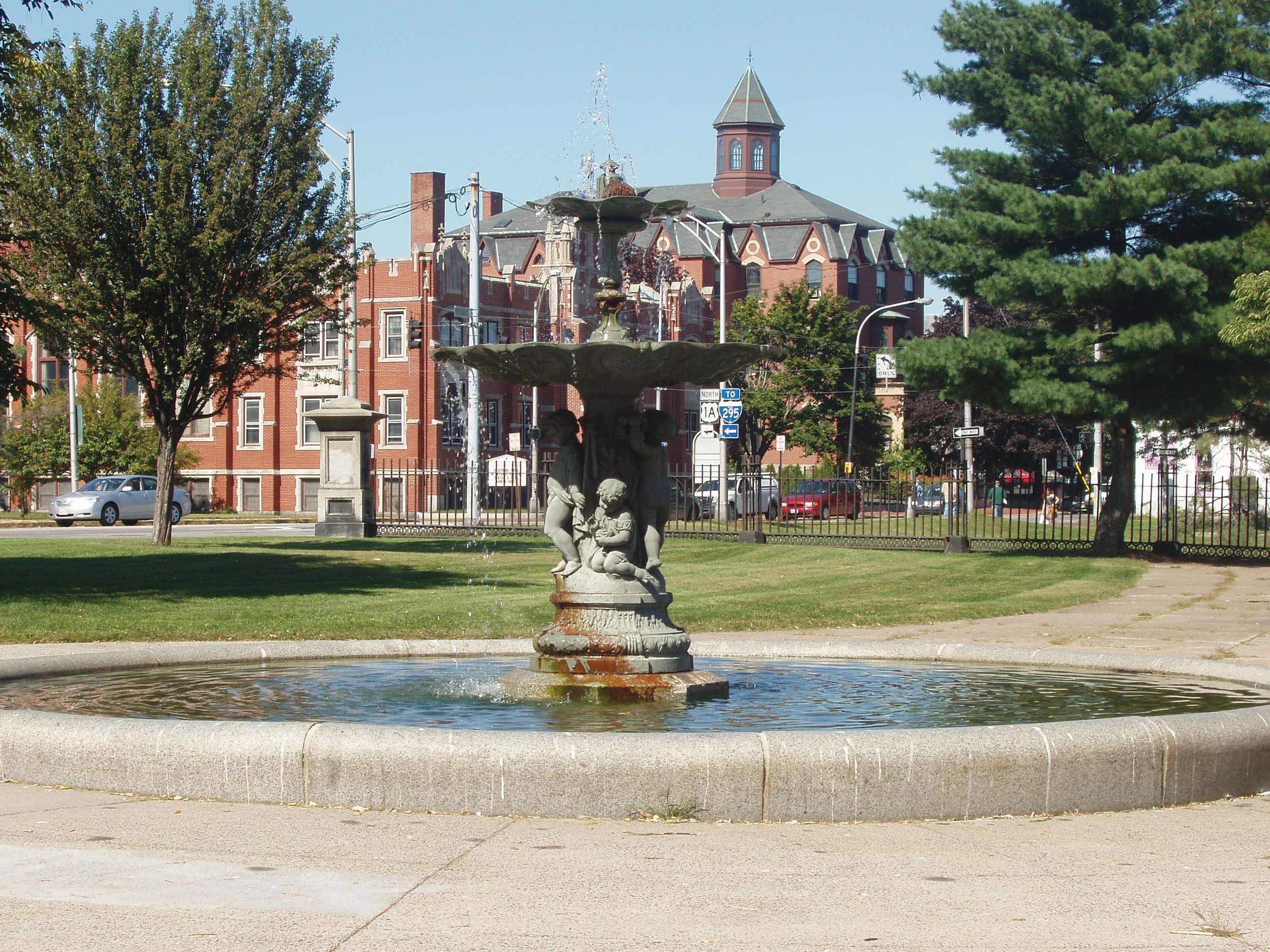
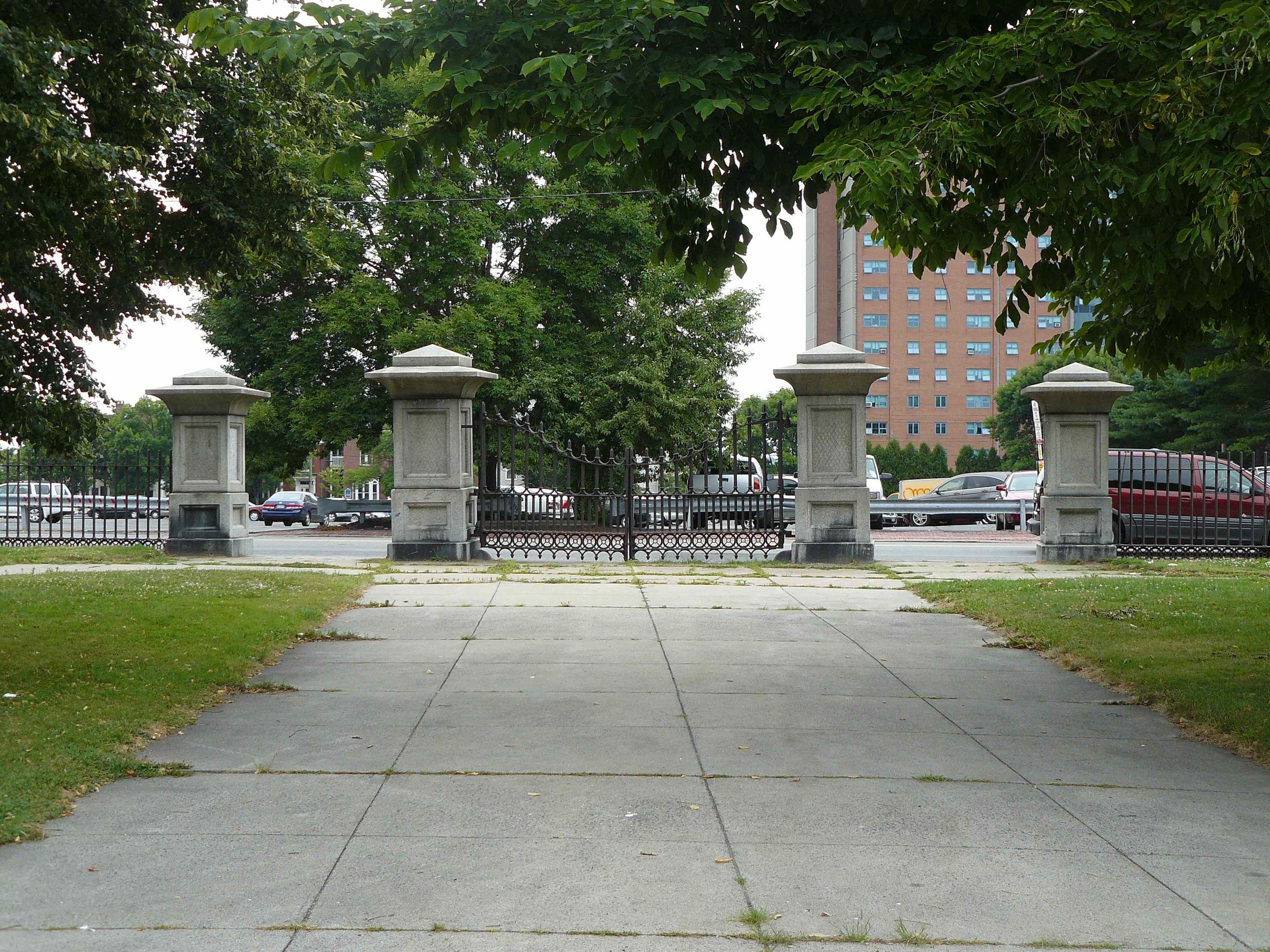
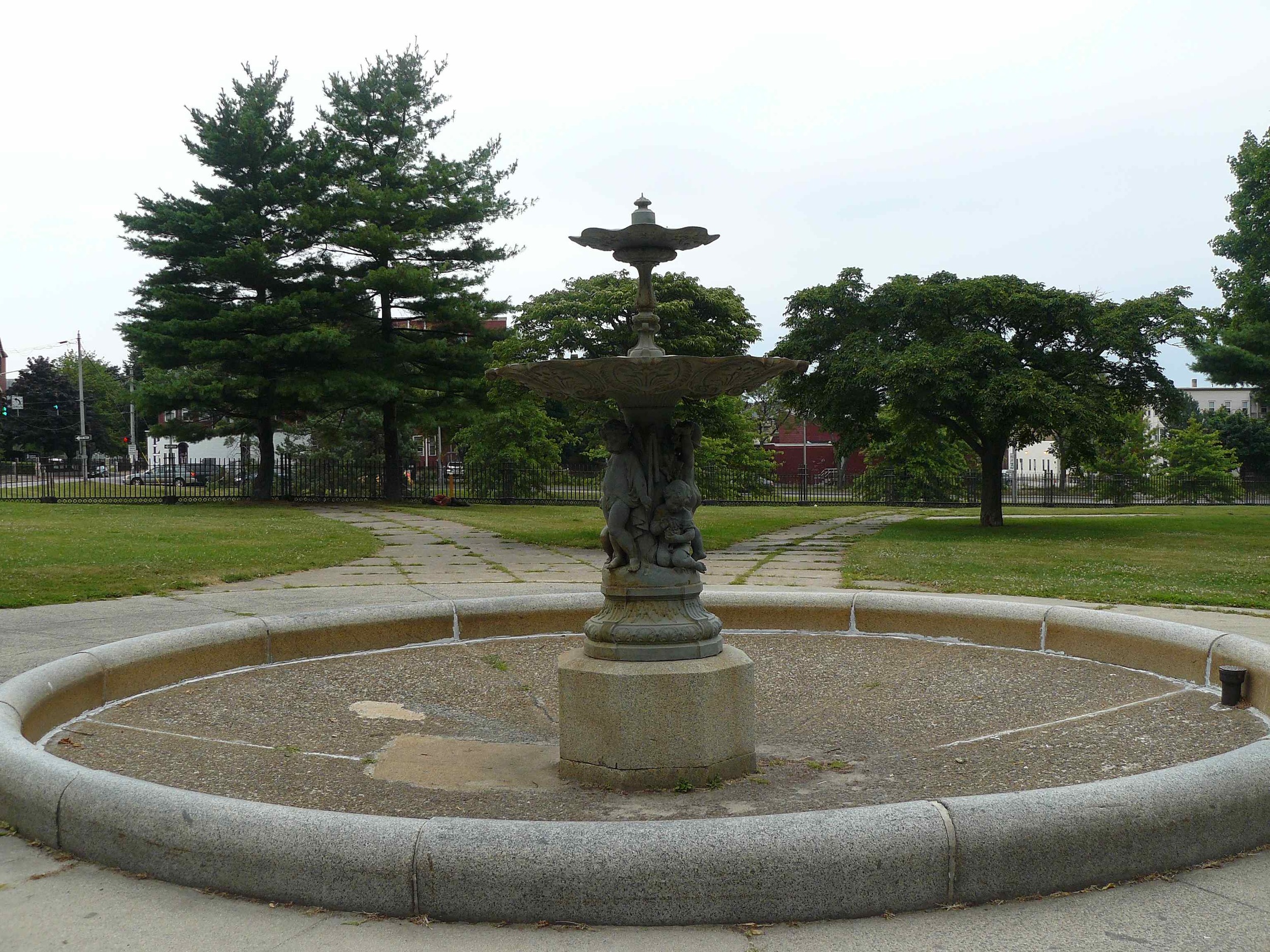
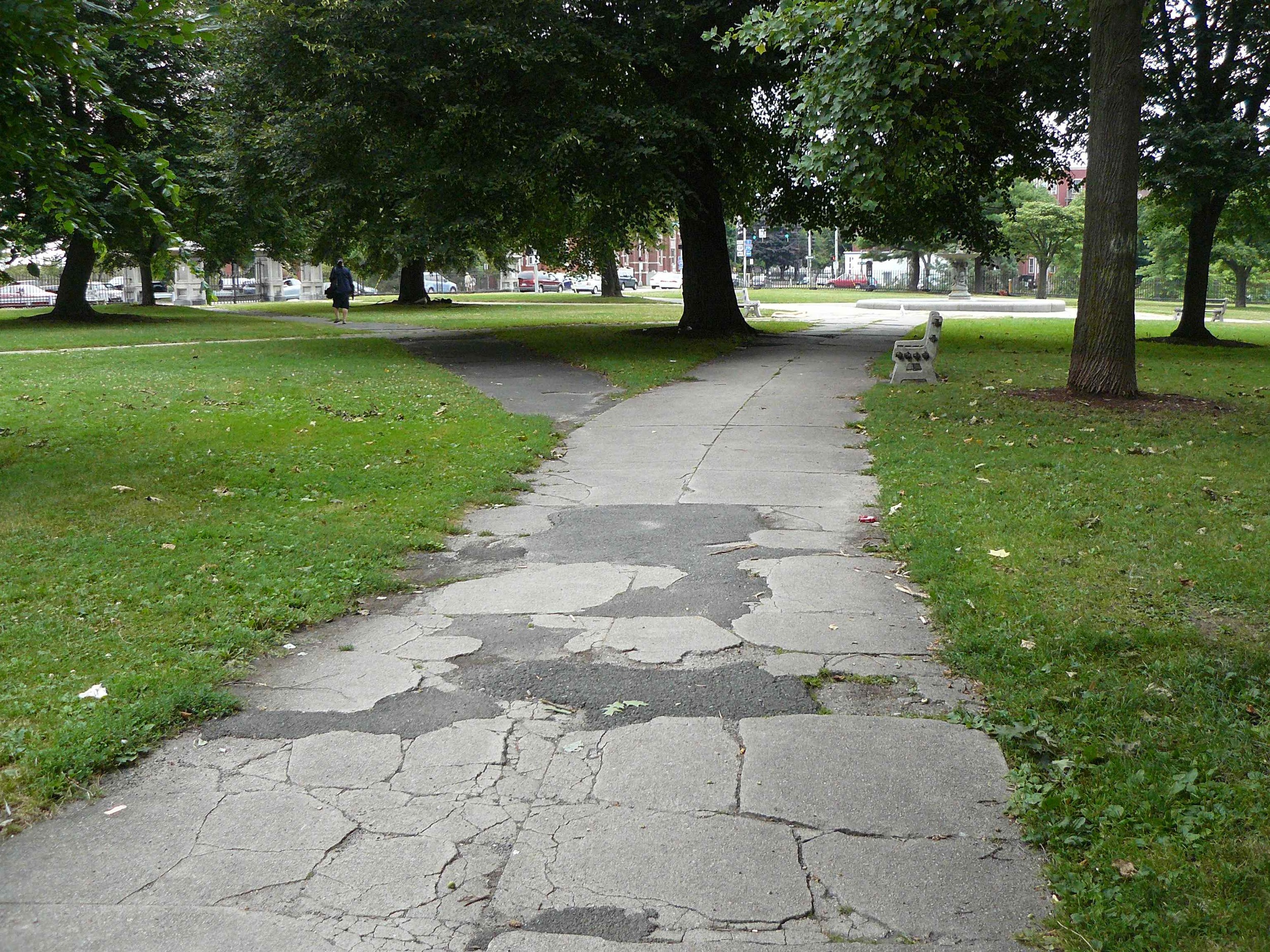
Lincoln Park is at a tipping point that will determine its future. Years of neglect, lack of investment, and harsh New England winters have taken their toll, harming the Park's appeal to the general public. The park needs significant repair to its original circulation paths, landscape furniture, perimeter fencing and fountain to ensure its integrity.

In the past, the park was heavily used by the public, but more recently it has been largely abandoned. In 2012, the park gained notoriety as the site of Occupy Portland's winter encampment. Later that year, a group of concerned citizens formed Friends of Lincoln Park, a new organization to advocate for the preservation of the park.

In 2009, the City of Portland began considering a redesign of Franklin Street, a 1970s urban arterial connecting I-295 with the waterfront whose construction appropriated the eastern third of the park. The reconfigured Franklin Street will enhance the urban fabric of the city through the mixed-use development of residential, commercial and recreational space amid attractive streetscapes and possibly restore land taken for the creation of the arterial to Lincoln Park. Currently, the City of Portland has developed a sustainable neighborhood plan, adopted new zoning, and created a local historic district for the India Street neighborhood.  In addition, the City has adopted a plan for the future of the Franklin Street Arterial, which includes a recommendation to restore the park to closer to its to its original configuration prior to its reduction in 1970.

Our Position

Lincoln Park is Portland's oldest public park. It was designed by Portland's civil engineer Charles Goodell and was strategically plotted as a protective fire-break in reaction to the Great Fire of 1866. Lincoln Park served as the green space for a densely populated neighborhood at the base of Munjoy Hill and a place of respite for downtown workers. Bounded by Congress, Pearl, Federal, and Franklin Streets, it was placed on the National Register of Historic Places in 1989 for its significance in landscape architecture. It is also recognized as a local Portland Historic Landscape District. Lincoln Park was named to the 2013 Places in Peril list due to long standing neglect of the park infrastructure and lack of city funding for maintenance and repair.

As part of the plans to redesign the arterial, Landmarks has been advocating for the restoration of land to the park, new development in the vicinity of the park to encourage use of the green space, and the reconnection of Federal and Newbury Streets across Franklin Street to reknit the urban fabric of the neighborhood. Landmarks will work with the Friends of Lincoln Park to help build awareness and support the park at a time when it could be possible to restore the park to its original plan. The Friends of Lincoln Park has worked with the City of Portland to develop a master plan for Lincoln Park, raised funds to restore the historic fountain, and repairs to the walkways in the park. Additional funds have also been raised to fund the phased restoration of the park’s perimeter fence.

Update

Friends of Lincoln Park and the City of Portland have successfully restored the French fountain, repaved the paths, installed new benches, and revitalized the gardens.

PRESS

QUICK LINKS

WHat You Can Do

  • Join our mailing list to stay informed about our advocacy efforts, educational programs, and upcoming events.

  • Support Landmarks by becoming a member or making a donation today.


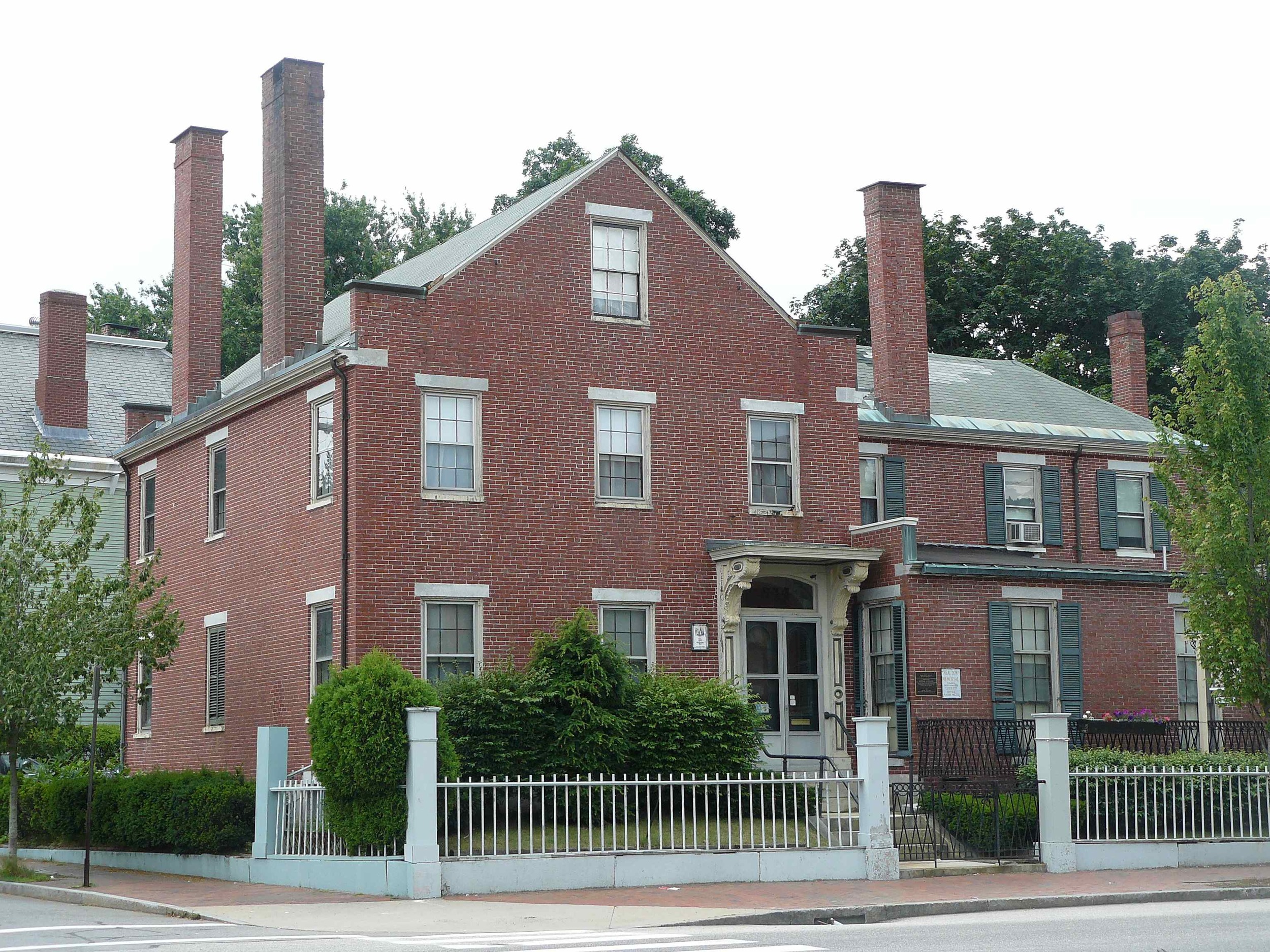
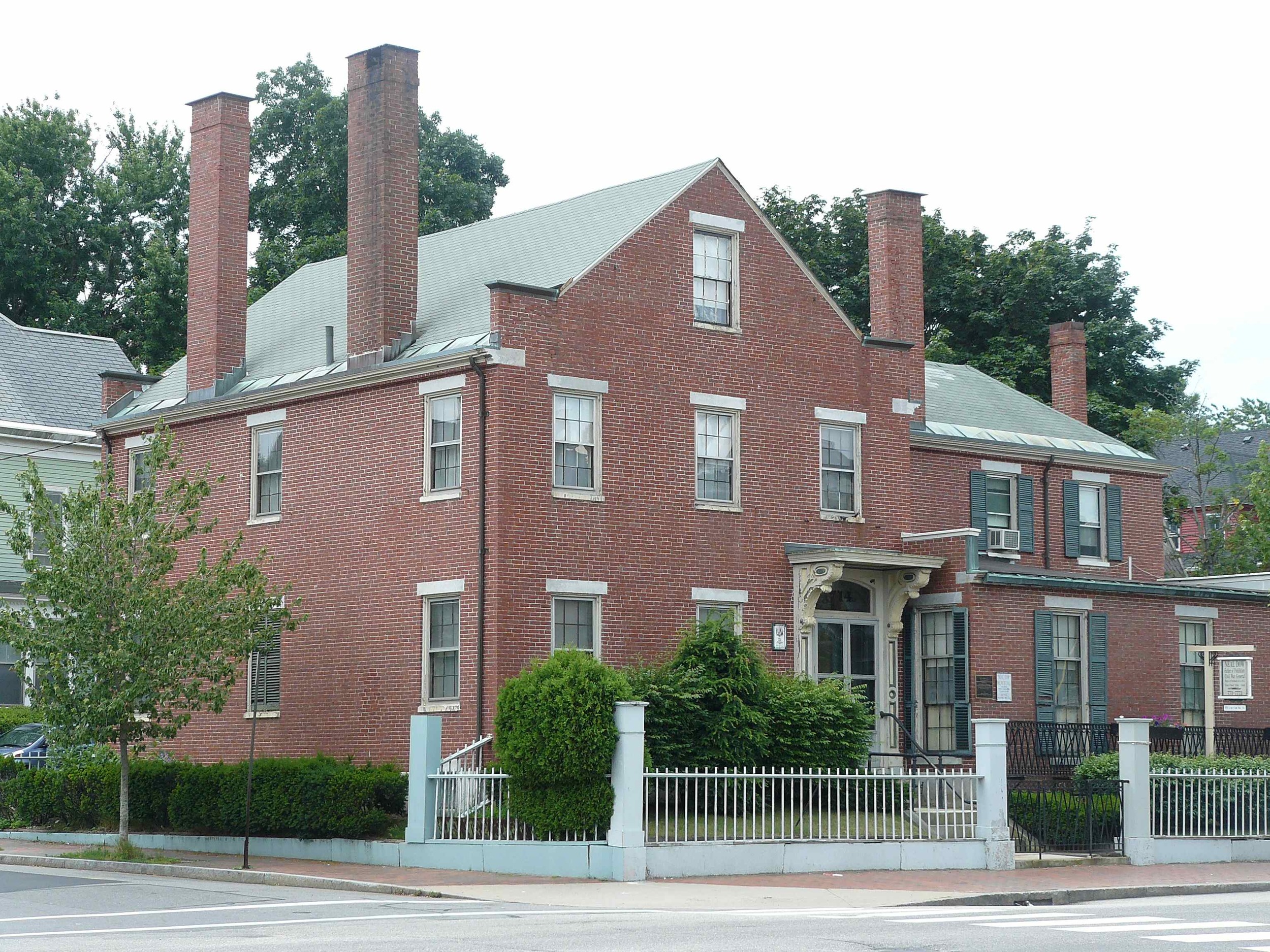
Neal Dow House 

714 Congress Street, Portland  |  Nominated to Places in Peril in 2013

The Issue

Built in 1829, the Neal Dow House at 714 Congress Street is a museum presenting the life and social contributions of Neal S. Dow and the headquarters of the Maine Woman’s Christian Temperance Union. Neal S. Dow (1840-1897) was a United States General, a leading Temperance advocate, Abolitionist, and prominent Republican political leader. Dow authored the "Maine Law", the first state act outlawing the sale and consumption of alcohol, which inspired similar legislation across the nation and resulted in the national implementation of Prohibition in 1920. Dow’s involvement in the Temperance movement catapulted him to international prominence, sparked his political career, and forever linked him with the history of American social reform. Dow’s family had a strong link to the Abolitionist movement, and provided refuge in the house for African-Americans who were fleeing slavery. In 1934, Dow’s son Fred gave the building to the Maine Woman’s Christian Temperance Union (WCTU) as its headquarters, to carry on the memory of his father and his work. The WCTU began in the early 1870s, focusing on social reform, especially the fight against alcohol consumption, which they saw as the major cause of poverty, family instability, and crime.

The Neal Dow House is a hidden gem that lacks visibility and is largely unknown to the public, despite its nationally significant ties to major movements in American History. While the owner, the Maine Woman’s Christian Temperance Union, has done a good job maintaining the house to date, like other house museums across the country, the museum cannot support its operating costs or capital needs with admissions revenue alone. The historic building needs a broader base of support to supplement the WCTU’s scarce resources.

Our Position

The Neal Dow House has national importance to the Temperance movement, the Abolitionist movement, women’s history, and Civil War history. The property is a local city of Portland landmark, is listed in the National Register of Historic Places, and was designated in 1973 as a National Historic Landmark, the highest national designation. The Maine WCTU continues to maintain the property, which is in good condition. While recent projects have been undertaken to make repairs to the roof and boiler, the WCTU does not have the capacity to fund the property’s long-term-capital needs.

Landmarks is working with various stakeholders to increase awareness of the historic significance of the house to attract new audiences and provide opportunities for educational programs and interpretation of the site. We urge the WCTU to create a separate nonprofit organization to support the historic building and museum to attract donors, grants, volunteers, and partnership organizations and to develop a sustainable operating strategy based on regional and national models.

Press

Quick Links

What You Can Do

  • Sign up for our mailing list to receive updates on our advocacy efforts, educational programs, and upcoming events.

  • Support our advocacy efforts and our Places in Peril program by making a donation or becoming a member today.

South Portland Historic Resources

South Portland, Maine  |  Nominated to Places in Peril in 2013

The Issue

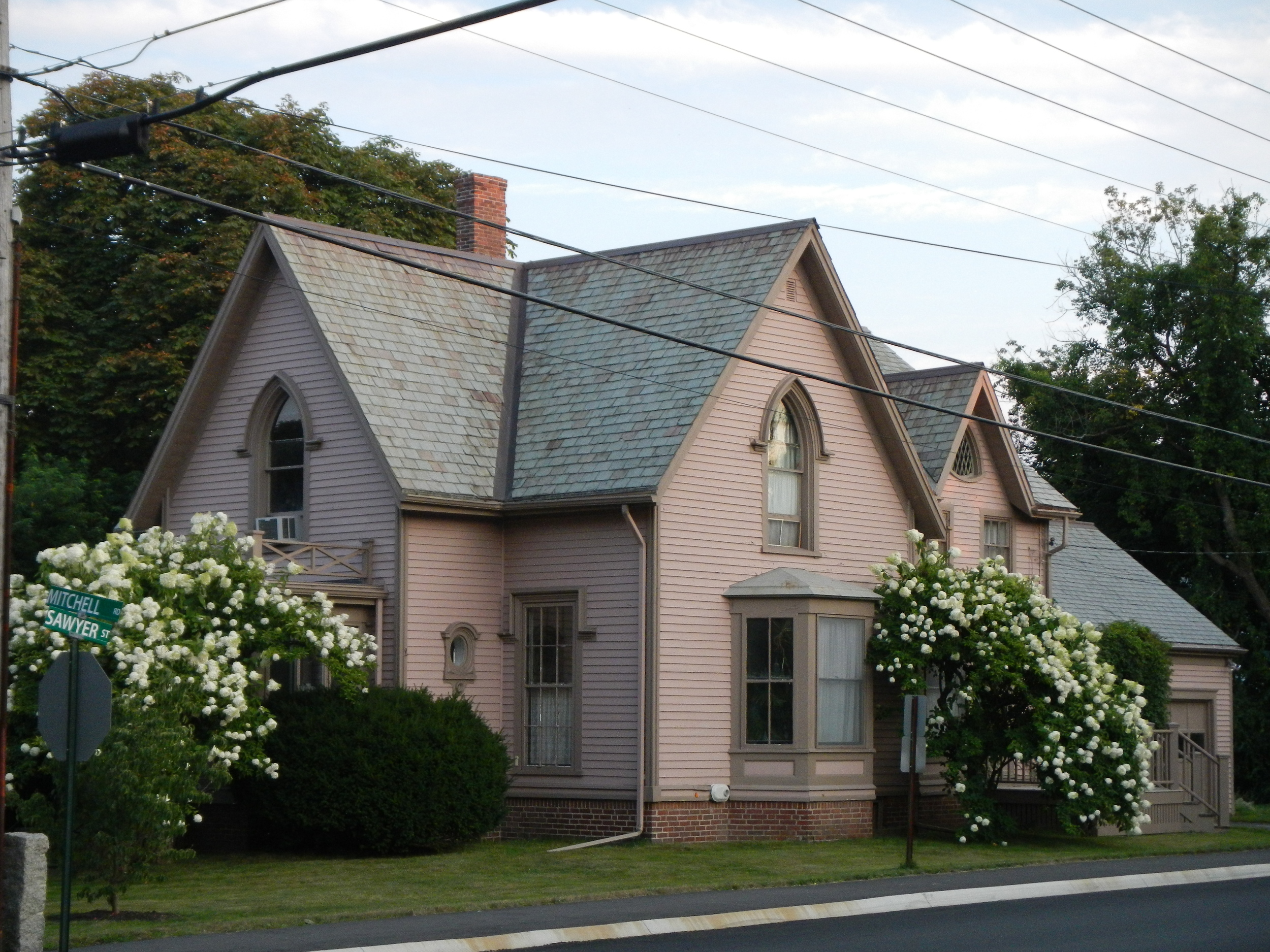
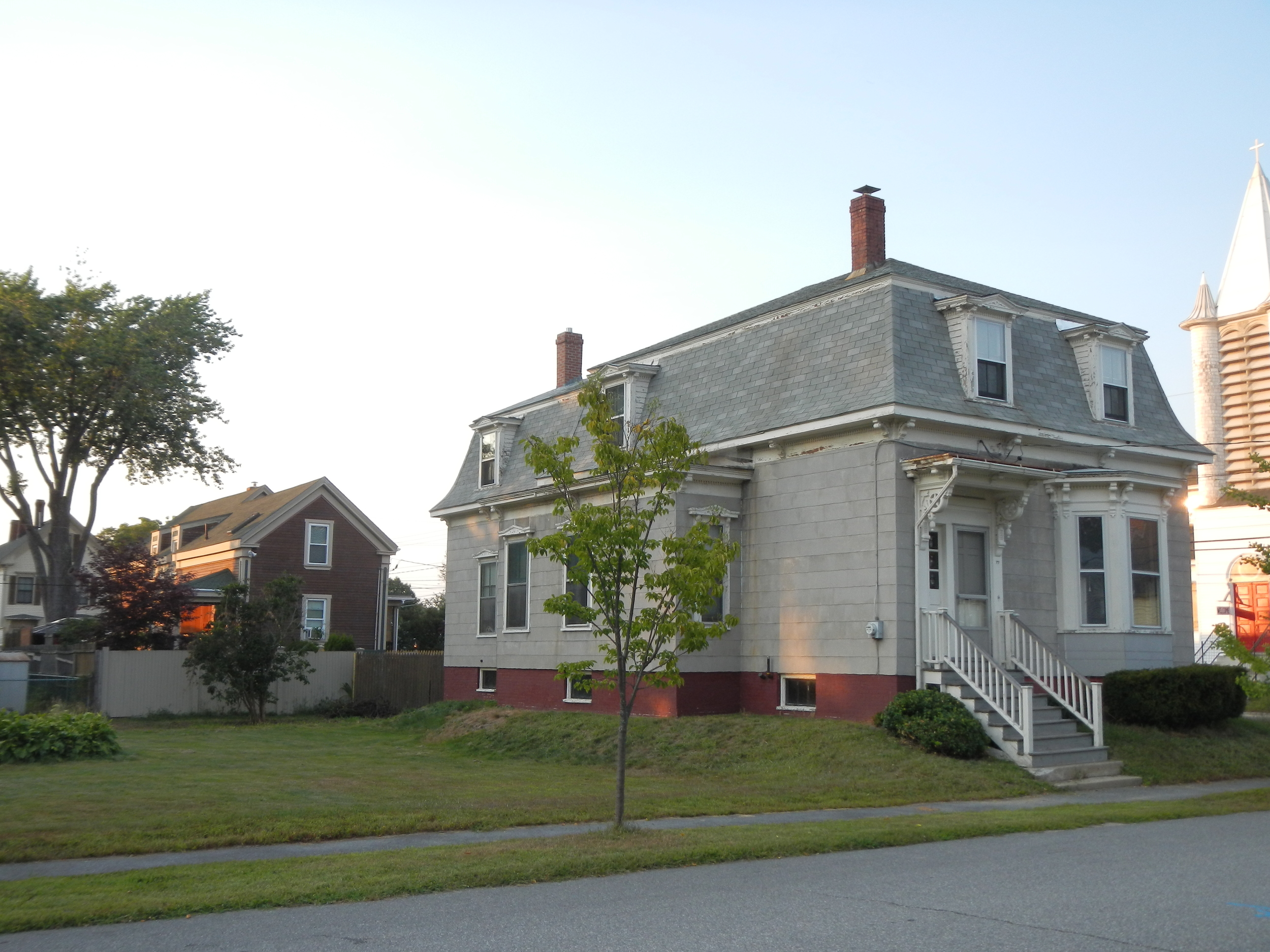
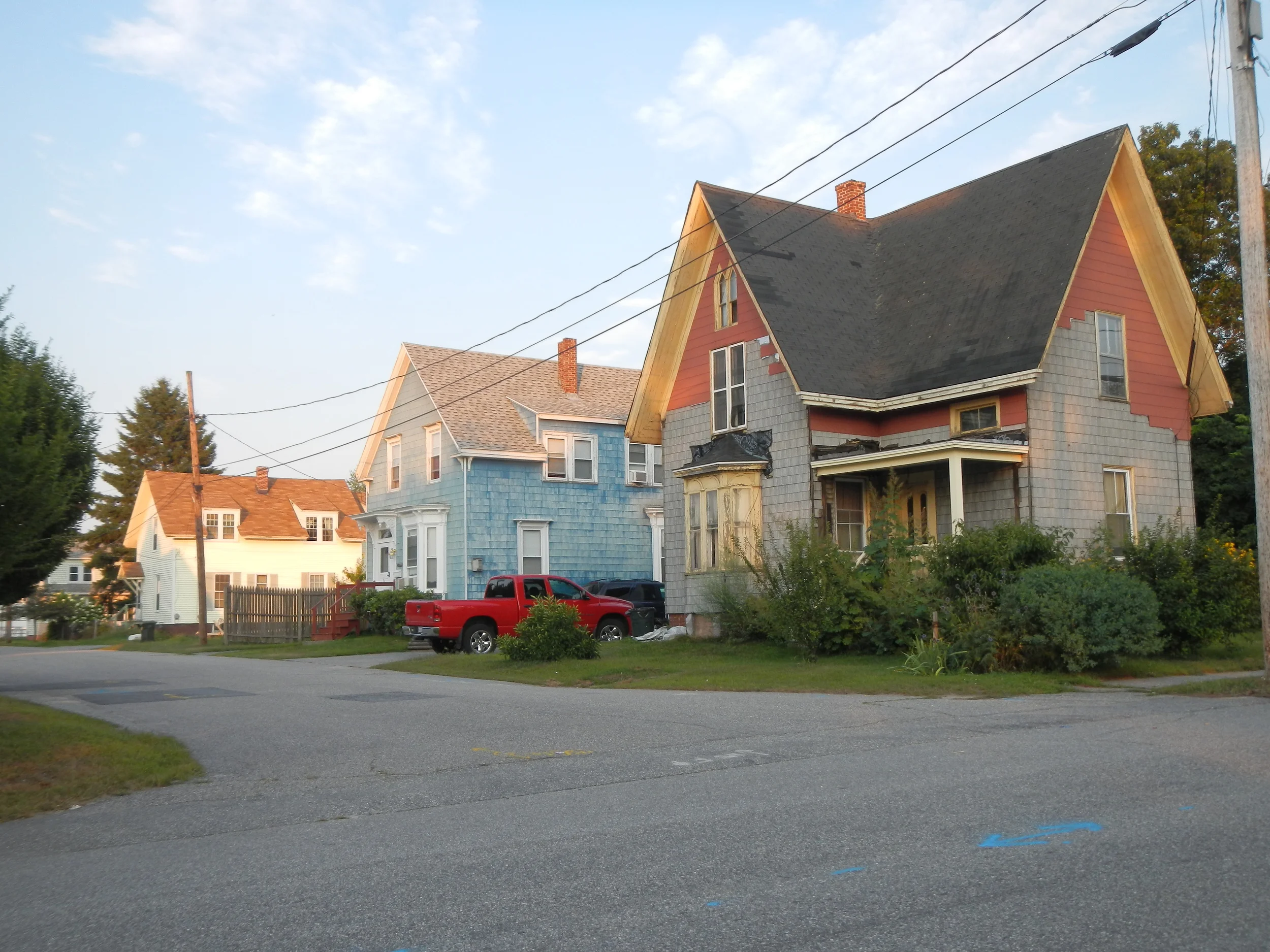
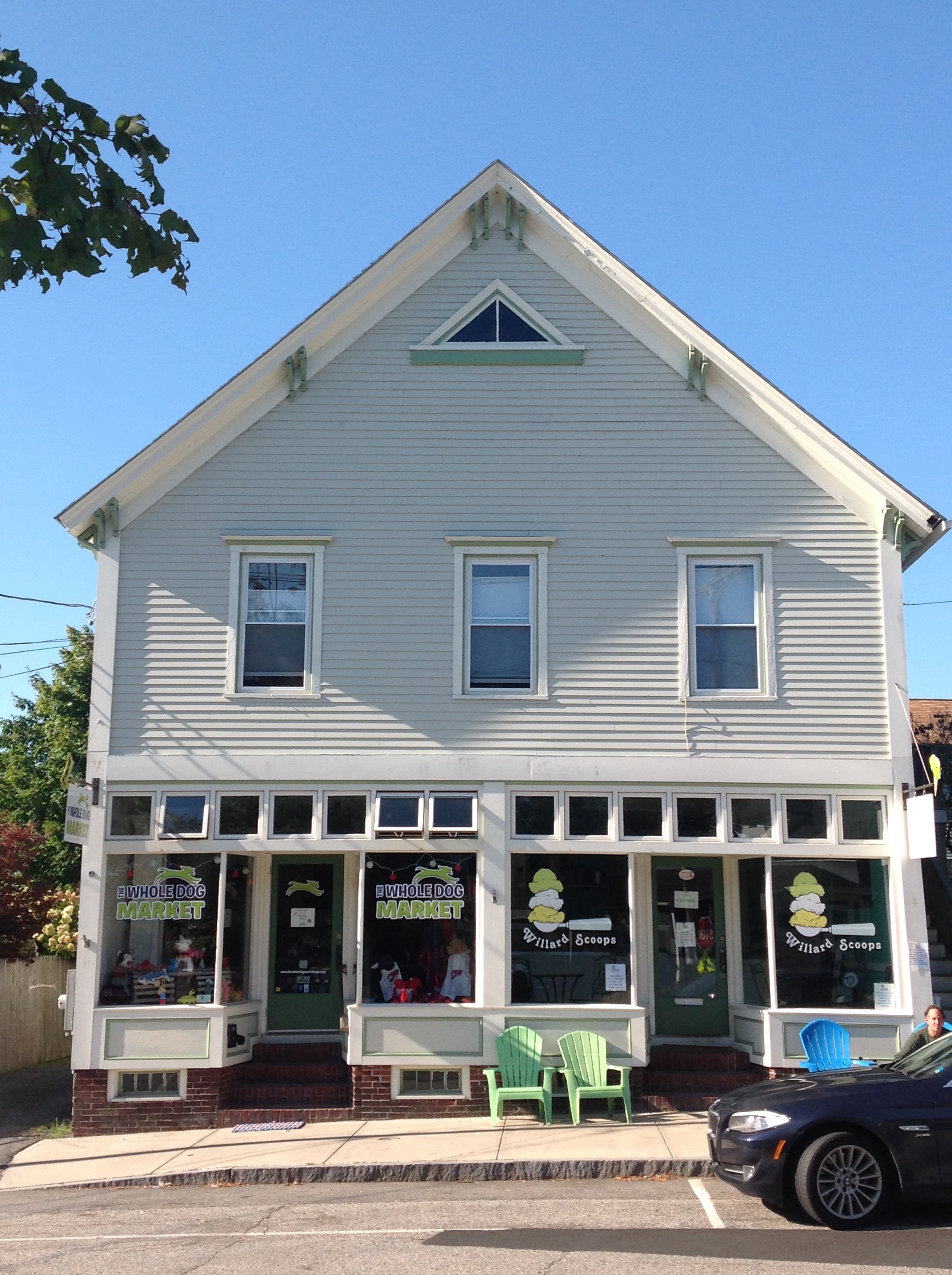
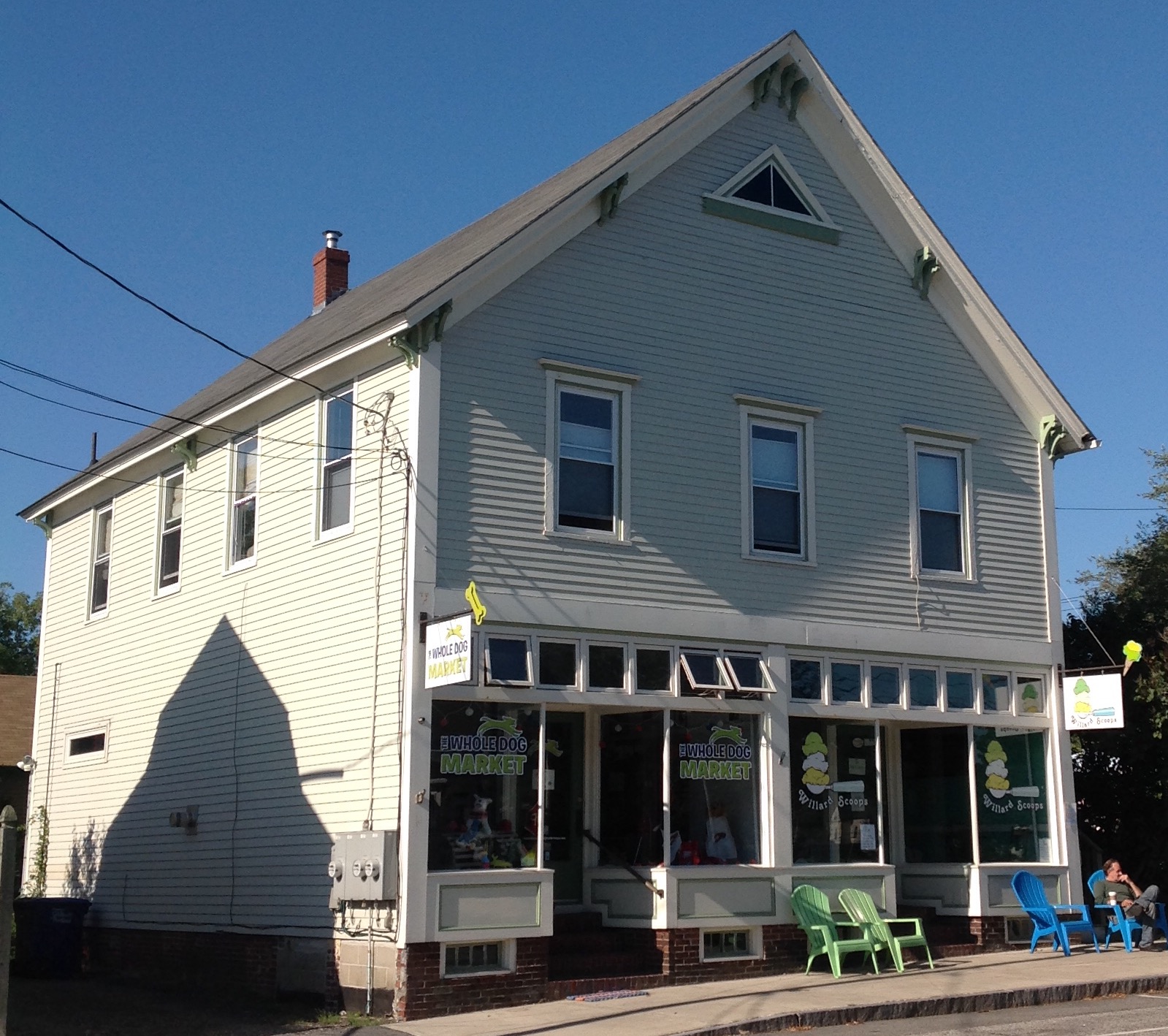
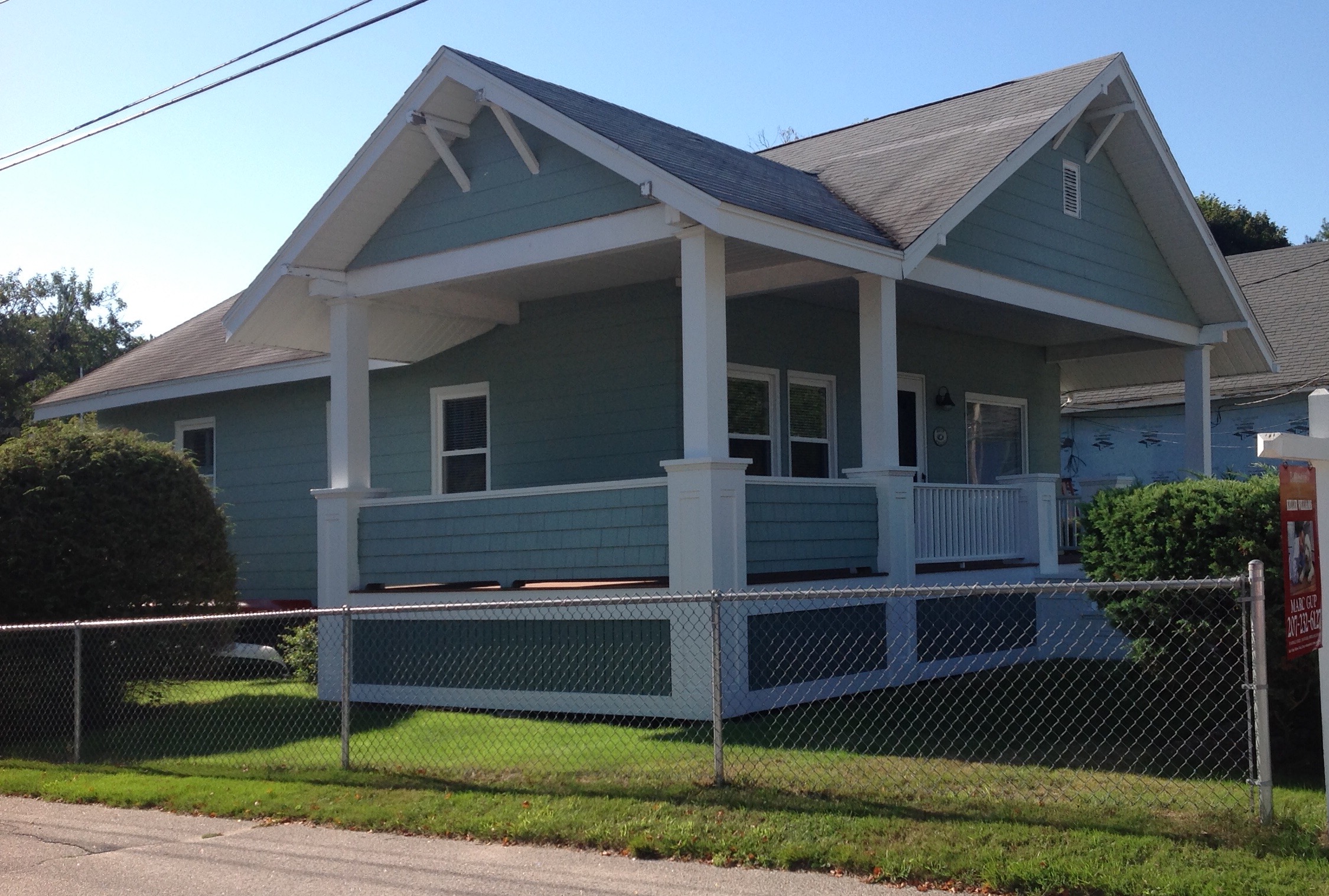
With an area of about 8,000 acres and a population of about 25,000, the City of South Portland is comprised of seven historic neighborhoods. Yet, there are currently only three historic buildings that are individually listed on the National Register of Historic Places, including two light houses in Portland Harbor, and one district, the State Reform School National Register Historic District at Brick Hill. South Portland has become increasingly popular as a place to live and work, partly because of its authentic historic buildings and charming neighborhoods. These special places are in danger of being lost due to lack of awareness, neglect, an accumulation of lost architectural features, or additions and tear downs. There are currently no protections for historic architecture in South Portland.

Our Position

South Portland is an area with a rich history and fascinating historic buildings, many of which are largely unknown to the public. South Portland’s significant historic properties and landscapes are found throughout its neighborhoods, in commercial areas, and along the waterfront. Landmarks urges the city to conduct a comprehensive architectural survey of historic properties in South Portland and consider incentives for historic property owners to preserve historic architecture. Landmarks is working with the City to build awareness of historic properties in South Portland, offer education and information, and engage dynamic local organizations such as the South Portland Historical Society, Southern Maine Community College, and South Portland schools in this work. We encourage the city, property owners, and local organizations to nominate historic buildings, landscapes, and neighborhoods to the National Register of Historic Places, and to participate in Greater Portland Landmarks’ Historic Marker Program.

As a result of the Places in Peril listing, the City of South Portland created an Arts and Historic Preservation Committee to assist the City Council in preserving the historical and architectural integrity of South Portland, fostering beautification of public areas, and promoting the educational, cultural, economic, aesthetic value, and general welfare of South Portland. In addition, with support from the Horizon Foundation and in partnership with the South Portland Historical Society, Landmarks trained 17 volunteers to conduct a pilot architectural survey of 336 buildings in the Willard Neighborhood.

Press

Quick Links

What You Can Do

  • Join our mailing list to stay informed about our advocacy efforts, educational programs, and upcoming events.

  • Support Landmarks by becoming a member or making a donation today.
Union Station Clock 

Congress Square, Portland  |  Nominated to Places in Peril in 2013

The Issue

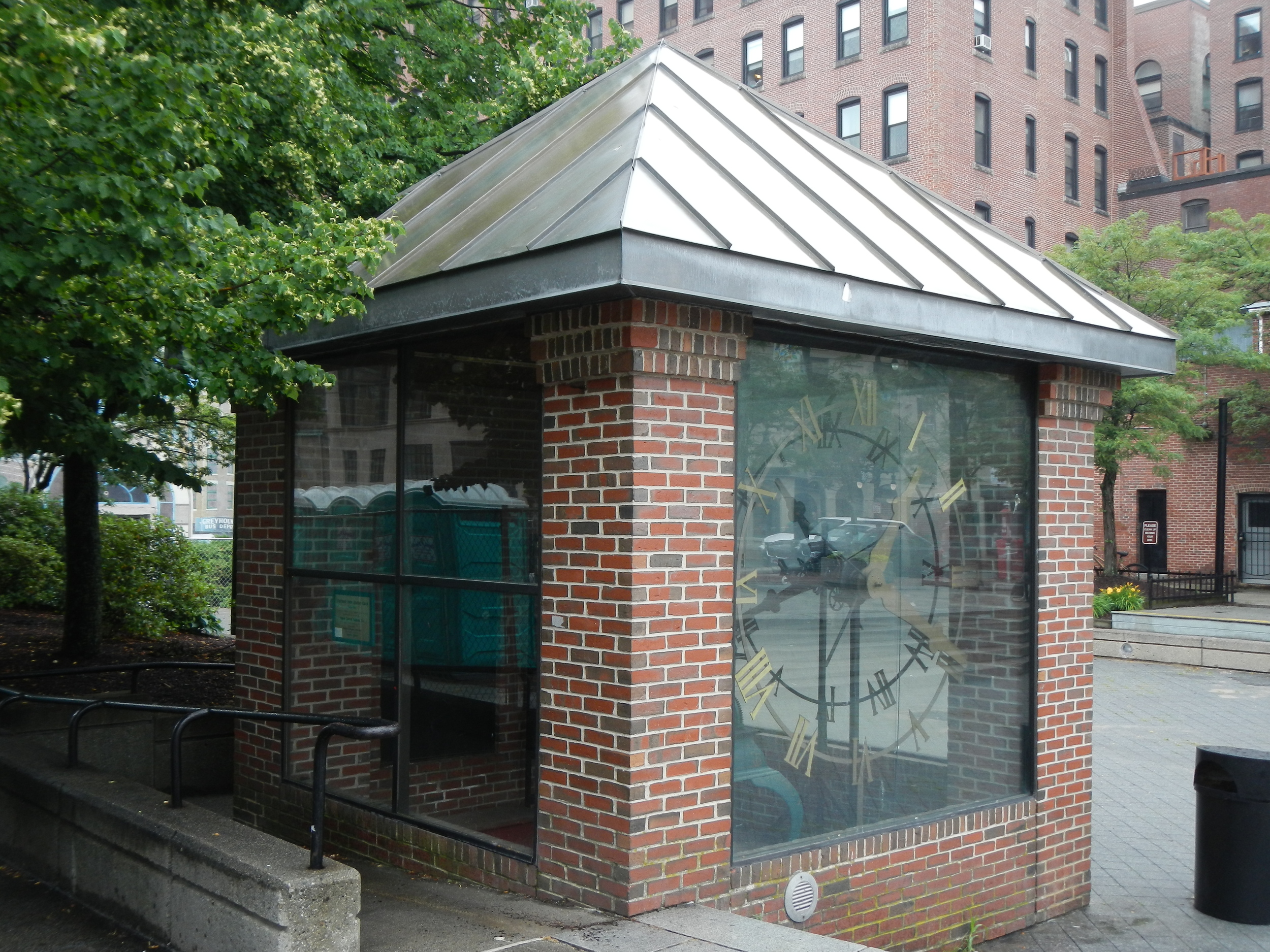
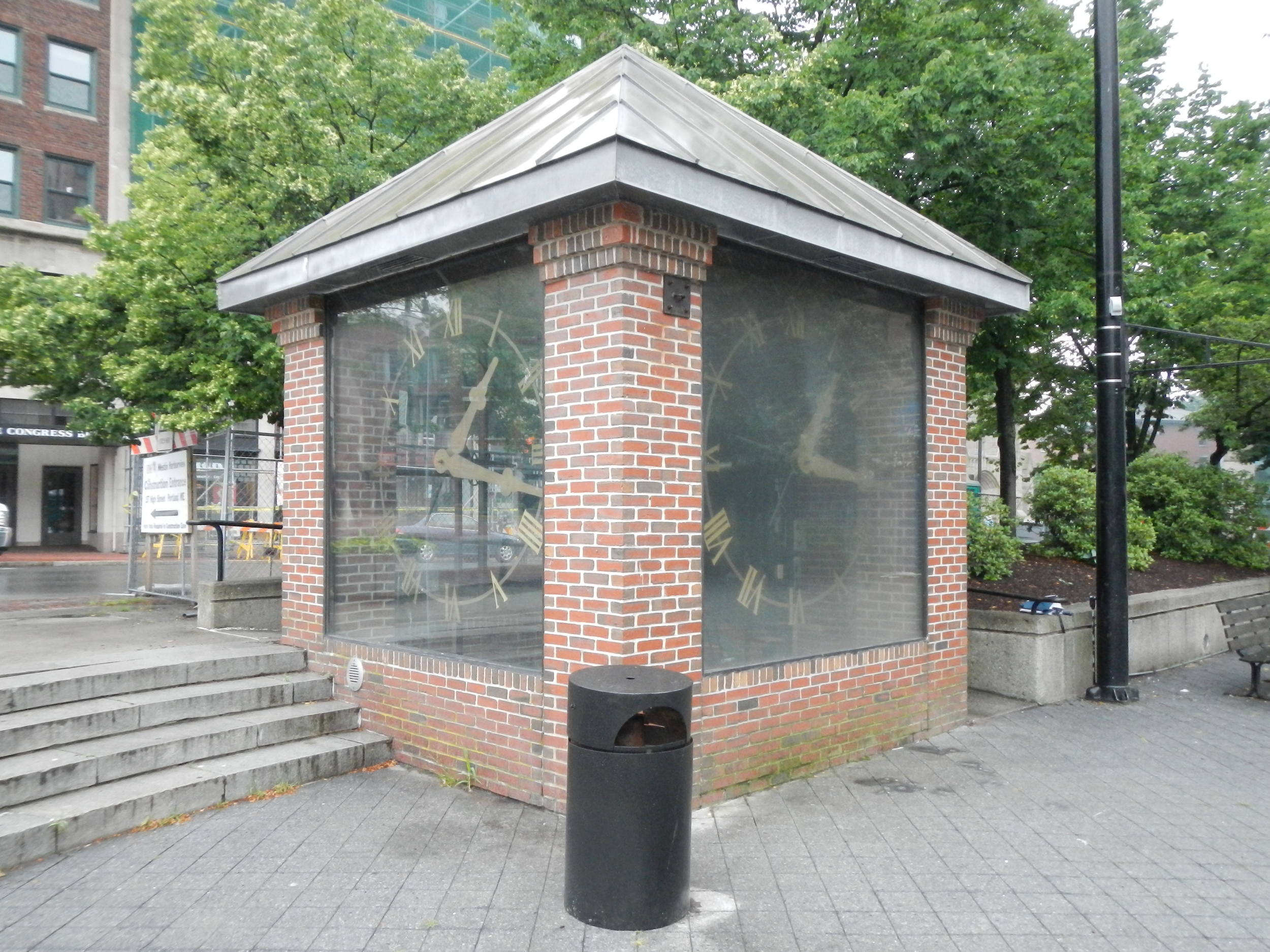
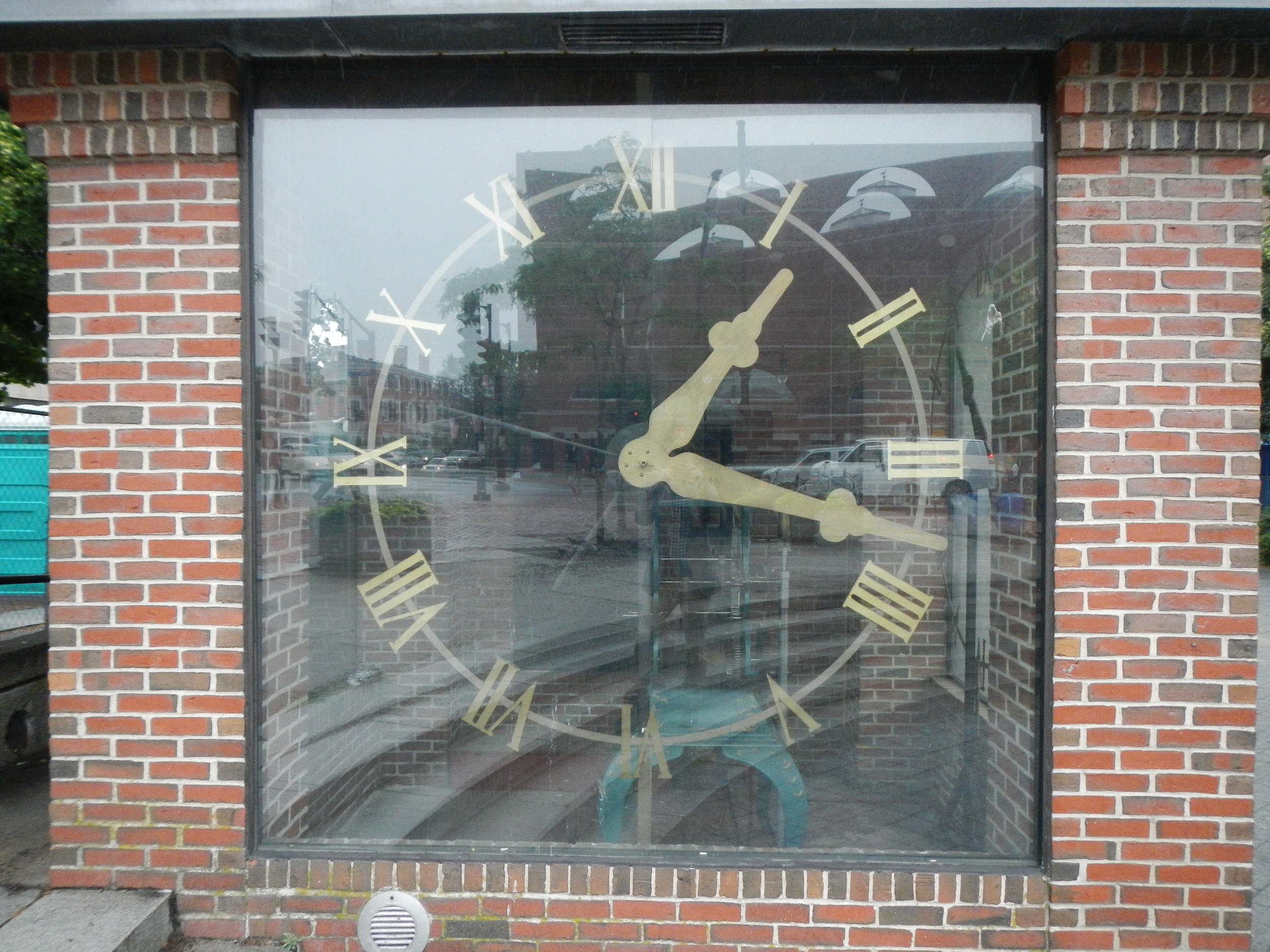
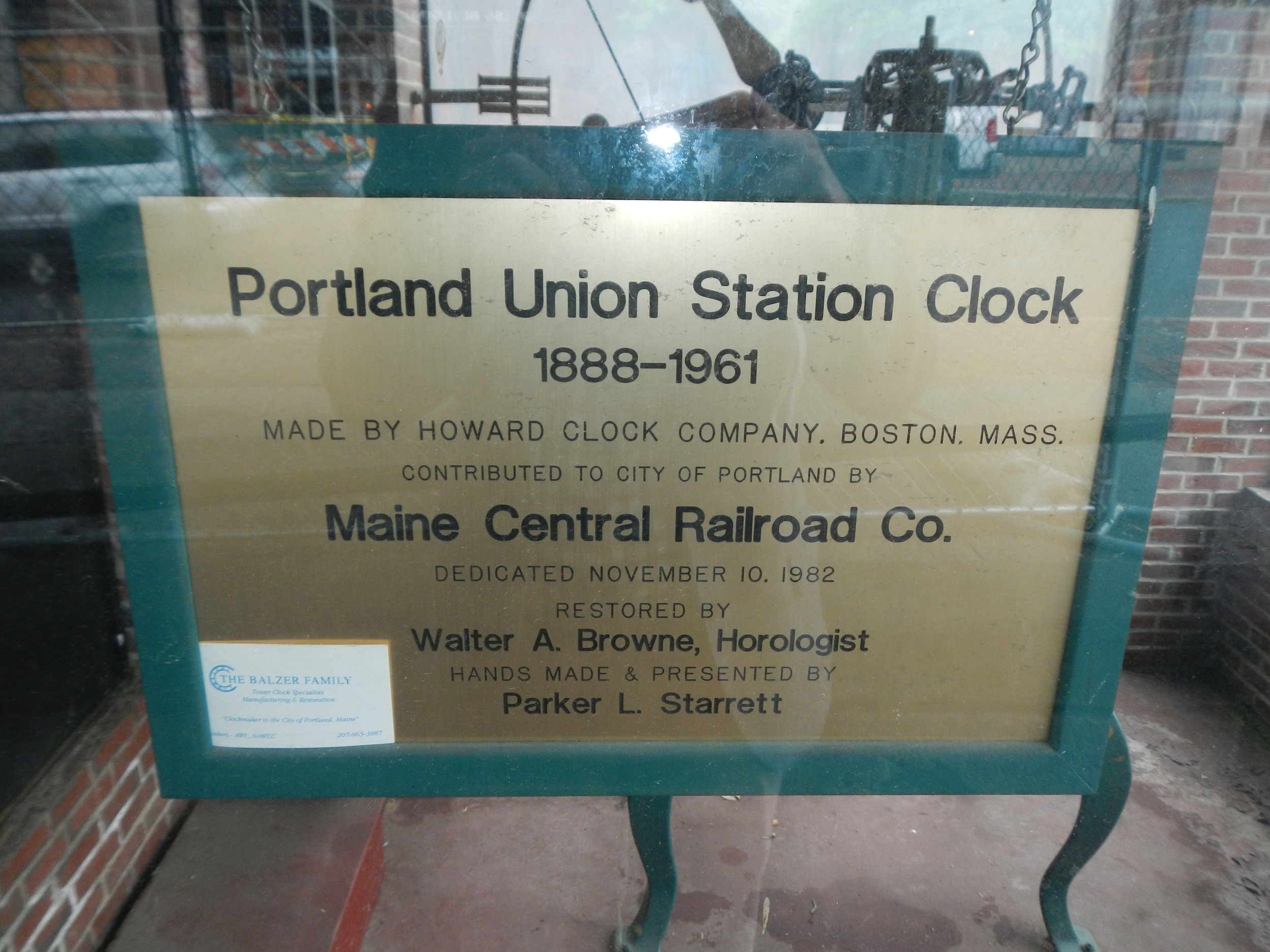
Originally built in 1888 by the Howard Clock Company in Boston, MA, the Union Station Clock has been serving the community as a publically accessible timepiece in its current location since 1982, when it was contributed to the city of Portland by the Maine Central Railroad Company. The clock is currently housed in a hip-roofed brick and glass structure that exposes the original mechanical clockworks to public view. Fully operational, it was restored in the early 1980s by Walter A. Browne and Parker L. Starrett, who made the clock hands. Once the most recognizable element of Union Station’s tower at St. John and Congress Streets, today the clock is little-known or appreciated because the way it is presented doesn’t signal its importance.

In 2013 Portland’s City Council approved a purchase and sale agreement for a portion of Congress Square, where the clock is housed. Rockbridge Capital, owners of the former Eastland Hotel, planned to develop an events center on the site of the park with remaining portion of the site to be redesigned by the city. As part of the redevelopment plans the city required Rockbridge to pay for the crating and removal of the clock although no specific plans for its relocation were made, leaving its future in question. That year Landmarks named the Union Station Clock one of its Places in Peril.

A lengthy public debate and court battle led to a vote by Portland voters to save the entirety of Congress Square for public use. A newly formed citizen’s group, the Friends of Congress Square Park, stepped in to organize events and finance improvements. The clock is still on display in the park. Their hard work has enlivened the park and created a gathering space that benefits nearby residents, visitors, and local businesses.

Our Position

The Union Station Tower Clock is one of the few surviving public artifacts from Portland’s most famous example of lost architecture, Maine Central Railroad’s Union Station (1888-1961). The loss of Union Station to demolition for a strip mall in 1961 sparked the formation of Greater Portland Landmarks in 1964 and the city-wide preservation movement. Landmarks’ advocacy, which led to the adoption of a historic preservation ordinance in 1990, has shaped Portland’s built environment as we know it today. The Union Station Clock is a public icon which has become a beacon for preservation in Portland and a constant reminder of what was lost and why preservation matters.
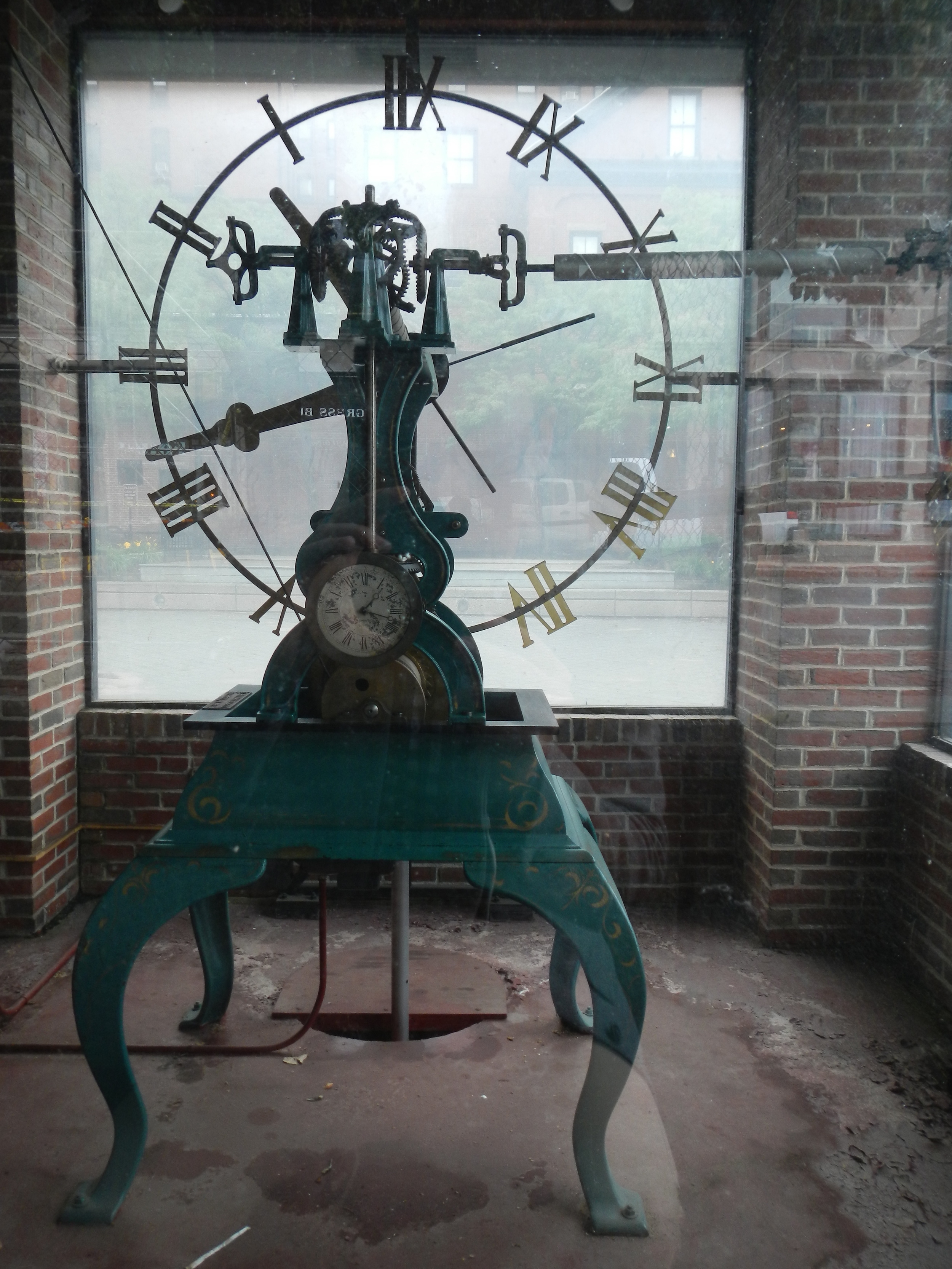
Even with the dedicated volunteer efforts of the Friends of Congress Square Park, the infrastructure of the former plaza requires improvements to achieve accessibility and the future of the clock remains uncertain. Union Station Clock is a significant link to Portland’s architectural past and an iconic reminder for the urban preservation movement. Landmarks goal is to:

  • Work with the city and community groups to find an attractive and visible location for the clock that will assure its long-term preservation and public access.

  • Encourage the city to provide funding for the relocation, installation, and maintenance of the clock.

  • Increase public awareness of the Union Station Clock’s significance to local history and architecture.

Press

Quick Links

What You Can Do

  • Join our mailing list to learn about our advocacy efforts, educational programs, and upcoming events.

  • Support Landmarks' advocacy efforts and Places in Peril program by making a donation or becoming a member today.

Western Cemetery 

4 Vaughan Street, Portland   |  Nominated to Places in Peril in 2013

The Issue

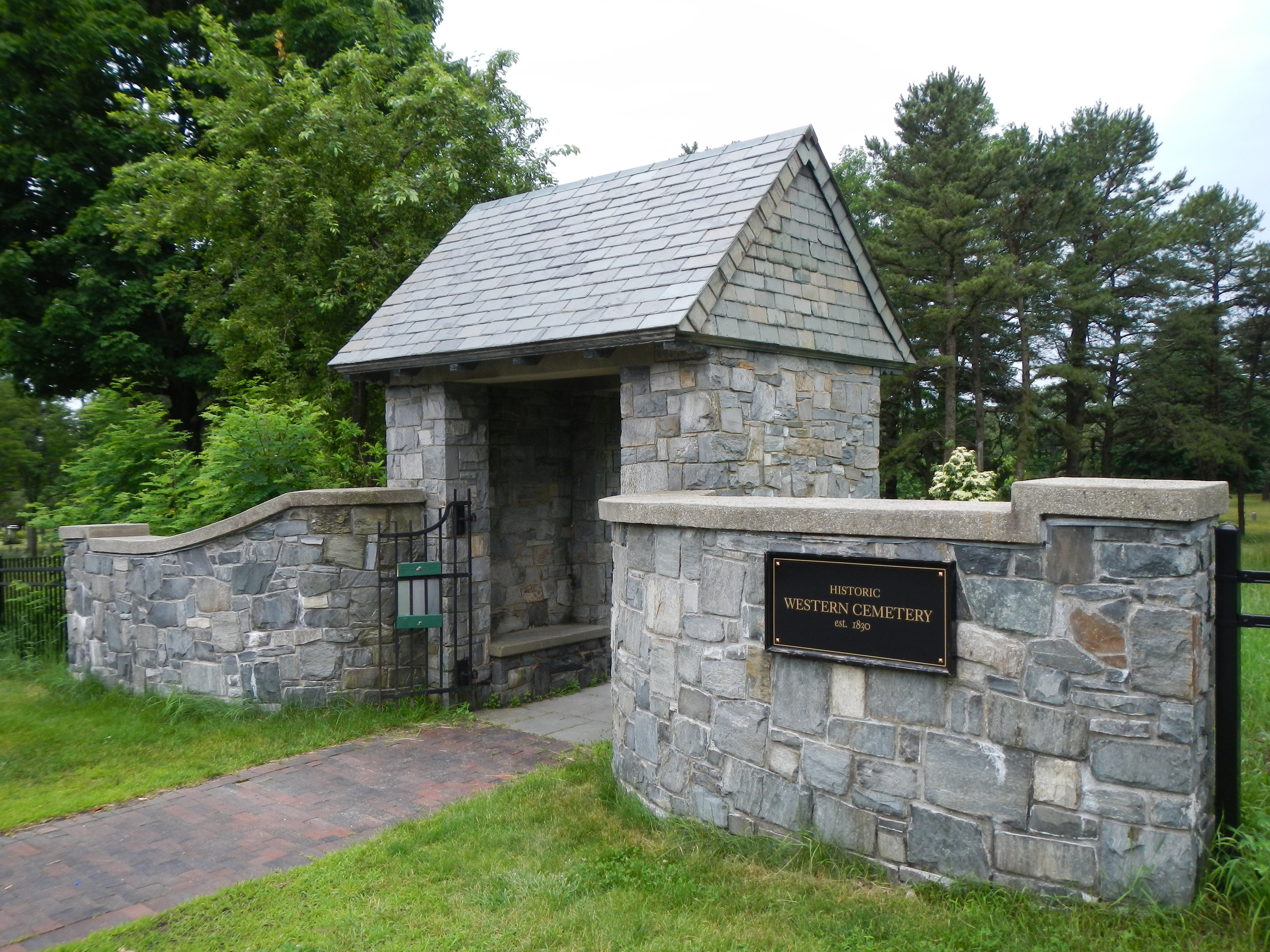
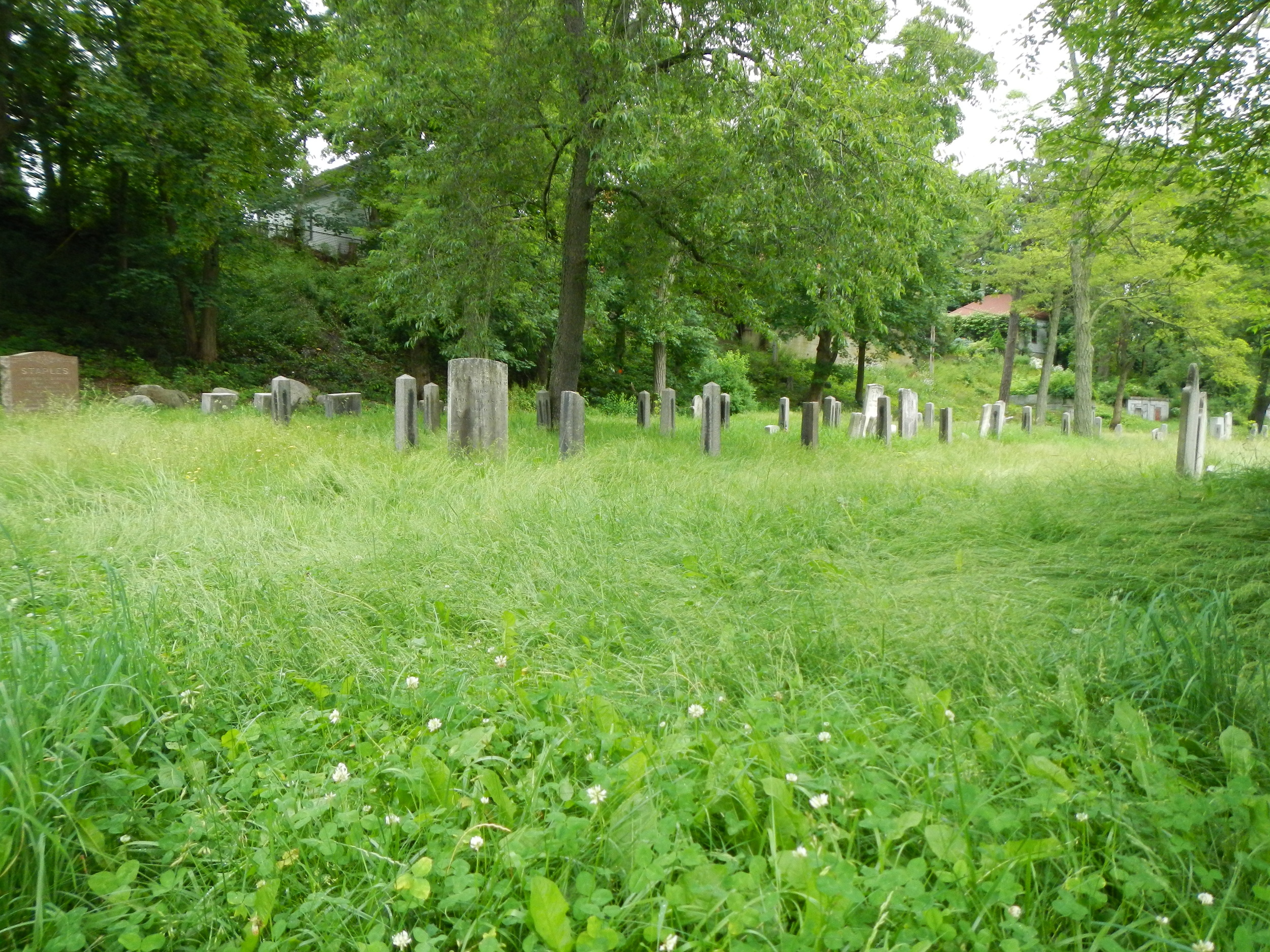
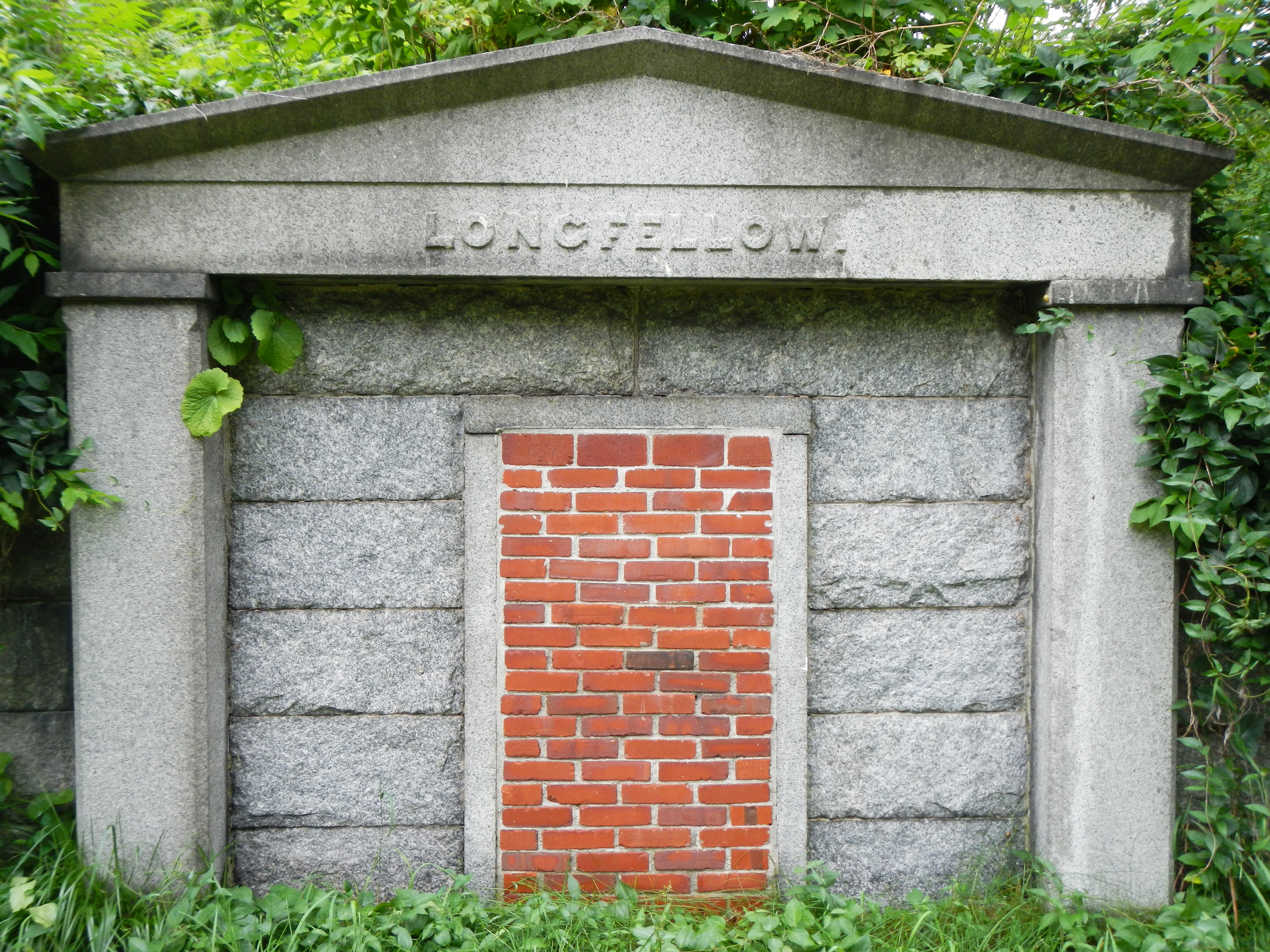
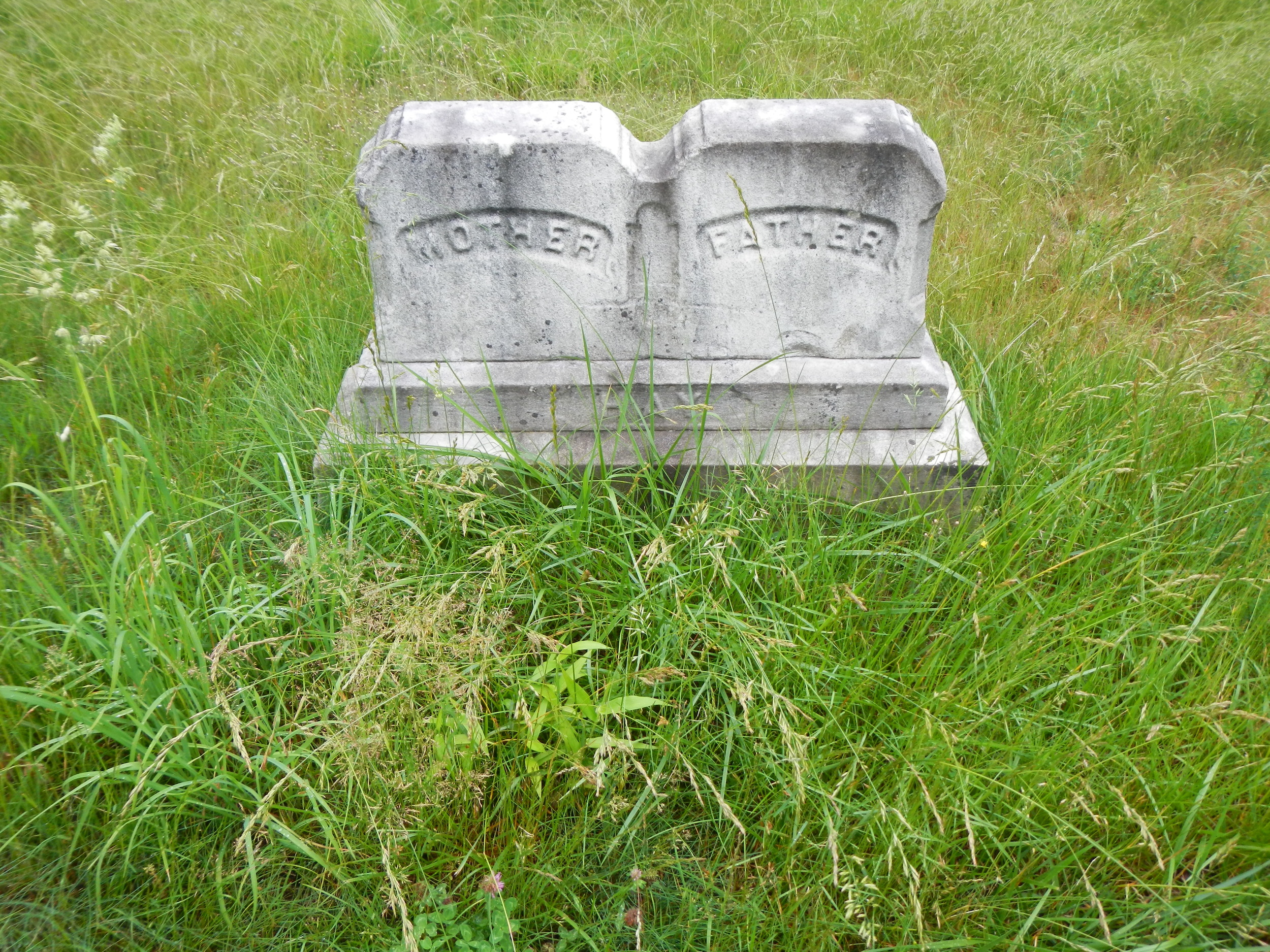
After 184 years of service, Western Cemetery, Portland’s second oldest cemetery, suffers from neglect and deferred maintenance. Its unmanaged, overgrown appearance has attracted vandalism. While the Stewards of the Western Cemetery have worked hard to raise private funds, advocate for maintenance, and encourage the city to implement the Western Cemetery master plan, the level of fundraising has been inadequate.

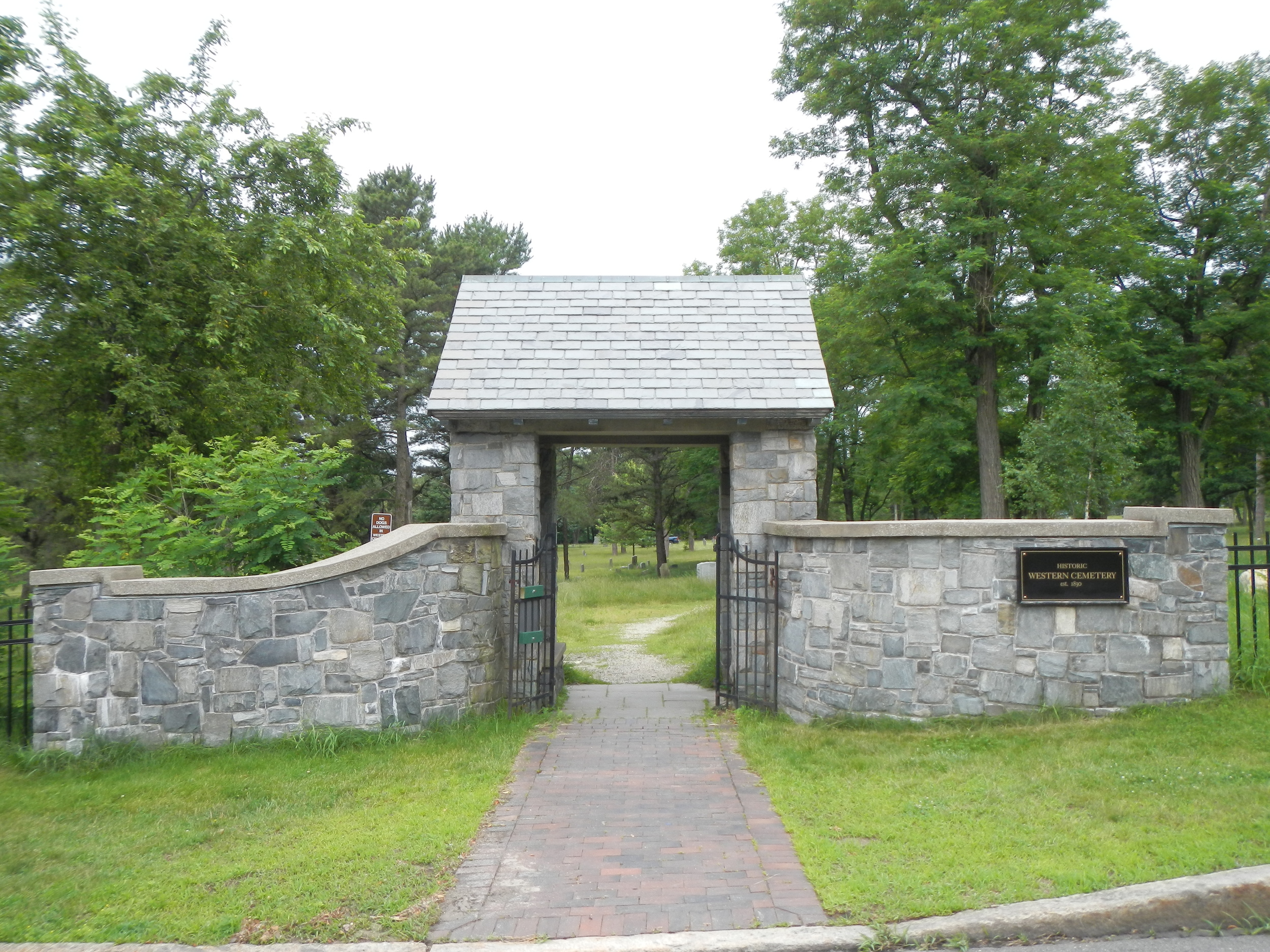
In 2001, the city of Portland approved a master plan for the cemetery, which identified capital and maintenance needs for the historic landscape. A group of concerned citizens formed the Stewards of Western Cemetery to advocate for city support and raise private funds for capital projects. With support from the Stewards, the city renovated and conserved the mausoleums and the Daveis Memorial Gate, and installed a portion of new steel picket fence on the Vaughan Street side. Community support is necessary to continue the work by the Stewards of the Western Cemetery in their ambitious plans to enlist volunteers and raise additional private support.

Our Position

Located adjacent to the West End Historic District at 4 Vaughan Street, the Western Cemetery is an important public open space. The cemetery is significant for its association with citizens and families who were important to Portland’s history, and is an example of the transition from early burial grounds to planned garden cemeteries built on open land. It is recognized as one of Portland’s designated historic landscape districts.

The city purchased the land in 1829 and expanded the cemetery to its current 12 acres in 1841. It was the city’s primary burying ground from 1829 until 1852 when Evergreen Cemetery opened. The cemetery has an estimated 6,600 marked and unmarked graves and remained active until 1910. Its lots and circulation paths were planned by civil engineer James Hall in 1840. Its main entrance, the 1914 Daveis Memorial Gate, was designed by John Calvin Stevens. When room was no longer available at Western Cemetery, some families moved their plots to Evergreen Cemetery. However, many burials still remain, including Revolutionary and Civil War veterans, Irish immigrants, and notable local citizens.
Press

Quick Links

What You Can Do

  • Advocate for city funding to maintain the cemetery and implement the 2001 Master Plan.

  • Support the Stewards of the Western Cemetery in their ambitious plans to replace the enlist volunteers and raise additional private support to increase public awareness and appreciation of the cemetery’s historic significance and use of its grounds through tours and interpretive signage. Email them at stewardswesterncemetery@gmail.com to get involved!

  • Join our mailing list to stay informed about advocacy, educational programs, and upcoming events.

  • Support our advocacy efforts and Places in Peril program by becoming a member or making a donation today.