House Island

Casco Bay, Portland, Maine  |  Nominated to Places in Peril in 2012

The Issue

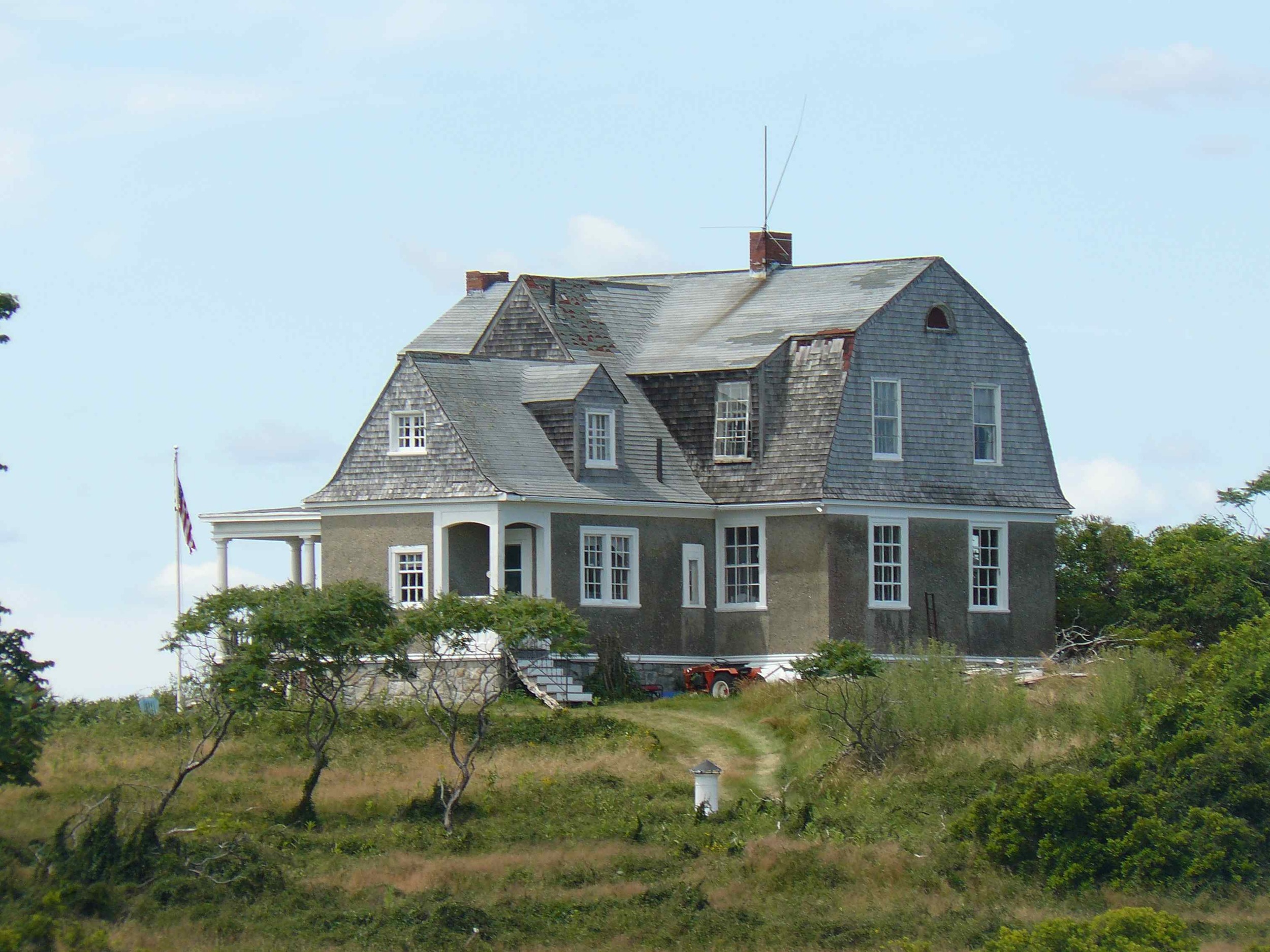
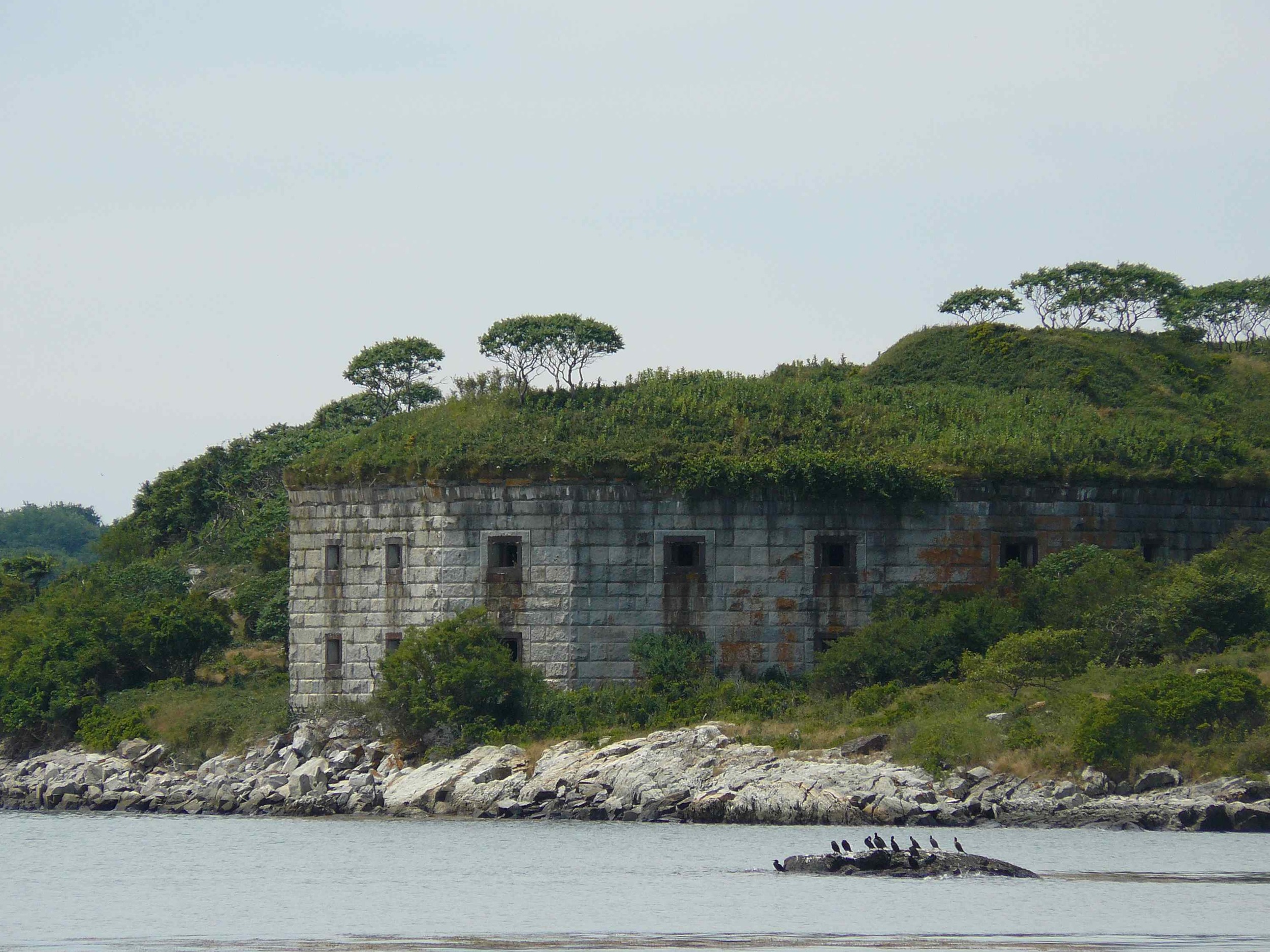
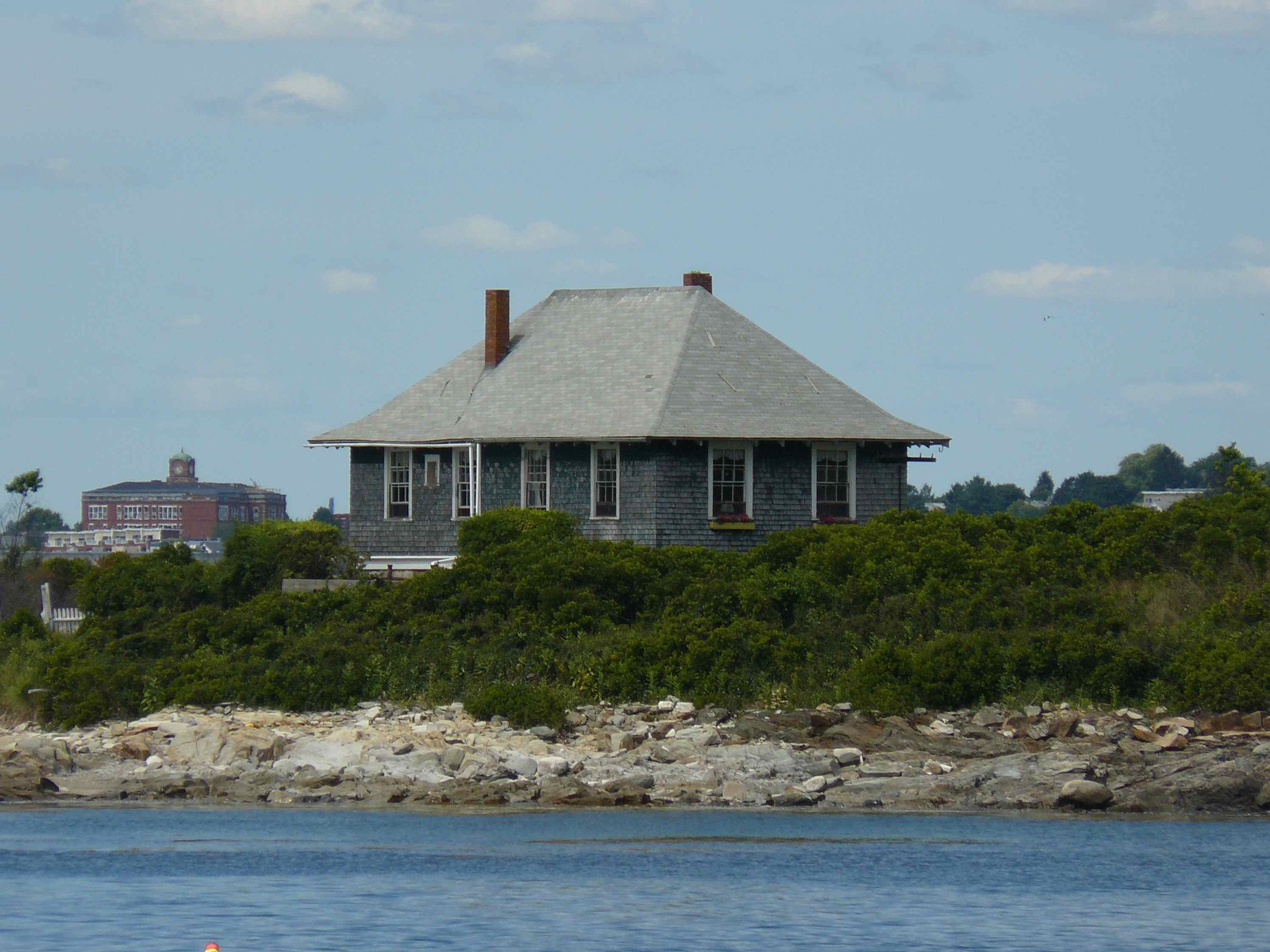
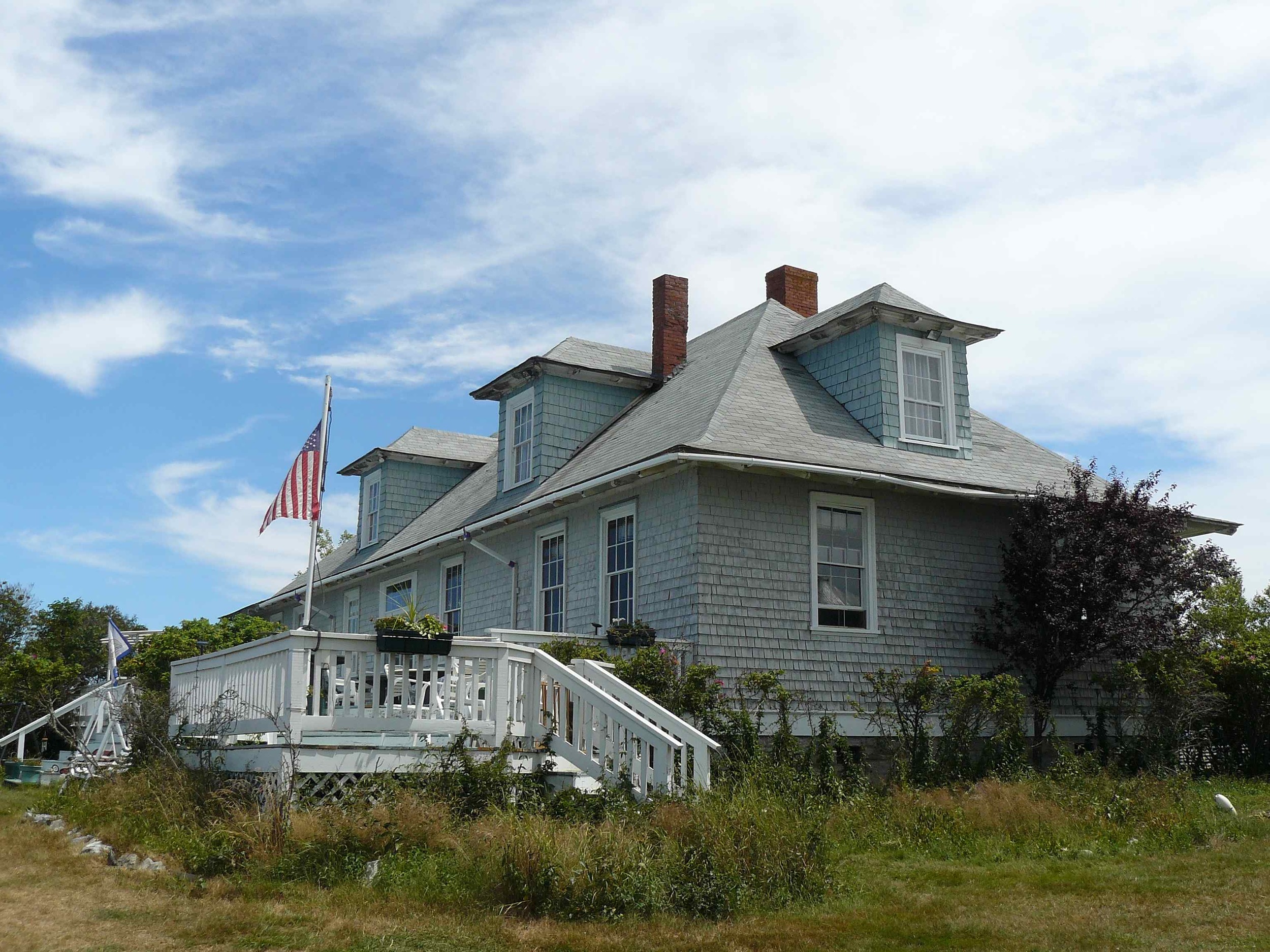
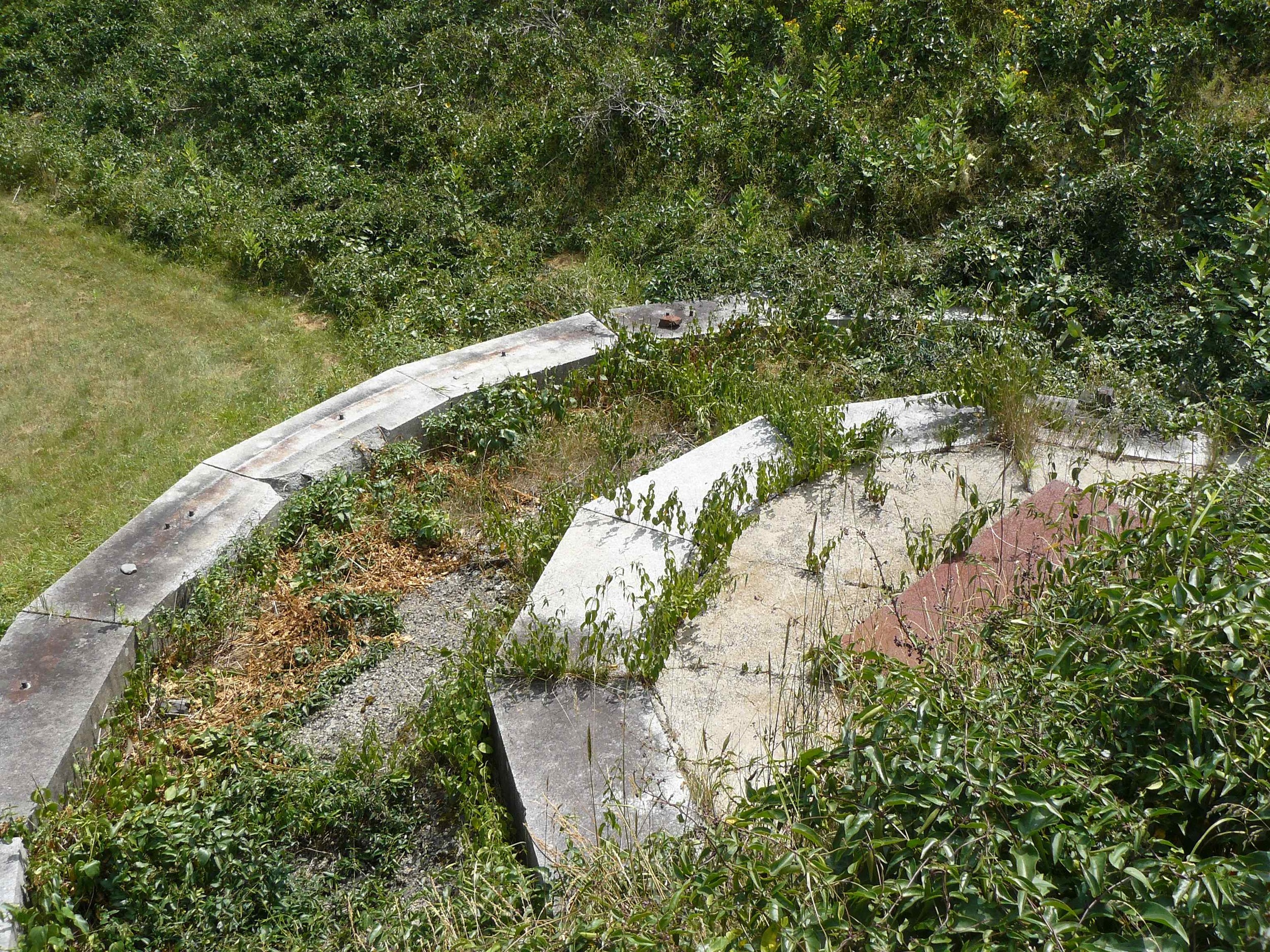
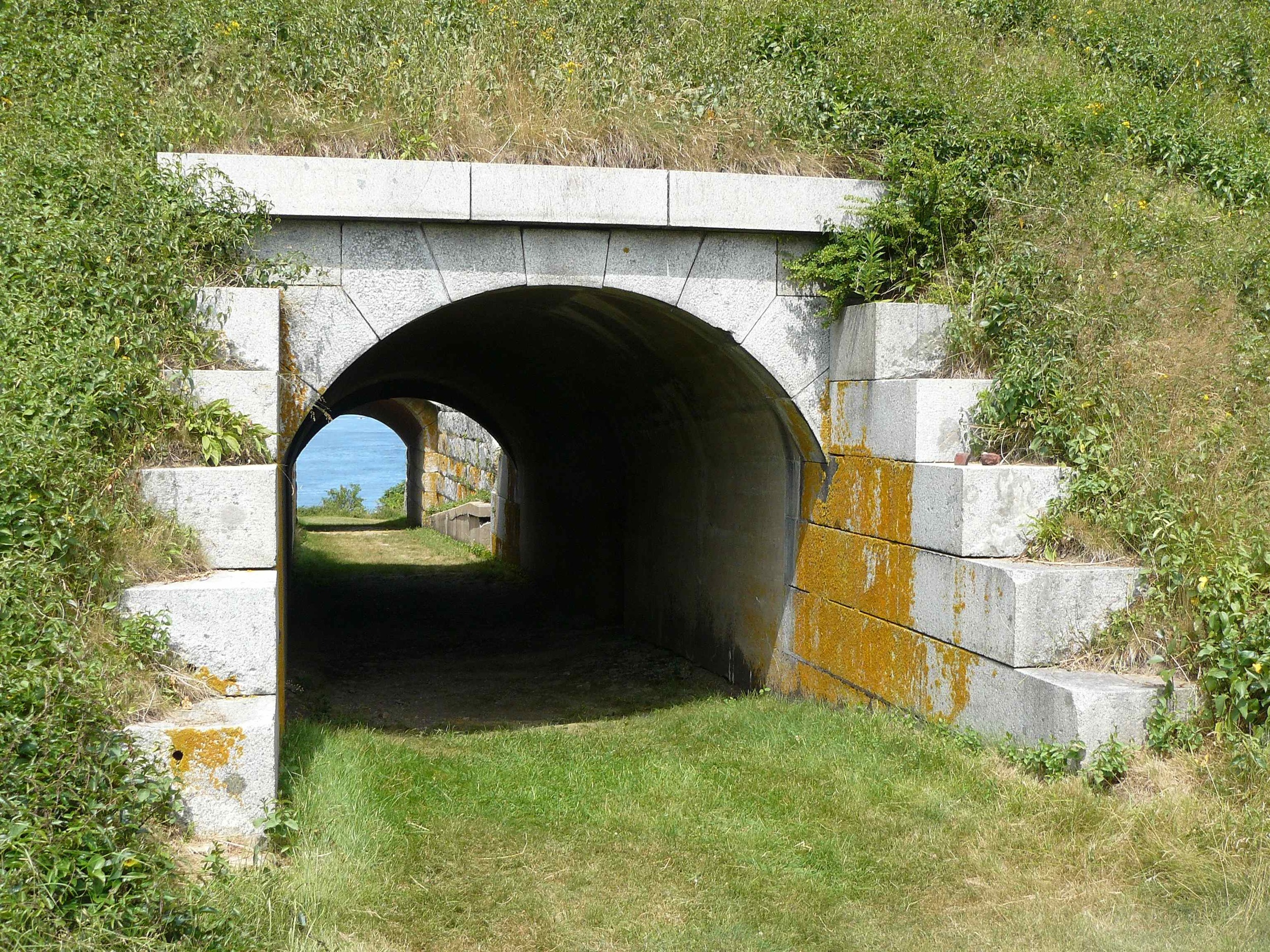
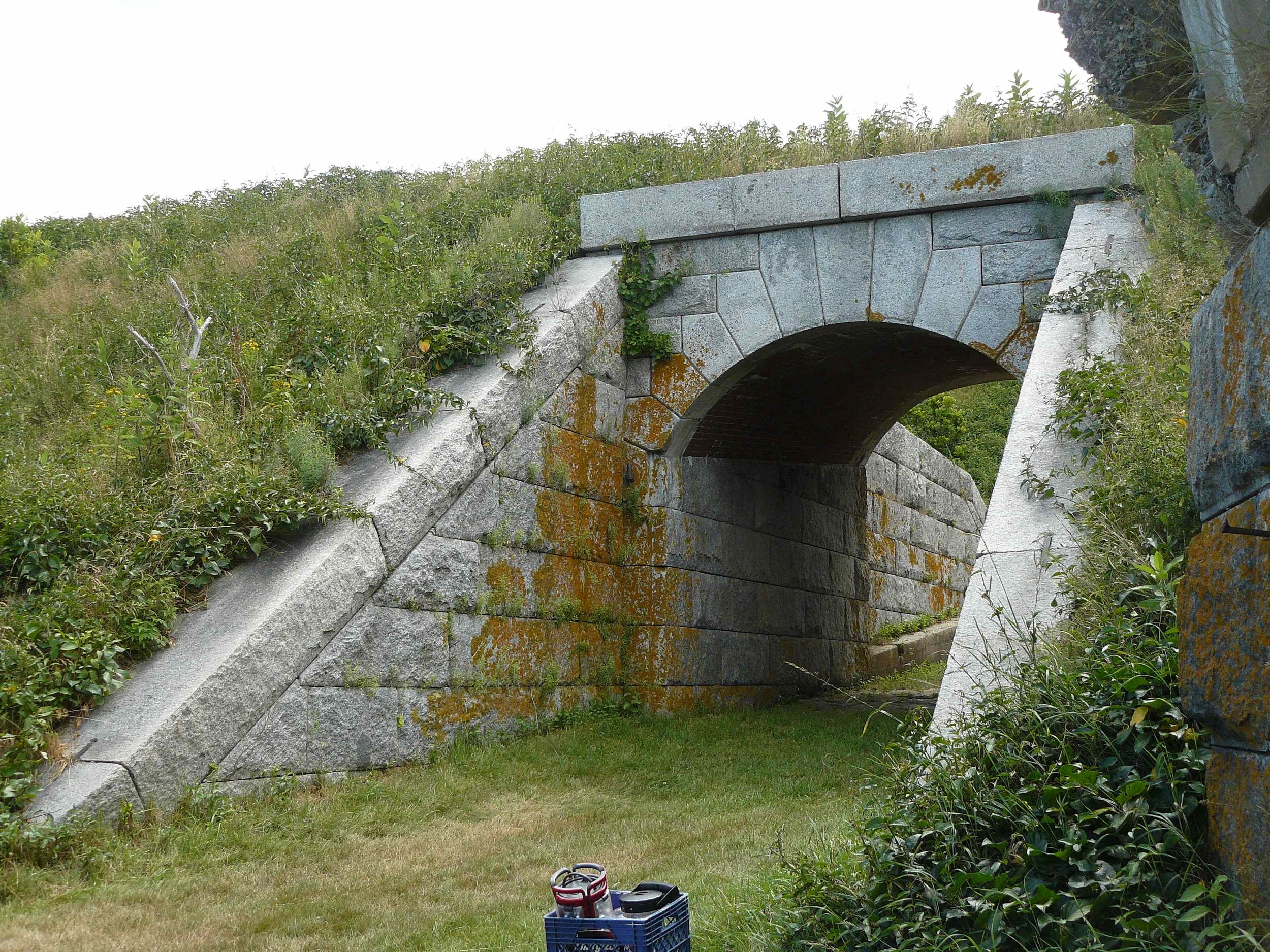
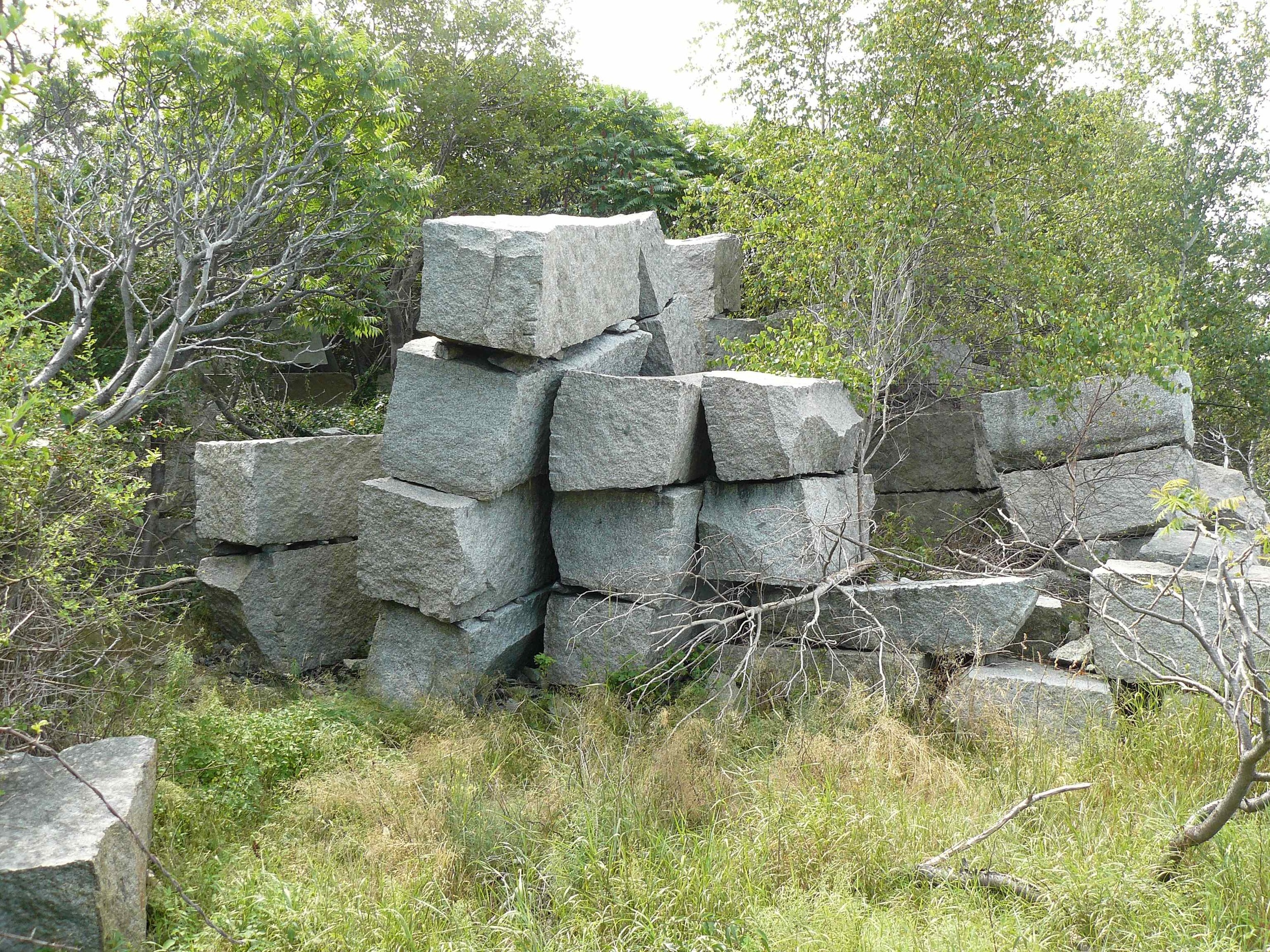
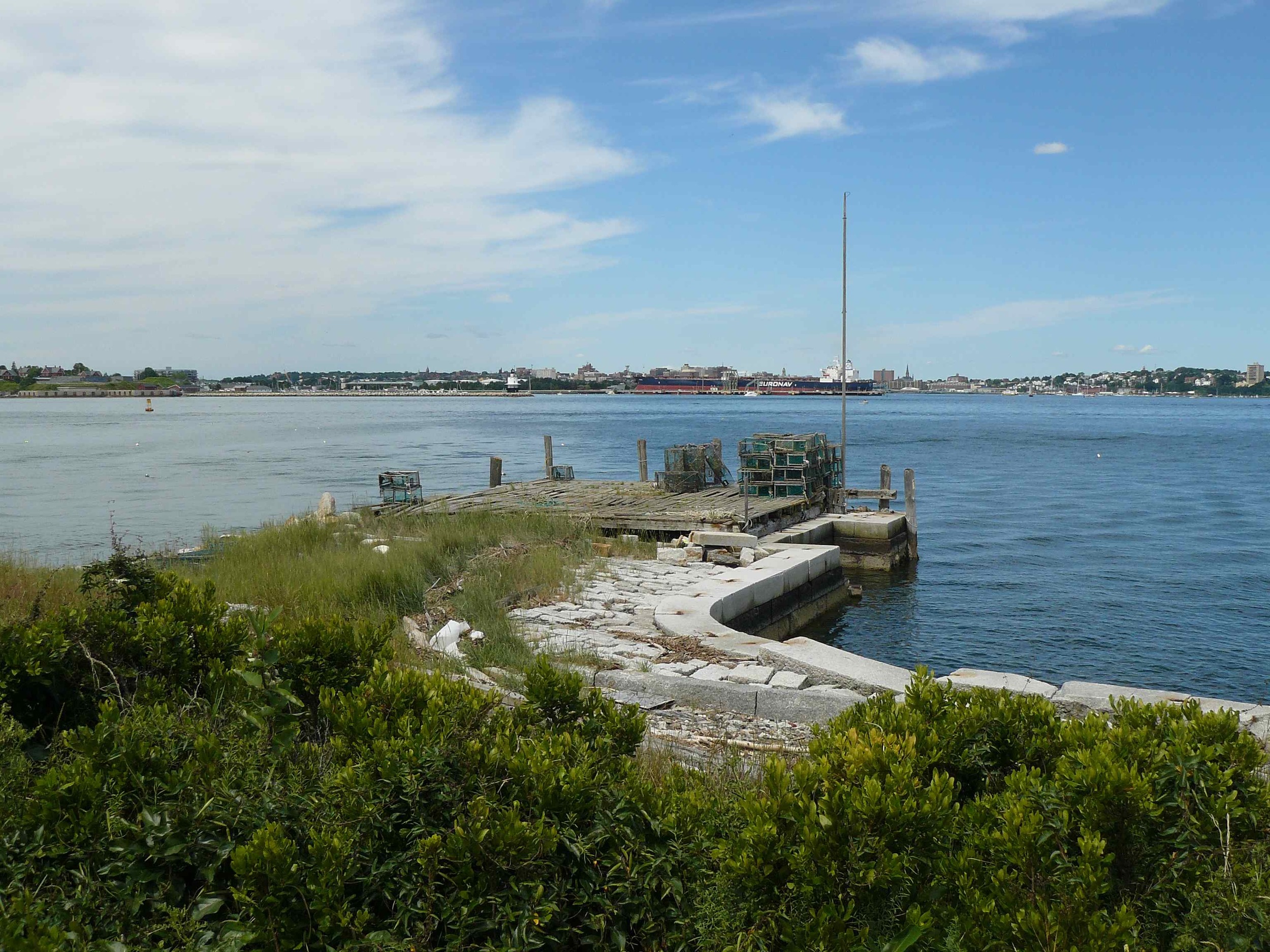
House Island is one of the most important historic landmark sites and cultural landscapes in the City of Portland. Its location at the center of the harbor, its significance in national and local history, and its importance to both the built and natural environment make it a top priority to preserve. House Island’s Fort Scammell protected Portland Harbor from the War of 1812 through the Civil War. Three residential-scale buildings on the northern half of House Island were known as “the Ellis Island of the North”, serving as a federal immigration quarantine station from 1907-1937.  A local family, who saved the fort from demolition, stewarded the island for nearly 60 years until it was listed for sale in 2012 without protective conservation or preservation easements for the island or buildings. 

Our Position

Named to our Places in Peril in 2012 the island and its historic resources were unprotected by local or federal historic designations. A local historic district provides a formal means to preserve the existing historic buildings, structures and landscape features. It does not prevent new development. Rather, it provides a means to review and manage change, including any new construction, to ensure that it is compatible and sensitive in design, scale and quality of materials to what is already there. Local historic district designation also provides long-term protection for the historic resources on the island, protections that transcend the ownership of the land. On January 5, 2015 the House Island was designated a local historic district by the Portland City Council.  

Read our public comments about the proposed campground on House Island for the 2/9/2021 Planning Board Meeting.

Press

Quick Links


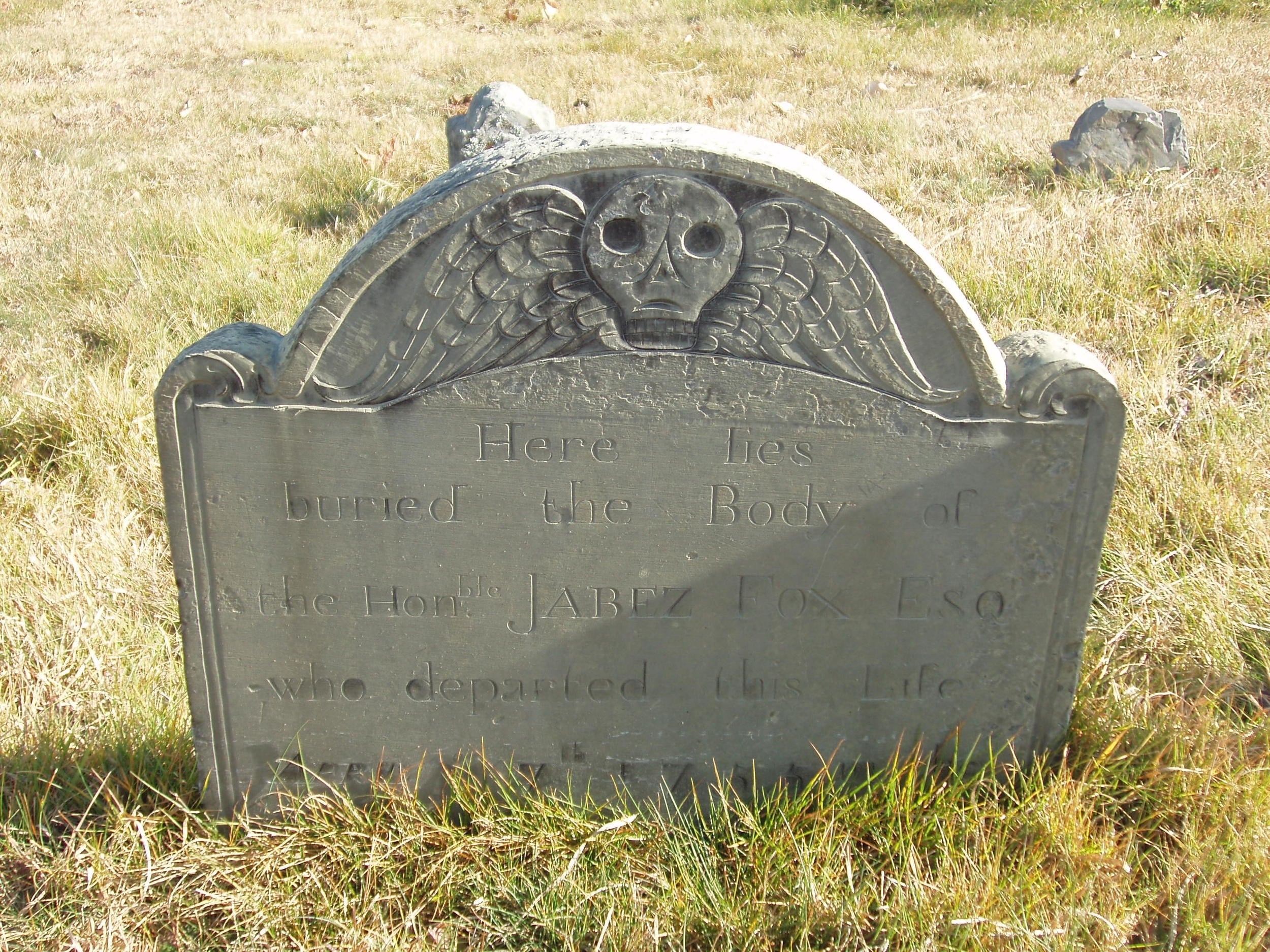
Eastern Cemetery 

Washington Ave & Congress Street, Portland  | Nominated to Places in Peril in 2012

UPDATE

February 2024: Since its founding in 2006, the all-volunteer nonprofit group Spirits Alive, has dedicated themselves to the protection of the Eastern Cemetery. Their enormous efforts have ended in many tangible, visible strides for the the long term preservation of the cemetery.

Some of the more recent projects include:
Commissioned a professional preservation Master Plan for Eastern Cemetery.
Conserved more than 500 grave markers. 
Documented every grave marker and inscription for posterity.
Funded and contracted for repair of large-scale monuments by professional gravestone conservators.

Planted trees and piloted an erosion mitigation project on the southeast slope. 
Funded the repair of the Congress Street fence pickets and gate.

Along with these important projects the group continues to advocate to the City for funding (resulting in the restoration of the Victorian tool shed AKA the Dead House), raised awareness of Eastern Cemetery's historic significance through seasonal daily tours and educational events, and furthered knowledge of the cemetery and its residents through published books and research papers.

The Issue

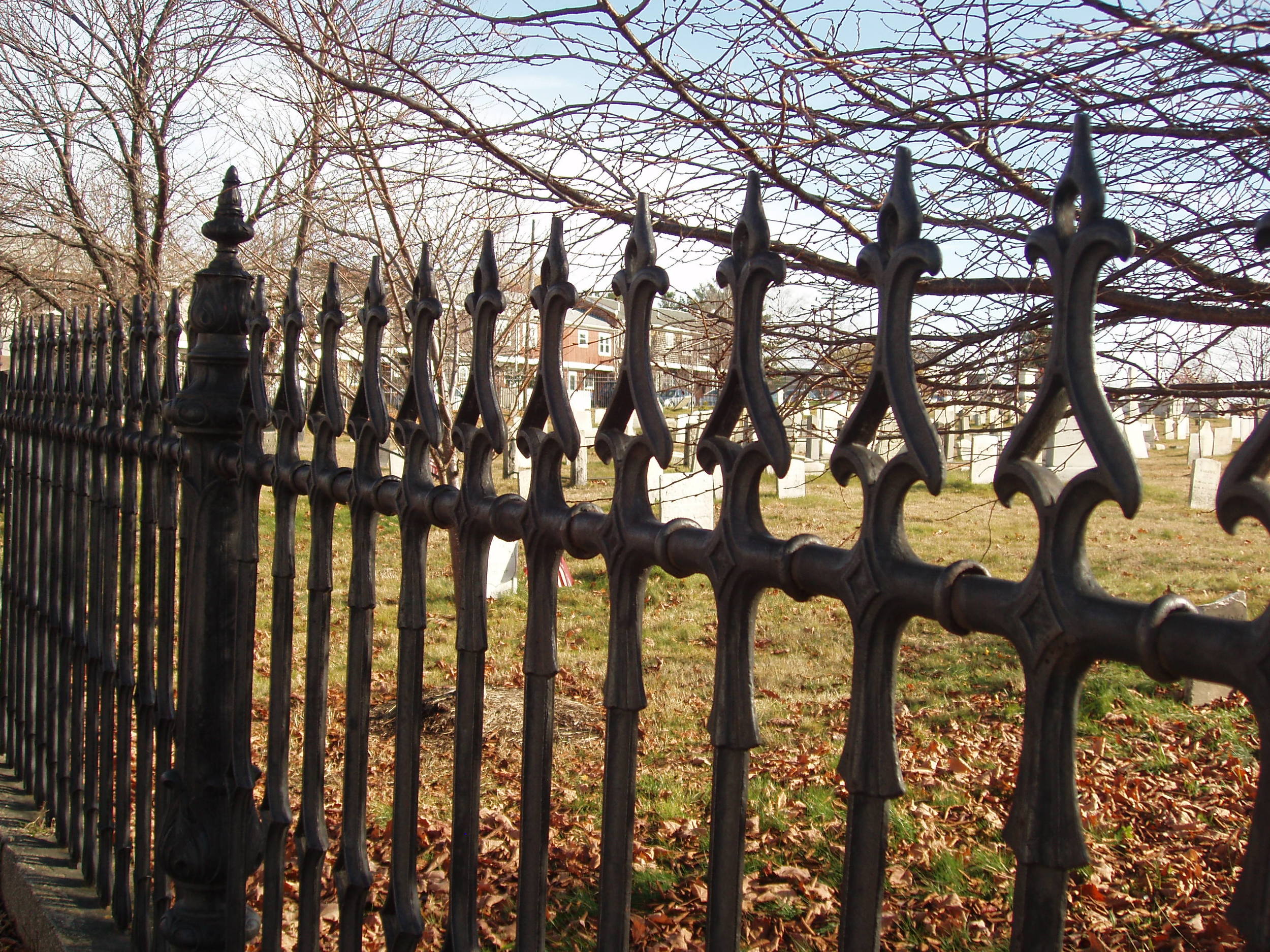
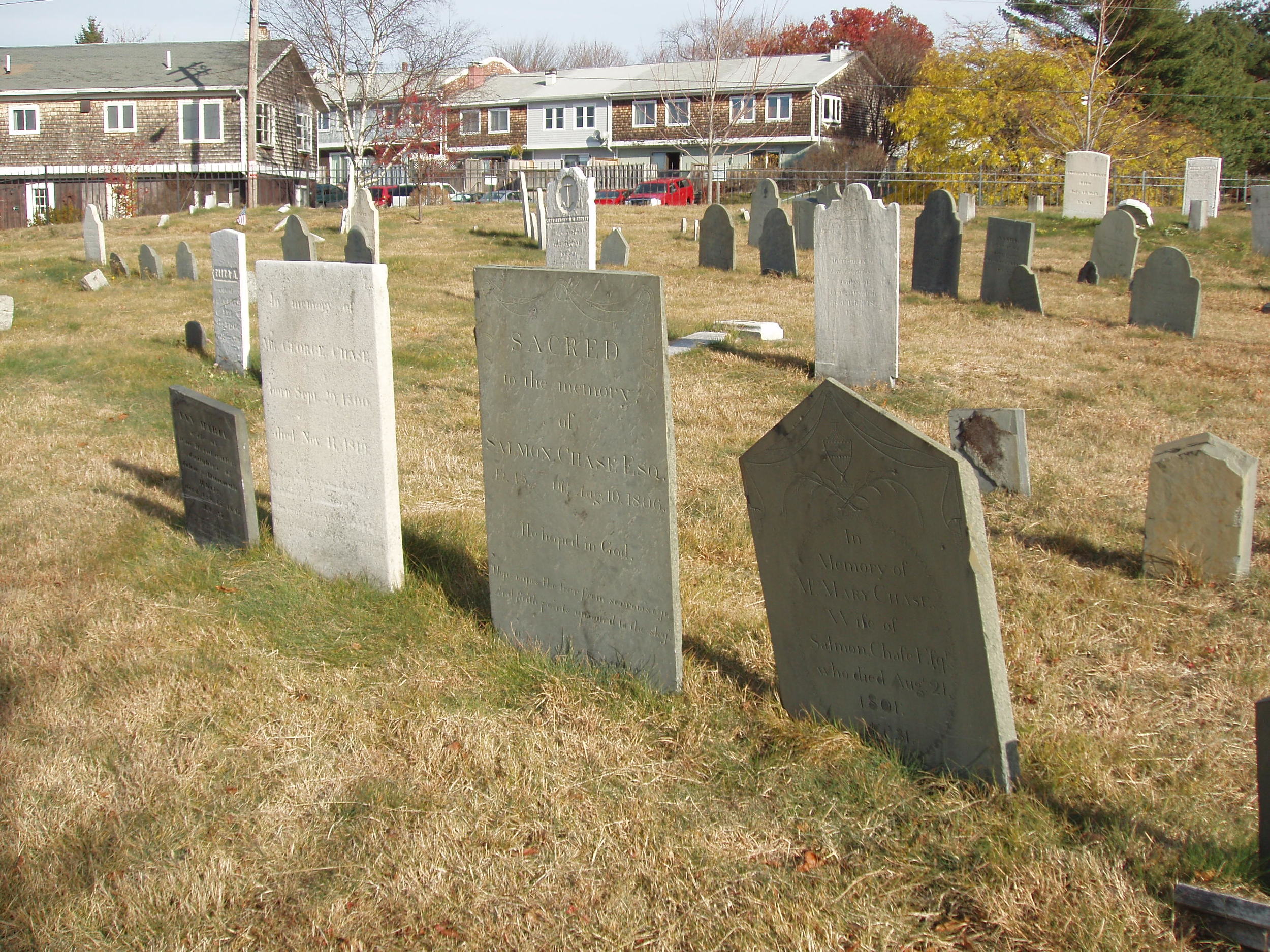
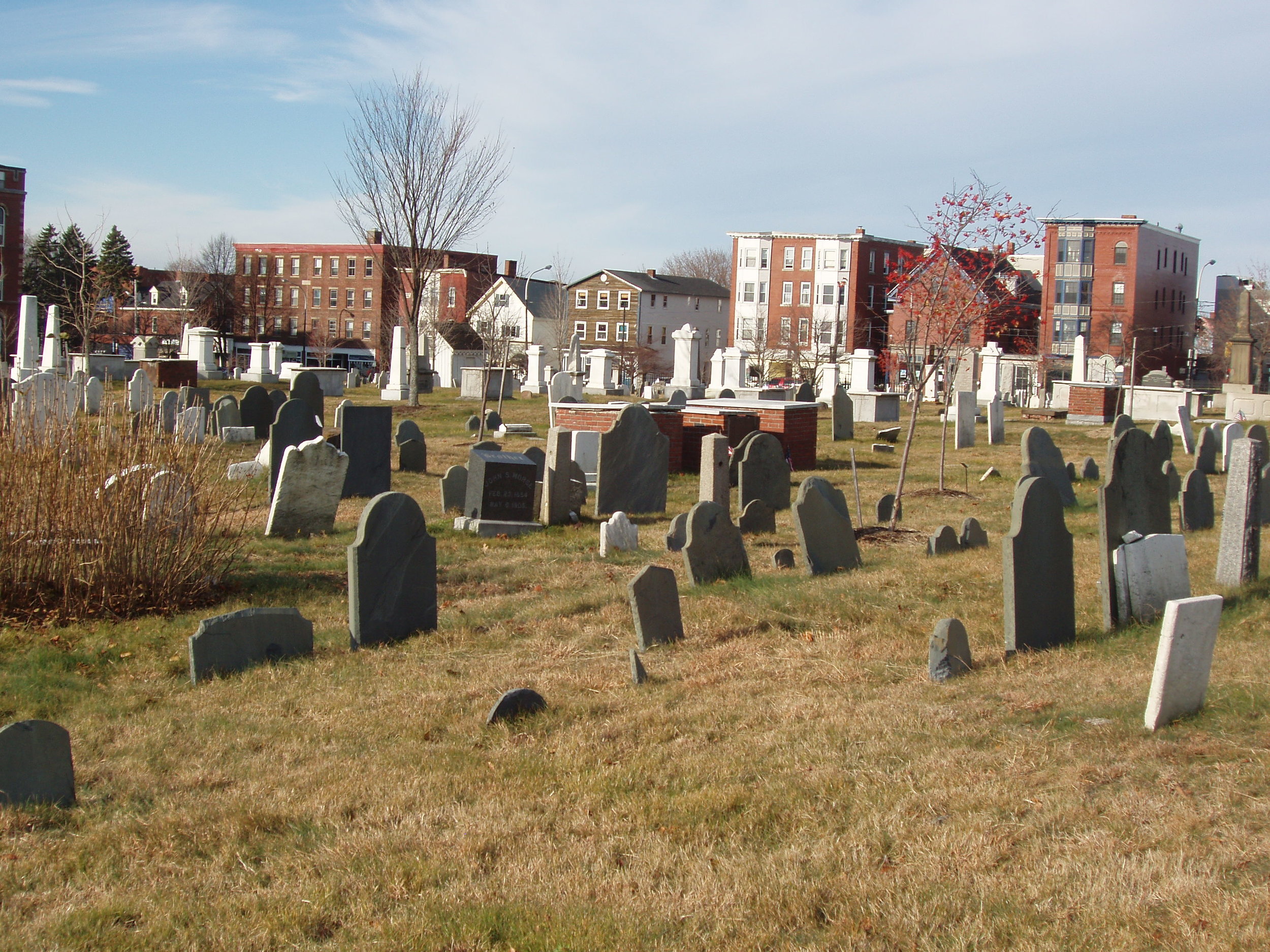
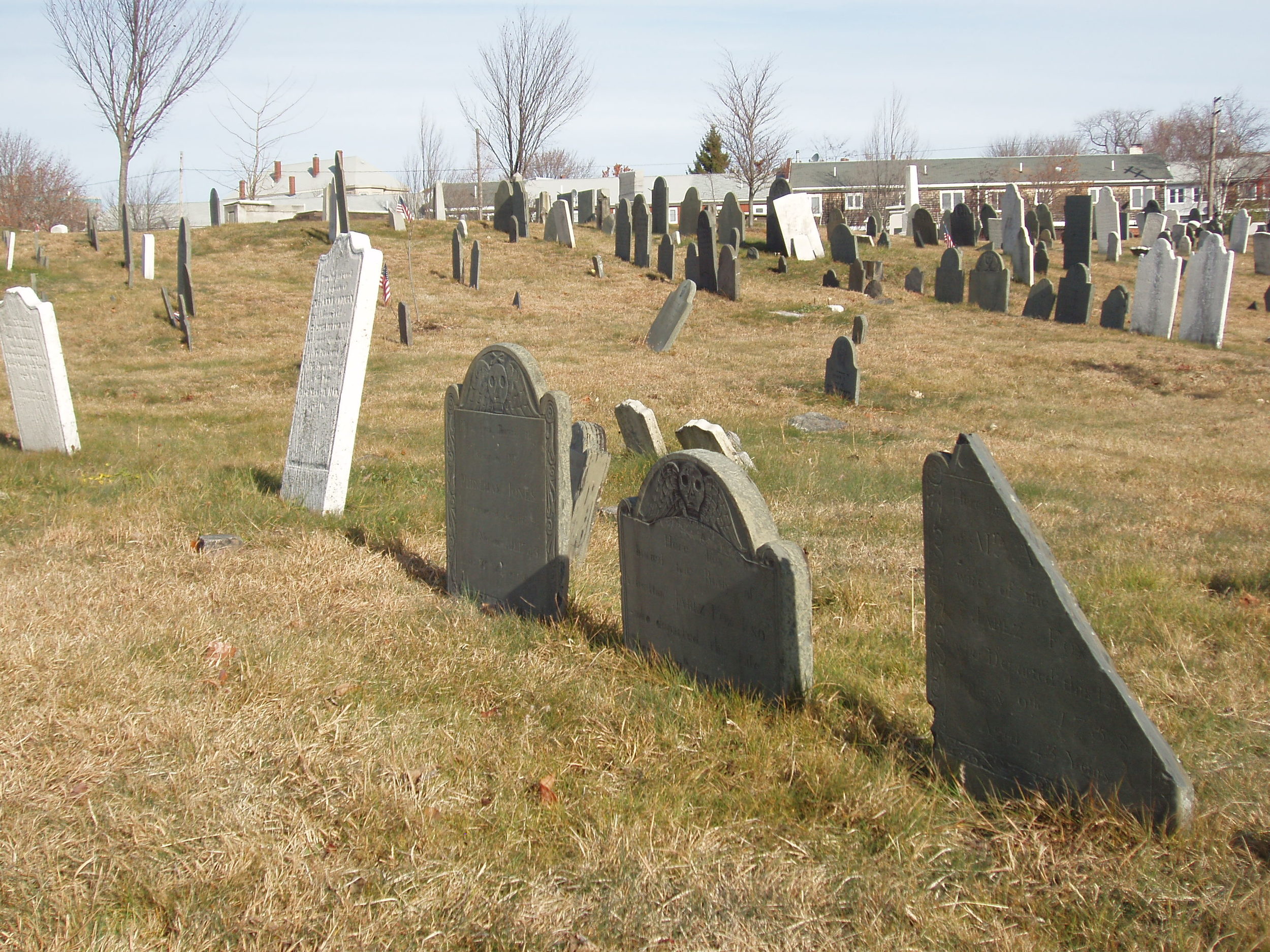
Eastern Cemetery has a well-documented history of deterioration, vandalism, lack of investment, and neglect. Above all, time and weather have not been kind to Eastern Cemetery: stones have toppled over, broken, and sunk into the ground. Photographs from the 1960s and '70s disclose that scores of stones have been lost. Others are badly in need of conservation. Numerous family tombs require repair against the threat of collapse. Litter constantly blows in the Cemetery from Congress Street through the wrought iron fence, and the fence itself needs major repairs and painting. Vandals have inflicted serious damage and groups of people regularly congregate in the cemetery, leaving behind their trash. The City's austere budgets mean the Eastern Cemetery will continue to suffer from lack of funds.

Eastern Cemetery is a municipally-owned historic cultural landscape that needs considerable investment in conservation and maintenance to survive.

Our Position

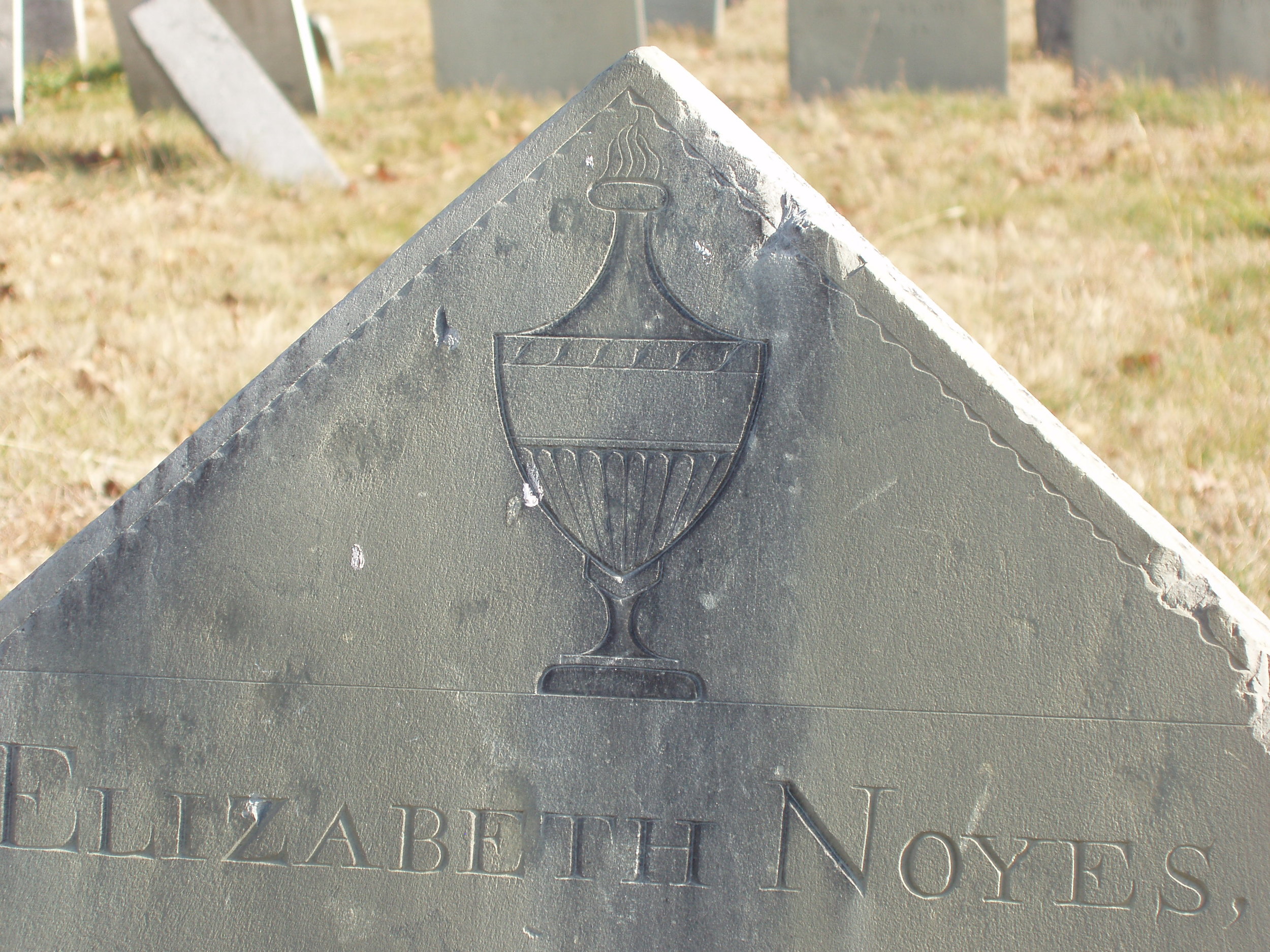
Opened in 1668, Eastern Cemetery is Portland's oldest public burial ground and is a vital link to the City's early English settlement. The 6.8 acre site overlooks the town's original location and the remains of Portland's early leaders and Revolutionary soldiers repose there. The Cemetery shelters the graves of Captain Lemuel Moody, who built the Portland Observatory, as well as the captains of the Boxer and Enterprise, who lost their lives in a nearby sea battle during the War of 1812. The physical distribution of grave sites at Eastern suggests the social stratification in early Portland: Anglo-American residents, African Americans, the poor, and impoverished outsiders are all clustered in different locations. Eastern Cemetery's rolling topography is typical of colonial cemeteries. The Cemetery's gravestones include symbols and inscriptions that suggest changing attitudes toward death across three generations, while representing an important art form in their own right.

In 2006, concerned citizens formed Spirits Alive! at Eastern Cemetery, a friends group dedicated to the preservation, stewardship, and improvement of the Cemetery. Landmarks continues to support the advocacy and fundraising efforts of Spirits Alive! and encourages the City to fund and implement recommendations in the approved master plan. Greater Portland Landmarks has developed lesson plans on burial practices and the history of the cemetery as part of our City is a Classroom program and offers tours of the cemetery in conjunction with our school tours at the Portland Observatory.

Press

Quick Links

What You Can Do

  • Support Landmark's advocacy and educational efforts

  • Learn more about the efforts of Spirits Alive! at Eastern Cemetery to preserve the cemetery

  • Volunteer with Spirits Alive! or attend one of the organization's events

  • Urge City leaders to support city and community investment in preserving the cemetery and implementing its Master Plan

  • Subscribe to our mailing list to stay updated on advocacy efforts, educational programs, and upcoming events.


73 Newbury Street - Abyssinian Meeting House 

73 Newbury Street, Portland  |  Nominated to Places in Peril in 2012

To learn more about ongoing restoration efforts, please visit the

Committee to Restore the Abyssinian Meeting House.

The Issue

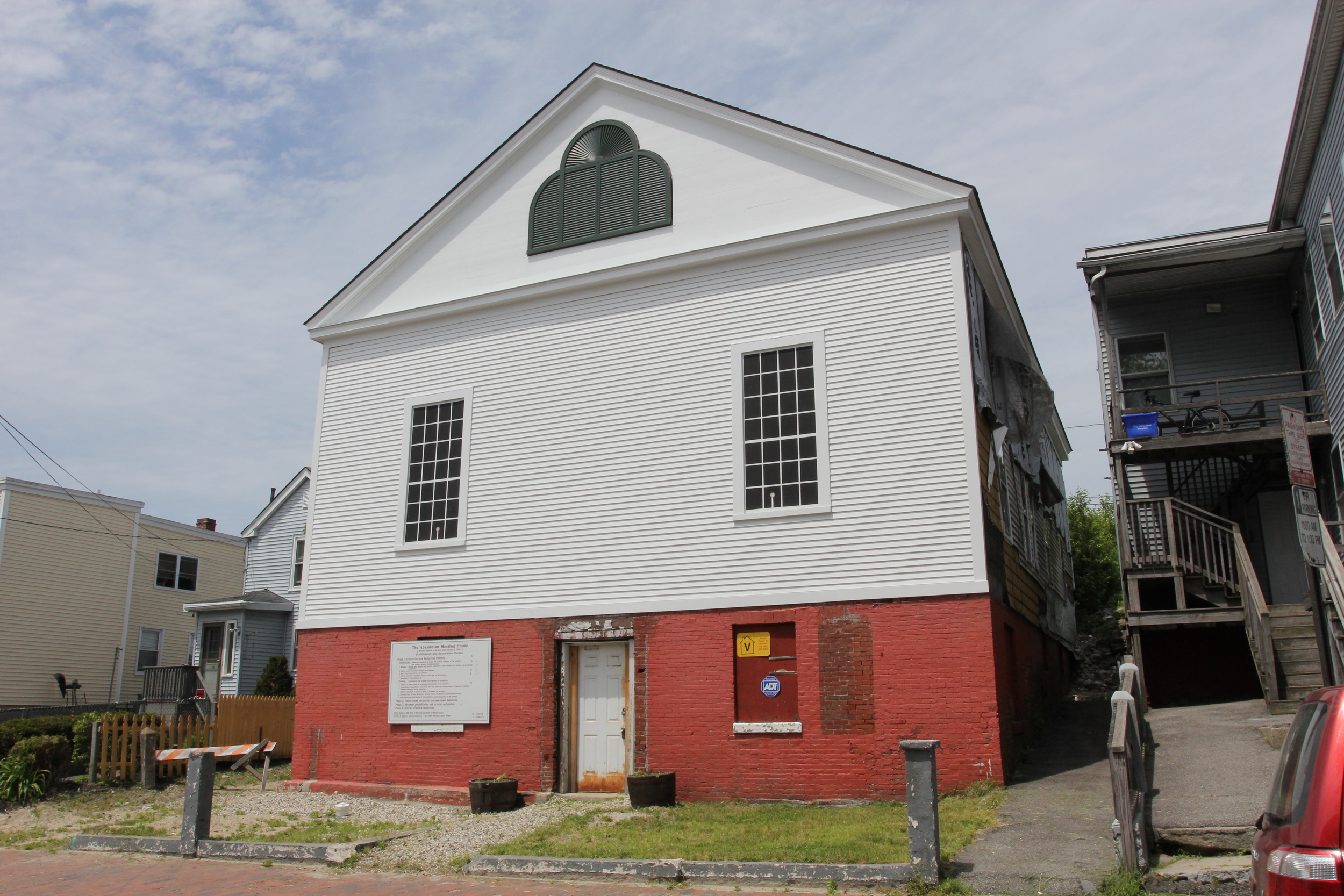
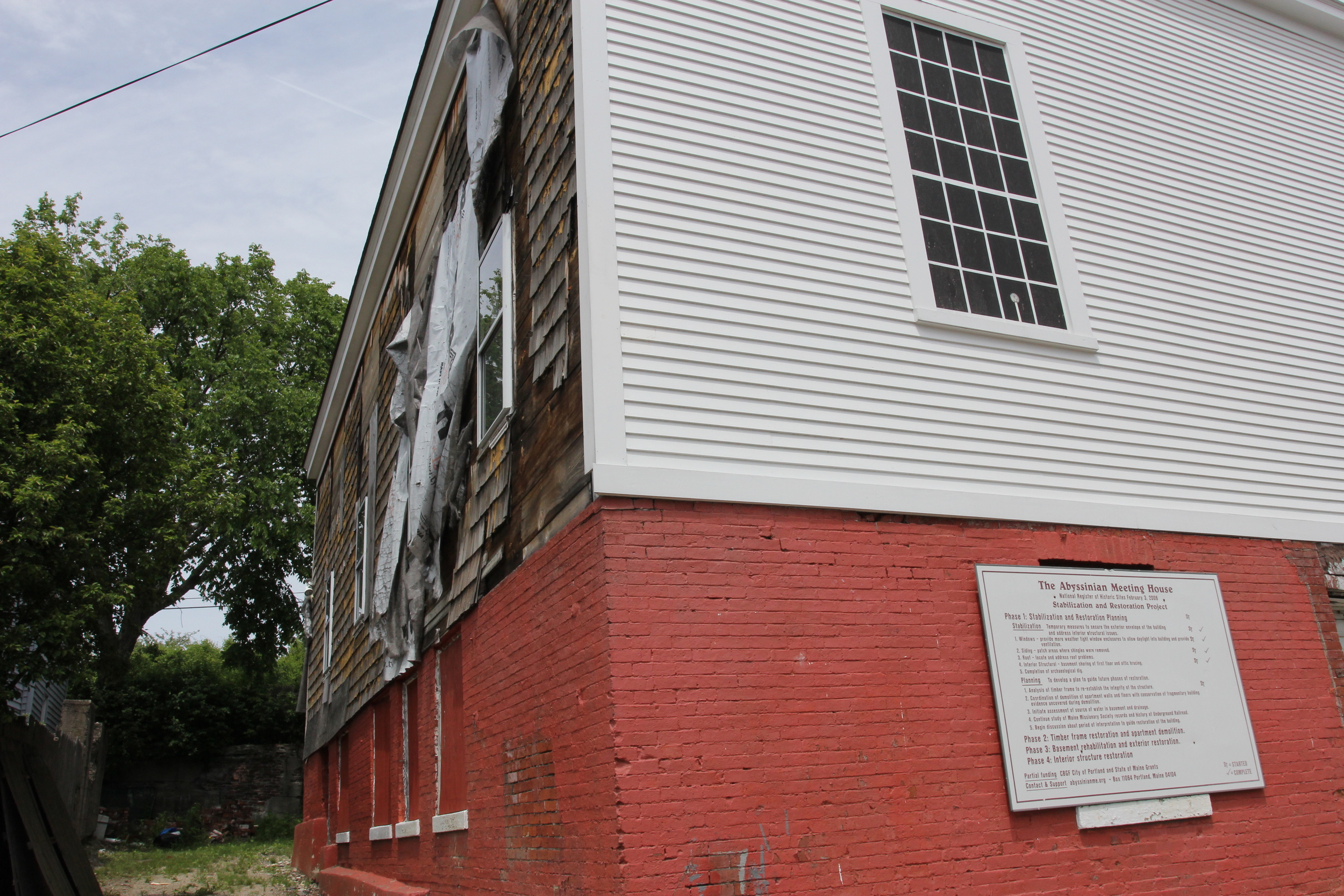
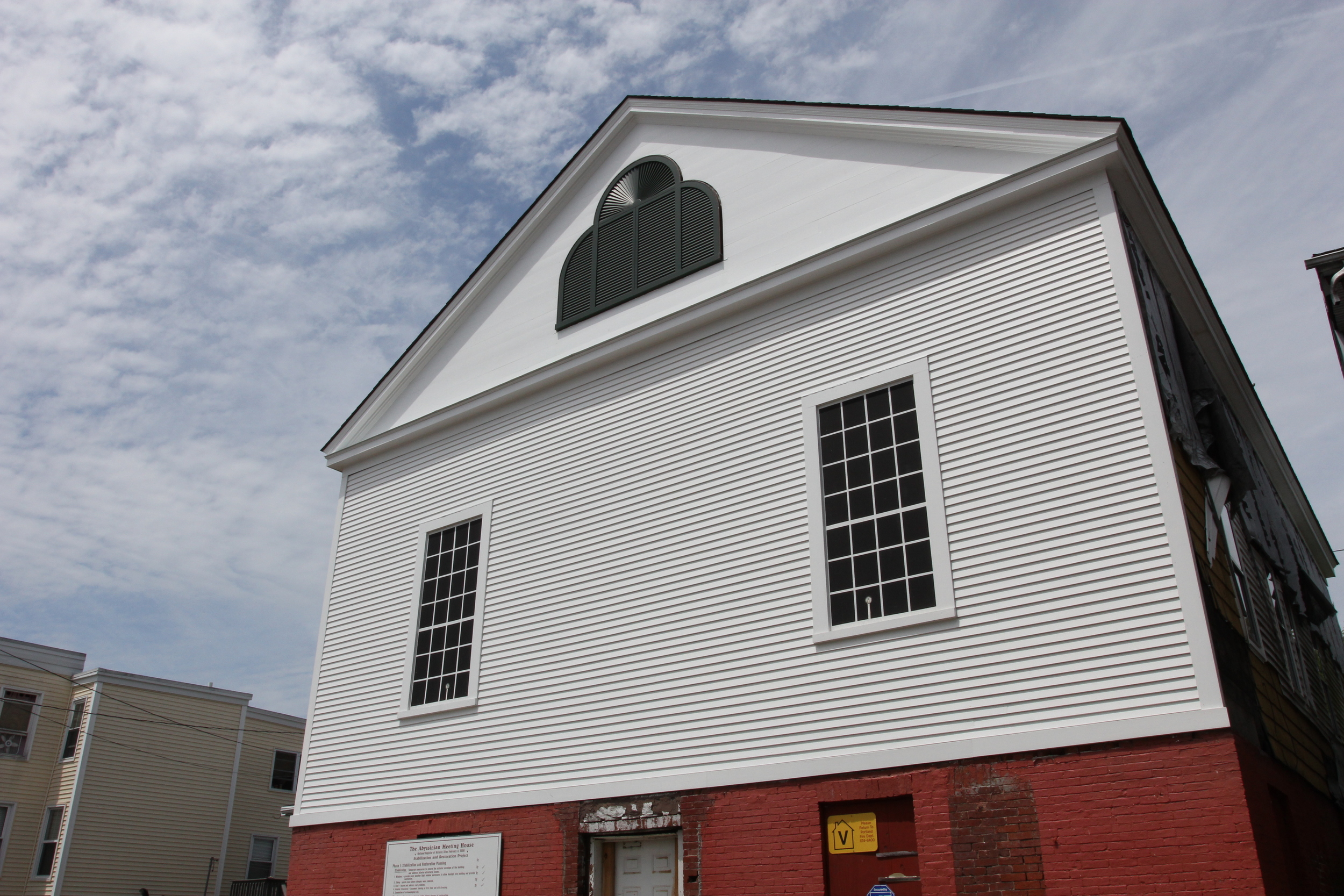
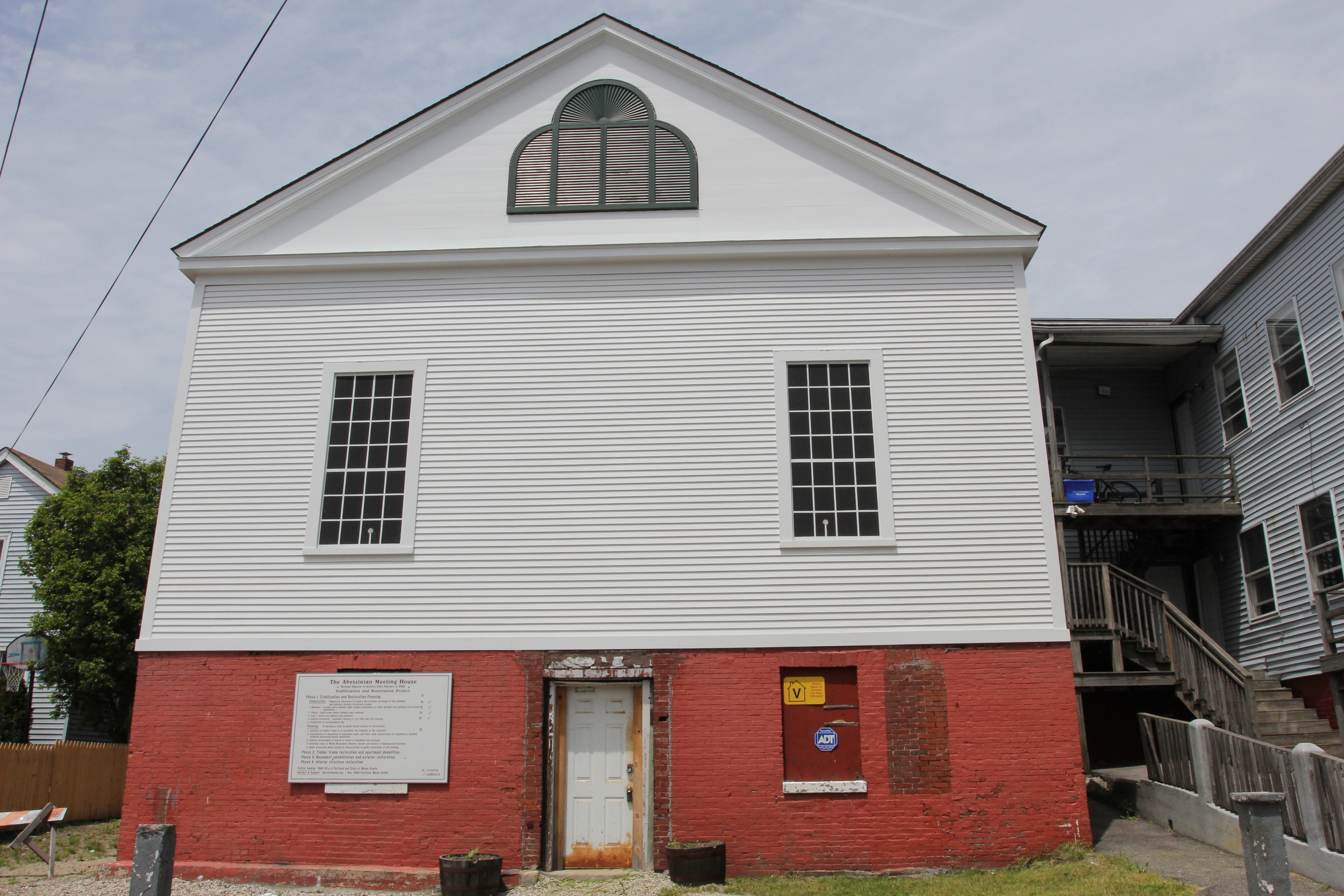
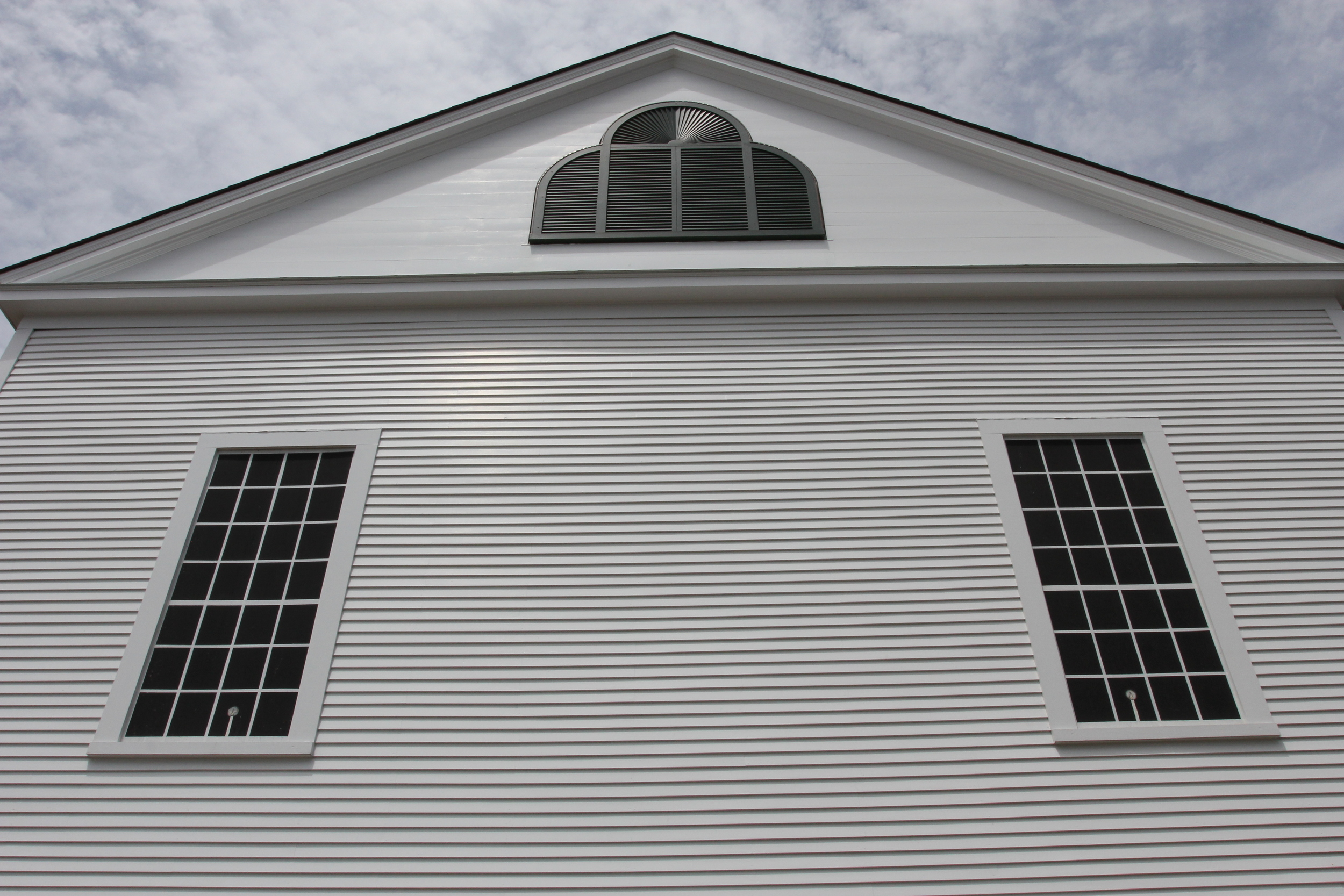
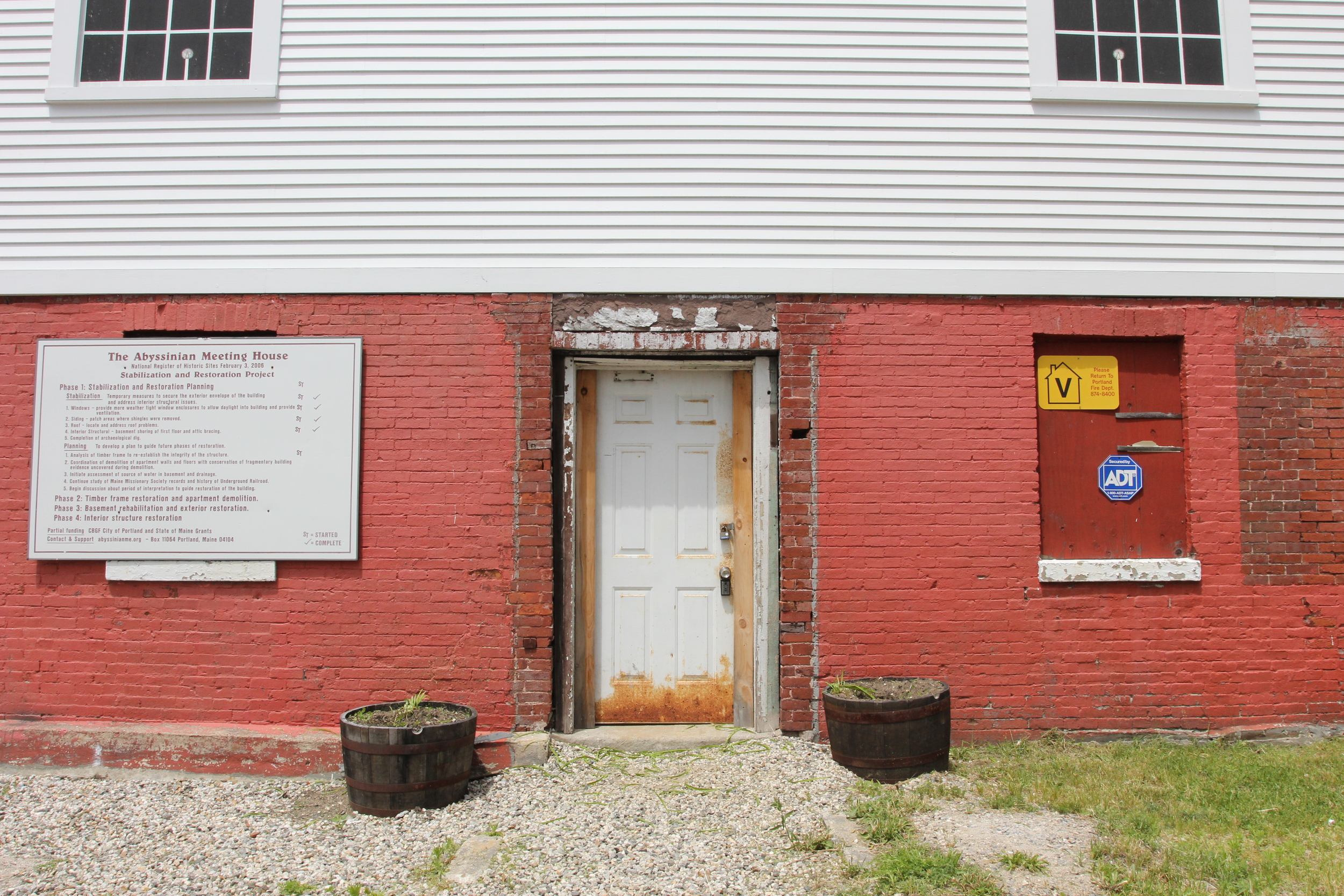
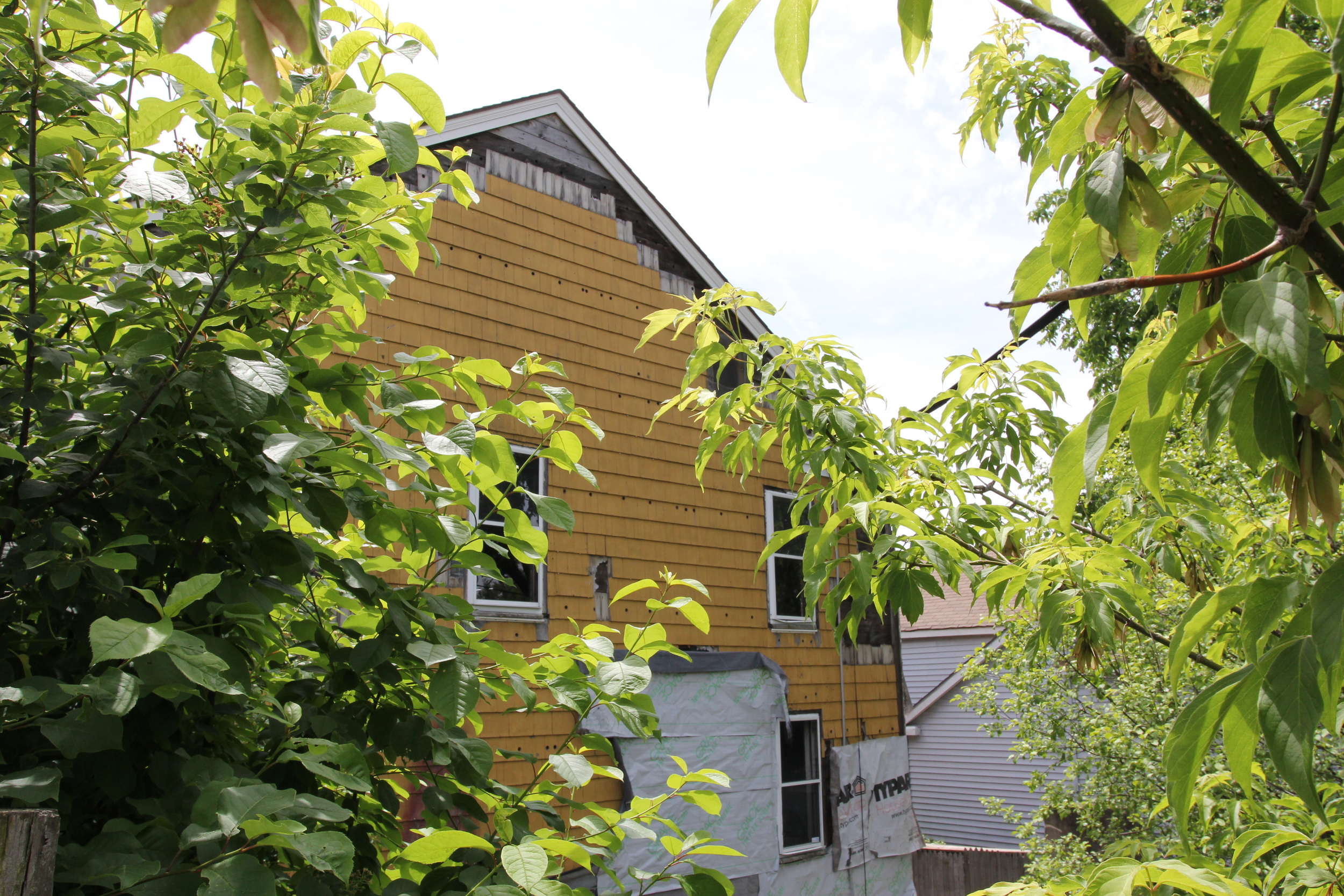
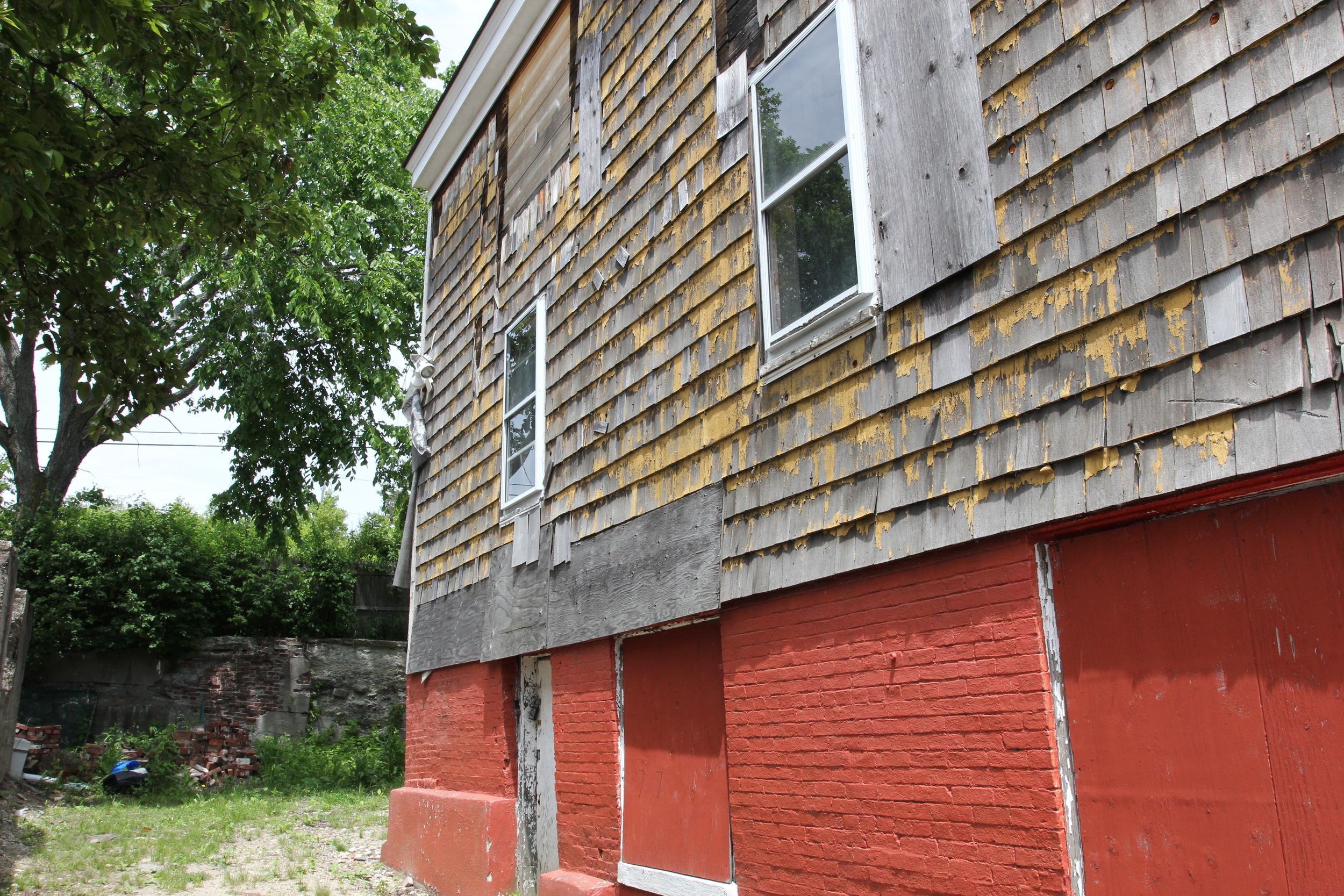
Built in 1828 as a house of worship, the Abyssinian Meeting House at 73 Newbury Street is the third oldest standing African American meeting house in the United States, and is of local, state and national historic significance. The Abyssinian became the center of social and political life for Portland’s African American community throughout the 19th century. The building served as a church and a segregated public school, as well as a hall for concerts, dinners and entertainment. Its members and preachers included former enslaved people, leaders of the Underground Railroad movement, and outspoken advocates for the abolition of slavery in the United States. The Meeting House was closed in 1917, converted to tenement apartments in 1924, and finally, abandoned and taken over by the City of Portland for back taxes. In 1998, the Committee to Restore the Abyssinian bought the property and began restoration.
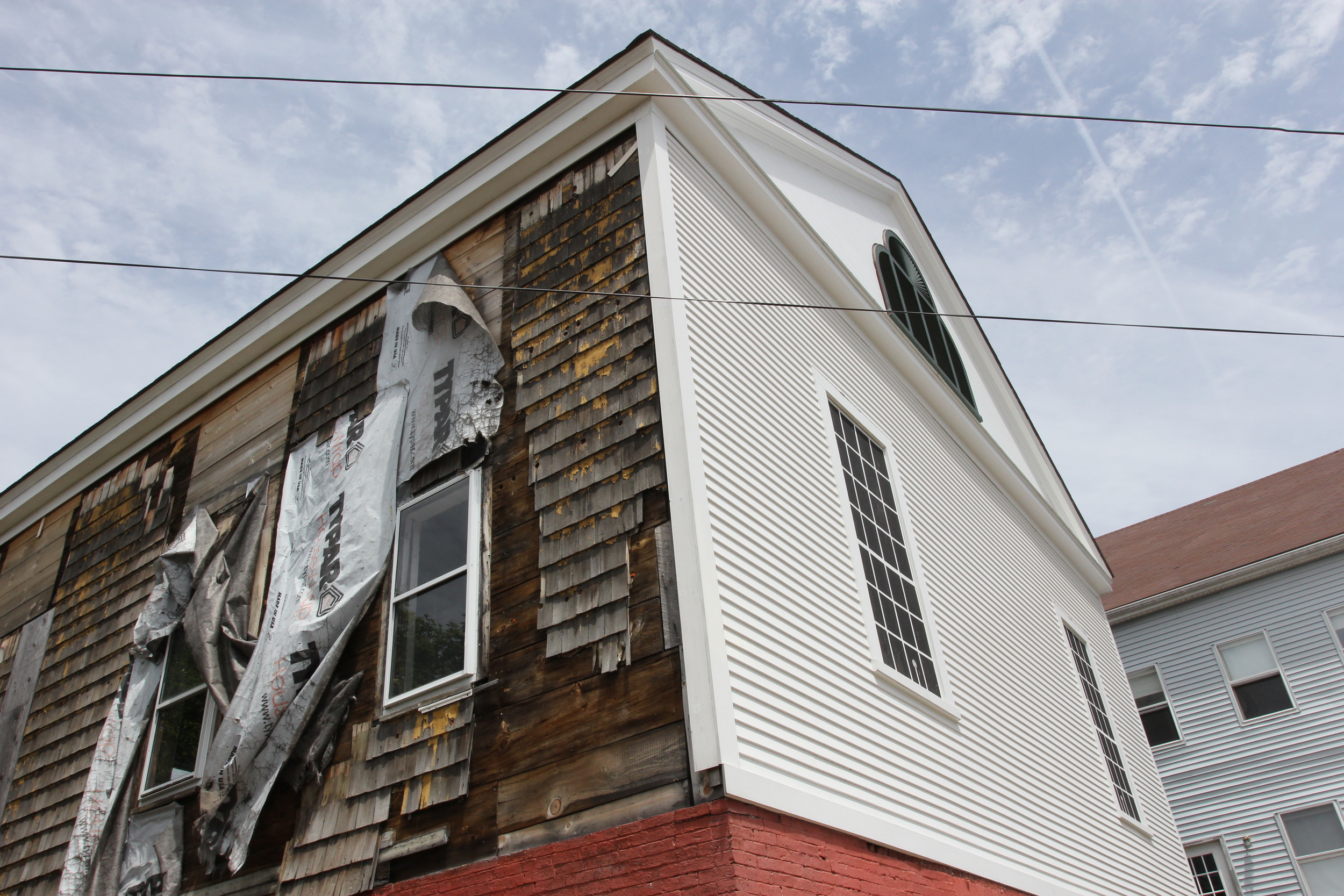
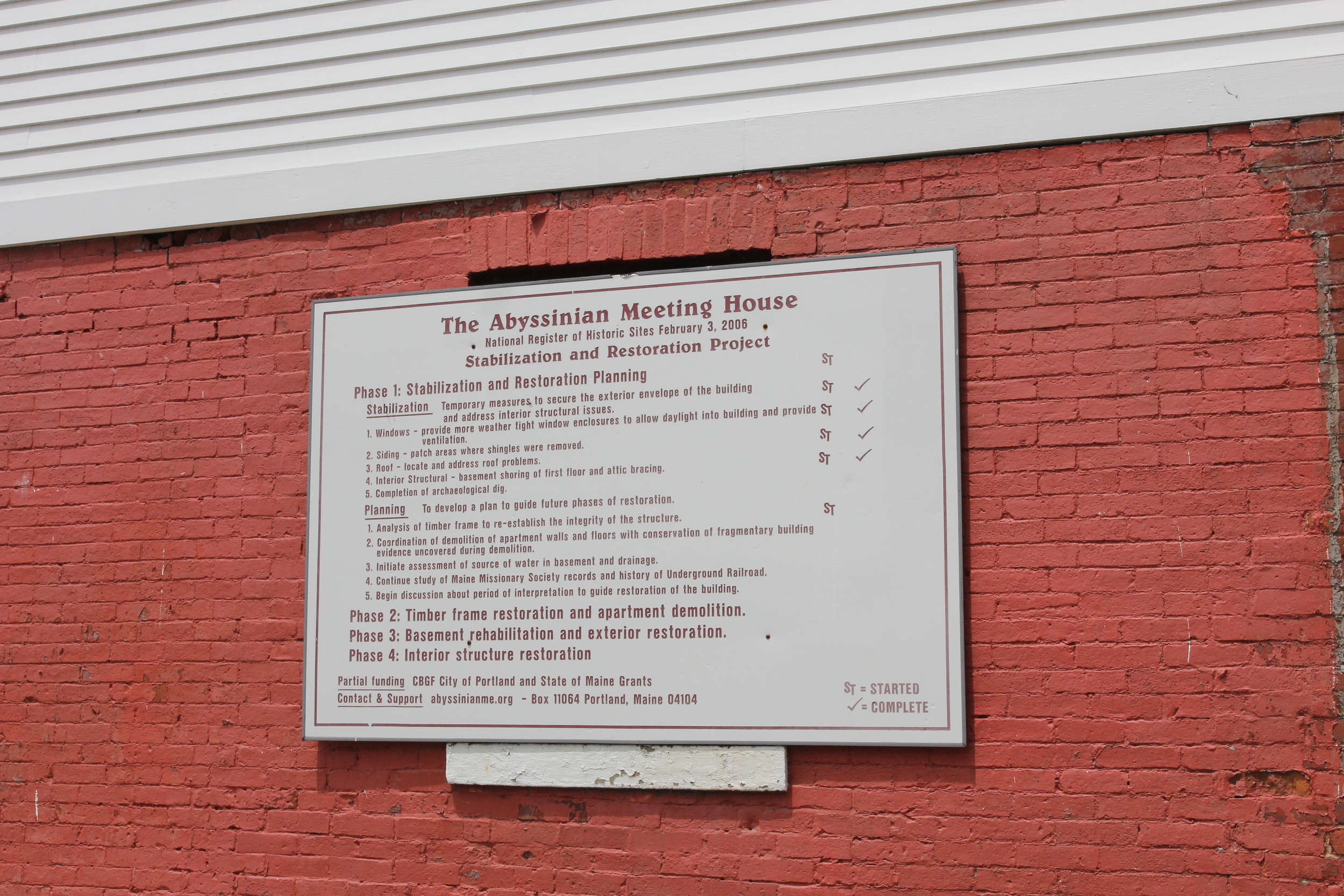
The property is currently undergoing an extensive renovation to preserve the original character and intention of the building for community use. A committed community group has spearheaded the restoration. Although enormous progress has been made including the removal of the remains of the tenement apartments and reconstruction of the façade, progress has been slow because of the significant cost of the restoration work. An estimate of at least $1 million in additional funding is needed to complete the renovation. Without further investment, the project cannot be completed, and the building will only be publicly accessible on a limited basis.

Our Position

The Abyssinian Meeting House is a hidden gem in Portland. It is a designated city landmark and listed in the National Register of Historic Places. It was recognized by the National Park Service’s National Underground Railroad Network to Freedom as the first site listed in Maine. The site could serve as an educational resource to aid in the discovery and celebration of Portland’s and America’s African American history under a plan for future public programming once the restoration is complete.

The Abyssinian Meeting House can benefit from increased awareness to facilitate the fundraising needed to complete the restoration and ultimately provide public access to the building. Nominated by Greater Portland Landmarks, the Abyssinian Meetinghouse was named to National Trust’s Top Endangered List in 2013. The national designation from the National Trust for Historic Preservation boosted the understanding of the significance of the site and the state of its fragility.
Landmarks continues to work with the Committee to Restore the Abyssinian to connect them with national and other potential sources of funding.

Press

Quick Links

What You Can Do

  • Attend an event and support the restoration of this important building.

  • Follow the Portland Freedom Trail and visit the Abyssinian Meeting House.

  • Join our mailing list to learn about our advocacy efforts, educational programs, and upcoming events.

  • Support Landmarks' advocacy efforts and our Places in Peril program by becoming a member or making a donation today.

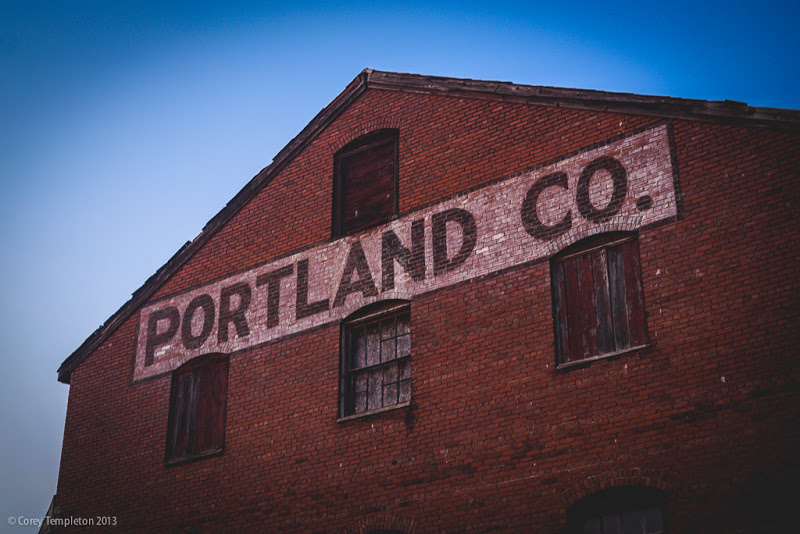
The Portland Company Complex
58 Fore Street, Portland   |   Nominated to Places in Peril in 2012
The Issue 

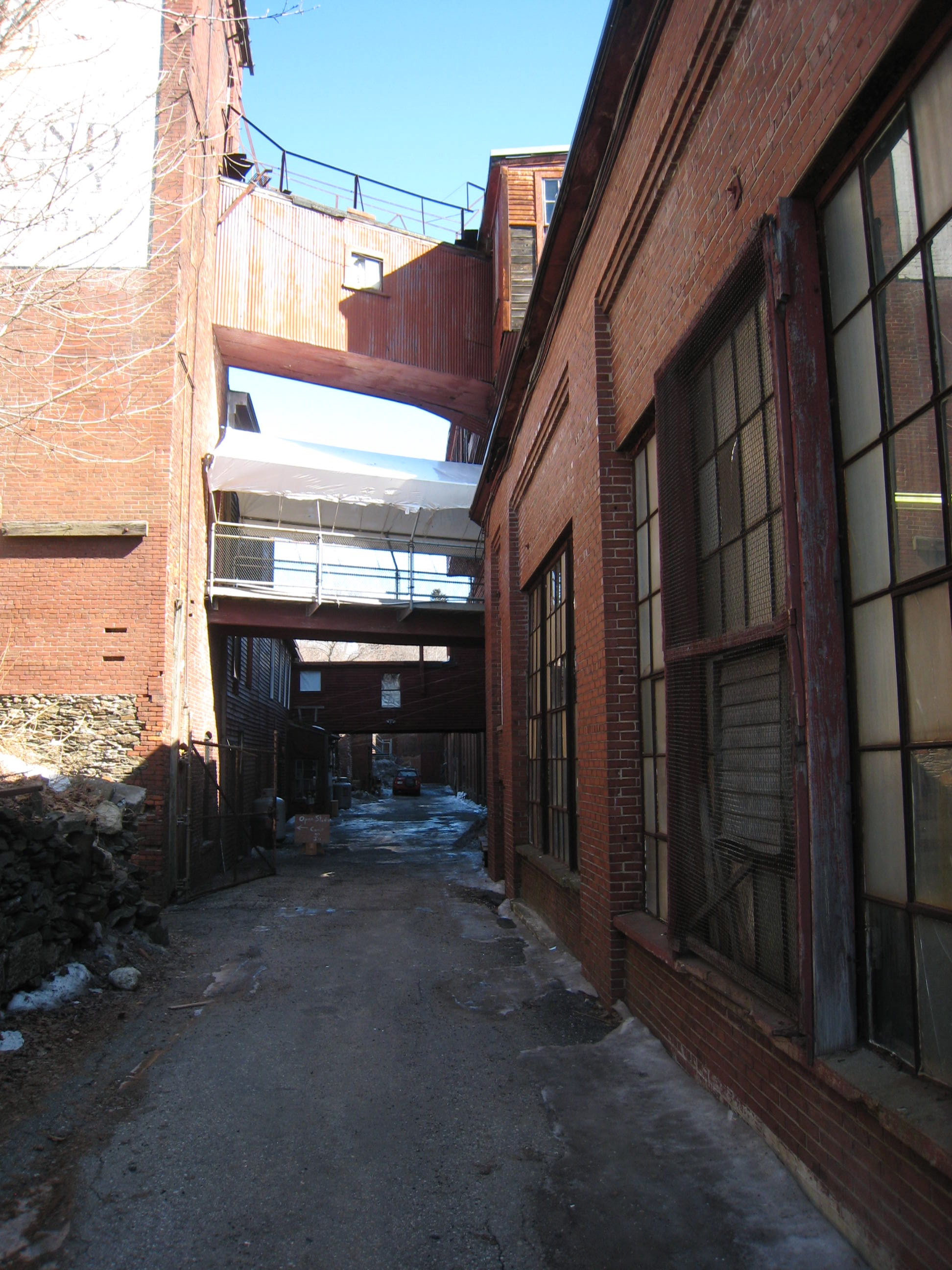
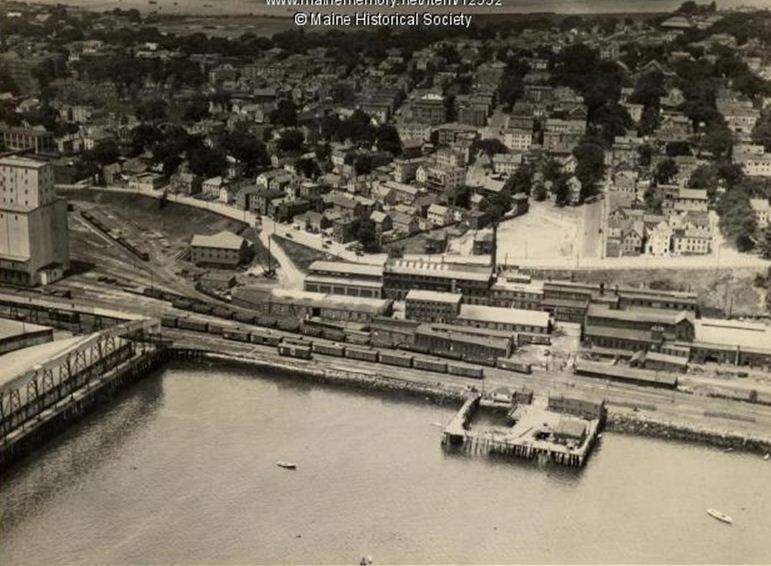
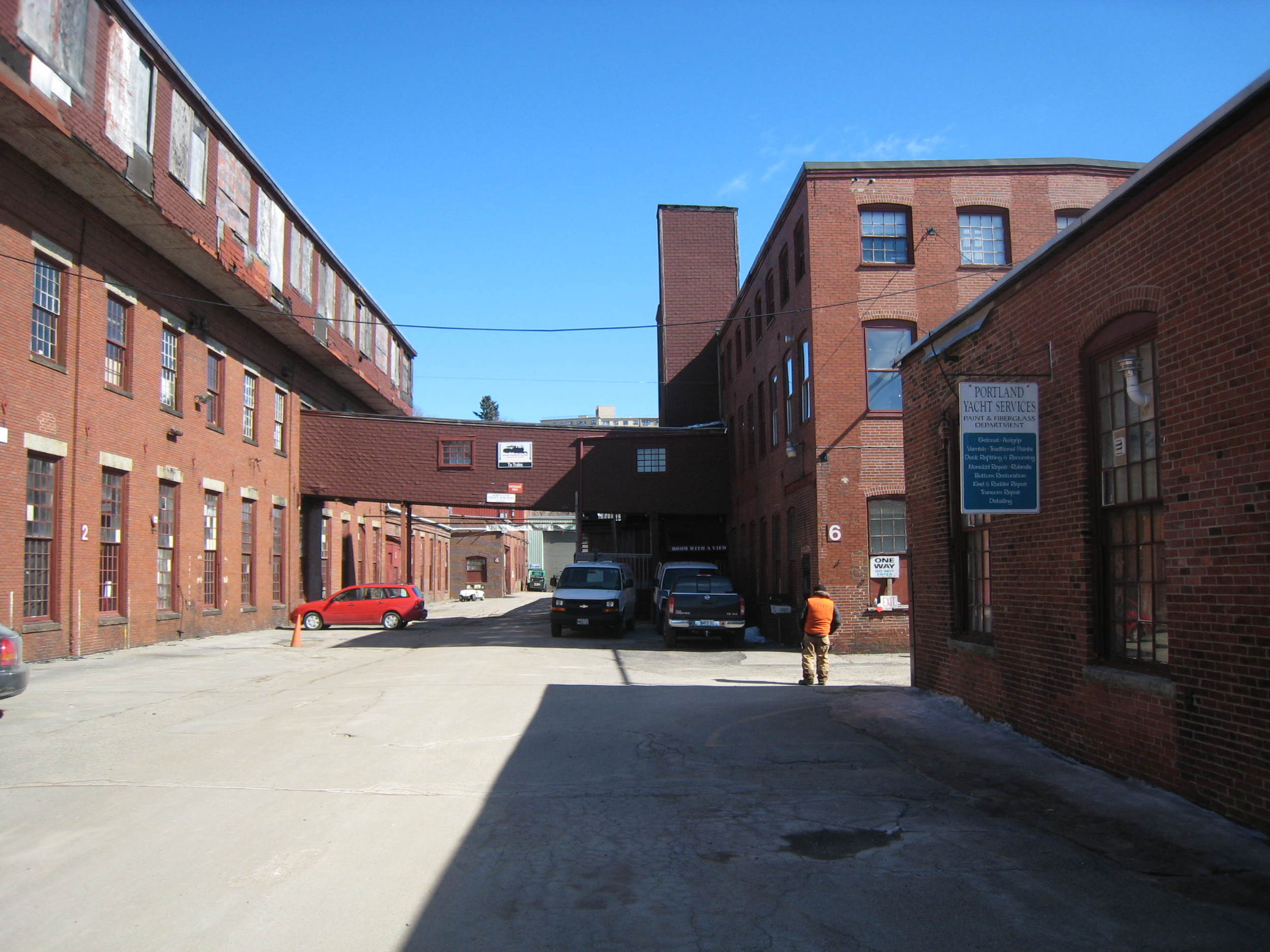
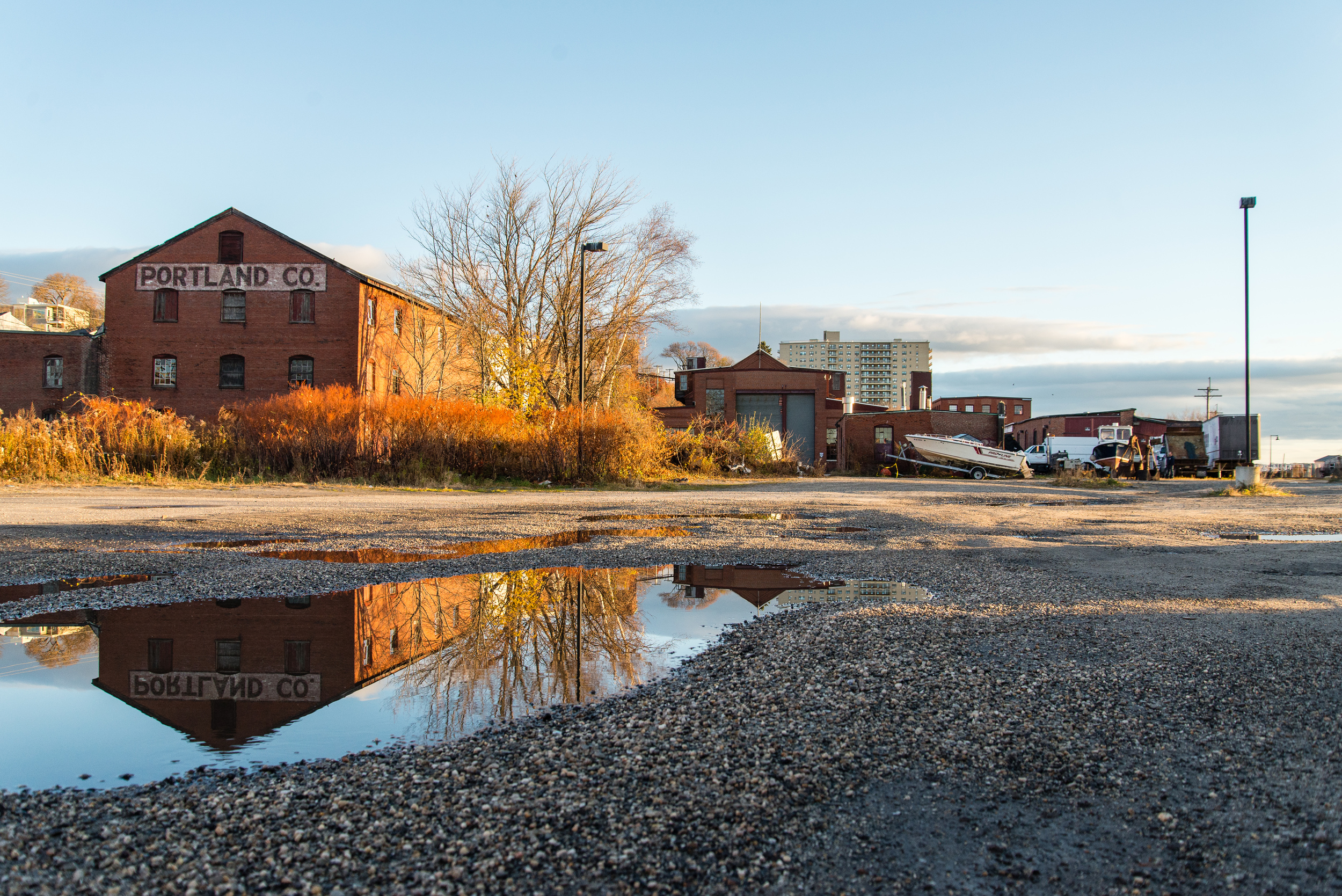
The Portland Company Complex is the only intact 19th century industrial complex on the Portland waterfront. It was founded during the height of railroad construction and expansion and was purpose-built to supply locomotives for the railroads. From 1845 – 1978, the Portland Company produced 630 steam railroad locomotives, boilers and engines for over 350 marine vessels, machinery for the paper industry, gunboats for the Civil War, and equipment to build the Panama Canal. In addition, the Company produced a variety of metal objects needed for the rapidly-expanding metropolitan industrial age, such as decorative cast iron building storefronts, streetlights, gates, grates, and manhole covers.
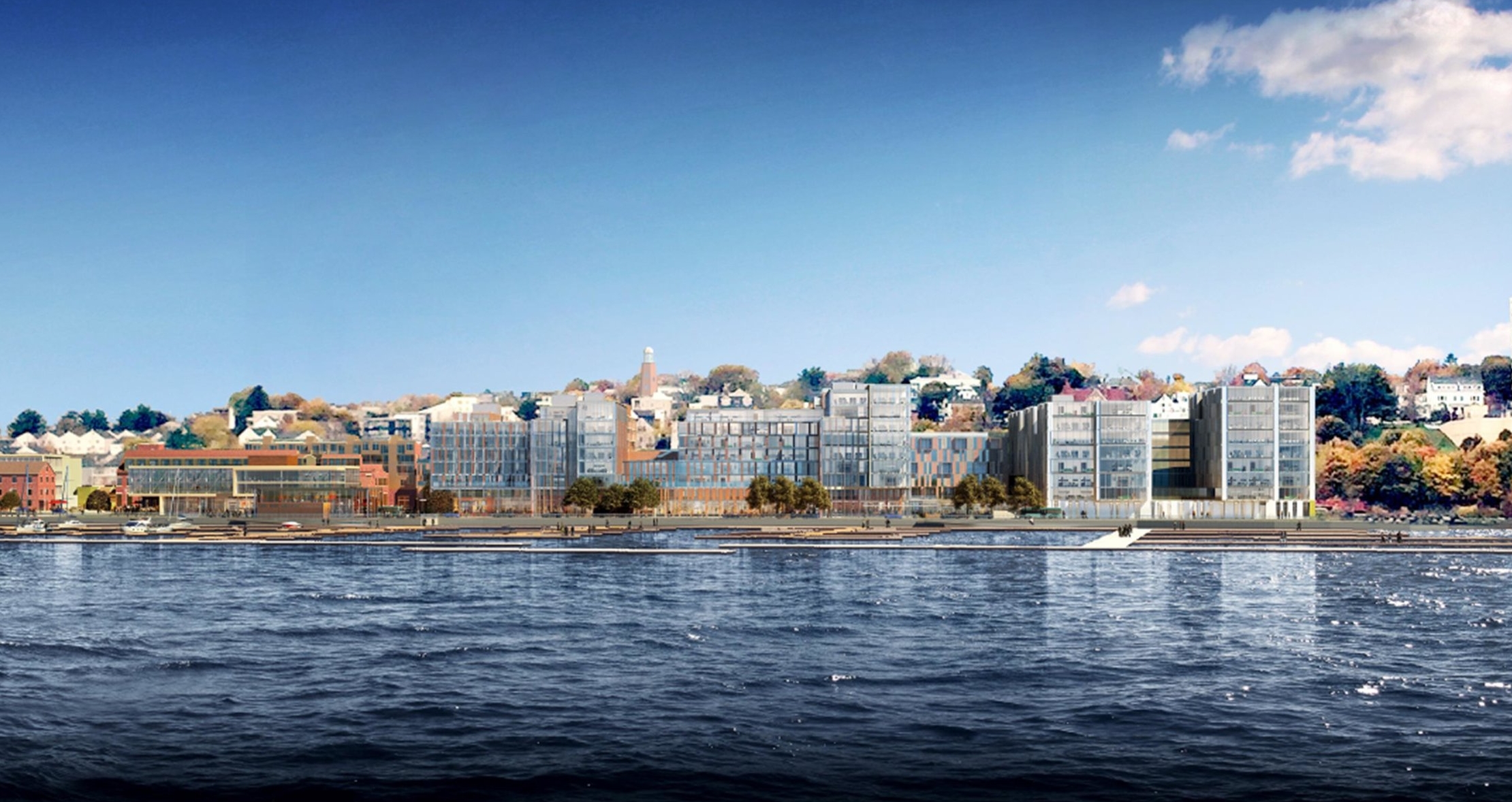
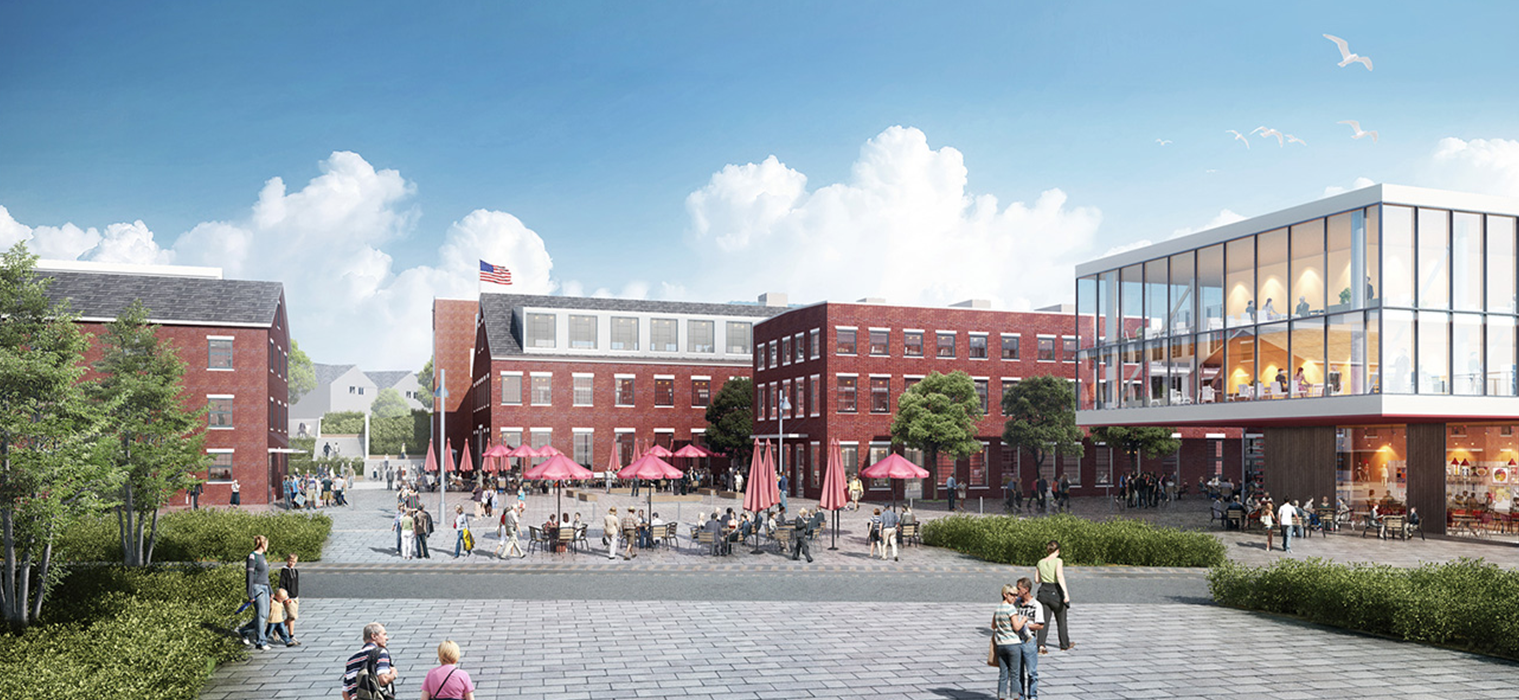
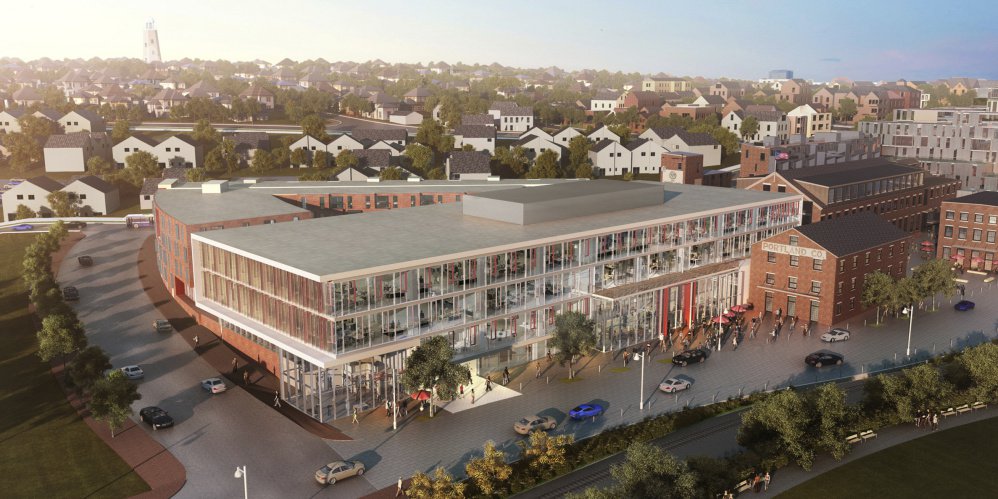
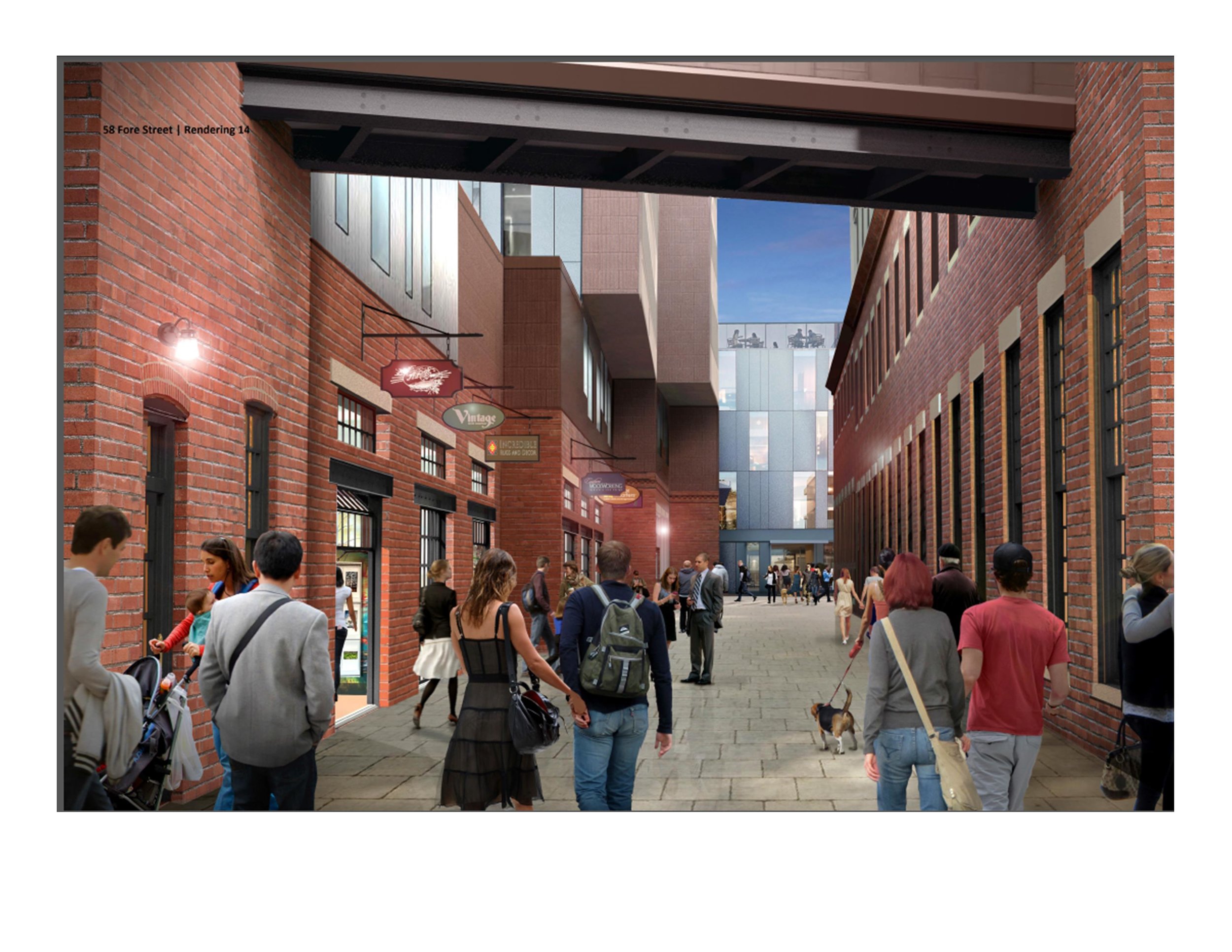
In 1974, the Maine Historic Preservation Commission determined the complex to be eligible for the National Register of Historic Places for its industrial significance, but it was never actually nominated to the National Register, nor designated City landmark.  In 2012, Greater Portland Landmarks named the Portland Company to its endangered properties list.   In 2013, the Portland Company was purchased by a developer, CPB2, with plans to rehabilitate some of the historic buildings as part of a larger redevelopment of the waterfront site. Initial redevelopment plans anticipated the demolition of twelve of sixteen late nineteenth and early 20th century buildings that comprised the industrial complex. Landmarks supported nomination of the Portland Company to the National Register, as well as its designation as a local historic district. In February 2016, the Portland City Council approved a Portland Company Local Historic District that protects seven of the complex's sixteen remaining buildings.

In the fall of 2016 the development team formally submitted a master development plan to the City for review. Landmarks has attended and participated in all of the public meetings.

Our Position

The Portland Company Local Historic District recognizes a nationally-significant industrial complex that conveys an important part of Portland's history. As one of our region's most endangered properties, Greater Portland Landmarks is please CPB2 plans to rehabilitate the contributing buildings in the historic district and make the buildings and history of the Portland Company a centerpiece of the contemporary reuse of this site.

Greater Portland Landmarks advocates for the following:

  • Upholding the findings of the Historic Preservation Board.

  • Creating new construction in and directly adjacent to the historic district that does not overwhelm, distract or visually compete with the historic buildings.

  • Preserving the character of the industrial complex through scale, massing, materials, and design details while allowing for new construction.

  • Including at least one overhead bridge element that is retained or rebuilt in each alley to preserve the industrial complex’s visual character.

  • Designing additions to the historic buildings that are contextually appropriate to each building.

Landmarks also supports the potential relocation of Building 12 and the related amendment of the district boundaries as contemplated in the Master Development Plan.  The relocation will preserve the building’s visual relationship with the other contributing buildings in the historic district, provide it much greater visibility than would be possible in its current location, and create a contiguous historic district boundary.  

Read more about Landmarks specific comments submitted to the Planning Board

PRESS

QUICK LINKS

What You Can Do

  • Stay informed: sign up for our newsletter to receive advocacy updates and information on public hearings at City Hall.

  • Support our efforts by becoming a member or making a donation today.


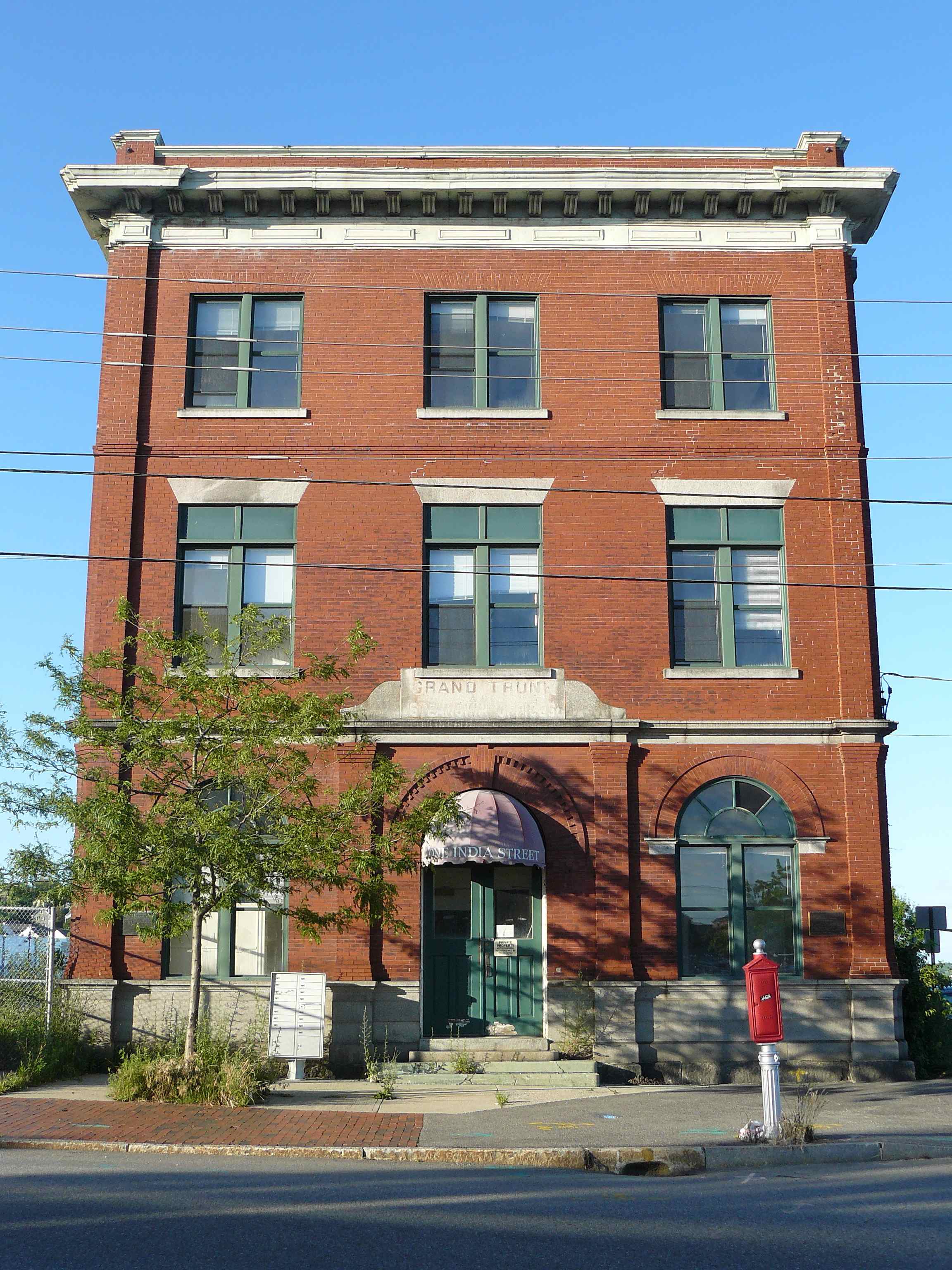
Grand Trunk Office Building 

1 India Street, Portland  |  Nominated to Places in Peril in 2012

THE ISSUE

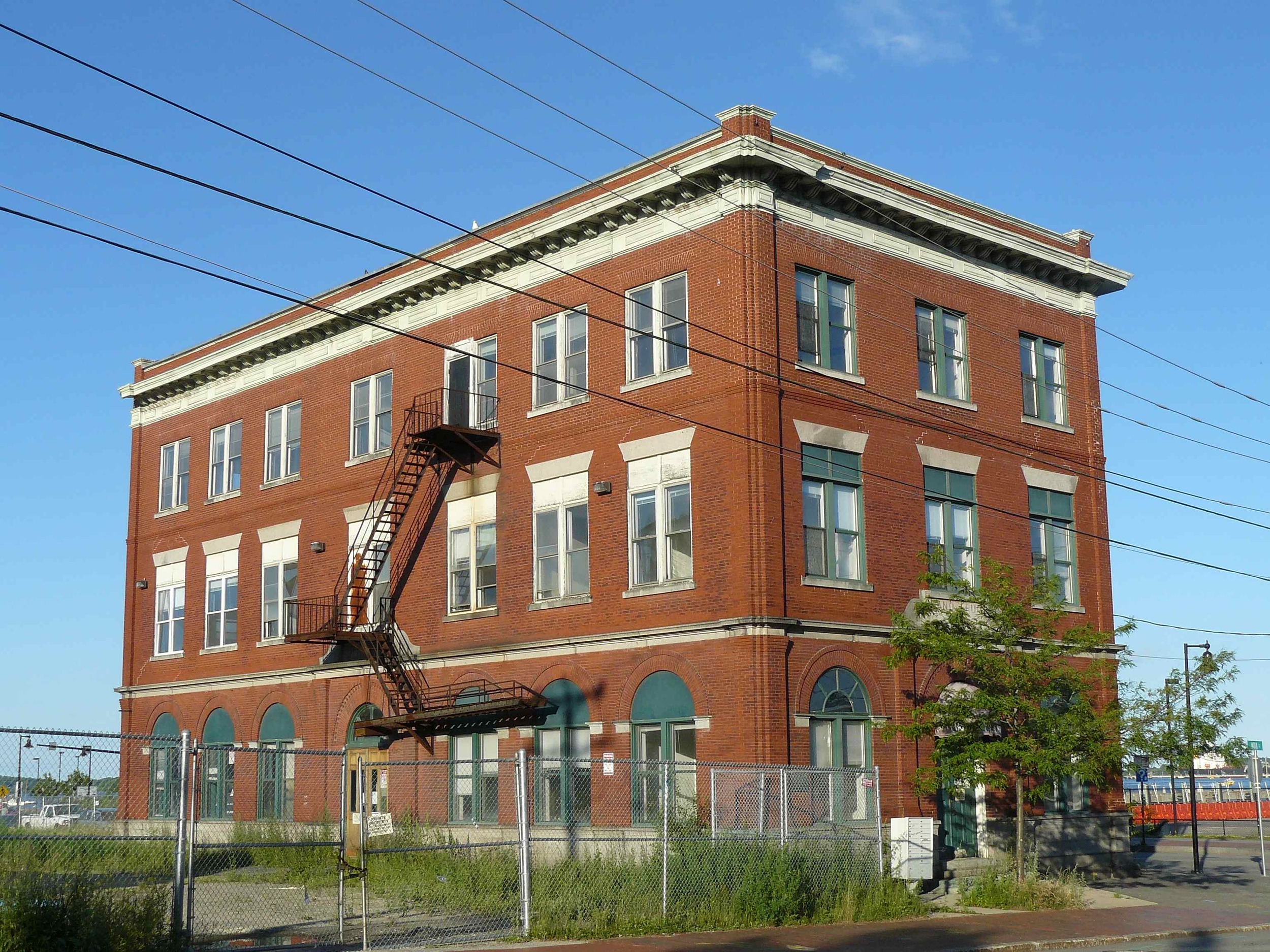
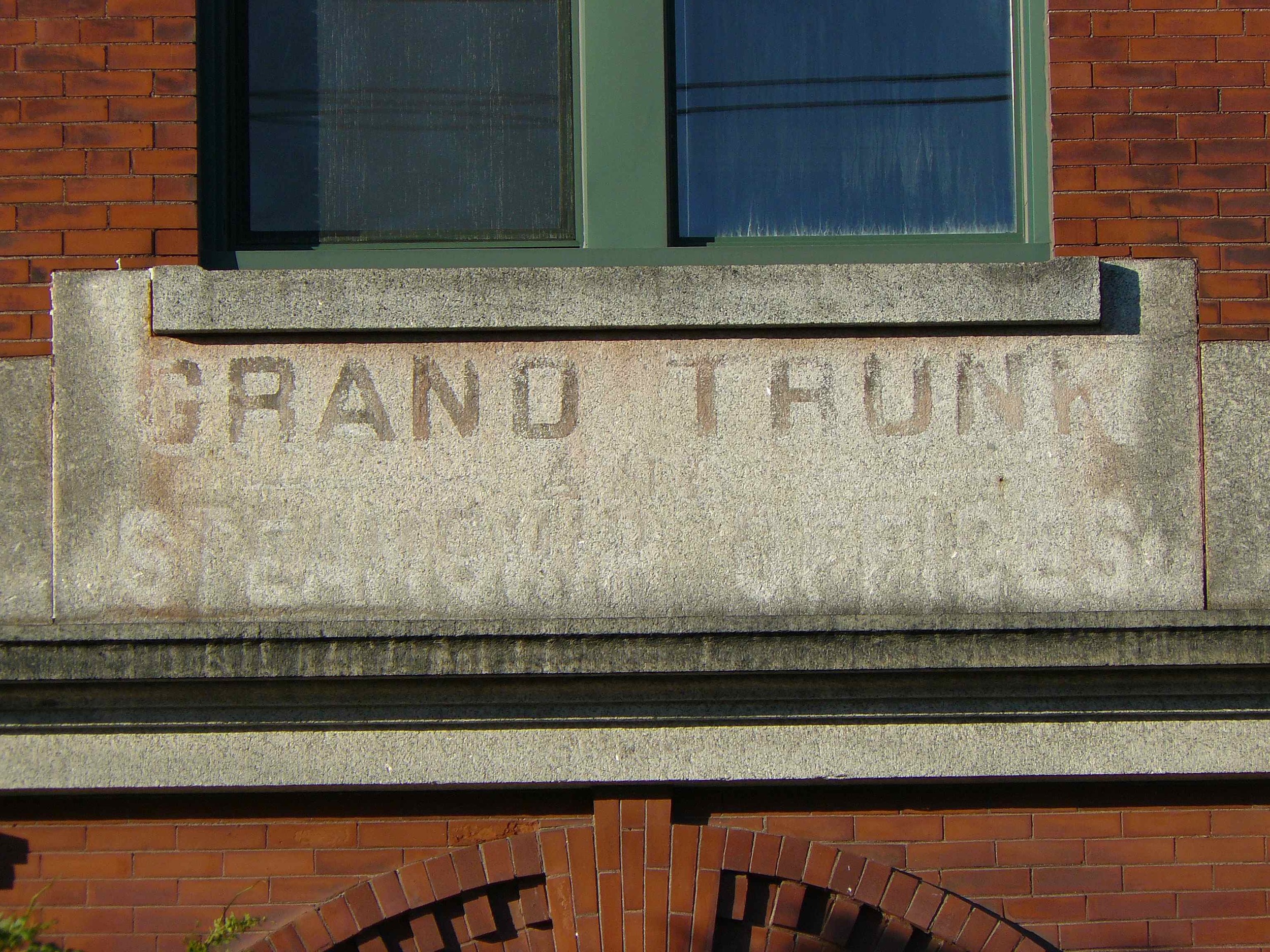
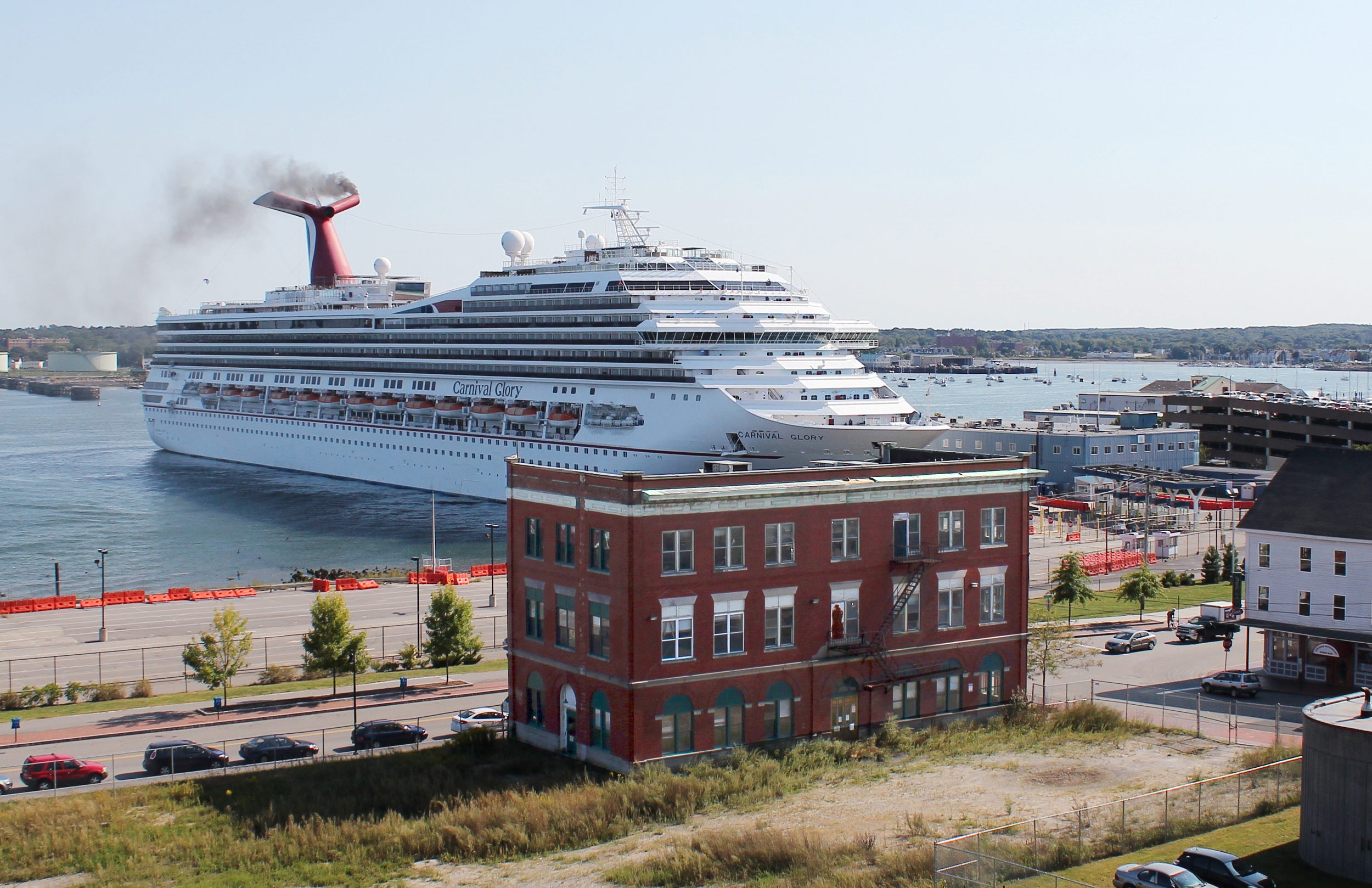
This three-story neo-classical style brick building, built in 1903, is the only building which survives from the extensive Grand Trunk Railway complex in Portland. It originally served as offices for the railroad and for the transatlantic steamship operators that used their wharves and sheds. The Grand Trunk (and later Canadian National) was an important source of Portland’s prosperity between the 1850s and 1960s, serving as Canada’s main shipping route in winter between Montreal and the ice-free port of Portland. The vacant building is deteriorating, with broken windows, rotting trim, and damaged masonry. Ownership of the building by two different private parties, complicated a transfer of ownership to interested buyers willing to restore the structure.

Our Position

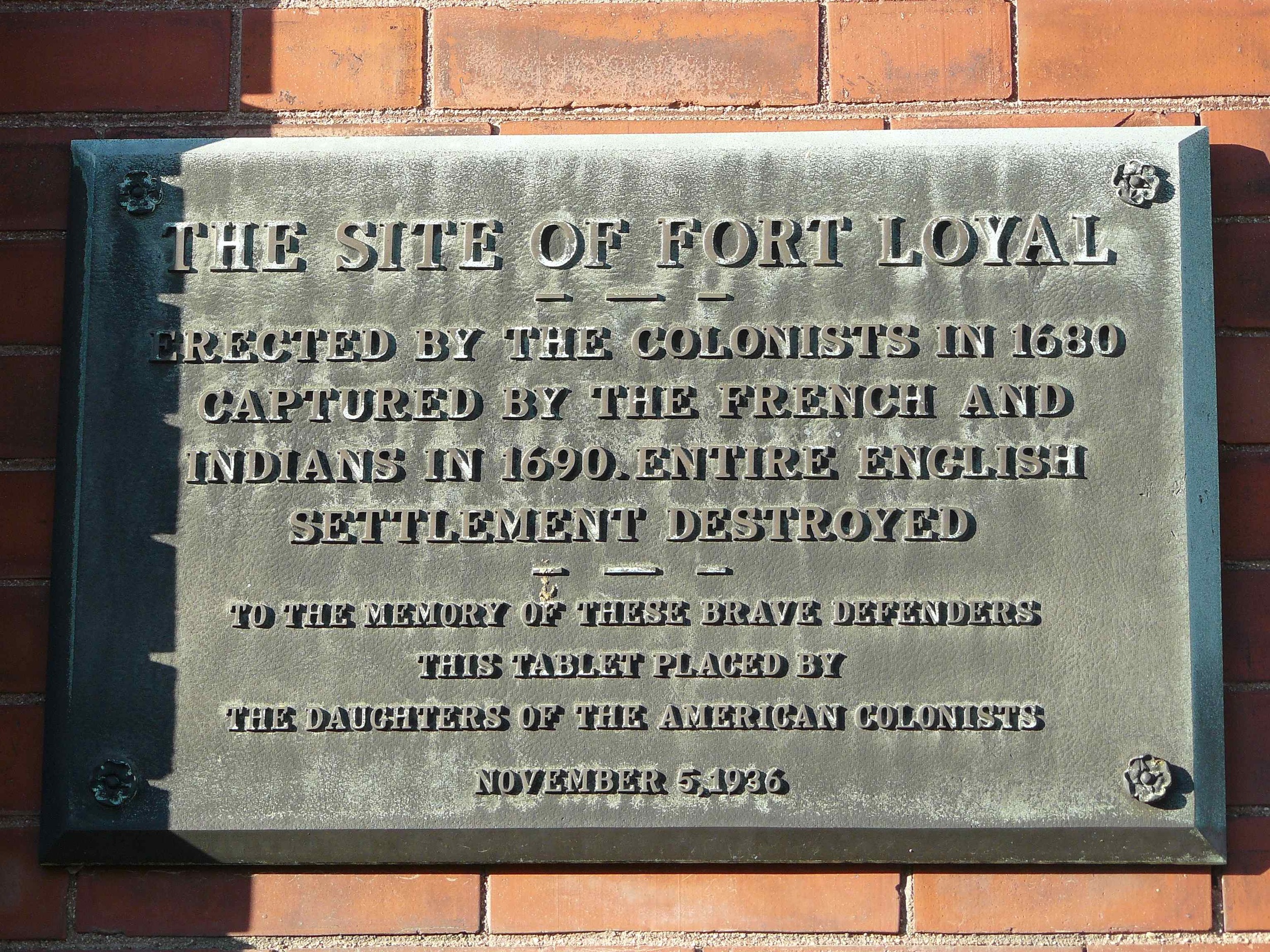
The Grand Trunk Office Building is located in the Old Port Historic District. It is situated on a highly visible site at the foot of India Street which is an important gateway to the City. The location has played a central role in Portland’s history as a hub of commercial activity, shipbuilding, and railroad and steamship transportation. The site has early history as the site of Fort Loyall which defended the city from 1680-1690.

The challenge for the Grand Trunk Office is how to incorporate a landmark building of a modest scale that is situated in a desirable urban location into a viable redevelopment. Greater Portland Landmarks advocates for the following opportunities:

  • The location adjacent to an oversize lot, and favorable zoning, density and height allowances could stimulate interest in a creative, compatible, mixed-use development which incorporates this attractive structure as a signature element.

  • An additional option for reuse would be to rehabilitate the Grand Trunk as a free standing office block.

  • State and federal historic preservation tax incentives could provide critically important financial investment to support rehabilitation of the building.

Update

Gorham Savings Bank is using historic tax credits to restore the building for banking offices. Work on the interior and exterior of the building is underway! You can follow the restoration process online with Gorham Savings Bank's series of videos documenting the building's revival by clicking on the image below.


PRESS

WHAT YOU CAN DO

  • Join our mailing list to receive updates on advocacy, educational programs, and upcoming events.

  • Support our advocacy efforts, as well as our Places in Peril program, by becoming a member or making a donation today.

Masonic Temple 

415 Congress Street, Portland  |  Nominated to Places in Peril in 2012

The Issue

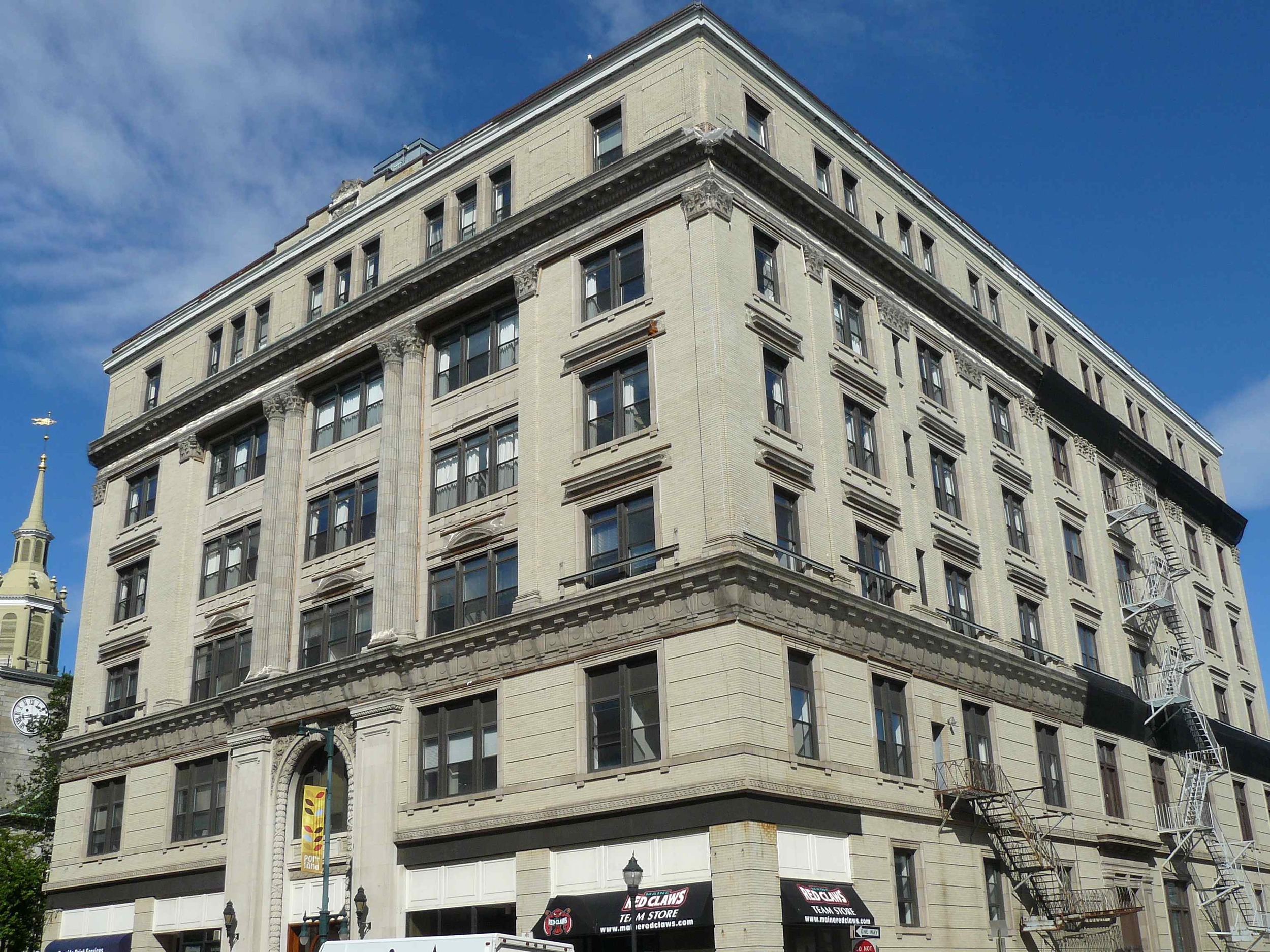
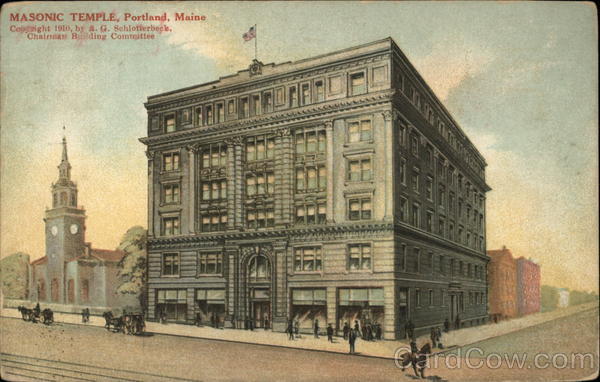
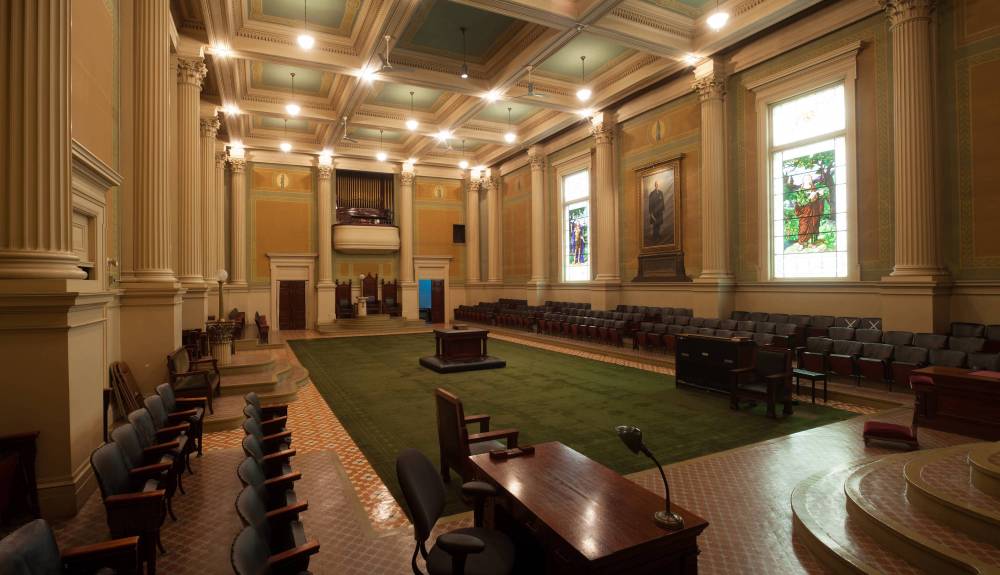
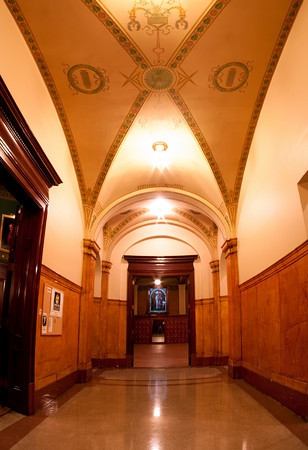
Portland’s Masonic Temple at 415 Congress Street, Portland is one of the finest examples of Beaux Arts architecture in Maine. Completed in 1911 from the design of Fredrick A. Tompson, a leading Portland architect, this six-story, 136,000 square foot, mixed use office and fraternal building was once hailed as the center of Freemasonry in Southern Maine. The distinctive interior spaces, which are unaltered from their original state, feature vaulted ceilings, ornamental plaster, stained glass windows, and carved wood paneling. Among the most dramatic ceremonial rooms are the original lobby with its winding stairs and elevator; the Scottish Rite Reading Room with its portraits, paneling and massive fireplace; the ornate Corinthian Hall with its original H.A. Hall pipe organ, mosaic floors, original furniture, and 20 foot tall stained glass windows; and the Armory, which houses lockers for masonic regalia and can seat 200 people. This structure is believed to be Maine’s last unrestored and unmodified grand lodge building.

When completed in 1911, the Masonic Temple was organized as a mixed use commercial and fraternal building, with the idea that lease revenues from the front half of the building would help support the fraternal portion at the rear. The building was converted into two condominiums in 1989 and the eastern half of the building on Congress Street was sold off, eliminating the income stream that historically funded the building’s operation and improvements. Limited growth in membership in the masonic orders has also affected the ability to maintain and invest in the building. With limited income to fund the preservation and maintenance of the structure, the Masonic Lodge is threatened by physical deterioration. The building suffers from extensive deferred maintenance on the exterior and urgently needs a master plan to guide usage and repairs to save the structure from further damage.

Our Position

The building is listed in the National Register of Historic Places, which makes it eligible for state and federal historic preservation tax credits. Its location next to City Hall in the Congress Street Historic District and in the city’s Arts District make it one of the most important pieces of commercial real estate in Portland.

In 2009, Greater Portland Landmarks convened the Masonic Temple community planning advisory group to assist the Masons in their efforts to preserve and expand community utilization of the building. In early 2012, the Masons received approval for the Masonic Temple Foundation, a nonprofit 501(c)(3) organization dedicated to raising the funds needed for improvements. With its new nonprofit designation it is a potential candidate for other city, state, federal, and philanthropic funding.

In 2012 Landmarks named the Masonic Temple to its list of Places in Peril to assist the Masonic Temple Board and new Foundation’s effort to increase awareness and use of the building. The Greater Portland Convention & Visitors Bureau has identified a strong need for additional meeting and event spaces of the scale this building offers. In 2013 the Masons opened the lodge to events. Income from these events will help address code deficiencies and repairs, and allow the foundation to develop a financial model that will support the ongoing use and preservation of the building.

Press

Quick Links

What You Can Do

  • Visit the Masonic Temple during First Friday or attend their annual open house tour to see the lodge's stunning interiors.

  • Hold your special event in one of their four event spaces via Blue Elephant Events

  • Join our mailing list to stay informed about our advocacy efforts, educational programs, and upcoming events.

  • Support Landmarks' advocacy efforts and Places in Peril program by becoming a member or making a donation today.

South Portland Armory

Armory Street, South Portland, Maine  |  Nominated to Places in Peril in 2012

The Issue

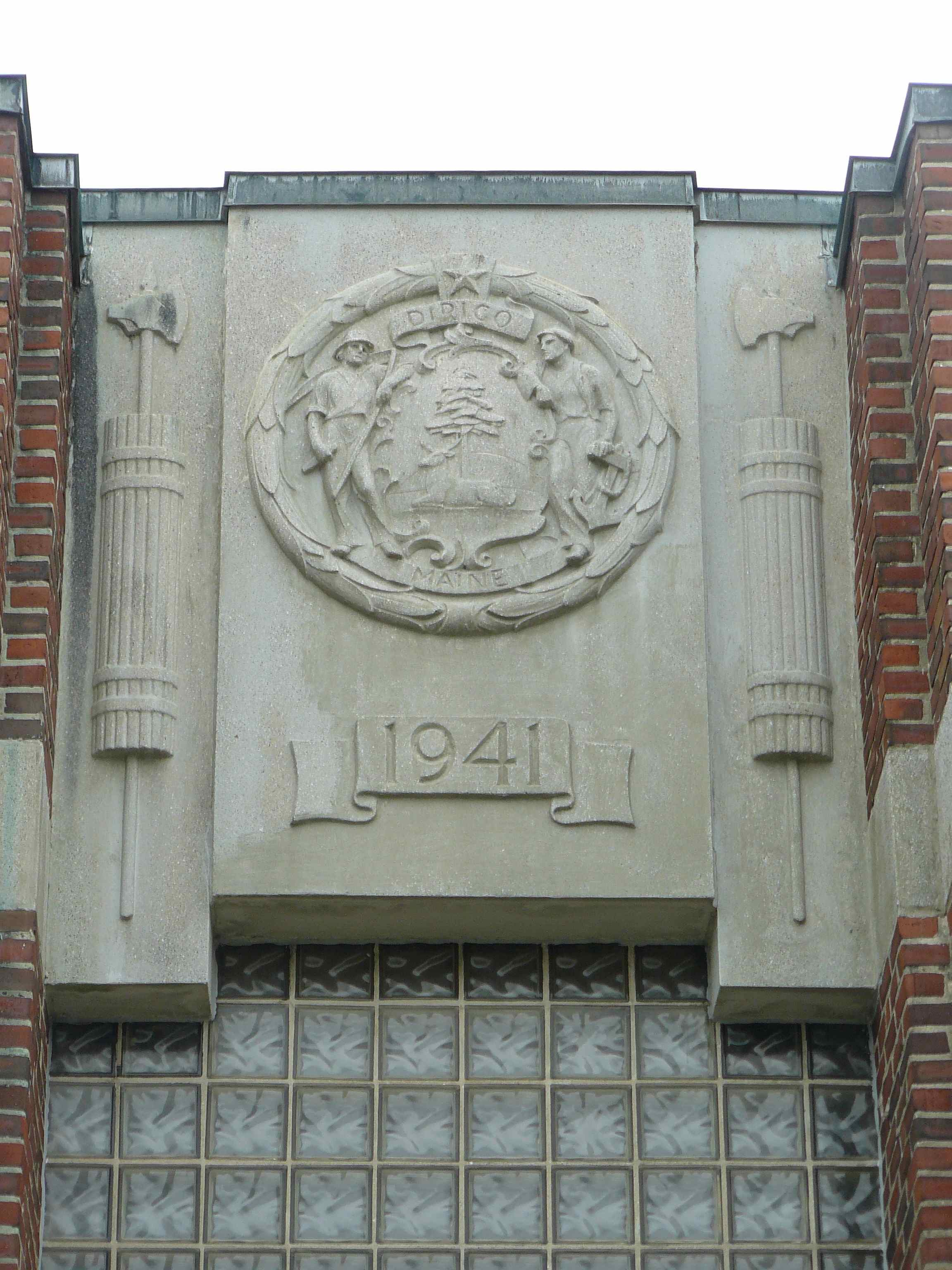
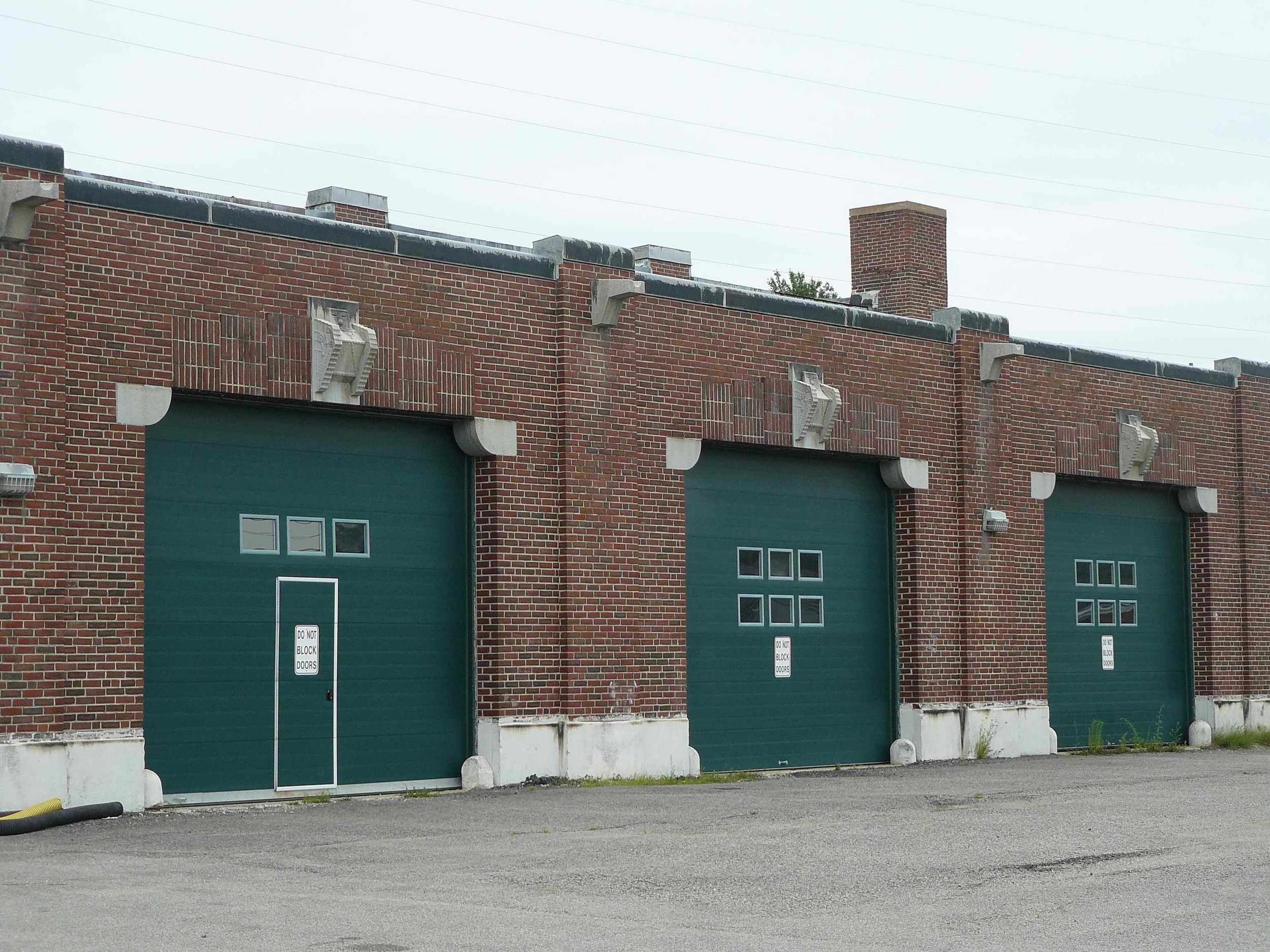
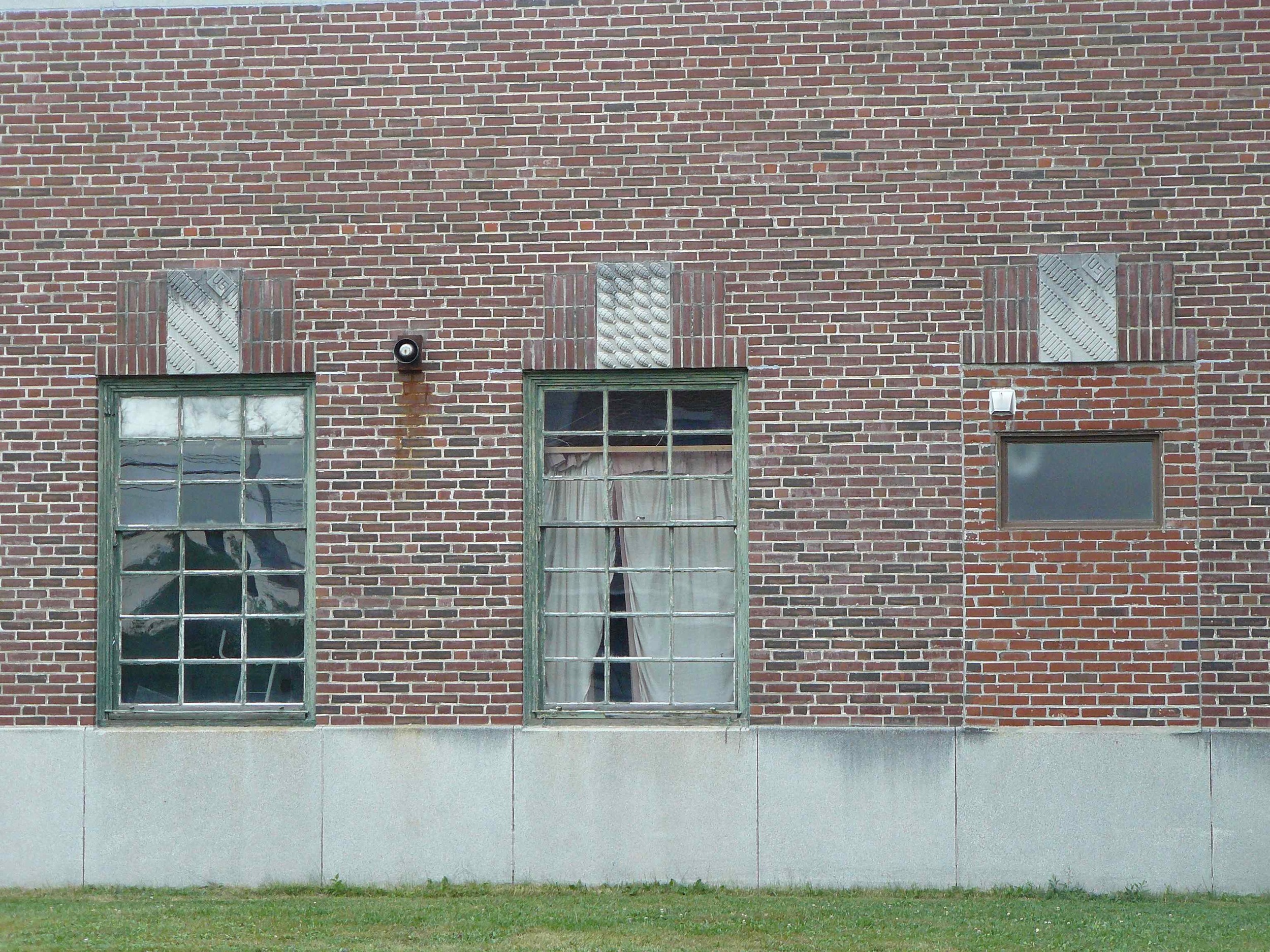
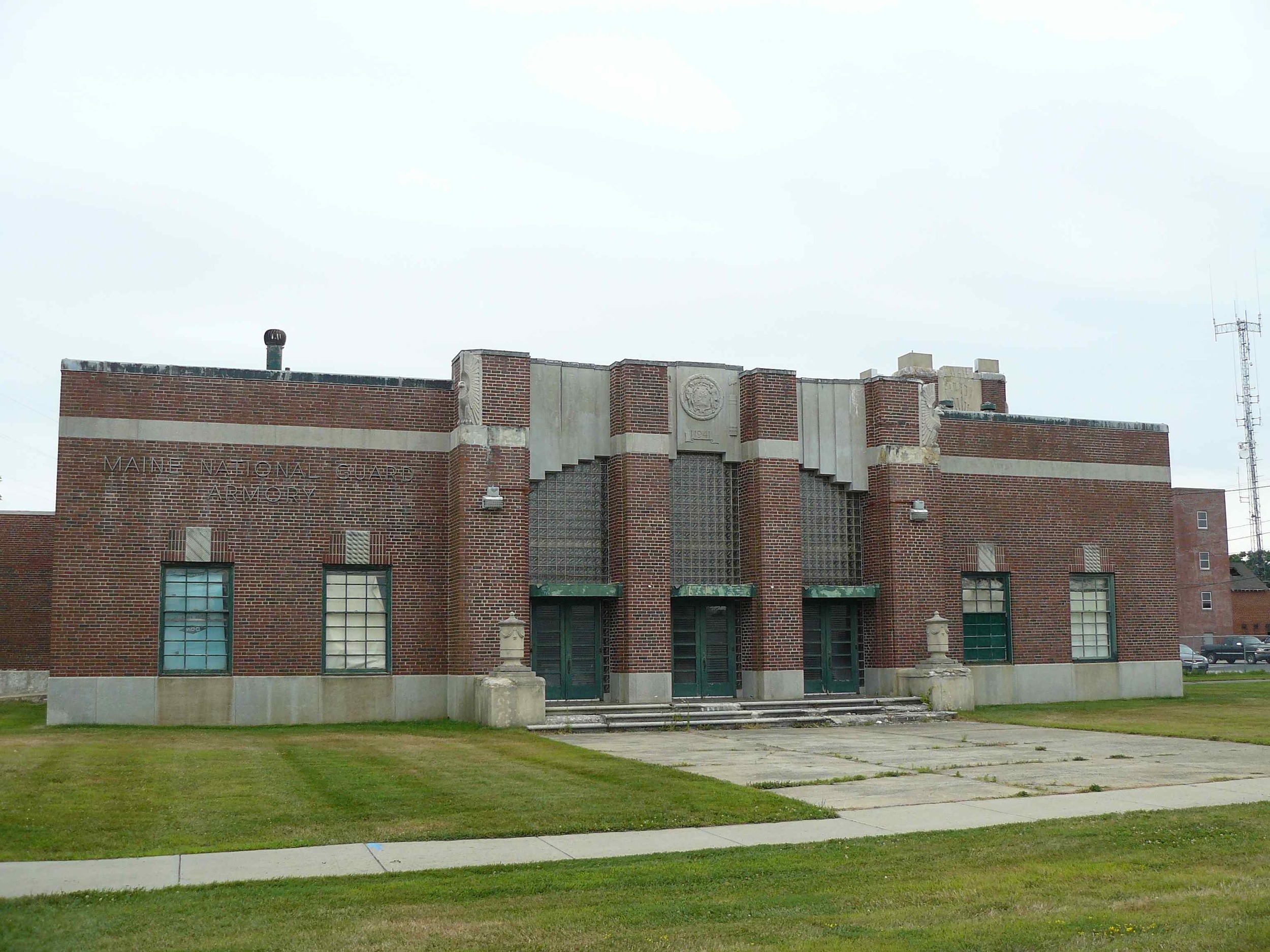
The former Maine National Guard Armory is a gateway landmark that provides a striking visual introduction to South Portland at a key intersection with 30,000 cars passing by each day. Completed in 1941, the Armory was built in the flurry of new government construction following the United States' entry into World War II, when new shipyards and a steel fabricating plant were built in the Cushing's Point area for the mass-production of Liberty ships. The building features details in the Art Deco style, including glass block windows, sculptured eagles, and carved keystones with images of tanks, grenades, and bullets. In 2004, the Armory was determined eligible for the National Register of Historic Places, however without local historic preservation protections, changes to the building would not require official review, risking loss or damage to important character defining features of the Art Deco building in any future development of the property.

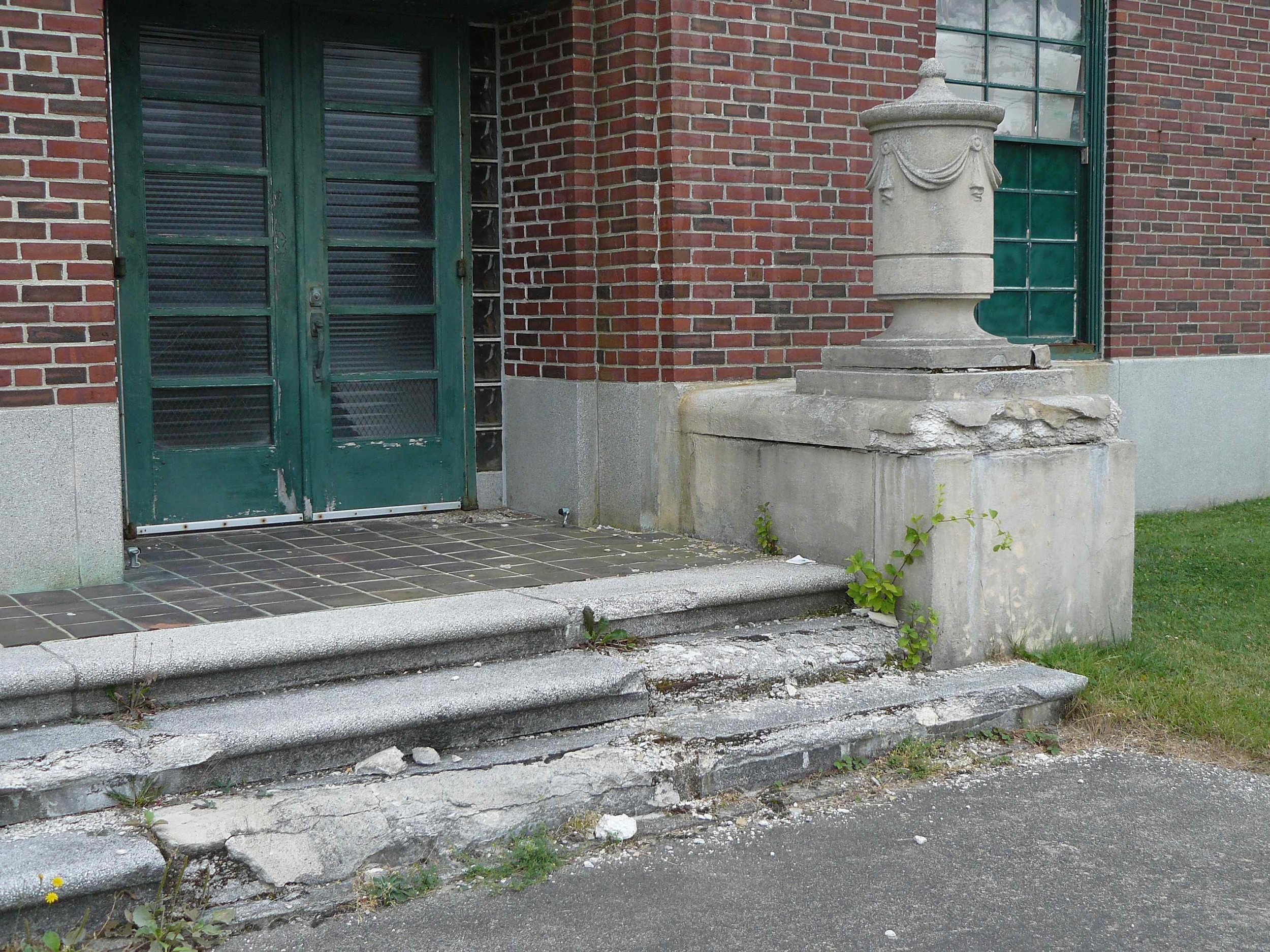
Since the military vacated the property in 1996, the building has not been well-maintained: the roof leaks and the plaster walls are in poor condition; the exterior concrete steps, tower corners, and plinths beneath the stone urns are all deteriorating; the original windows need to be reglazed; and the metal canopies above the doorways are rusting and peeling. The Armory has been owned by the City of South Portland since it was acquired in liquidation proceedings in  2006. Continued deterioration from a lack of City funds for maintenance and no local historic preservation protections led to Landmarks listing of the building as a Place in Peril in 2012.

Our Position

National Register eligibility opens the important potential to access significant state and federal historic preservation tax credits. Landmarks encouraged the City of South Portland to take a more proactive approach to redeveloping the building in a way that would attract outside funding, whether from private investment, state or federal funding, City-sponsored incentives such as tax increment financing, or other sources. City leaders expressed support for historic preservation and when the building was listed for sale, a preservation easement to be held by the City was included as part of the conditions of sale. In 2014 the armory was sold to a local developer with plans to convert the site into a fueling station, convenience store, and office space. The drill hall, the large portion of the building to the rear of the site will be demolished and replaced by fueling pumps, while the front of the building will be preserved. Final approval for the project was granted in 2015.

Finding new uses for vacant large-scale buildings is a challenge. While Landmarks would have preferred a development that preserved the entire building, we worked with the city leaders and the developer in an advisory capacity to ensure that the portion of the armory to remain will be preserved in a manner consistent with national preservation standards.

Press

QUick Links

What You Can Do

  • Encourage city leaders to fund ongoing maintenance of publicly-owned historic buildings. Preventative maintenance is the most cost effective means to preserve buildings, both old and new!

  • Support Landmarks' advocacy efforts.