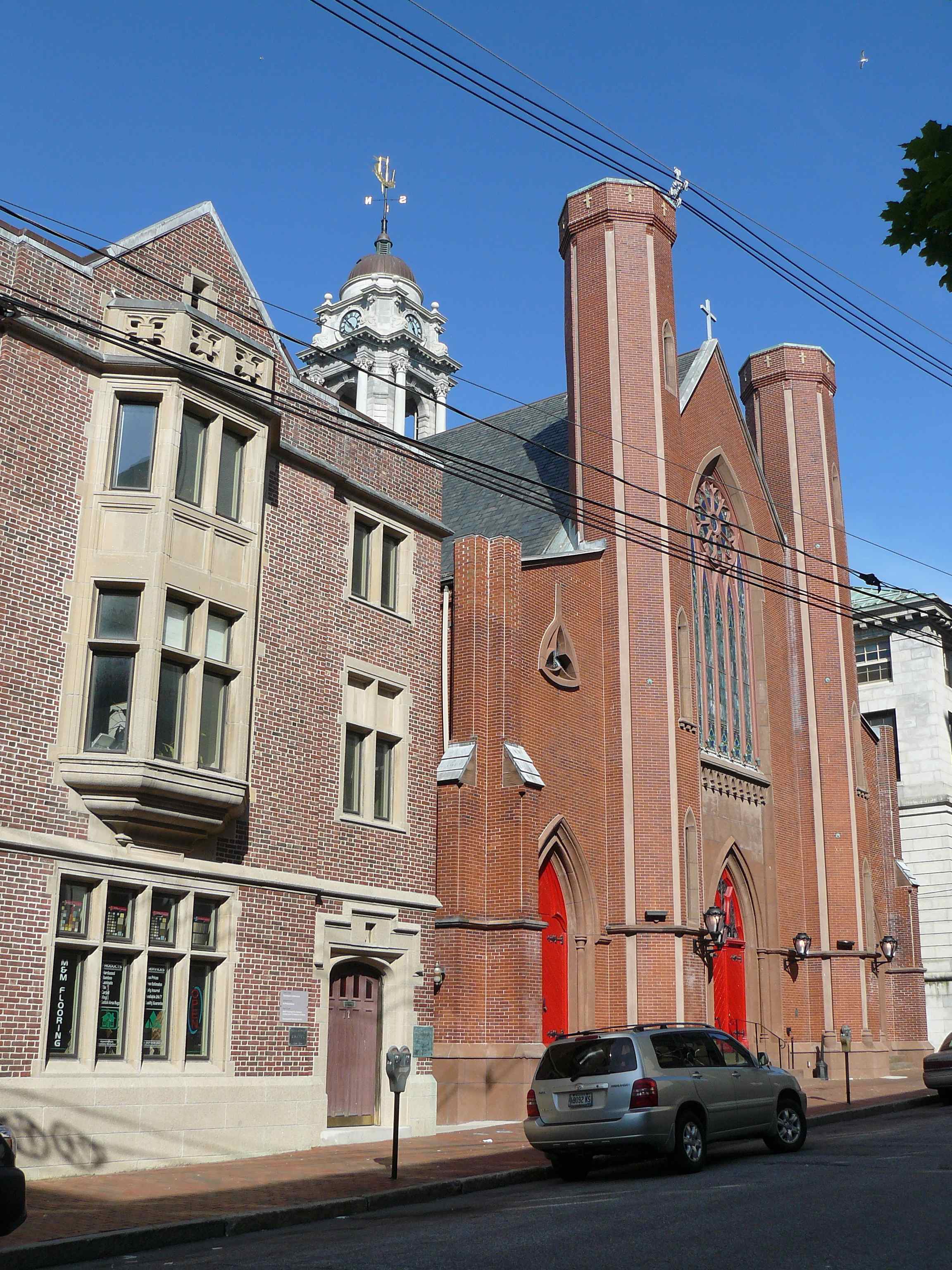
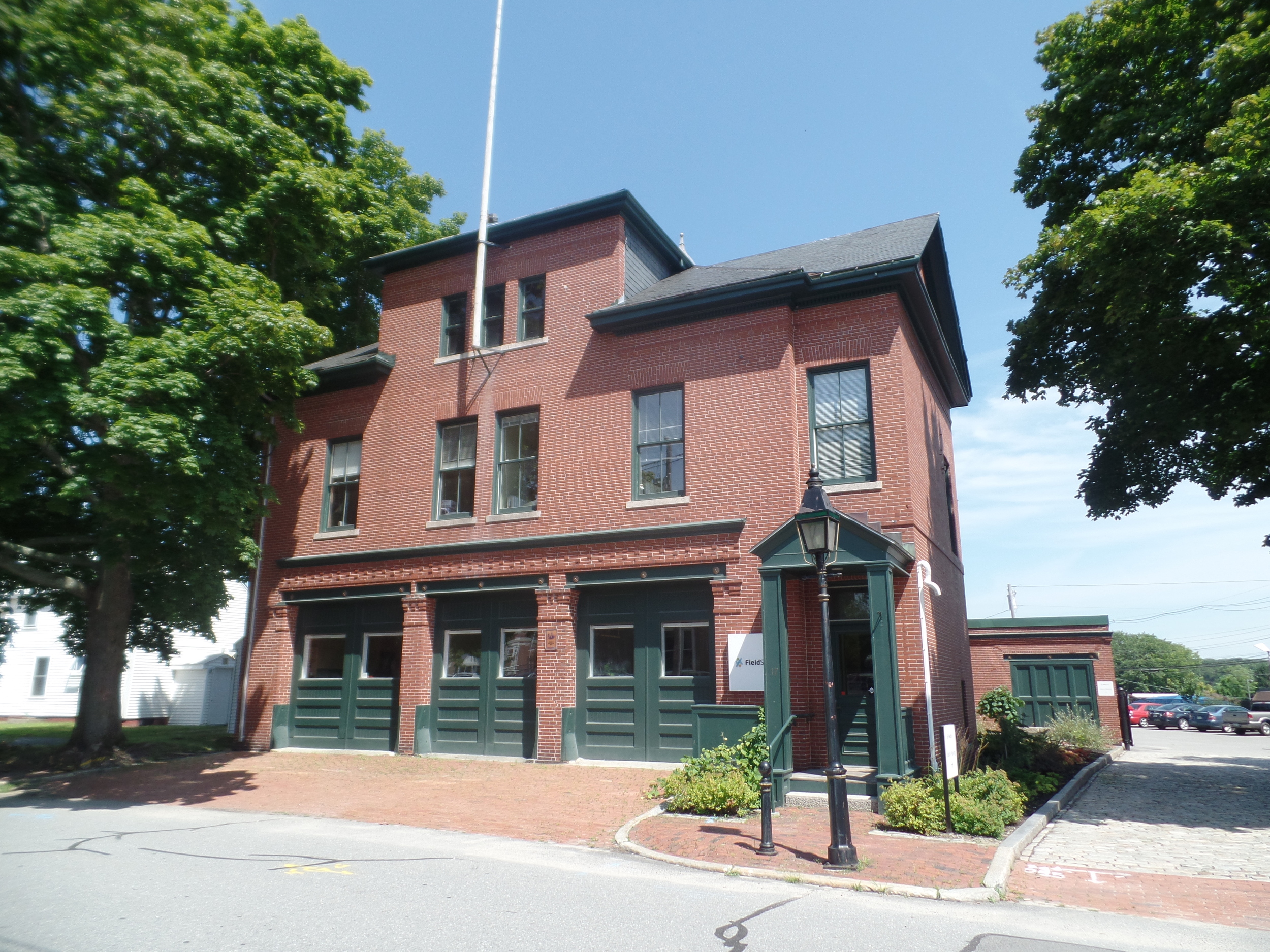
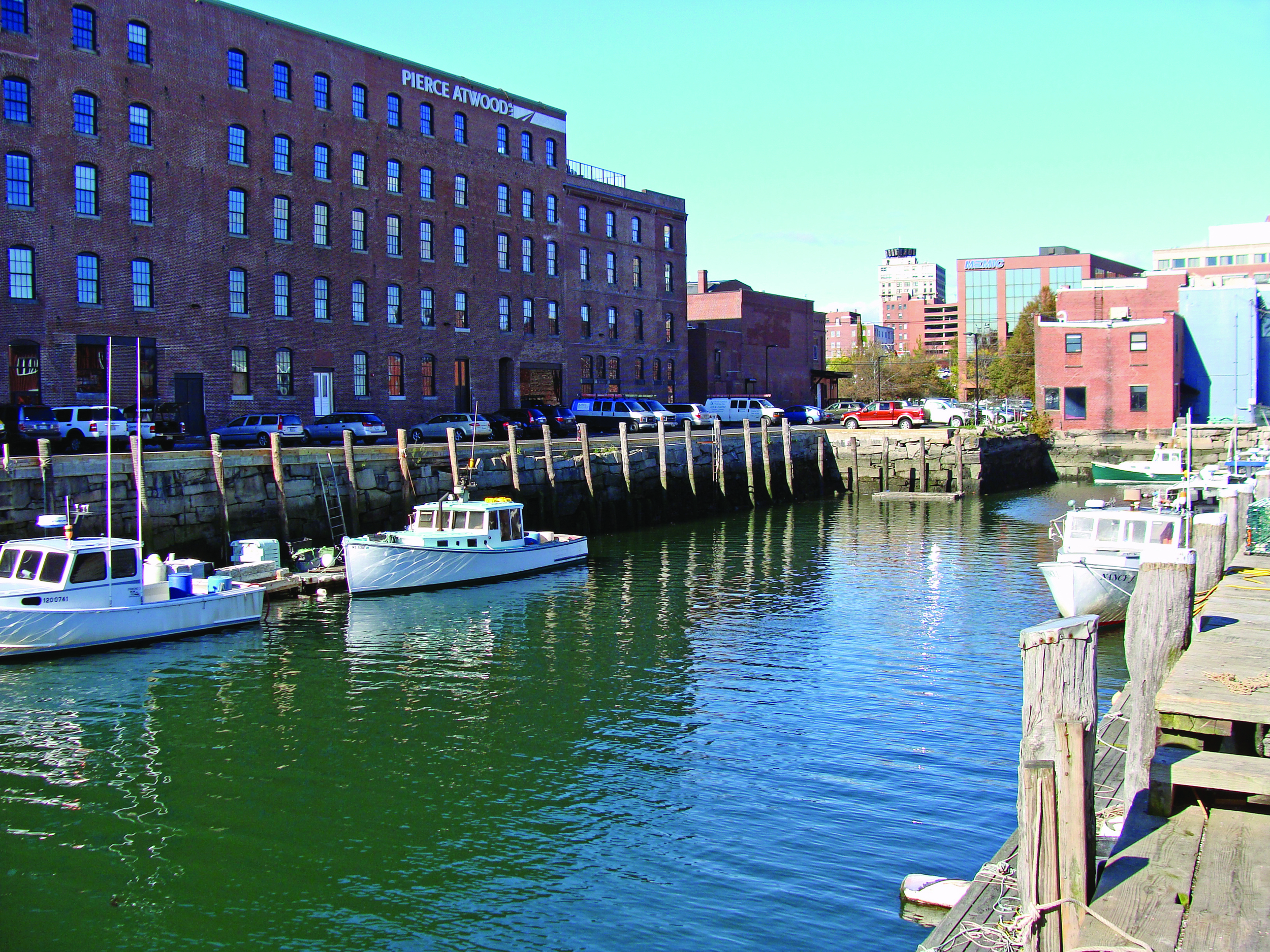
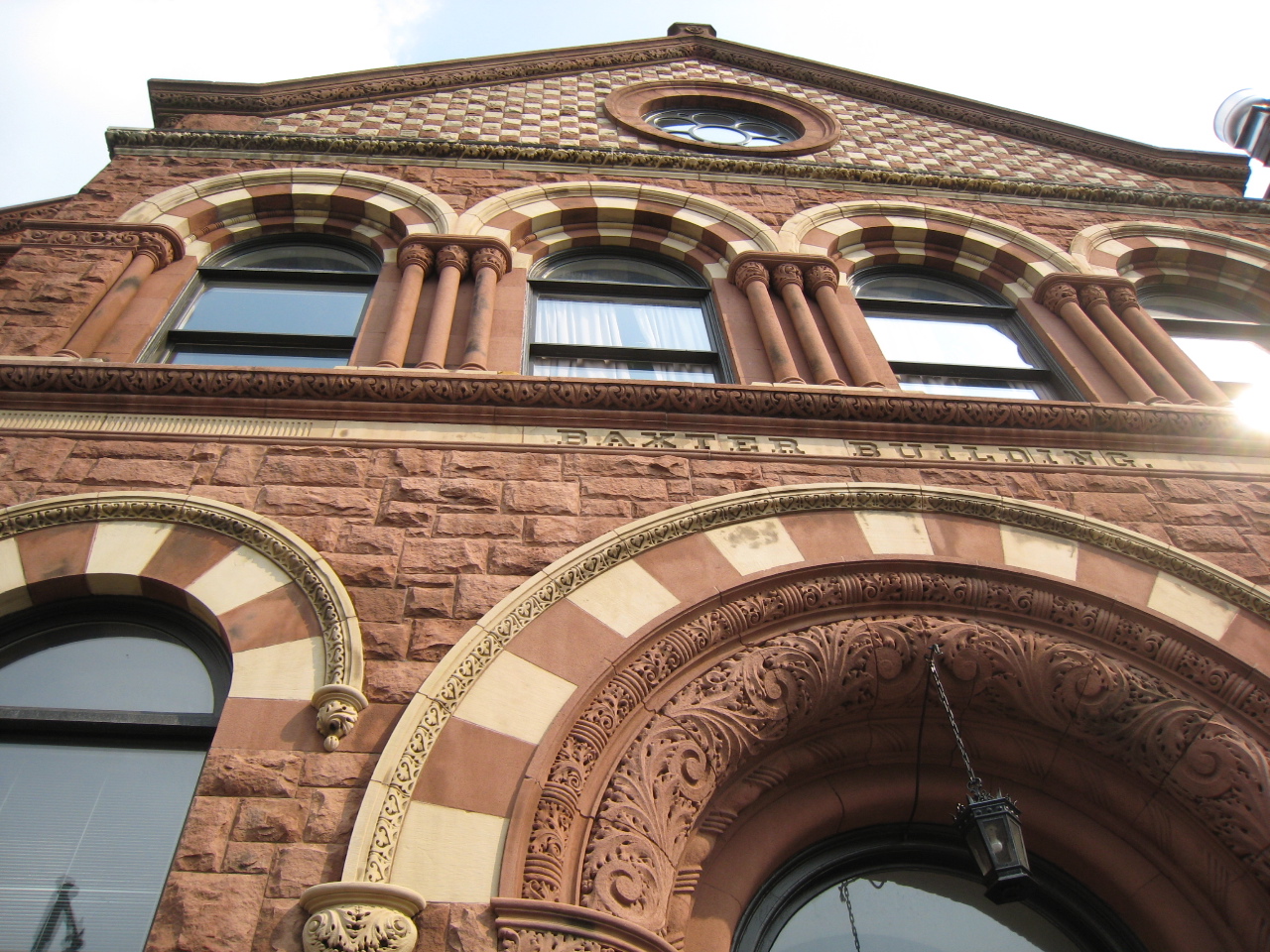
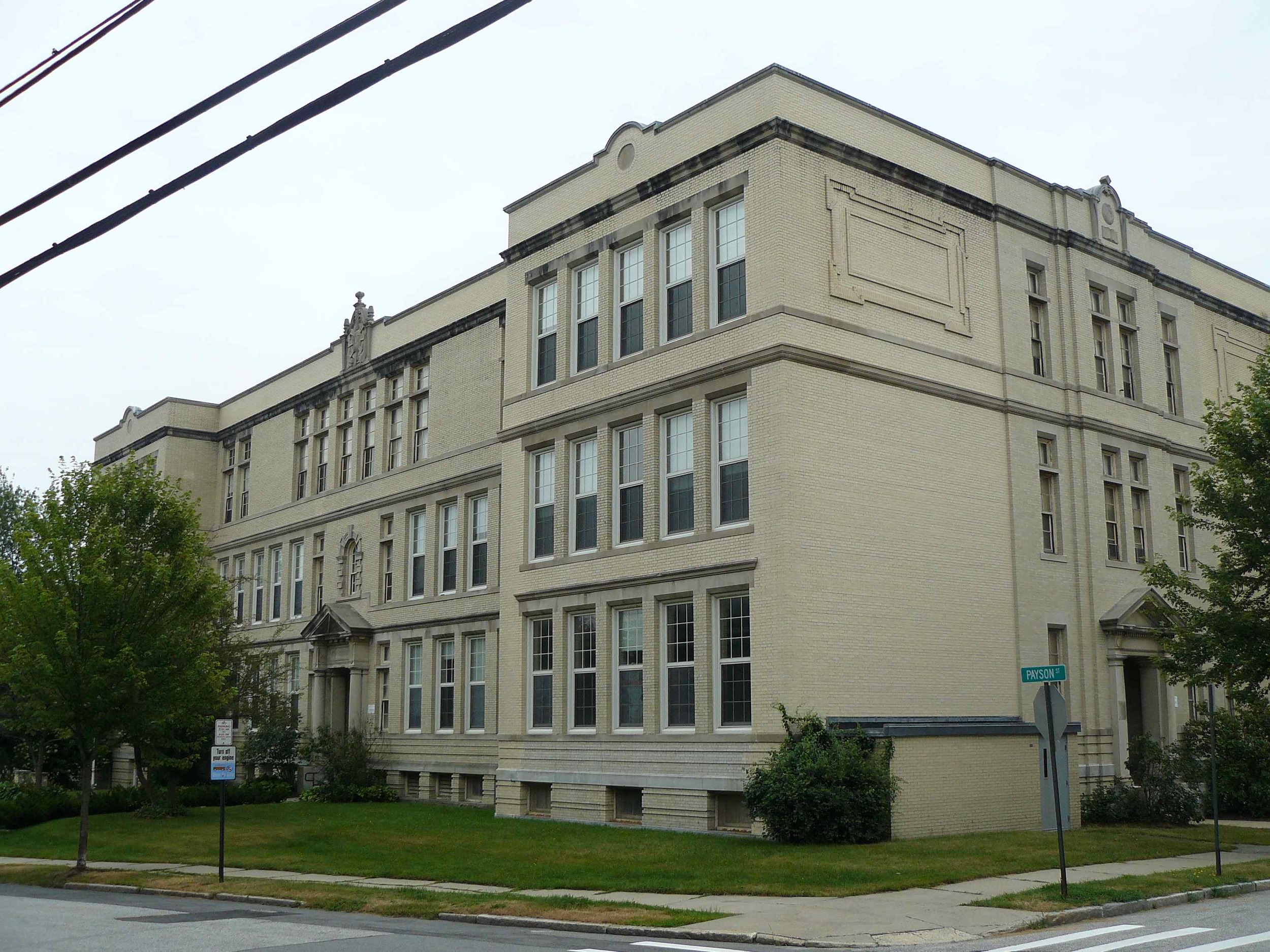
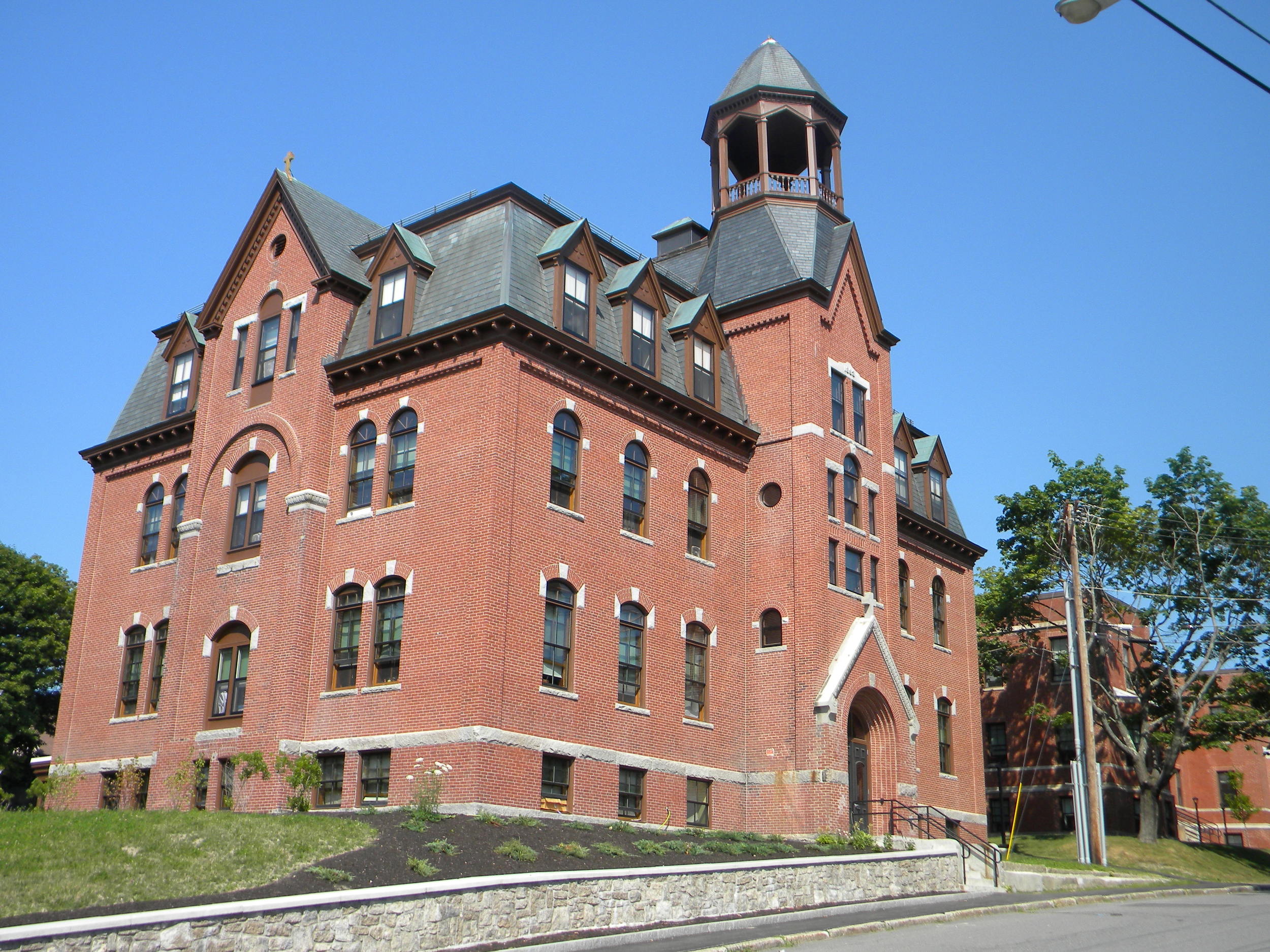
Greater Portland Landmarks is committed to locating and documenting historic resources in Portland and surrounding communities. This documenting—often called survey work—involves a combination of archival research and fieldwork to neighborhoods to determine the history of the buildings, development patterns, and the stories of who lived or worked there. It is a first step in engaging local constituents in preserving their neighborhoods by showcasing why places matter, how they tell our rich shared history, and contribute to our shared sense of place.

For decades Greater Portland Landmarks has been researching properties and neighborhoods in and around Portland. We have a large collection of materials relating to buildings that are still standing and many that have been demolished as well as neighborhood surveys and surveys relating to specific demographic groups. In 2022, we received two grants to fund this research.

  • The National Trust for Historic Preservation awarded Greater Portland Landmarks a Telling the Full History grant to identify the historic resources of underrepresented communities in Portland, focusing on Armenian American, Chinese American and African American populations. Working with graduate students and partners we will locate important sites and neighborhoods and develop context statements to share the missing stories of significance that have shaped Portland’s history, landscapes and architecture, allowing us to strengthen partnerships with our diverse neighbors, and use the information gathered to help share these stories through many platforms.

  • The Maine Historic Preservation Commission awarded Greater Portland Landmarks a New Century Community Fund Grant to fund research at the Jean Byers Sampson Center for Diversity in Maine at the University of Southern Maine to identify historic properties associated with diverse Mainers. The research aims to identify buildings, sites, structures, districts or objects owned, occupied, or built by LGBTQ+, Jewish, and African American Mainers or associated with events or a pattern of events having significance in their culture or history.

At this time, we are still in the process of digitizing our archives. If you would like to make an appointment to view any of our resources, please contact us at info@portlandlandmarks.org or 207-774-5561. In the meantime, check out our Neighborhood Histories page to see the materials we have created from this research.

And don’t forget that our work could not be possible without your support, so please consider making a donation.


The Future of The Historic Preservation Fund

Our nation's historic preservation infrastructure faces a critical juncture that demands immediate and unified action from our preservation community. The Historic Preservation Fund (HPF), the primary federal funding mechanism for supporting state and local preservation efforts, requires urgent Congressional attention for both current and future funding cycles. This update and the recommendations below were shared by our colleagues at the National Preservation Partners Network as a nationwide call to action. Maine's statewide nonprofit, Maine Preservation, has shared a similar urgent request. This is preservation's Paul Revere moment and we all must respond to the call. 

The Current Crisis

The FY25 Historic Preservation Fund allocation remains unreleased by Congress, creating significant and immediate operational challenges for State Historic Preservation Offices (SHPOs), Tribal Historic Preservation Offices (THPOs), and Certified Local Governments nationwide. This will ultimately negatively impact all of our Maine communities since this delay threatens ongoing preservation projects, archaeological surveys, National Register nominations, Federal Historic Rehabilitation Tax Credit projects, and critical preservation planning initiatives that protect our shared cultural heritage. In fact, the Maine Historic Preservation Commission (our SHPO) has already made the difficult decision to cancel grants to avoid laying off staff, as other SHPOs have done. 

 Simultaneously, as Congress prepares the FY26 budget, we face the sobering reality that the budget in its current form basically eliminates the Historic Preservation Fund by cutting $158 million. This is the most significant threat historic preservation has faced in over four decades. The elimination of the funding will devastate historic preservation efforts and programs across the country, from rural historic districts to urban redevelopment projects.


Why Your
Voice Matters

The Historic Preservation Fund represents more than federal dollars—it embodies our national commitment to preserving the places that tell America's story. These funds support:

  • State and Tribal Historic Preservation Programs that serve as the backbone of preservation efforts nationwide

  • Certified Local Government grants that empower communities to protect their own historic resources

  • National Register documentation that provides crucial legal protections and financial resources for significant properties

  • Archaeological surveys and research that expand our understanding of America's deep history

  • Preservation education and training that engages the public and builds the next generation of preservation professionals

Every dollar invested in historic preservation generates substantial economic returns through heritage tourism, job creation, Main Street revitalization and property value enhancement, while simultaneously strengthening community identity and cultural continuity.

For FY25 HPF Funding Release:

Contact your senators and representatives to urge immediate release of already-appropriated FY25 Historic Preservation Fund dollars. These funds are critical for maintaining state and tribal preservation programs that protect resources in every Congressional district.

For FY26 HPF Full Funding:

Advocate for full funding of the Historic Preservation Fund in the FY26 budget process. The House of Representatives passed a budget that basically eliminates the HPF, but the Senate will now take up the matter, so there is still time to save this critical source of funding.


How to Take Action

As soon as possible:

  1. Call your representatives' offices - Phone calls carry significant weight with Congressional staff

  2. Send personalized letters or emails - Include specific examples of why historic places matter to you and your community.

  3. Engage on social media - Use #PreservationMatters and #HistoricPreservationFund to amplify our message.

  4. Mobilize your networks - Share this call to action with your neighbors, neighborhood associations, and community organizations and ask them to contact their representatives in Congress.


Key Talking Points

  • Historic preservation creates jobs and drives economic development, especially in tourism economies like greater Portland where our historic neighborhoods and sites draw visitors from around the world.

  • Delayed funding disrupts ongoing projects and threatens historic sites; Maine enjoys a 25% historic tax credit match but without staff to run the program at the Maine Historic Preservation Commission, these projects will grind to a halt, leaving critical housing units off the market. Without the HPF, MHPC could lose 3 of 5 current staff positions by the end of the summer.

  • Historic preservation strengthens communities and preserves America's heritage for future generations. HPF funds should continue to be allocated to local communities as they have in the past and not redistributed to pet projects in other states. 


Congressional Contact Information
Find your representatives' contact information at Congress.gov or call the Capitol Switchboard at (202) 224-3121.

LET US KNOW ABOUT YOUR ADVOCACY!
Copy Director of Advocacy Alison Frazee (afrazee@portlandlandmarks.org) on your emails and tag us on social media.
Every touchpoint counts! 


Sample Language for Your Outreach (click here to see an example from us!)

"Hi, my name is [Your Name], and I'm a constituent from [Your City/State/Zip Code]. I’m [calling/emailing] to voice concern over the devastating $158 million in cuts to the Historic Preservation Fund in President Trump’s proposed FY 2026 budget and the impoundment of already-allocated FY25 funding.

The Historic Preservation Fund is independently funded from offshore gas and oil drilling leases, not taxpayer dollars. It is absolutely essential to our nation’s heritage, providing critical funding to all State Historic Preservation Offices (SHPOs), Tribal Historic Preservation Offices (THPOs), and programs that preserve, document, and showcase America’s rich history and culture.

The Historic Preservation Fund protects the places that define us, from our treasured historic landmarks and cultural resources to our small-town Main Streets and dense urban centers.

The Historic Preservation Fund also helps: 

  • Generate billions of dollars in investment through historic building reuse, conversion, and adaptive reuse projects.

  • Create thousands of affordable housing units each year, often at lower costs than new construction.

  • Support critical public infrastructure projects.

  • Increase in-demand, skilled labor jobs for Americans in areas like masonry, carpentry, and electrical work.

  • Boost local economies through heritage tourism.

Portland has benefited from HPF investments in a variety of ways. A few examples include: ongoing funding for the City of Portland's Historic Preservation Program Manager who administers historic districts and landmarks, preservation projects like the roof repair at Mechanics' Hall and fence restoration at historic Lincoln Park, and site work such as 3D scanning at Fort Gorges and photo documentation at Abyssinian Meetinghouse. Without HPF funds, projects like these may not happen in the future.  

I urge you to support full funding for the Historic Preservation Fund in the FY 2026 budget and to make FY 2025 HPF funds already appropriated by Congress available. Our nation’s heritage—and critical public infrastructure and local economies—depend on it. Thank you for your time."

Sincerely, 

[Your Name]

Maine Historic Preservation Tax Credits

Supporting Historic Preservation and Economic Development in Greater Portland

660 Congress Street, Portland

660 Congress Street, Portland

LD1810: An Act to expand the historic rehabilitation tax credit

House Majority Leader Maureen Terry has submitted LD 1810 on behalf of Greater Portland Landmarks and Maine Preservation. It will update the reporting requirements, improve the small credit to make it more user-friendly and accessible for income-producing property owners, and expand the program to ensure homeowners have the same opportunity.

Specifically, LD 1810 will:

  • Expand the existing small credit by increasing the base credit from 25% to 30% and raising the qualified rehabilitation expenditure cap from $250,000 to $1,000,000

  • Create a 25% tax credit for historic owner-occupied residences and ancillary structures with a minimum homeowner expense of $5,000 and maximum $250,000. Energy efficiency and resiliency upgrades are included in the qualified expenditures. An additional 5% could be obtained:

    • by property owners at or below 120% of Area Median Income,

    • for properties that include an affordable dwelling unit provided to a renter at or below 100% of Area Median Income, or

    • for properties that have been vacant for more than five years.

On Tuesday, May 9 at 1pm, the Taxation Committee of the Maine State Legislature will hold a hearing on LD 1810.

How Can You Help?

Submit a letter of support. Urge the Committee to adopt LD 1810. You can reference details of the program and persuasive research below, such as the incredible economic benefits that result from rehabilitation projects and the pointed recommendations of the Office of Program Evaluation and Government Accountability.

Speak at the public hearing via Zoom. Individuals are allotted three minutes each, so consider in advance what you might like to say. Start off with a clear statement of support for LD 1810, such as "I support LD 1810 and the expansion of Historic Rehabilitation Tax Credits to safeguard and financially incentivize the responsible stewardship of Maine's historic resources by homeowners."

Attend the public hearing in-person. Stand with Maine Preservation, Greater Portland Landmarks, and other allied organizations at the State House as the Taxation Committee discusses this bill. Even if you choose not to testify (please submit a letter in writing in advance!), your presence can speak volumes and shows bill sponsors that their constituents support this groundbreaking initiative!
 
The hearing will take place at the State House, Room 127, in Augusta.


BACKGROUND

From 2009 to 2019, 106 projects were certified and placed in service in Maine using the Historic Rehabilitation Tax Credit for income-producing properties. Combined, these approved projects:

  • Generated $525 million in construction investment;

  • Rehabilitated 3.6 million square feet of commercial and residential space;

  • Created or preserved 1,911 housing units, of which nearly 1,300 were affordable;

  • Generated 200-700 full-time-equivalent (FTE) jobs through construction spending annually; and

  • Created nearly 700 new full-time, year-round jobs in local businesses.

In 2021, the Office of Program Evaluation and Government Accountability analyzed Maine's Historic Rehabilitation Tax Credit and found that the program's structure and administration are sound and efficient, and that the positive outcomes exceed the stated historic preservation goals while promoting affordable housing, job creation and economic growth. They also suggested that policymakers:

  • “consider whether biennial reporting for the HRTC is meeting the Legislature’s needs and is efficient.” (p. 31)

  • “work with MHPC and stakeholders to clarify the small project credit’s purpose so that its effectiveness can be measured in the future.” (p.32)

  • “consider whether expanding eligibility for the HTRC aligns with State policy priorities while weighing the costs and benefits of expanding eligibility.” (p. 33)

The report goes on, “OPEGA notes that allowing historic homes, barns and other non-income producing buildings to access tax credits for historic rehabilitation could support Maine’s expressed goals around developing “quality of place” and community revitalization. Making a credit available for Maine’s stock of historic houses could also support the State’s goal to increase affordable housing and decrease pressure on Maine’s housing market….” (p. 34).


LD201 signed into law

On Wednesday, April 27, 2022 Governor Mills signed LD 201, extending the sunset of Maine’s Historic Rehabilitation Tax Credit to 2030. A huge thank you to to our partners at Maine Preservation, MEREDA, The Genesis Fund, GrowSmart Maine, the Maine Downtown Center and all of YOU for ensuring the passage of this critical bill!

THE ISSUE

The 2008 Maine Historic Preservation Tax Credit program was expanded to promote investment in rehabilitating historic structures for commercial purposes by offering a 25% refundable credit for qualified rehabilitation expenses. A maximum credit of $5,000,000 is available per project placed into service in the year in which a credit is claimed. For projects that include affordable housing, there is an additional 5% tax credit. The credit also provides for small projects of $50,000 to $250,000 in qualified rehabilitation expenses. The credit was available only for expenditures incurred between January 1, 2008 and December 31, 2013. In 2011, the tax credit program was extended, thanks in part to work by Landmarks. In January 2020, the Maine Legislature agreed to extend the Maine State Rehabilitation Tax Credit from a completion date sunset of 2023 to 2025. The move was supported by a coalition of stakeholders including Greater Portland Landmarks.

our position

Landmarks has been working as part of the Maine Alliance for Smart Growth to extend Maine's state historic rehabilitation tax credit. This current bill, LD 201, An Act To Reduce Greenhouse Gas Emissions and Promote Weatherization in the Buildings Sector by Extending the Sunset Date for the Historic Property Rehabilitation Tax Credit, will extend the program to 2040, ensuring a healthy pipeline and predictable environment to support historic preservation and affordable housing projects.

Following testimony and discussion in early April 2021, the committee voted unanimously in favor of an amended version of the bill that will extend the sunset date for the Maine Historic Rehabilitation Tax Credit (MHRTC) from 2025 to 2030. In late April the Maine Senate voted with unanimous support in favor of the bill to extend the tax credit program.

As amended, LD 201 would extend the sunset date for the Maine Historic Rehabilitation Tax Credit (MHRTC) from 2025 to 2030. The MHRTC incentivizes business and real estate owners as well as property developers to rehabilitate and reuse income-producing historic buildings in Maine. The credit encourages investment in downtown areas to spur revitalization, and to create affordable housing. The MHRTC helps encourage redevelopment of housing located within walking distance of downtown stores and services, which reduces the need for new construction and the dependence on motorized transportation. 

Landmarks and its preservation and real estate allies will continue to advocate in support of the extending the tax credit legislation as it moves to consideration in the House.

Income tax incentives for the rehabilitation of historic structures are important tools for historic preservation and economic development.

Historic Preservation Benefits

  • The MHRTC incentivizes business and real estate owners and developers to rehabilitate and reuse income-producing historic buildings in Maine. The credit encourages investment in downtown areas to spur revitalization, and to create affordable housing.

  • In short, the credit allows a building owner or developer to receive a state tax credit of 25%, or 34% for affordable housing, of the cost of historic improvements for the rehabilitation and reuse of a building that is a “certified historic structure.” The credit is limited to no more than $5 million per project year for 4 years.

  • The MHRTC was adopted in 2008. Since then, 106 historic buildings have been rehabilitated and there are another 59 in various stages of approval, with 16 in the early stages of construction.

Economic Benefits

  • Generated $525 million in construction investment;

  • Rehabilitated 3.6 million square feet of commercial and residential space;

  • Created or preserved 1,911 housing units, of which nearly 1,300 were affordable; and

  • Generated 200-700 full time equivalent (FTE) jobs through construction spending alone annually for the past decade;

  • Additionally, nearly 700 new full-time, year-round jobs have been generated by businesses occupying commercial spaces and in building maintenance, generating $13 million per year in ongoing income to families living in these communities;

  • These renovations have added over $166 million to local property tax rolls in host communities, including $17 million in new property tax payments since 2010; and

  • The HTC program has become a major local revenue-sharing program in its own right. Another $19 million in new income and sales tax revenues are estimated to have come into state coffers since 2008. To date, the program has generated $3 million more in state and local tax revenues than it has cost in tax credits. The program passed into net positive fiscal territory in 2016 and is expected to continue to provide net benefits in the future.

Climate Action Benefits

  • Maine Won’t Wait, the climate action plan released by the Maine Climate Council in December 2020. The plan outlines a bold vision for reducing Maine’s greenhouse gas emissions to 80% below 1990 levels by 2050. The plan also seeks to make Maine carbon neutral by 2045.

  • The MHRTC ensures that Maine’s historic properties, which house carbon in their bones, are both protected for future generations and contribute to smart building practices by reducing the need for virgin construction.

  • By extending the credit to 2040, we are seeking to enable the historic preservation community to put projects in the pipeline that will help meet these ambitious goals, while allowing the Legislature to reconsider the import and benefit of the credit as approaches to climate action are revisited.

PRESS

QUICK LINKS

WHAT YOU CAN DO

  • Sign up for our mailing list to stay informed about advocacy efforts, educational programs, and upcoming events.

  • Support Landmarks' advocacy efforts.

Preserving Your Historic Property

Preserving your historic building can seem like a daunting task. Greater Portland Landmarks and many state and national organizations have developed materials to help building owners as they undertake the preservation of their old building. Landmarks staff can help owners find information on specific preservation technics and materials and connect owners to tradespeople familiar with historic buildings in our Northern New England Preservation Directory.

WOODEN WINDOWS

Wooden windows are one of the most important topics in preservation today. Restoration rather than replacement is the greenest strategy. Properly restored windows have a longer life than replacements and retain the integrity of your historic home. To learn more about why restoration is often a better environmental and energy efficient choice over replacement windows:

Do-it-Yourself Instructions

Lead Paint & Other Hazardous Materials

Exterior Painting

Masonry

Exterior Wood Elements

Other

Preservation Consultants

Historic Tax Credits

Incentives for Preserving Historic Properties

Properties in greater Portland that use historic tax credits

The Federal Historic Tax Credit

The Federal Historic Preservation Tax Incentives program encourages private sector investment in the rehabilitation and re-use of historic buildings. It is one of the nation’s most successful and cost-effective community revitalization programs. Each year approximately 1200 projects are approved. Since 1976 the program has leveraged over $116.34 billion in private investment to preserve 47,000 historic properties across the country.

A 20% income tax credit is available for the rehabilitation of historic, income-producing buildings that are determined by the Secretary of the Interior, through the National Parks Service, to be “certified historic structures.”  Here in Maine, a tax credit project is reviewed by the Maine Historic Preservation Commission and the National Parks Service to ensure it complies with the Secretary of the Interior’s Standards for Rehabilitation. For information on the Federal Historic Preservation Tax Incentives program visit the National Park Service.

For a list of rehabilitation projects in Greater Portland that have benefited from this program, click here.


Maine Rehabilitation Tax Credits

The Maine Rehabilitation Tax Credit promotes investment in rehabilitating historic structures for commercial purposes. The economic and fiscal impact of the Maine historic tax credit program has been has been widespread and includes small projects like storefront restorations to the rehabilitation of large textile mills. Maine’s cities and small towns have benefitted by additional income from increased assessment values of the restored properties and from the construction industry jobs these projects have supported.

For projects that qualify for the federal credit and meet all the requirements of the Federal tax incentive program there is a 25% refundable credit for qualified rehabilitation expenses.  For smaller projects with expenditures between $50,000 and $250,000 that don’t claim the federal credit, but meet all the tax code requirements, except the substantial investment requirements, there is also a 25% refundable credit for qualified rehabilitation expenses.  Both of these credits may increase to 30% if the rehabilitation project creates a certain amount of affordable housing.

A maximum credit of $5,000,000 is available per project. For current information and state guidelines see the Maine Historic Preservation Commission.  

UPDATE: NOVEMBER 2021

The Office of Program Evaluation and Government Accountability released its evaluation of the Maine Historic Rehabilitation Tax Credit (HRTC), finding that the tax credit’s structure and administration are sound and efficient, the credit follows best practices, and program data is robust. The evaluation also found that the HRTC incentivizes historic preservation and community revitalization, promoting affordable housing, job creation, and economic growth.

UPDATE: SEPTEMBER 2020

The “Maine Historic Tax Credit Economic Impacts Report” is now available online! This report, commissioned by Maine Preservation in partnership with CEI, Greater Portland Landmarks, GrowSmart Maine, and Maine Real Estate & Development Association (MEREDA) shows that Maine’s historic rehabilitation tax credit (HTC) has had strong, far-reaching impacts on Maine’s economy and quality of life while more than paying for itself.

Historic Tax Credit Projects

The Federal Historic Preservation Tax Incentives program encourages private sector investment in the rehabilitation and re-use of historic buildings. It is one of the nation’s most successful and cost-effective community revitalization programs. Each year approximately 1200 projects are approved. Since 1976 the program has leveraged over $73 billion in private investment to preserve 40,380 historic properties across the country.

Here is a list of projects in Greater Portland since 2008 that have benefited from Federal tax credits:

  • Mercy Hospital, 144 State Street, Portland, hospital converted to residential and housing, projected completion February 2024

  • New England Telephone & Telegraph Building, 45 Forest Avenue, Portland, vacant communications exchange/office space turned housing, projected completion 2023

  • Fidelity Trust Company Building, 465 Congress Building, rehabilitated bank & offices, projected completion December 2023

  • Woodbury Apartments, 111-113 Franklin Street, Portland, rehabilitated residential, projected completion, September 2023

  • Cummings-Sturdivant Block, 48-50 Exchange Street, Portland, vacant & housing rehabilitated into retail & housing, projected completion March 2023

  • Abraham Robinson Block, 115 Middle Street, Portland, rehabilitated retail & hotel, projected completion September 2022

  • H.H. Hay Building, 594 Congress Street, rehabilitated commercial space, completed May 2022

  • General Francis Fessenden House, 73 Deering Street, Portland, housing & vacant offices, rehabilitated into housing, completed December 2021

  • Catherine McAuley High School, 631 Stevens Avenue, Portland, vacant school, converted to commercial space & daycare facility, completed December 2021

  • St. Dominic’s School, 66 State Street, Portland, community aid/rehab center converted into lodging, completed December 2021

  • George S. Payson House, 30 Mellen Street, rehabilitated housing, completed October 2021

  • Thomas B. Reed School, 26 Homestead Ave, Portland, vacant school converted into housing and childcare facility, completed September 2021

  • 399 Fore Street, Portland, rehabilitated housing & commercial space, completed September 2019

  • 395 Fore Street, Portland, rehabilitated housing & commercial space, completed August 2019

  • Thompson Block, 121 Middle Street, Portland, offices, converted to offices & housing, completed July 2019

  • Jose Block, 80 Exchange Street, Portland, rehabilitated mixed use commercial, completed December 2018

  • Southgate Farm, 577 US Route 1, Scarborough, rehabilitated housing, completed December 2018

  • St. Joseph’s Academy & Convent, Sisters of Mercy Motherhouse, 605 Stevens Avenue, Portland, vacant convent converted into housing, completed October 2018

  • 6 City Center, Portland, rehabilitated retail & office space, completed May 2018

  • Tracy-Causer Block, 505 Fore Street, Portland, rehabilitated offices, completed March 2018

  • 96 Federal Street, Portland, rehabilitated housing, completed December 2017

  • Clapp Memorial Building, 443 Congress Street, Portland, offices rehabilitated into offices & housing, completed December 2017

  • Falmouth High School/Plummer School,1 92 Middle Road, Falmouth, vacant school turned senior housing, completed November 2017

  • Mellen E. Bolster House, 749 Congress Street, Portland, vacant funeral home converted to hotel, completed September 2017

  • Schlotterbeck & Foss Factory Building, Preble Street, Portland, industrial & office space converted into housing, completed March 2017

  • Grand Trunk Office Building, India Street, Portland, rehabilitated office space, completed March 2017

  • Portland City Hospital, Loring House, 1125 Brighton Avenue, rehabilitated housing, Completed December 2016

  • 30 Exchange Street, Portland, rehabilitated retail & office space, completed November 2016

  • George S. Hunt Building, 660 Congress Street, Portland, vacant building converted to housing & retail space, completed January 2016

  • Rosa True School/Park Street School, Park Street, Portland, rehabilitated housing, completed July 2016

  • Fort McKinley Double Barracks, Great Diamond Island, Portland, vacant barracks converted to hotel, completed September 2015

  • Augustus Schotterbeck House, 673 Congress Street, Portland, rehabilitated housing, completed December 2015

  • Butler School, 77 Pine Street, Portland, rehabilitated affordable housing, completed December 2015

  • Henry M. Payson House, 218 State Street, Portland, rehabilitated affordable housing, completed December 2015

  • Twitchell-Champlin Co. Building, 254 Commercial Street, Portland, rehabilitated mixed use commercial spaces, completed September 2015

  • Court Square Building, 85 Market Street, Portland, rehabilitated housing and retail spaces, completed June 2015

  • Rufus Tibbetts House, 804 Congress Street, Portland, rehabilitated housing, completed June 2015

  • Press Herald Building now Press Hotel, 390 Congress Street, Portland, vacant office space converted into hotel, completed April 2015

  • Nathan Clifford School, 180 Falmouth Street, Portland, vacant school converted to housing, completed December 2014

  • Charles B. Clarke House, 223 Western Promenade, Portland, rehabilitated housing, completed December 2014

  • Jesse Wilson House, 25 Bramhall Street, Portland, vacant doctor’s office converted to housing, completed July 2014

  • 130-132 Pleasant Street, Portland, rehabilitated housing and office spaces, completed December 2013

  • Akers Building, 386 Fore Street, Portland, rehabilitated offices & retail, completed May 2011, second phase of project completed March 2013

  • Shwartz Building, 660-604 Congress Street, Portland, rehabilitated commercial & housing spaces, completed December 2010, second phase completed December 2013

  • Eastland Park Hotel, 157 High Street, Portland, hotel and apartments, rehabilitated into hotel exclusively, completed December 2013

  • St. Hyacinth School and Convent, 2 Walker Street, Westbrook, vacant school and convent converted to affordable housing, completed October 2013

  • Edmund Phinney House, 191 Pine Street, Portland, rehabilitated housing, completed September 2013

  • Children's Hospital, 68 High Street, Portland, classrooms and offices converted to affordable housing, completed January 2013

  • Payson-Winslow Block, 48 Deering Street, Portland, rehabilitated offices & housing, completed September 2012

  • New England Telephone & Telegraph Building, 45 Forest Avenue, Portland, rehabilitated communications exchange, completed June 2012

  • Engine Co. Number Nine, 17 Arbor Street, Portland, rehabilitated offices, completed December 2011

  • Baxter Library, 621 Congress Street, Portland, college classes converted into office space, completed September 2010

  • Safford House, 93 High Street, Portland, rehabilitated offices, completed June 2010

  • Samuel T. Pickard House, 743 Congress Street, Portland, rehabilitated lodging house, completed February 2010

  • Chestnut Street Church, Chestnut Street, Portland, vacant church turned restaurant, completed October 2009

  • Scarborough High School (Bessey School), 272 US Route 1, Scarborough, mixed use building converted to affordable housing, completed January 2009

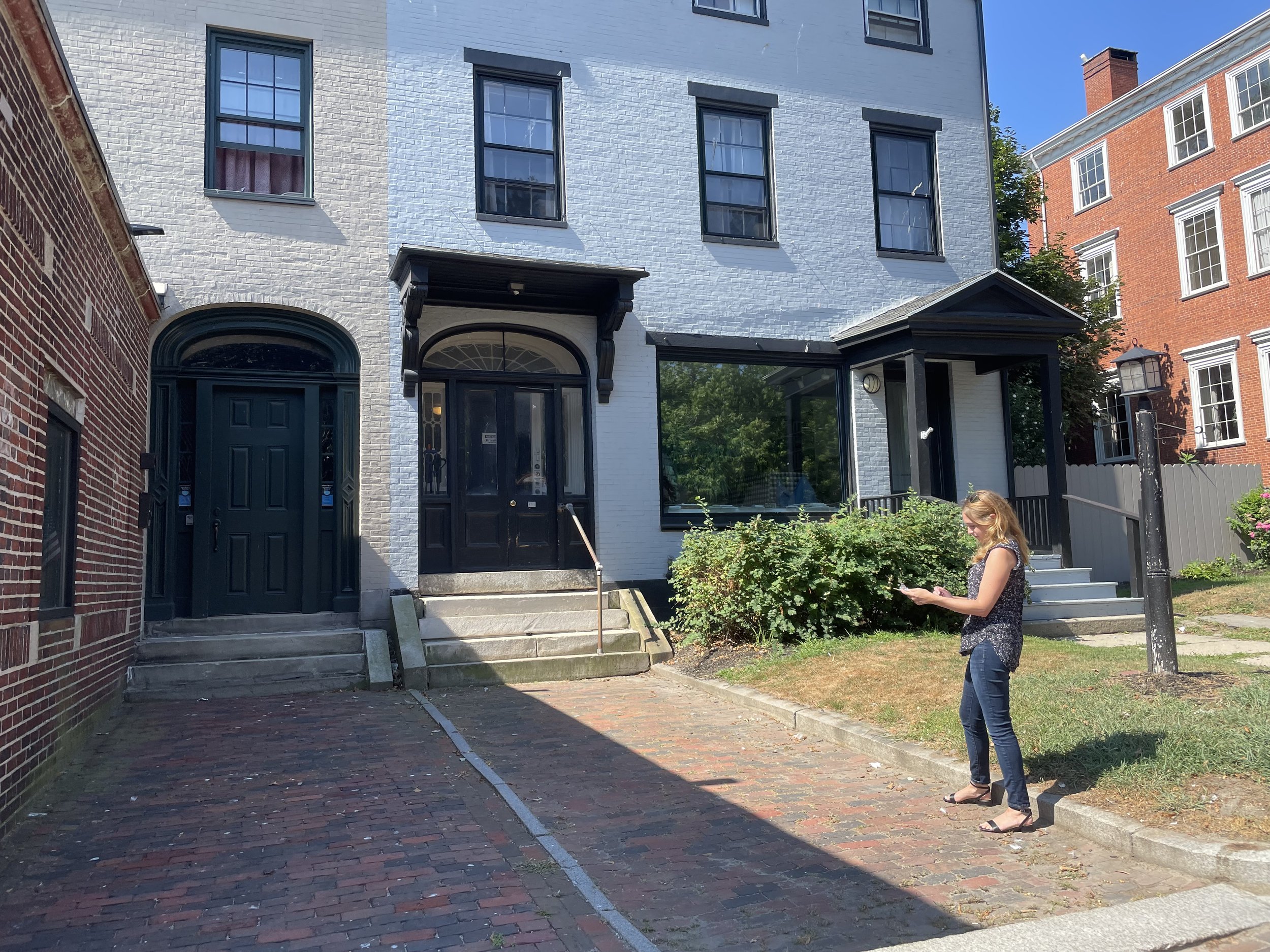
Energy Efficiency & Environmental Sustainability

Greater Portland Landmarks believes historic preservation and the green building movement are natural allies: the greenest building, as the saying goes, is the one that is already built. An older building embodies a heavy prior investment in resources and energy; keeping it in use conserves that investment and is recycling at its best. 

The greenest building is the one already built.

Landmarks applauds and encourages new approaches to sustainable design and construction while working to educate building owners, architects, builders and developers about the important role of historic preservation in fostering sustainable development.

We provide access to green technologies and products through the bi-annual Old House Trade Show, our Preservation Directory, workshops on preservation practices, and practical advice for do-it-yourselfers in our quarterly newspaper, the Landmarks Observer.

Energy Efficiency In Older Homes

Landmarks' Publications

Additional Information

Reduce, Reuse, Recycle!

If you can't re-use historic materials in your own home, consider salvaging them so that others may utilize them and keep recyclable materials out of our waste stream!